Hydromassage: What Patients Need to Know
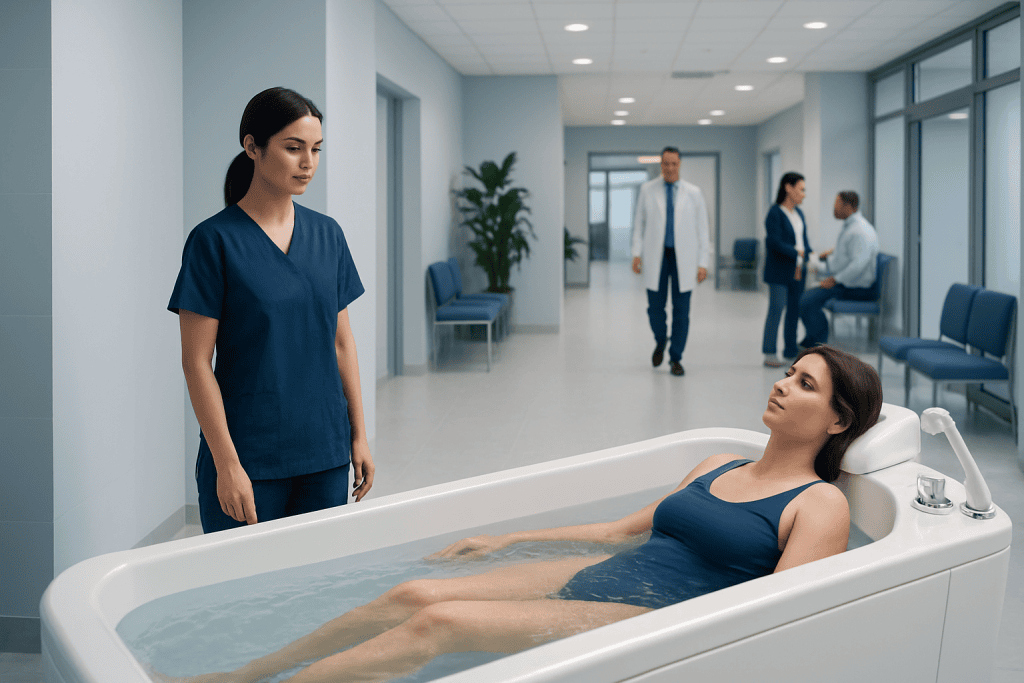
Hydromassage uses water pressure and warmth to promote relaxation and reduce short-term muscle discomfort. It may help with muscle tightness, stress, and recovery after exercise, but it does not treat the underlying cause of pain.
Key Takeaways
- Hydromassage uses water pressure and warmth to promote relaxation and reduce short-term muscle discomfort.
- It may help with muscle tightness, stress, and recovery after exercise, but it does not treat the underlying cause of pain.
- People with certain health conditions, skin problems, recent injuries, or circulation concerns should check with a doctor before use.
- A session is usually brief, adjustable, and noninvasive, but settings should be tailored to comfort.
- Persistent pain, swelling, numbness, weakness, or severe symptoms should be medically evaluated rather than managed with massage alone.
Hydromassage is a form of massage that uses warm water, water jets, or a water-based massage table to apply pressure to the body. Many people use it for relaxation and temporary relief of muscle tension, but it has limits, possible risks, and situations where medical advice is important.
Overview: what hydromassage is and what it can do
Hydromassage is a massage method that uses water to deliver pressure and warmth to the body. Depending on the device, a person may lie fully clothed on a specialized table while water moves beneath a waterproof surface, or sit in a chair or tub with directed water jets. The goal is usually comfort, relaxation, and temporary relief of muscle tightness.
For many patients, hydromassage feels gentler and more predictable than a hands-on massage because the pressure, position, and session length can often be adjusted. It may be used after exercise, during a wellness routine, or as part of supportive care for muscle tension. However, it should not be seen as a cure for ongoing pain, joint disease, nerve symptoms, or injury.
The main effects of hydromassage come from warmth, pressure, and mechanical stimulation of soft tissues. These may help muscles feel looser and may briefly improve the sense of well-being. People who are considering it for chronic pain, back pain, or recovery after an injury should remember that benefits vary, and a proper diagnosis is still important when symptoms continue.
How hydromassage works in the body
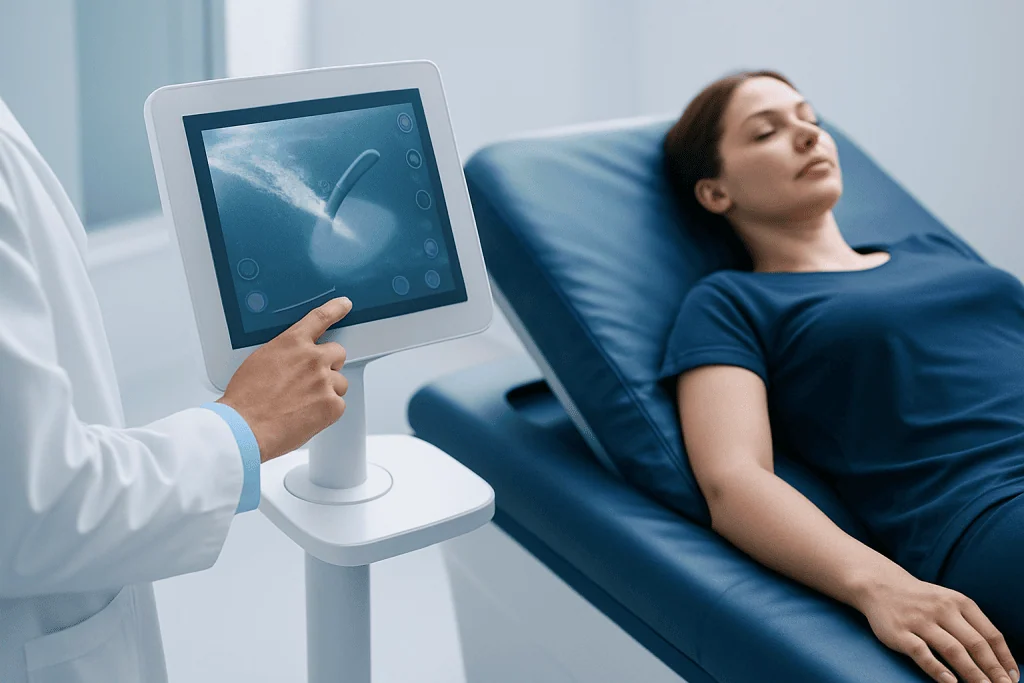
Warmth can help muscles relax and may make movement feel easier for a short time. Water-driven pressure can also stimulate the skin and soft tissues, which some people find soothing. In simple terms, hydromassage combines heat and massage-like pressure without direct hand contact.
This does not mean the treatment reaches every source of pain. If discomfort comes from a structural problem such as a disc issue, nerve compression, arthritis, or an inflammatory condition, hydromassage may only reduce symptoms temporarily. In those situations, a medical assessment may be needed to identify whether there is an underlying problem such as a herniated disc or another musculoskeletal condition.
The response to hydromassage also depends on factors such as water temperature, pressure intensity, duration, and the part of the body being treated. A session that is too intense may leave some people feeling sore afterward, while a lower setting may be more comfortable and still effective for relaxation.
Potential benefits and common uses

People often choose hydromassage because it is convenient, noninvasive, and generally easy to tolerate. The most common reason is short-term relief of muscle tension, especially in the back, shoulders, neck, and legs. Some people also use it to unwind after a stressful day or after physical activity.
Potential benefits may include a temporary reduction in muscle stiffness, a feeling of relaxation, and improved comfort after exercise. For some, the gentle pressure and warmth make it easier to stretch or move. It may also be appealing to people who do not want a traditional hands-on massage.
Common situations where hydromassage may be used include:
- General muscle tightness or post-exercise soreness
- Stress-related tension in the shoulders or back
- Supportive comfort measures during rehabilitation programs
- Wellness routines focused on relaxation and recovery
When symptoms are ongoing, hydromassage may be only one part of care. Patients with persistent neck, back, or joint symptoms may also need medical evaluation, physical therapy, or other treatment approaches such as physical therapy and rehabilitation to improve function and address the cause.
Who should be cautious or avoid hydromassage
Hydromassage is not suitable for everyone. Although it is often marketed as low risk, there are situations where water pressure, heat, or lying in one position may not be advisable. People with certain medical conditions should ask a qualified doctor before starting.
Caution is especially important for those with open wounds, active skin infections, unexplained swelling, severe osteoporosis, recent fractures, significant bruising, blood clotting concerns, or major circulation problems. People with severe pain, recent surgery, implanted medical devices, or sensory loss that makes it hard to judge heat or pressure should also seek medical guidance first.
Hydromassage may need to be postponed or avoided in people with:
- Fever or acute illness
- Deep vein thrombosis or suspected blood clot
- Uncontrolled heart or circulation problems
- Pregnancy unless approved by a clinician
- Active inflammation, injury, or a painful flare that worsens with pressure
If back or neck symptoms are linked to weakness, numbness, pain traveling down an arm or leg, or loss of balance, the issue may go beyond muscle tension. In those cases, evaluation for spinal or nerve-related causes is more appropriate than relying on massage alone.
What a hydromassage session is like
A hydromassage session is usually brief and designed around comfort. In a table-based system, the person lies down fully clothed while warm water moves under a protective barrier. In other systems, targeted water jets may be directed toward areas such as the back or legs. Pressure and speed are often adjustable.
Before the session, it is helpful to mention any pain points, recent injuries, medical conditions, or areas that should be avoided. The safest approach is to start with lower pressure and increase only if it remains comfortable. Pain is not a sign that the massage is working better.
During or after the session, mild temporary soreness can happen, especially if pressure is too strong. Drinking water, gentle stretching, and allowing the body time to settle may help. If symptoms increase significantly, new pain appears, or there is dizziness, swelling, or numbness afterward, medical advice is recommended.
Hydromassage in a broader treatment plan
Hydromassage is best thought of as a supportive measure rather than a stand-alone medical treatment. For simple muscle tension, it may be enough to improve comfort. For recurrent symptoms, however, the most helpful plan usually depends on the cause. A person with poor posture, repetitive strain, arthritis, nerve irritation, or an athletic injury may need a more complete evaluation.
Clinicians may combine lifestyle advice, stretching, strengthening, and rehabilitation with other treatments when needed. Depending on the diagnosis, this might include pain management strategies, supervised exercise, or specialist review. Patients with persistent spinal symptoms may also need spine surgery assessment in selected cases, though surgery is not the first step for most causes of back pain.
If pain is severe, recurrent, or affecting sleep, work, or mobility, it is reasonable to ask whether imaging, rehabilitation, or another treatment path would be more appropriate than repeated massage sessions. Near the end of the care journey, some international patients seek evaluation in centers such as Acibadem International, where multidisciplinary specialists in JCI-accredited hospitals assess musculoskeletal and spine-related complaints.
Self-care tips and when to seek medical care
Hydromassage tends to work best when paired with basic self-care habits. Good hydration, regular stretching, gradual activity, posture awareness, and enough sleep may all support muscle recovery. Heat-based relaxation methods can be helpful, but they should not replace assessment when symptoms keep returning.
Simple steps before and after a session can improve comfort:
- Choose a moderate temperature and gentle starting pressure
- Avoid hydromassage over fresh injuries or areas with marked swelling
- Stop if pain increases or the pressure feels too strong
- Follow with light movement rather than prolonged rest
Medical care should be sought if pain is severe, lasts more than a few days without improvement, or keeps coming back. A doctor should also assess symptoms such as numbness, weakness, fever, chest pain, shortness of breath, a swollen leg, sudden severe back pain, loss of bladder or bowel control, or pain after a fall or accident. These symptoms suggest that a condition more serious than routine muscle tension may be present.
Frequently asked questions
What is hydromassage used for?
Hydromassage is commonly used for relaxation and temporary relief of muscle tightness or soreness. Many people use it after exercise or during periods of stress, but it is not a treatment for every cause of pain.
Is hydromassage the same as a regular massage?
No. A regular massage is performed by a therapist using hands or tools, while hydromassage uses warm water or water-driven pressure. Some people prefer hydromassage because it is noninvasive and pressure settings can often be adjusted.
Can hydromassage help back pain?
It may help some people with mild muscle-related back discomfort by promoting relaxation and reducing the feeling of tightness. However, if back pain is persistent, severe, or associated with numbness, weakness, or leg pain, a medical evaluation is important.
Are there any risks with hydromassage?
Yes, although hydromassage is often well tolerated, it is not risk-free. It may not be suitable for people with recent injuries, blood clot risks, open wounds, certain heart or circulation problems, or conditions that make heat or pressure unsafe.
How long does a hydromassage session usually last?
Many sessions are short, often lasting around 10 to 20 minutes, depending on the device and the setting. A shorter session with gentle pressure is often a sensible starting point, especially for first-time users.
Should hydromassage hurt?
No. Hydromassage should feel comfortable or mildly therapeutic, not painful. If the pressure causes pain, bruising, or worsening symptoms, the session should be stopped and the settings reduced or reviewed with a healthcare professional.
This article is for general information only and is not a substitute for professional medical advice. Please consult a qualified doctor about your individual situation.
Explore treatments in Turkey — costs, top hospitals & a free quote
JCI-accredited · board-certified surgeons · reply within 24h
Add us as a Preferred Source to see more of our trusted health content across Google Search, AI Overviews and Discover.

More from the Health Library

Tinea Nigra — Explained by Medical Evidence, Not Myths

Bike Health: An Evidence-Based Guide for Patients

Sparkling Water Is Soda — Explained by Medical Evidence, Not Myths

Humerus Fracture: A Complete Medical Overview
Birth Control Pills: A Complete Medical Overview