Hyp Hrt: An Evidence-Based Guide for Patients

Hyp HRT is not a formal medical diagnosis; it usually describes hypothyroidism and menopausal HRT being managed together. HRT does not treat hypothyroidism, and thyroid hormone replacement does not treat menopausal symptoms.
Key Takeaways
- Hyp HRT is not a formal medical diagnosis; it usually describes hypothyroidism and menopausal HRT being managed together.
- HRT does not treat hypothyroidism, and thyroid hormone replacement does not treat menopausal symptoms.
- Oral estrogen can increase the amount of thyroid hormone bound in the blood, so some people taking levothyroxine need thyroid-function testing after starting or changing HRT.
- Transdermal estrogen, such as patches or gels, generally has less effect on thyroid-binding proteins than oral estrogen.
- Symptoms such as tiredness, sleep disruption and mood changes can overlap between menopause and hypothyroidism, so diagnosis should not be based on symptoms alone.
- A clinician can individualize the HRT type, thyroid monitoring plan and broader menopause care according to personal health history.
Hyp HRT commonly refers to the use of menopausal hormone replacement therapy (HRT) in a person with hypothyroidism. HRT can be appropriate for many people with an underactive thyroid, but oral estrogen may change thyroid hormone requirements, making planned monitoring important.
What does hyp HRT mean?
Hyp HRT usually means managing hypothyroidism, also called an underactive thyroid, in someone who is considering or using menopausal hormone replacement therapy (HRT). It is not a standard medical abbreviation or a separate disease. In this context, the key issue is making sure both thyroid treatment and menopause treatment are assessed safely and effectively.
Hypothyroidism occurs when the thyroid gland does not make enough thyroid hormone. These hormones help regulate energy use, temperature, heart rate, digestion and many other body functions. Menopausal HRT uses estrogen, with a progestogen for people who still have a uterus, to help manage symptoms related to falling estrogen levels.
Both conditions are common in midlife, and some of their symptoms overlap. For example, fatigue, low mood, disturbed sleep, concentration difficulties and changes in weight can occur with hypothyroidism, menopause, other health conditions, or everyday stress. Blood tests and a careful clinical review help distinguish the likely causes rather than assuming that all symptoms have one explanation.
How hypothyroidism and HRT interact
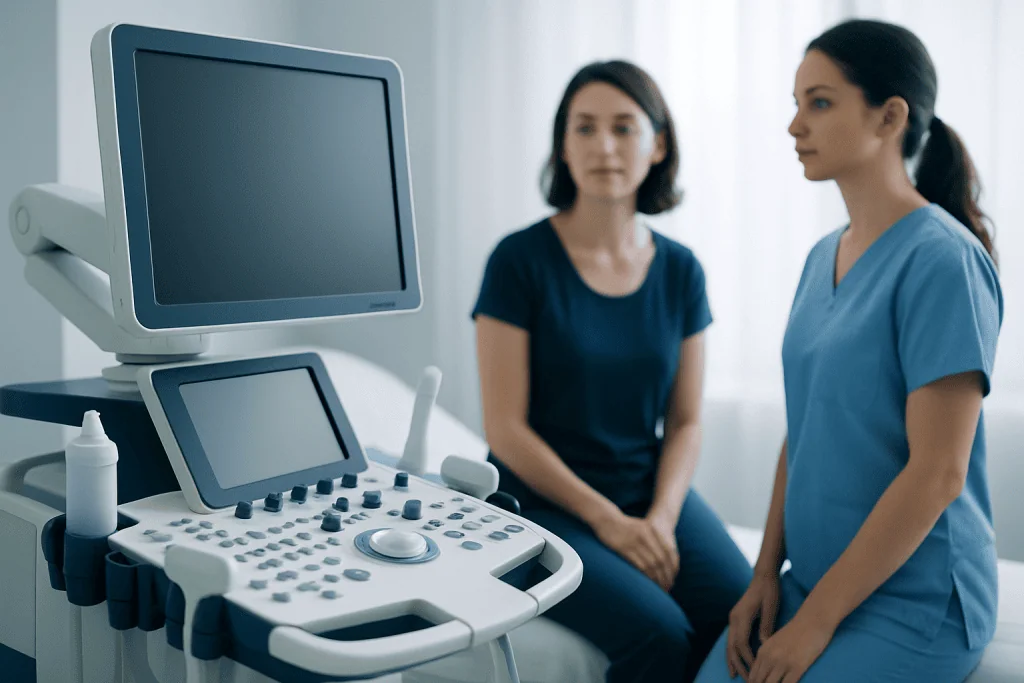
For people taking levothyroxine, the most important interaction is usually with oral estrogen, including tablets taken by mouth. Oral estrogen can increase a blood protein called thyroxine-binding globulin. This protein binds thyroid hormone, which may reduce the amount of free, active thyroid hormone available to body tissues.
As a result, some people with hypothyroidism need an adjustment to their levothyroxine dose after starting oral HRT or changing its dose. This does not mean HRT is unsuitable; it means thyroid blood tests should be checked at an appropriate interval after the change. The treating clinician can use thyroid-stimulating hormone (TSH), and sometimes free thyroxine (free T4), together with symptoms to guide decisions.
Estrogen delivered through the skin, such as patches, gels or sprays, generally has less effect on thyroxine-binding globulin because it does not pass through the liver in the same way as oral estrogen. It may therefore be considered when clinically suitable, although the best HRT route depends on menopause symptoms, medical history, preferences and individual risk factors.
Progestogens used with estrogen are important for protecting the lining of the uterus in people who have not had a hysterectomy. They do not usually cause the same thyroid-binding effect as oral estrogen, but all medicines and supplements should still be reviewed with a clinician or pharmacist.
Recognizing symptoms without making assumptions

An underactive thyroid can cause tiredness, feeling cold, constipation, dry skin, hair changes, muscle aches, slowed thinking and low mood. Symptoms often develop gradually and vary widely between individuals. Menopause may cause hot flushes, night sweats, vaginal dryness, sleep problems, changing periods, mood changes and joint discomfort.
Because fatigue and sleep difficulties are particularly nonspecific, they should not automatically be attributed to either menopause or thyroid disease. Anaemia, low iron stores, sleep disorders, depression, medication effects and other health concerns may also contribute. A healthcare professional can consider the full pattern of symptoms and relevant tests.
People who already take thyroid hormone should report a return or worsening of symptoms after beginning, stopping or changing HRT. However, symptoms alone cannot reliably show whether a thyroid dose is too low or too high. Taking more levothyroxine without medical advice can lead to excess thyroid hormone, which may cause palpitations, anxiety, tremor, bone loss over time or heart-rhythm problems.
- Possible low thyroid hormone symptoms include persistent cold intolerance, constipation and slowed energy.
- Possible excess thyroid hormone symptoms include a racing heartbeat, shaking, heat intolerance and unexplained weight loss.
- Menopausal hot flushes and night sweats are not typical signs of an underactive thyroid.
Testing and treatment planning
Hypothyroidism is usually assessed with a TSH blood test and, when needed, a free T4 test. In primary hypothyroidism, TSH is often elevated and free T4 may be low. The interpretation can be more complex in pituitary disorders, pregnancy, severe illness and certain medication settings, so tests should be reviewed in clinical context.
For a person whose hypothyroidism is stable, a clinician may check thyroid function before HRT begins and repeat testing after an oral estrogen treatment is started, stopped or significantly changed. The precise timing varies by individual, but thyroid levels need time to reach a new steady state after changes to levothyroxine or estrogen. Ongoing monitoring is then based on stability, symptoms and local clinical guidance.
Levothyroxine is the usual treatment for hypothyroidism. It works best when taken consistently as directed, because food, calcium, iron supplements and some medicines can affect absorption. A clinician or pharmacist can explain how to separate these products from levothyroxine when necessary. HRT decisions should be made independently on the basis of menopausal symptoms, likely benefits and individual risks.
A menopause assessment may include discussion of menstrual history, symptom impact, contraception needs, personal and family history, and factors such as prior blood clots, breast cancer, liver disease or unexplained vaginal bleeding. HRT is not appropriate for everyone, but non-hormonal options and targeted treatments for specific symptoms may be available.
Choosing an HRT approach with hypothyroidism
There is no single best HRT regimen for every person with hypothyroidism. The choice may involve estrogen route, whether a progestogen is needed, symptom severity, convenience, other medicines and health history. Having an underactive thyroid that is appropriately treated does not, by itself, rule out HRT.
In some situations, clinicians may discuss transdermal estrogen because it has less influence on thyroid-binding proteins and may also be preferred for other medical reasons. This is not a universal rule. Oral HRT remains a suitable option for some people, provided thyroid treatment is reviewed and adjusted if testing shows it is necessary.
People should avoid using compounded or unregulated “bioidentical” hormone products as substitutes for prescribed therapy. Their hormone content and safety monitoring may be less reliable than regulated products. If a person wishes to use body-identical hormones, regulated estradiol and micronized progesterone options may be discussed where appropriate.
Regular review is useful because menopause symptoms and health needs can change over time. A care plan should include what symptoms to monitor, when thyroid tests are needed, how to take medicines consistently and whom to contact if concerns arise.
Practical self-care and safer medicine use
Keeping a short symptom record can be helpful, particularly in the first months after starting or changing HRT. Recording hot flushes, sleep, mood, menstrual bleeding, energy levels and medication changes can give the clinician a clearer picture at follow-up. It is also useful to bring a list of all prescribed medicines, over-the-counter products and supplements.
Levothyroxine should be taken exactly as prescribed and at a consistent time. Patients should not change the dose or stop treatment because they feel better or because HRT has started. Likewise, HRT should not be used as a treatment for thyroid disease, and it should not replace a proper assessment of new or persistent symptoms.
General measures can support wellbeing during menopause and thyroid treatment: regular movement, a balanced diet, adequate sleep routines, limiting smoking and moderating alcohol intake. Calcium or iron may be medically appropriate for some people, but should be scheduled away from levothyroxine if advised because they can reduce its absorption.
Acibadem International’s multidisciplinary specialists in JCI-accredited hospitals can assess thyroid health and menopause concerns for international patients, coordinating care when HRT and thyroid hormone treatment need to be reviewed together.
When to seek medical care
People should arrange a routine medical review if they develop persistent symptoms of hypothyroidism or menopause, are considering HRT, or notice changes after beginning, stopping or changing HRT. A review is also sensible if levothyroxine has not been monitored recently, if medicines are difficult to take consistently, or if symptoms remain disruptive despite treatment.
Prompt medical advice is important for new unexplained vaginal bleeding after menopause, bleeding that is heavy or persistent, a new breast lump, severe headaches with visual changes, or symptoms that could suggest a blood clot, such as one-sided leg swelling and pain, sudden chest pain or sudden shortness of breath. These symptoms have several possible causes and should be assessed without delay.
Emergency care is appropriate for severe chest pain, major breathing difficulty, fainting, signs of stroke such as facial weakness or difficulty speaking, or a very fast or irregular heartbeat with feeling unwell. People should seek local emergency services rather than waiting for a routine appointment.
Frequently asked questions
Can a person with hypothyroidism take HRT?
Yes, many people with well-managed hypothyroidism can use menopausal HRT. The decision depends on their menopausal symptoms, medical history and usual HRT safety considerations. Thyroid blood tests may need review, particularly if oral estrogen is started or changed.
Does HRT make hypothyroidism worse?
HRT does not generally worsen the underlying thyroid condition. However, oral estrogen can alter thyroid hormone binding in the blood, which may mean a person taking levothyroxine needs a dose adjustment. Monitoring helps identify this and maintain appropriate treatment.
Which HRT is best if someone takes levothyroxine?
There is no single best option for everyone. Transdermal estrogen, delivered through a patch, gel or spray, usually has less effect on thyroid-binding proteins than oral estrogen. A clinician can recommend an approach based on symptoms, health history and personal preferences.
Should thyroid tests be checked before starting HRT?
Testing may be helpful for people with known hypothyroidism, thyroid symptoms or a recent change in thyroid treatment. For someone already taking levothyroxine, clinicians commonly consider checking thyroid function before and after relevant HRT changes. The testing schedule should be individualized.
Can menopause symptoms be mistaken for thyroid problems?
Yes. Fatigue, sleep problems, low mood and concentration changes may occur in both menopause and hypothyroidism. Blood tests and a full assessment are important because these symptoms can also have other causes.
Can levothyroxine and HRT be taken at the same time?
They may be prescribed together, but each should be taken according to its specific instructions. Levothyroxine absorption can be affected by food, calcium, iron and some other medicines, while oral estrogen can affect thyroid hormone requirements. A pharmacist or clinician can give practical timing advice.
References
- National Institute for Health and Care Excellence
- North American Menopause Society
- American Thyroid Association
- British Menopause Society
- National Health Service
This article is for general information only and is not a substitute for professional medical advice. Please consult a qualified doctor about your individual situation.
Explore treatments in Turkey — costs, top hospitals & a free quote
JCI-accredited · board-certified surgeons · reply within 24h
Add us as a Preferred Source to see more of our trusted health content across Google Search, AI Overviews and Discover.
Check your numbers in seconds
BMI, calories, due date, blood pressure and 30+ more clinical calculators — free, instant, doctor-reviewed ranges.

More from the Health Library



Related Specialists

Dr. Birsen Köse
Intensive Care
Dr. Ömür Albayrak
Vitro Fertilization and Reproductive Medicine Center
Dr. Ali Şahin
General Surgery
Dr. Muhammed Akif Atlan
Pediatrics