Hypertension: High Blood Pressure Risks, Diagnosis, and Treatment Goals

Hypertension often has no symptoms, so regular blood pressure measurement is the only reliable way to detect it. Diagnosis is usually based on repeated readings taken correctly in a clinic, at home or with 24-hour ambulatory monitoring.
Key Takeaways
- Hypertension often has no symptoms, so regular blood pressure measurement is the only reliable way to detect it.
- Diagnosis is usually based on repeated readings taken correctly in a clinic, at home or with 24-hour ambulatory monitoring.
- Untreated high blood pressure increases the risk of heart disease, stroke, kidney disease and vision problems over time.
- Treatment goals are individualized, but many adults benefit from lowering blood pressure to around or below 130/80 mmHg when safe.
- Lifestyle changes and prescribed medicines work best when combined with ongoing follow-up and shared decision-making.
Hypertension means blood pressure stays higher than is healthy for the arteries, heart, brain and kidneys. With accurate diagnosis, lifestyle measures and, when needed, medication, most people can reduce their long-term risks effectively.
Overview
Hypertension, commonly called high blood pressure, occurs when the force of blood pushing against artery walls remains consistently higher than normal. Blood pressure is written as two numbers: systolic pressure, the top number, reflects pressure when the heart beats; diastolic pressure, the bottom number, reflects pressure when the heart relaxes between beats.
Blood pressure naturally changes throughout the day with activity, stress, sleep, caffeine, pain and other factors. A single high reading does not always mean a person has hypertension. However, repeated high readings suggest that the arteries and organs are being exposed to extra strain over time.
Hypertension is important because it is both common and modifiable. Many people feel completely well, yet controlling blood pressure can lower the chance of heart attack, stroke, heart failure, kidney damage and other complications. Treatment is not only about numbers; it is about protecting long-term health and quality of life.
Symptoms and Possible Complications
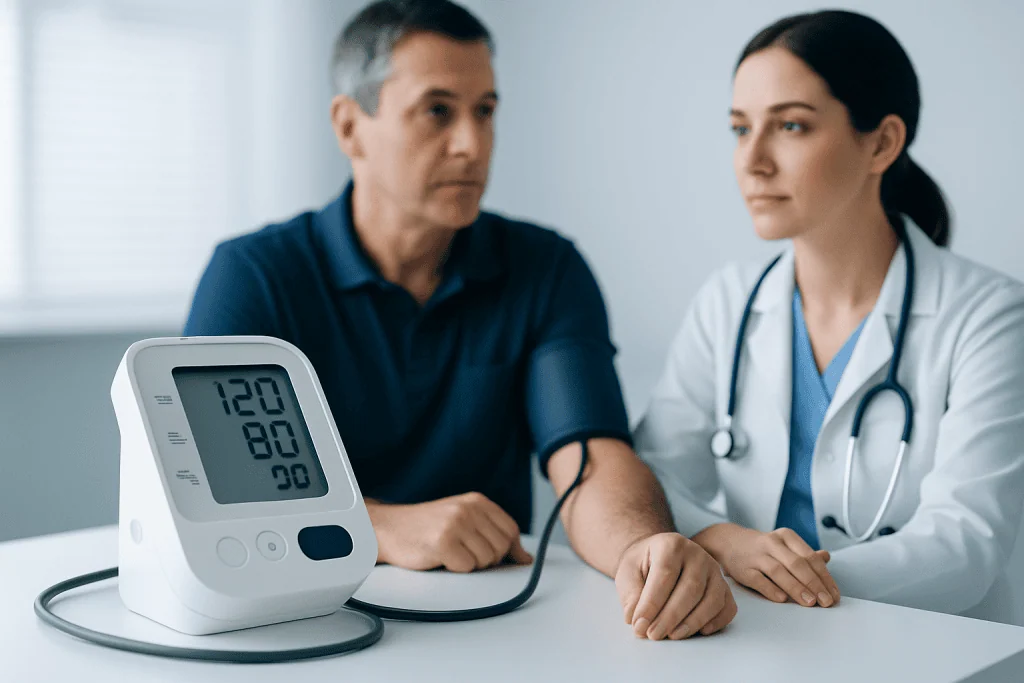
Most people with hypertension do not notice symptoms. Headache, dizziness, nosebleeds or flushing can occur for many reasons and are not reliable signs of high blood pressure. Because symptoms are often absent, routine checks are essential, especially for adults and people with risk factors.
When blood pressure stays high for years, it can gradually injure blood vessels and organs. The heart may need to work harder, which can contribute to thickening of the heart muscle, coronary artery disease, rhythm problems or heart failure. Blood vessels in the brain can also be affected, increasing the risk of stroke and problems with memory or thinking in some individuals.
Other possible complications include chronic kidney disease, damage to the blood vessels in the eyes, peripheral artery disease and aortic aneurysm. These risks develop differently from person to person and are influenced by age, cholesterol, diabetes, smoking, family history and overall cardiovascular health.
Very high blood pressure accompanied by warning symptoms such as chest pain, severe shortness of breath, weakness on one side, confusion, fainting, sudden vision changes or severe unusual headache requires urgent medical assessment. These situations are uncommon but should be handled promptly.
Causes and Risk Factors

For most adults, hypertension is primary, also called essential hypertension. This means there is no single identifiable cause. It usually develops gradually due to a combination of genetics, aging, body weight, diet, physical activity, stress patterns and the way the kidneys and blood vessels regulate salt and fluid.
Secondary hypertension is less common and occurs because of another medical condition or medication. Possible causes include kidney disease, sleep apnea, hormonal disorders such as primary aldosteronism or thyroid disease, and narrowing of the arteries to the kidneys. Some medicines and substances can raise blood pressure, including certain pain relievers, decongestants, stimulants, corticosteroids, oral contraceptives, excessive alcohol and some herbal or performance products.
Risk factors that can increase the likelihood of hypertension include:
- Family history of high blood pressure or early cardiovascular disease
- Older age, although hypertension can occur in younger adults
- Excess body weight or increased waist circumference
- High-salt diet and low intake of fruits, vegetables and potassium-rich foods, unless potassium restriction is medically needed
- Physical inactivity, smoking, high alcohol intake and chronic stress
- Diabetes, high cholesterol, chronic kidney disease and obstructive sleep apnea
Diagnosis: How Blood Pressure Is Measured
Accurate diagnosis begins with correct measurement. The person should usually be seated, relaxed and supported, with feet flat on the floor and the arm at heart level. A properly sized cuff is important because a cuff that is too small or too large can give misleading results. It is often helpful to avoid caffeine, exercise and smoking shortly before measurement.
Doctors usually confirm hypertension with repeated readings on more than one occasion, unless blood pressure is very high or there are signs of organ damage. Clinic measurements may be combined with home blood pressure monitoring or 24-hour ambulatory blood pressure monitoring. These methods can help identify white-coat hypertension, where readings are high in a medical setting, and masked hypertension, where clinic readings seem normal but home or daytime readings are high.
Blood pressure categories vary slightly between professional guidelines, but many clinicians consider readings around 130/80 mmHg or higher as elevated enough to assess cardiovascular risk and discuss management. The final diagnosis is individualized and takes into account the average of multiple readings, age, other illnesses and the person’s overall risk profile.
After hypertension is confirmed, a doctor may recommend blood and urine tests, an electrocardiogram, cholesterol testing, kidney function assessment and sometimes eye examination or imaging. These tests help identify contributing causes, detect organ effects and guide safe treatment choices.
Treatment Goals and Treatment Options
The main goal of hypertension treatment is to reduce the risk of future cardiovascular, kidney and brain complications while keeping the treatment practical and well tolerated. For many adults, a target near or below 130/80 mmHg is beneficial if it can be reached safely. For older adults, people with frailty, dizziness, kidney disease or multiple medications, the goal may be adjusted by the treating physician.
Lifestyle treatment is recommended for nearly everyone with elevated blood pressure, whether or not medication is needed. This may include reducing salt intake, following a heart-healthy eating pattern, increasing physical activity, achieving a healthy weight, limiting alcohol, stopping smoking and improving sleep. Even modest changes can make a meaningful difference when they are sustained.
Medication is often needed when blood pressure is significantly elevated, when lifestyle measures are not enough, or when cardiovascular risk is high. Common medication groups include thiazide-like diuretics, ACE inhibitors, angiotensin receptor blockers, calcium channel blockers and beta blockers in selected situations. The choice depends on age, kidney function, diabetes, heart disease, pregnancy status, side effects, other medicines and patient preference.
Some people need more than one medication to reach their goal. This does not mean treatment has failed; blood pressure control commonly requires a combination approach. Follow-up visits allow the doctor to check home readings, adjust therapy, monitor blood tests when needed and address side effects or adherence barriers.
Prevention and Self-Care
Self-care is a central part of hypertension prevention and management. A practical starting point is home blood pressure monitoring with a validated upper-arm device. Readings should be recorded with the date and time and shared with the healthcare team. The doctor can advise how often to measure and what pattern of readings should prompt contact.
Dietary changes can support blood pressure control. Many people benefit from a Mediterranean-style or DASH-style eating pattern that emphasizes vegetables, fruits, legumes, whole grains, low-fat dairy when suitable, fish, nuts and unsaturated oils. Reducing highly processed foods is often the easiest way to reduce sodium. People with kidney disease or certain medications should ask their doctor before increasing potassium intake.
Regular physical activity helps the blood vessels, heart, weight and stress response. Adults are often advised to aim for a combination of aerobic activity, such as brisk walking, cycling or swimming, and muscle-strengthening exercise, adapted to fitness level and medical conditions. Starting gradually is especially important for people who have been inactive.
Other helpful habits include taking medicines exactly as prescribed, using a weekly pill organizer if needed, limiting alcohol, avoiding tobacco and discussing over-the-counter medicines before use. Sleep quality also matters; loud snoring, pauses in breathing during sleep and daytime sleepiness should be discussed because sleep apnea can contribute to hypertension.
When to See a Doctor
Adults should have blood pressure checked regularly, even when they feel well. A person should arrange a medical appointment if repeated home readings are above the range recommended by a clinician, if there is a new high reading in a pharmacy or clinic, or if medication side effects make it difficult to continue treatment.
Prompt medical advice is important for people with high blood pressure who are pregnant or planning pregnancy, have diabetes, kidney disease, heart disease, previous stroke, chest discomfort, fainting, new shortness of breath or swelling in the legs. Medication choices and treatment goals may need careful adjustment in these situations.
Emergency care is needed if very high blood pressure occurs with symptoms such as chest pain, severe shortness of breath, weakness or numbness on one side, confusion, difficulty speaking, sudden vision loss, fainting or a severe unusual headache. In the absence of such symptoms, a very high reading should still be repeated after resting and discussed urgently with a healthcare professional.
For international patients, Acibadem International’s multidisciplinary specialists and JCI-accredited hospitals diagnose and treat hypertension and related cardiovascular, kidney and endocrine conditions. Care is planned according to clinical findings, patient history and internationally accepted medical guidance.
Frequently asked questions
What blood pressure reading is considered hypertension?
Definitions vary slightly by guideline, but many clinicians begin evaluating hypertension when repeated readings are around 130/80 mmHg or higher. Diagnosis should not usually be based on one isolated reading. A doctor considers the average of multiple measurements and the person’s overall cardiovascular risk.
Can hypertension be cured?
Some cases improve greatly with weight loss, reduced salt intake, more activity, better sleep or treatment of an underlying cause. However, many people have a long-term tendency toward high blood pressure. The goal is durable control through lifestyle, follow-up and medication when needed.
Is home blood pressure monitoring reliable?
Home monitoring can be very useful when a validated device and correct technique are used. It helps show blood pressure patterns in everyday life and can guide treatment adjustments. Patients should bring their device and readings to appointments so accuracy and technique can be checked.
Will everyone with high blood pressure need medication?
Not always. Some people with mildly elevated blood pressure and low overall risk may first try structured lifestyle changes. Medication is more likely when blood pressure is higher, when risk factors are present, or when lifestyle measures alone do not reach a safe goal.
Can blood pressure medicines be stopped once readings improve?
Medicines should not be stopped without medical advice because blood pressure may rise again. If readings remain well controlled and lifestyle changes are strong, a doctor may sometimes adjust treatment. Any change should be monitored carefully.
What should a person do if one reading is high?
The person should sit quietly, ensure the cuff is positioned correctly and repeat the measurement after a few minutes. If readings remain high over several checks or days, medical advice is recommended. If a high reading comes with chest pain, severe shortness of breath, stroke-like symptoms or fainting, emergency care is needed.
References
- World Health Organization
- American Heart Association
- European Society of Cardiology
- National Institute for Health and Care Excellence
- Centers for Disease Control and Prevention
This article is for general information only and is not a substitute for professional medical advice. Please consult a qualified doctor about your individual situation.
Hypertension in Turkey — costs, top hospitals & a free quote
JCI-accredited · board-certified surgeons · reply within 24h
Add us as a Preferred Source to see more of our trusted health content across Google Search, AI Overviews and Discover.
Check your numbers in seconds
BMI, calories, due date, blood pressure and 30+ more clinical calculators — free, instant, doctor-reviewed ranges.