Hypoxemia: Diagnosis, Outlook, and Modern Treatment Approaches

Hypoxemia refers to low oxygen in the blood and is different from simply feeling short of breath. Common causes include lung diseases, infections, asthma, blood clots, sleep-related breathing problems, and heart conditions.
Key Takeaways
- Hypoxemia refers to low oxygen in the blood and is different from simply feeling short of breath.
- Common causes include lung diseases, infections, asthma, blood clots, sleep-related breathing problems, and heart conditions.
- Diagnosis often involves pulse oximetry, arterial blood gas testing, imaging, and evaluation of the underlying cause.
- Treatment focuses on improving oxygen levels and treating the condition responsible for the drop in oxygen.
- Sudden breathing difficulty, chest pain, confusion, or bluish lips or fingertips need urgent medical attention.
Hypoxemia is a lower-than-normal level of oxygen in the blood, usually caused by a problem affecting the lungs, heart, breathing, or oxygen transfer into the bloodstream. It is treatable, but the outlook depends on the underlying cause, how quickly it is recognized, and whether oxygen levels can be restored safely.
Overview
Hypoxemia means the blood is carrying less oxygen than the body needs. Because oxygen supports the brain, heart, muscles, and other organs, low blood oxygen can affect how a person feels and how well the body functions. In some cases it develops suddenly and needs urgent care; in others it appears gradually as part of a chronic lung or heart condition.
It is important to distinguish hypoxemia from related terms. Hypoxemia refers specifically to low oxygen in the blood, while hypoxia means the body’s tissues are not getting enough oxygen. A person can feel breathless without hypoxemia, and some people with hypoxemia may not notice symptoms right away, especially if levels fall slowly over time.
Modern care focuses on two goals at the same time: restoring safe oxygen levels and identifying why they are low. This cause-based approach is important because hypoxemia itself is a sign rather than a single disease. It may occur with chronic obstructive pulmonary disease, pneumonia, asthma, sleep-related breathing disorders, heart problems, or a clot in the lung.
Symptoms and how hypoxemia may feel
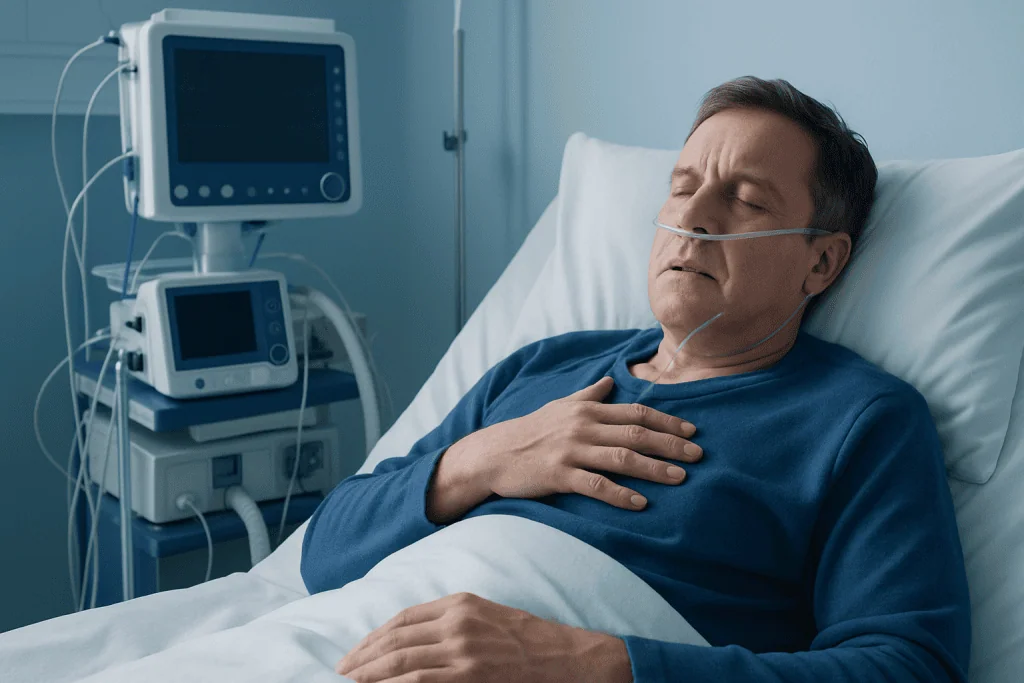
Symptoms vary with how low the oxygen level is, how quickly it drops, and whether the person already has lung or heart disease. Mild cases may cause shortness of breath during activity, faster breathing, fatigue, headache, or a sense that usual exercise feels harder than normal. Some people notice restlessness, poor concentration, or a racing heartbeat.
More significant hypoxemia can affect the brain and circulation. Warning symptoms may include confusion, dizziness, severe shortness of breath, inability to speak comfortably, chest discomfort, or bluish discoloration of the lips or fingertips. In older adults, the main early sign may be unusual sleepiness or a sudden change in mental status rather than obvious breathlessness.
Symptoms also depend on the underlying condition. For example, wheezing may suggest asthma, fever and cough may suggest infection, and sudden pleuritic chest pain can point toward a blood clot in the lung. Some people discover low oxygen through a pulse oximeter reading before they feel unwell, but home readings should always be interpreted in clinical context.
- Shortness of breath or fast breathing
- Rapid heart rate
- Fatigue, weakness, or reduced exercise tolerance
- Headache or difficulty concentrating
- Confusion or unusual drowsiness
- Bluish lips, nails, or skin in more severe cases
Causes and risk factors

Hypoxemia develops when oxygen cannot move normally from the air into the blood, or when the body cannot effectively circulate oxygenated blood. Doctors often think about the problem in terms of mechanisms: too little oxygen entering the lungs, poor airflow, inflammation or fluid in the air sacs, a mismatch between ventilation and blood flow, abnormal shunting of blood, or reduced oxygen levels in the environment such as at high altitude.
Common respiratory causes include pneumonia, asthma flare-ups, COPD, interstitial lung disease, pulmonary edema, and sleep apnea. A blood clot in the lung, known as pulmonary embolism, can cause an abrupt drop in oxygen. Heart conditions such as heart failure or congenital heart disease may also lower oxygen levels by reducing circulation or altering blood flow through the lungs.
Risk factors depend on the cause but often include smoking, chronic lung disease, recent surgery or immobility, obesity, severe infection, older age, neuromuscular weakness, and exposure to high altitude. Sedative medications and opioid pain medicines can reduce breathing drive in some people. In hospitalized patients, hypoxemia may also develop after surgery or during acute illness and should be assessed promptly.
How doctors diagnose hypoxemia
Diagnosis begins with symptoms, medical history, and physical examination. Clinicians look for signs such as fast breathing, use of neck or chest muscles to breathe, abnormal lung sounds, cyanosis, or changes in mental status. A pulse oximeter placed on the finger is often the first step because it provides a quick estimate of oxygen saturation, but it does not explain the cause.
To confirm severity, doctors may order an arterial blood gas test, which directly measures oxygen and carbon dioxide levels in the blood and can show whether the person is also retaining carbon dioxide. This is particularly useful in COPD, severe asthma, or critical illness. Blood tests, chest X-ray, chest CT, ECG, and echocardiography may be used depending on the suspected problem.
The most useful diagnostic approach is not only to measure oxygen but also to identify why it is low. For example, evaluation may include testing for infection, imaging for fluid or lung collapse, or assessment for sleep apnea when symptoms are worse during sleep. In more complex cases, lung function tests may help characterize chronic respiratory disease after the acute issue has stabilized.
Modern treatment approaches
Treatment depends on the severity of hypoxemia and its cause. The immediate priority is to maintain safe oxygen delivery to vital organs. Supplemental oxygen is commonly given through a nasal cannula or face mask, and the amount is adjusted according to the person’s condition and target oxygen level. In some people, especially those with certain chronic lung diseases, oxygen is carefully titrated rather than given at unnecessarily high levels.
Beyond oxygen itself, treatment focuses on the underlying disorder. A person with pneumonia may need antibiotics and supportive care, while someone with asthma or COPD may benefit from inhaled bronchodilators, corticosteroids, and monitoring. If breathing work is high or oxygen remains low, advanced support such as non-invasive ventilation may help selected patients avoid more invasive measures.
When severe respiratory failure develops, hospital-based treatment may include high-flow oxygen, close monitoring, or intensive care support. If a structural or procedural cause is found, other therapies may be needed, such as drainage of fluid around the lung or treatment for a pulmonary embolism. Patients with long-term low oxygen related to chronic lung disease may require assessment for oxygen therapy at home, along with follow-up to ensure it is used safely and effectively.
The outlook is often good when hypoxemia is recognized early and the cause is treatable. Recovery may be rapid after an asthma flare or mild infection, while chronic illnesses may require ongoing management. In general, prognosis depends less on the oxygen number alone and more on the reason for hypoxemia, the speed of treatment, and the person’s overall heart and lung health.
Prevention and self-care
Not every case can be prevented, but many steps can reduce the risk of hypoxemia or help detect problems earlier. People with asthma, COPD, heart failure, or sleep apnea benefit from keeping regular follow-up appointments, taking prescribed medicines correctly, and having a clear action plan for symptom flare-ups. Vaccination against respiratory infections may also help lower the risk of illnesses that can reduce oxygen levels.
Daily habits matter. Avoiding smoking and secondhand smoke, staying physically active within safe limits, maintaining a healthy weight, and treating reflux or nasal obstruction when relevant can all support breathing. People with known sleep-disordered breathing should use prescribed therapy consistently if advised by their doctor.
Home pulse oximeters can be useful for some patients, especially those with chronic lung disease, but they should not replace medical evaluation. Readings can be affected by nail polish, poor circulation, cold fingers, skin pigmentation differences, and device quality. A person should focus on trends and symptoms rather than a single number and discuss any concerns with a clinician.
When to seek medical care
Medical care is needed promptly if a person develops new or worsening shortness of breath, persistent wheezing, chest pain, bluish lips, fainting, severe fatigue, or confusion. These symptoms can suggest significant hypoxemia or a serious underlying condition such as pneumonia, a severe asthma attack, or a blood clot in the lung. If symptoms are sudden or severe, emergency evaluation is important.
People who already have chronic lung or heart disease should contact their doctor if usual activities become harder, oxygen readings are lower than their normal range, or cough, fever, swelling, or sleep-related breathing symptoms are worsening. Early review can prevent complications and may reduce the need for hospital care.
For international patients who need evaluation or ongoing management, Acibadem International’s multidisciplinary specialists and JCI-accredited hospitals diagnose and treat respiratory and cardiovascular causes of hypoxemia using coordinated medical, imaging, and critical care services.
Frequently asked questions
Is hypoxemia the same as shortness of breath?
No. Hypoxemia means there is a low level of oxygen in the blood, while shortness of breath is a symptom a person may or may not feel. Some people feel breathless without hypoxemia, and others have low oxygen levels with only mild symptoms at first.
What oxygen level is considered low?
There is no single number that applies equally to every person and situation, especially in people with chronic lung disease. Doctors interpret oxygen saturation and blood gas results together with symptoms, medical history, and the underlying condition. A reading that is clearly below a person’s usual range or accompanied by symptoms should be assessed medically.
Can hypoxemia happen during sleep?
Yes. Sleep apnea and some chronic lung or neuromuscular conditions can cause oxygen levels to fall during sleep. If a person snores heavily, stops breathing during sleep, wakes unrefreshed, or has morning headaches, a doctor may recommend further evaluation.
How is hypoxemia treated at home?
Home treatment depends on the cause and should follow a doctor’s advice. It may include prescribed oxygen, inhaled medications, treatment of sleep apnea, and careful monitoring of symptoms. A person should not start or adjust oxygen therapy without medical guidance.
Can anxiety cause hypoxemia?
Anxiety can cause a sensation of breathlessness, chest tightness, or rapid breathing, but it does not usually lower blood oxygen in a healthy person. Because serious conditions can feel similar, new or severe breathing symptoms should not be assumed to be caused by anxiety alone.
Is hypoxemia always an emergency?
Not always, but it should never be ignored. Mild or chronic hypoxemia may be managed with outpatient care when the cause is known and the person is stable. Sudden symptoms, confusion, chest pain, or visible bluish discoloration require urgent medical attention.
References
- World Health Organization
- American Thoracic Society
- National Heart, Lung, and Blood Institute
- Centers for Disease Control and Prevention
- European Respiratory Society
This article is for general information only and is not a substitute for professional medical advice. Please consult a qualified doctor about your individual situation.
Explore treatments in Turkey — costs, top hospitals & a free quote
JCI-accredited · board-certified surgeons · reply within 24h
Add us as a Preferred Source to see more of our trusted health content across Google Search, AI Overviews and Discover.
Check your numbers in seconds
BMI, calories, due date, blood pressure and 30+ more clinical calculators — free, instant, doctor-reviewed ranges.