

Hypoxia — Explained by Medical Evidence, Not Myths

Hypoxia refers to low oxygen at the tissue level, while hypoxemia means low oxygen in the blood. Common signs include shortness of breath, fast breathing, confusion, bluish lips or fingertips, and unusual fatigue.
Key Takeaways
- Hypoxia refers to low oxygen at the tissue level, while hypoxemia means low oxygen in the blood.
- Common signs include shortness of breath, fast breathing, confusion, bluish lips or fingertips, and unusual fatigue.
- Hypoxia is a medical issue with many possible causes, including lung disease, heart disease, airway blockage, infection, anemia, or altitude exposure.
- Diagnosis usually combines a clinical exam with pulse oximetry, blood tests, and imaging or heart-lung evaluation when needed.
- Treatment focuses on restoring oxygen and addressing the underlying cause rather than masking symptoms alone.
- Sudden severe breathing difficulty, chest pain, blue skin color, or confusion needs urgent medical attention.
Hypoxia is a condition in which the body's tissues do not get enough oxygen to function normally. It can happen for many reasons, from lung and heart problems to high altitude, and treatment depends on finding and correcting the cause promptly.
What hypoxia means
Hypoxia means that the body’s tissues are not getting enough oxygen. Oxygen is essential for cells to make energy and support normal brain, heart, lung, and muscle function. When oxygen delivery drops, the body may compensate for a short time, but symptoms can appear quickly if the shortage is significant.
This term is often confused with hypoxemia. Hypoxemia means low oxygen in the blood, usually measured by pulse oximetry or arterial blood gas testing. Hypoxemia can lead to hypoxia, but hypoxia may also occur when blood flow is poor, when the blood cannot carry enough oxygen, or when tissues cannot use oxygen effectively.
In practical terms, hypoxia is not a disease by itself. It is a sign that something is disrupting oxygen supply or oxygen use. That is why medical evaluation focuses not only on oxygen levels, but also on the heart, lungs, blood, circulation, and the overall clinical picture.
How hypoxia affects the body
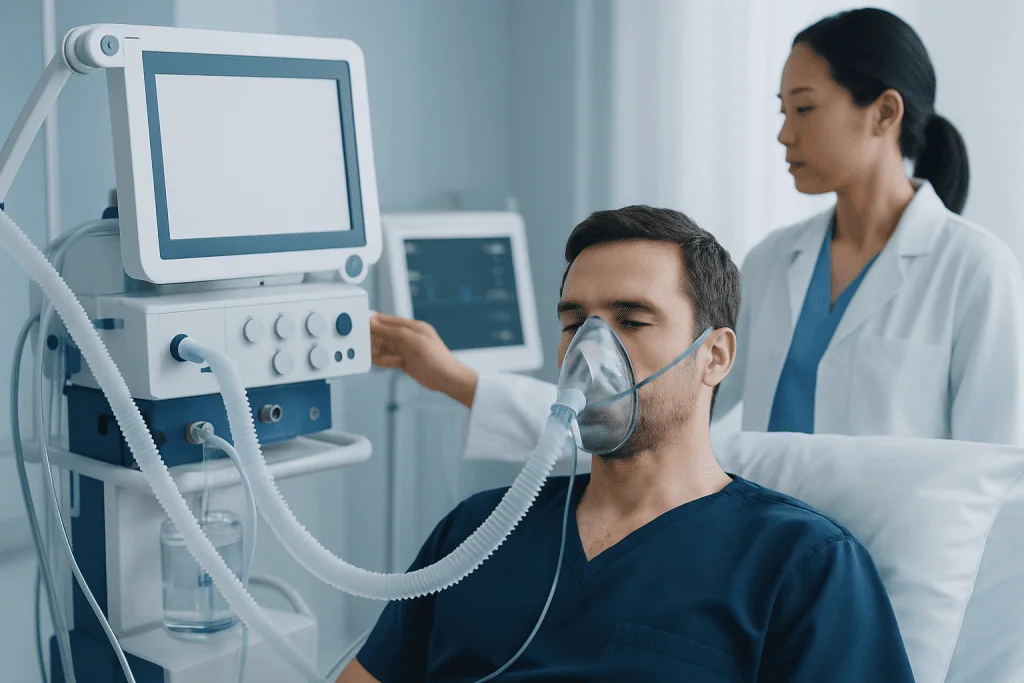
The body is highly sensitive to oxygen changes, especially the brain and heart. Mild oxygen shortage may cause faster breathing, a racing heartbeat, headache, and reduced exercise tolerance. More serious or prolonged hypoxia can affect thinking, balance, judgment, and alertness.
The effects depend on how quickly hypoxia develops, how severe it is, and whether a person already has lung, heart, or blood disorders. A gradual decline may be harder to notice because the body partly adapts, while sudden oxygen loss can become dangerous within minutes.
Doctors sometimes describe different mechanisms of hypoxia, such as low oxygen in the blood, reduced blood flow, low hemoglobin, or impaired oxygen use at the cellular level. For patients, the important point is that the same symptom pattern can come from different causes, so a proper diagnosis matters.
Signs and symptoms of hypoxia

Symptoms of hypoxia vary from person to person. Some people mainly notice breathlessness, while others feel weak, lightheaded, or mentally foggy. In older adults and people with chronic illness, confusion or sudden tiredness may be more noticeable than obvious shortness of breath.
Possible symptoms and signs include:
- Shortness of breath or rapid breathing
- Fast heartbeat
- Restlessness, anxiety, or agitation
- Headache or dizziness
- Fatigue or unusual weakness
- Confusion, poor concentration, or drowsiness
- Bluish lips, tongue, or fingertips
- Chest discomfort in some cases
Symptoms should always be interpreted in context. For example, a person with chronic lung disease may live with lower oxygen levels than usual and have gradual symptoms, whereas sudden blue lips, collapse, or severe breathlessness is an emergency. A fingertip oxygen reading can be useful, but symptoms and examination remain important because pulse oximeter readings can occasionally be misleading.
Common causes and risk factors
Hypoxia can develop when too little oxygen enters the lungs, when the lungs cannot transfer oxygen well into the blood, when the heart cannot circulate oxygenated blood effectively, or when the blood itself cannot carry enough oxygen. This broad range of causes explains why hypoxia appears in many different medical settings.
Respiratory causes are common and include asthma flare-ups, pneumonia, chronic obstructive pulmonary disease, pulmonary embolism, severe allergic reactions affecting the airway, and fluid in the lungs. Conditions such as pneumonia may sharply reduce oxygen exchange, while long-term disorders can cause more gradual oxygen decline.
Cardiovascular causes include heart failure, certain rhythm problems, shock, and congenital or acquired heart disorders that affect circulation. In some patients, specialists may investigate related heart failure or structural problems when low oxygen does not seem fully explained by the lungs alone.
Other causes include anemia, carbon monoxide exposure, sedative or opioid overdose, sleep-related breathing disorders, high altitude, and severe infection. Risk rises in people with chronic lung or heart disease, smokers, older adults, recent surgery patients, and anyone with sudden infection, trauma, or toxin exposure.
How doctors diagnose hypoxia
Diagnosis begins with symptoms, medical history, and a physical examination. Doctors assess breathing effort, mental status, skin color, heart rate, blood pressure, and possible triggers such as infection, altitude exposure, chest pain, or medication use. The goal is to confirm low oxygen and identify why it is happening.
Pulse oximetry is often the first test. This small device clips onto a finger to estimate oxygen saturation. If the situation is more serious or the reading does not match the clinical picture, an arterial blood gas test may be used to measure oxygen, carbon dioxide, and acid-base balance more accurately.
Further tests depend on the suspected cause. These may include chest X-ray, chest CT, electrocardiogram, blood tests, and lung function testing. In selected cases, doctors may recommend bronchoscopy to look inside the airways or advanced imaging to assess the lungs and blood vessels. If blood clots, infection, or lung damage are concerns, a thoracic surgery team may also become involved in evaluation or management planning.
Treatment options and recovery
Treatment of hypoxia has two priorities: restore oxygen safely and treat the underlying cause. Supplemental oxygen is commonly used, but it is only one part of care. A person with airway obstruction, severe infection, heart failure, asthma, or anemia needs treatment directed at that specific problem.
Depending on the cause and severity, treatment may include inhaled medicines to open the airways, antibiotics for bacterial infection, blood thinners for pulmonary embolism, diuretics for fluid overload, blood transfusion in selected cases of severe anemia, or ventilatory support when breathing becomes too difficult. In emergency situations, airway support and close monitoring are essential.
Recovery varies. Some people improve quickly once the cause is corrected, while others need hospital care and follow-up for an underlying chronic disease. People with repeated or unexplained episodes may need specialist assessment in pulmonology, cardiology, or sleep medicine, and some may benefit from oxygen therapy at home if a doctor confirms an ongoing need.
Near the end of the care pathway, rehabilitation, smoking cessation, vaccination, and management of chronic conditions can help reduce future episodes. Acibadem International’s multidisciplinary specialists in JCI-accredited hospitals diagnose and treat causes of hypoxia for international patients when advanced evaluation is needed.
Prevention and self-care
Prevention focuses on lowering the risk of the conditions that commonly lead to hypoxia. People with asthma, chronic lung disease, heart disease, or sleep apnea should follow their treatment plan closely and attend regular check-ups. Sudden changes in symptoms should not be ignored, especially during respiratory infections.
Helpful self-care steps include not smoking, avoiding exposure to smoke and toxic fumes, staying up to date with recommended vaccines, and seeking prompt care for chest infections or worsening breathlessness. For travelers going to high altitude, gradual ascent and attention to symptoms are important.
People who use home oxygen should use it exactly as prescribed and follow fire safety precautions. Pulse oximeters at home may be useful for some patients, but they do not replace medical advice. Any device reading should be considered together with symptoms, skin color, and overall condition.
When to seek medical care
Medical care is needed promptly if a person develops new or worsening shortness of breath, rapid breathing, chest pain, severe fatigue, or confusion. These symptoms can point to significant oxygen shortage or to conditions such as infection, asthma exacerbation, pulmonary embolism, or heart problems.
Emergency care is especially important if the person has blue or gray lips, is difficult to wake, faints, cannot speak in full sentences, or seems suddenly disoriented. Severe symptoms should not be managed at home while waiting to see if they improve.
Even milder symptoms deserve medical advice if they recur, happen during sleep or exercise, or occur in someone with chronic lung disease, heart disease, anemia, or recent surgery. Early evaluation can identify the cause before oxygen shortage leads to complications.
Frequently asked questions
Is hypoxia the same as hypoxemia?
No. Hypoxemia means low oxygen in the blood, while hypoxia means not enough oxygen reaches the tissues. Hypoxemia is a common cause of hypoxia, but tissue hypoxia can also happen with poor circulation, severe anemia, or problems with oxygen use at the cellular level.
What are the first symptoms of hypoxia?
Early symptoms often include shortness of breath, faster breathing, a racing heart, headache, and unusual tiredness. Some people also feel anxious, dizzy, or have trouble concentrating. Symptoms can vary depending on the cause and how quickly oxygen levels change.
Can hypoxia happen without feeling short of breath?
Yes. Some people, especially older adults or those with chronic illness, may mainly experience confusion, weakness, sleepiness, or poor concentration rather than obvious breathlessness. That is one reason unexplained mental changes or sudden fatigue should be taken seriously.
How is hypoxia treated at home?
Hypoxia itself should not be self-treated without medical guidance because the cause may be serious. If a doctor has already prescribed home oxygen or an action plan for a chronic condition, those instructions should be followed carefully. New, severe, or unexplained symptoms need professional evaluation rather than home remedies alone.
Can anxiety cause low oxygen levels?
Anxiety can cause sensations such as chest tightness, rapid breathing, and feeling unable to get a full breath. However, true low oxygen levels usually have another medical cause and should not be assumed to be anxiety without assessment. If symptoms are new, severe, or accompanied by blue lips, chest pain, or confusion, urgent care is needed.
Who is most at risk of developing hypoxia?
People with lung disease, heart disease, severe infections, sleep-related breathing disorders, anemia, or recent surgery are at higher risk. Smokers, people exposed to carbon monoxide or other inhaled toxins, and travelers at high altitude may also be vulnerable. Risk is also higher when chronic illness suddenly worsens.
References
- World Health Organization
- National Heart, Lung, and Blood Institute
- American Lung Association
- Centers for Disease Control and Prevention
- Merck Manual Professional Edition
This article is for general information only and is not a substitute for professional medical advice. Please consult a qualified doctor about your individual situation.
Persistent digestive symptoms? Get evaluated in Turkey
JCI-accredited · board-certified surgeons · reply within 24h
Add us as a Preferred Source to see more of our trusted health content across Google Search, AI Overviews and Discover.
Check your numbers in seconds
BMI, calories, due date, blood pressure and 30+ more clinical calculators — free, instant, doctor-reviewed ranges.

More from the Health Library



Related Specialists

Asst. Prof. Dr. Hamdi Toköz
Cardiovascular Surgery
Fzt. İrfancan Velioğlu
Physical Medicine & Rehabilitation
Asst. Prof. Dr. Emel Uğur
Audiology
Assoc. Prof. Dr. Esma Kobak Tur
Neurology