IBS Symptoms Explained: Common Triggers and Red Flags

Common IBS symptoms are abdominal pain, bloating, gas, diarrhea, constipation, or alternating bowel habits. Symptoms often worsen after eating, during stress, or after certain foods and drinks.
Key Takeaways
- Common IBS symptoms are abdominal pain, bloating, gas, diarrhea, constipation, or alternating bowel habits.
- Symptoms often worsen after eating, during stress, or after certain foods and drinks.
- IBS does not cause damage to the bowel, but some red-flag symptoms can point to other digestive conditions.
- Diagnosis is based on symptom patterns and ruling out warning signs or other likely causes.
- Management usually combines diet changes, stress support, and symptom-based treatment.
IBS symptoms most often include recurring abdominal pain, bloating, and changes in bowel habits such as diarrhea, constipation, or both. Symptoms can be uncomfortable and disruptive, but certain warning signs may suggest a different condition and should be assessed by a doctor.
Overview: what IBS symptoms usually feel like
IBS symptoms typically include recurring abdominal pain linked with changes in bowel habits. Many people notice cramping, bloating, excess gas, diarrhea, constipation, or an alternation between diarrhea and constipation. Symptoms often come and go over time rather than staying the same every day.
Irritable bowel syndrome is a functional gastrointestinal disorder. This means the digestive tract may look normal on routine tests, but the way the gut moves and senses digestion is altered. The bowel can become more sensitive, and normal digestive activity may feel painful or urgent.
IBS is different from conditions that cause inflammation, bleeding, or structural damage. It can still have a major effect on daily life, work, travel, eating, and sleep. Because the symptoms overlap with other digestive disorders, a proper medical evaluation is important, especially if symptoms are new or changing.
Common IBS symptoms and how they may vary
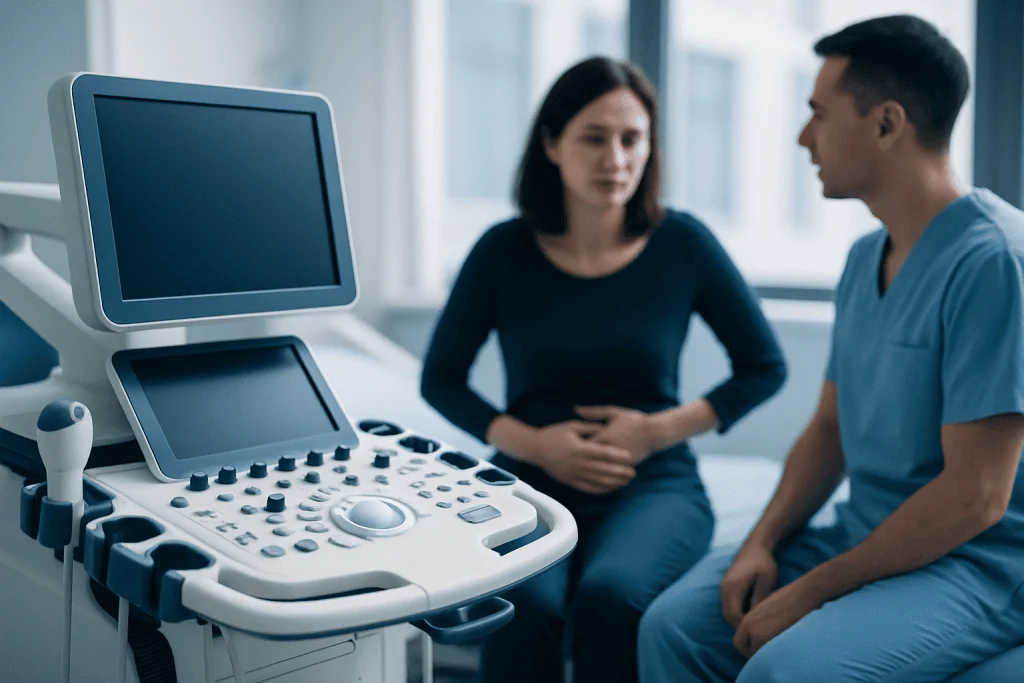
The hallmark of IBS is abdominal pain or discomfort that occurs repeatedly and is associated with a change in stool frequency, stool form, or both. Some people feel pain that improves after a bowel movement, while others notice lingering discomfort even after using the bathroom. The location and intensity can vary from mild cramping to more persistent aching.
Bloating is another very common complaint. The abdomen may feel tight, swollen, or visibly distended, especially later in the day or after meals. Gas, a sense of fullness, and noisy bowel activity may happen alongside bloating and can be just as troublesome as pain.
IBS is often grouped by bowel pattern:
- IBS with constipation: hard or lumpy stools, straining, a feeling of incomplete emptying
- IBS with diarrhea: loose stools, urgency, frequent bowel movements
- Mixed IBS: alternating constipation and diarrhea
- Unclassified IBS: symptoms that do not fit neatly into one pattern
Other symptoms can include mucus in the stool, fatigue, nausea, or a feeling that the bowels have not completely emptied. These symptoms can overlap with other digestive problems such as Crohn’s disease or food intolerances, which is why symptom pattern and medical history matter.
Common triggers that can make IBS symptoms worse

IBS symptoms often flare in response to triggers rather than occurring randomly. Meals are a common example. Some people feel worse after large portions, fatty foods, spicy foods, highly processed foods, caffeine, alcohol, or carbonated drinks. Others are more sensitive to poorly absorbed carbohydrates found in certain fruits, dairy products, wheat, onions, beans, or sweeteners.
Stress does not cause IBS by itself, but it can make symptoms more noticeable or frequent. The brain and gut are closely connected, and stress can affect gut movement, sensitivity, and bowel urgency. Lack of sleep, travel, changes in routine, and anxiety around eating or bathroom access can also contribute.
Hormonal changes may influence symptoms in some people, particularly around menstruation. Certain infections can lead to a lingering IBS pattern after the acute illness has resolved. Medications, including some antibiotics or supplements, may also change stool habits and worsen bloating or cramping.
Tracking symptoms with meals, stress levels, and bowel changes can help identify personal patterns. This does not mean every food needs to be avoided. Instead, it supports a more targeted approach guided by a doctor or dietitian.
Red flags: symptoms that need medical review
Although IBS itself does not cause bleeding, weight loss, fever, or damage to the bowel, these symptoms can occur in other digestive illnesses. Medical review is important if there is rectal bleeding, black stools, unexplained weight loss, persistent vomiting, fever, anemia, or severe nighttime symptoms that wake a person from sleep.
Other warning signs include a new change in bowel habits later in life, a strong family history of colorectal cancer, inflammatory bowel disease, or celiac disease, and symptoms that rapidly worsen. Ongoing diarrhea can also raise concern for dehydration or infection if it is severe.
Some symptoms that seem like IBS may overlap with ulcerative colitis, celiac disease, bile acid problems, infections, endometriosis, or colorectal conditions. A doctor may recommend further testing if the pattern is unusual or if standard IBS care is not helping.
Prompt assessment is especially important when pain is intense, persistent, or paired with fainting, weakness, or signs of dehydration. These symptoms do not automatically mean something serious is present, but they should not be ignored.
How IBS is diagnosed
IBS is diagnosed clinically, which means the diagnosis is based mainly on symptom patterns and the absence of red flags. Doctors often use established criteria that focus on recurring abdominal pain related to bowel movements and stool changes. A careful history is essential because timing, triggers, and the stool pattern help distinguish IBS from other conditions.
The evaluation usually includes a physical examination and a review of diet, medications, recent infections, stress, and family history. Depending on the situation, a doctor may order blood tests, stool tests, or other studies to rule out celiac disease, inflammation, infection, thyroid disorders, anemia, or other problems.
Some people need imaging or endoscopic assessment, especially if warning signs are present or if age and family history increase the need to check for other causes. In selected cases, the doctor may discuss colonoscopy to evaluate persistent symptoms or to exclude more serious disease. The goal is not to test everyone extensively, but to investigate thoughtfully when symptoms suggest another diagnosis.
Treatment options and symptom relief
IBS treatment is individualized because symptoms vary from person to person. Care often starts with education, reassurance, and practical changes to meals, stress management, and daily routine. Understanding that IBS is a real disorder of gut function can help reduce uncertainty and improve symptom control.
Dietary strategies may include eating regular meals, limiting trigger foods, increasing fluid intake, and adjusting fiber depending on whether constipation or diarrhea is more prominent. Some people benefit from a low-FODMAP approach under professional guidance, while others do well with smaller, less fatty meals or reduced caffeine and alcohol.
Medications are chosen based on the main symptom pattern. A doctor may suggest options to ease cramping, support constipation, reduce diarrhea, or improve pain sensitivity in the gut. People with more persistent or complex symptoms may benefit from review by specialists in gastroenterology or by dietitians experienced in digestive disorders.
Because the brain-gut connection matters in IBS, psychological therapies such as cognitive behavioral therapy, gut-directed hypnotherapy, or relaxation training can also help some patients. These approaches do not mean symptoms are imagined; they target the nerve signaling and stress response that influence the bowel.
Self-care and prevention of flare-ups
There is no single way to prevent IBS, but many people can reduce flare-ups by learning their triggers and following consistent routines. Eating at regular times, chewing slowly, staying hydrated, and avoiding large heavy meals may help settle the bowel. Gentle physical activity can improve bloating, bowel regularity, and stress levels.
It can be useful to keep a symptom diary for a few weeks. Recording foods, drinks, stress, sleep, menstrual cycles, and bowel movements may reveal patterns that are not obvious day to day. This information can guide a more focused discussion with a clinician instead of broad, restrictive diet changes.
People should be cautious with self-treatment if symptoms are frequent or unclear. Over-the-counter remedies may help some symptoms, but regular use should be discussed with a healthcare professional, especially if it masks a changing pattern. If constipation is severe, chronic diarrhea develops, or pain is persistent, a medical opinion is advisable.
Near the end of the care pathway, some patients seek multidisciplinary digestive assessment. Acibadem International’s specialists at JCI-accredited hospitals diagnose and treat IBS and related digestive conditions for international patients, including evaluation through endoscopy when clinically appropriate.
When to seek medical care
Medical care should be sought if IBS-like symptoms are new, keep returning, or interfere with work, sleep, travel, or eating. A doctor can help confirm whether the symptoms fit IBS and decide whether testing is needed. This is especially important if self-care has not improved symptoms after a reasonable period.
Urgent medical attention is needed for rectal bleeding, black stools, severe dehydration, persistent vomiting, intense or steadily worsening abdominal pain, unexplained weight loss, fever, or weakness. These signs may point to a condition other than IBS and should be assessed promptly.
Even without emergencies, follow-up matters when symptoms change over time. A person previously told they have IBS should still seek review if their bowel pattern becomes very different, nighttime symptoms appear, or new red flags develop.
Frequently asked questions
What are the most common IBS symptoms?
The most common IBS symptoms are recurring abdominal pain, bloating, gas, diarrhea, constipation, or alternating bowel habits. Many people also describe urgency, mucus in the stool, or a feeling of incomplete bowel emptying.
Can IBS symptoms come and go?
Yes. IBS symptoms often fluctuate over time, with periods of improvement and periods of flare-up. Stress, meals, hormonal changes, travel, or poor sleep can all influence symptom timing.
How do IBS symptoms differ from inflammatory bowel disease?
IBS affects how the gut functions but does not usually cause inflammation, bleeding, fever, or damage to the intestine. Inflammatory bowel diseases such as Crohn’s disease or ulcerative colitis can cause inflammation and may lead to blood in the stool, weight loss, or abnormal test results.
Do all people with IBS have the same bowel pattern?
No. Some people mainly have constipation, some mainly have diarrhea, and others alternate between both. The symptom pattern helps guide treatment and dietary advice.
What foods commonly trigger IBS symptoms?
Common triggers include large meals, fatty or spicy foods, caffeine, alcohol, fizzy drinks, and certain poorly absorbed carbohydrates. Triggers vary from person to person, so a food and symptom diary can be helpful.
When should someone worry that symptoms are not just IBS?
Medical review is important if symptoms include rectal bleeding, black stools, unexplained weight loss, fever, anemia, persistent vomiting, or severe pain. New bowel changes later in life or a strong family history of bowel disease also deserve assessment.
This article is for general information only and is not a substitute for professional medical advice. Please consult a qualified doctor about your individual situation.
Persistent digestive symptoms? Get evaluated in Turkey
JCI-accredited · board-certified surgeons · reply within 24h
Add us as a Preferred Source to see more of our trusted health content across Google Search, AI Overviews and Discover.

More from the Health Library

Why Do My Hands Swell When I Walk? Here Is What the Evidence Says

Is Coffee a Laxative? A Doctor-Reviewed Answer

Dogs Ear Swollen: Possible Causes and When to Seek Care

Do Protein Shakes Cause Constipation? Causes, Explanations, and Next Steps

Are AirPods Bad for You? Safe Listening Habits

How to Delay Your Period? Here Is What the Evidence Says
Gastroenterology Specialists at Acibadem

Prof. Dr. Çetin Karaca (m)
Gastroenterology
Assoc. Prof. Dr. Diğdem Özer
Gastroenterology
Prof. Dr. Ebubekir Şenateş
Gastroenterology
Assoc. Prof. Dr. Emine Şatır
Gastroenterology