Icd Cardioverter: A Complete Medical Overview

An icd cardioverter continuously watches heart rhythm and can deliver pacing or a shock if a dangerous rhythm occurs. It is commonly recommended for people at high risk of ventricular tachycardia, ventricular fibrillation, or sudden cardiac arrest.
Key Takeaways
- An icd cardioverter continuously watches heart rhythm and can deliver pacing or a shock if a dangerous rhythm occurs.
- It is commonly recommended for people at high risk of ventricular tachycardia, ventricular fibrillation, or sudden cardiac arrest.
- Evaluation includes heart history, ECG testing, imaging, and review of symptoms and underlying heart disease.
- Many people live active lives with an ICD, but regular follow-up and device checks are essential.
- Urgent medical care is needed after fainting, chest pain, repeated shocks, or symptoms of a severe arrhythmia.
An icd cardioverter is a small implanted device that monitors the heart and treats certain life-threatening abnormal rhythms. It can lower the risk of sudden cardiac arrest in people with specific heart conditions, but it is not needed for every irregular heartbeat.
Overview: what an ICD cardioverter does
An icd cardioverter, also called an implantable cardioverter defibrillator, is a small battery-powered device placed under the skin, usually near the collarbone. It connects to the heart through one or more leads in many cases, although some newer systems sit under the skin without entering the heart. Its main role is to recognize dangerous heart rhythms and respond quickly to help restore a safer heartbeat.
The device does not replace the heart. Instead, it constantly monitors the rhythm and can deliver different types of therapy depending on what it detects. For some fast rhythms, it may use rapid pacing to interrupt the abnormal circuit. If the rhythm is more dangerous, it can give an electrical shock to reset the heart’s electrical activity.
This makes an ICD different from a standard pacemaker. A pacemaker mainly treats heartbeats that are too slow, while an ICD is designed primarily to prevent sudden cardiac arrest from certain rapid rhythms arising from the lower chambers of the heart. Some devices combine both functions when a person needs protection from both fast and slow rhythm problems.
An ICD is usually considered for people with a significant risk of life-threatening arrhythmias, often related to weakened heart muscle, inherited rhythm conditions, or a history of prior cardiac arrest. For people being evaluated for serious rhythm disorders, specialists may also assess related conditions such as arrhythmia and structural heart disease.
Who may need an ICD and why it is used
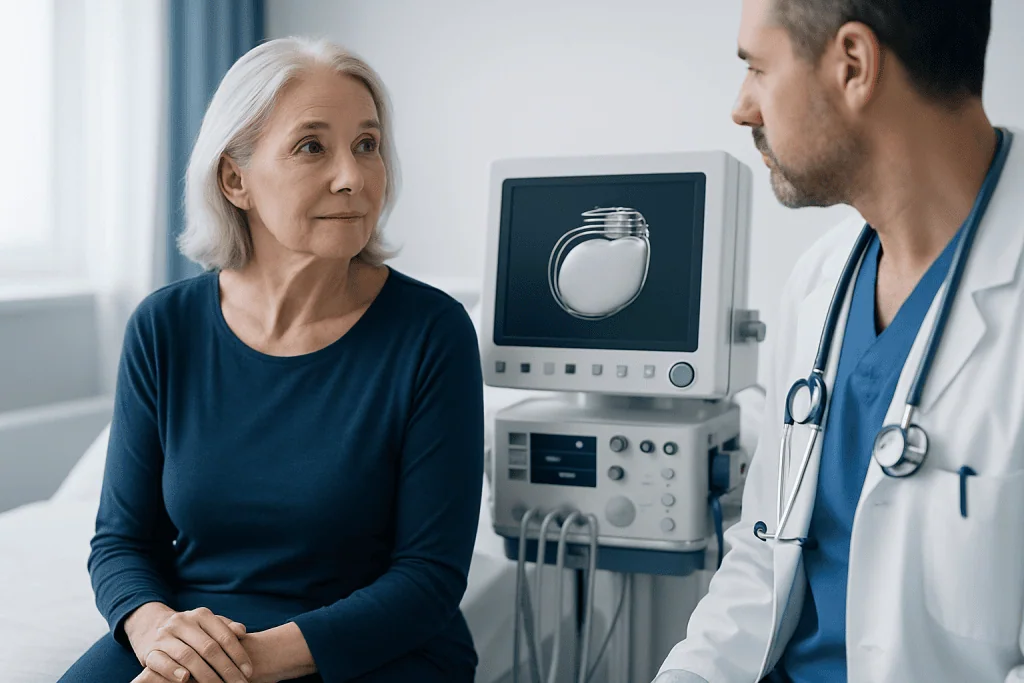
The most common reason for implanting an ICD is to reduce the risk of sudden cardiac death in people who are vulnerable to dangerous ventricular arrhythmias. These rhythms include ventricular tachycardia and ventricular fibrillation, which can prevent the heart from pumping enough blood to the body. In these situations, treatment must happen within seconds to minutes.
Some people receive an ICD after surviving a cardiac arrest or a documented episode of sustained ventricular tachycardia. This is often called secondary prevention because the device is placed after a serious rhythm event has already occurred. Others may receive an ICD before such an event happens because testing shows a high risk due to advanced heart failure, previous heart attack damage, cardiomyopathy, or certain genetic syndromes. This is called primary prevention.
Examples of conditions that may increase ICD consideration include reduced ejection fraction, ischemic cardiomyopathy, dilated cardiomyopathy, hypertrophic cardiomyopathy, long QT syndrome, Brugada syndrome, and some forms of sarcoidosis or congenital heart disease. Not every person with these conditions needs a device; doctors weigh the likely benefit against age, overall health, symptoms, and expected quality of life.
In some patients with heart failure and electrical dyssynchrony, a specialized device may combine defibrillation with coordinated pacing of both ventricles. This is called cardiac resynchronization therapy with defibrillator support, and it may be discussed alongside broader cardiology evaluation and treatment when symptoms and test results suggest it could help.
Symptoms and warning signs linked to dangerous heart rhythms
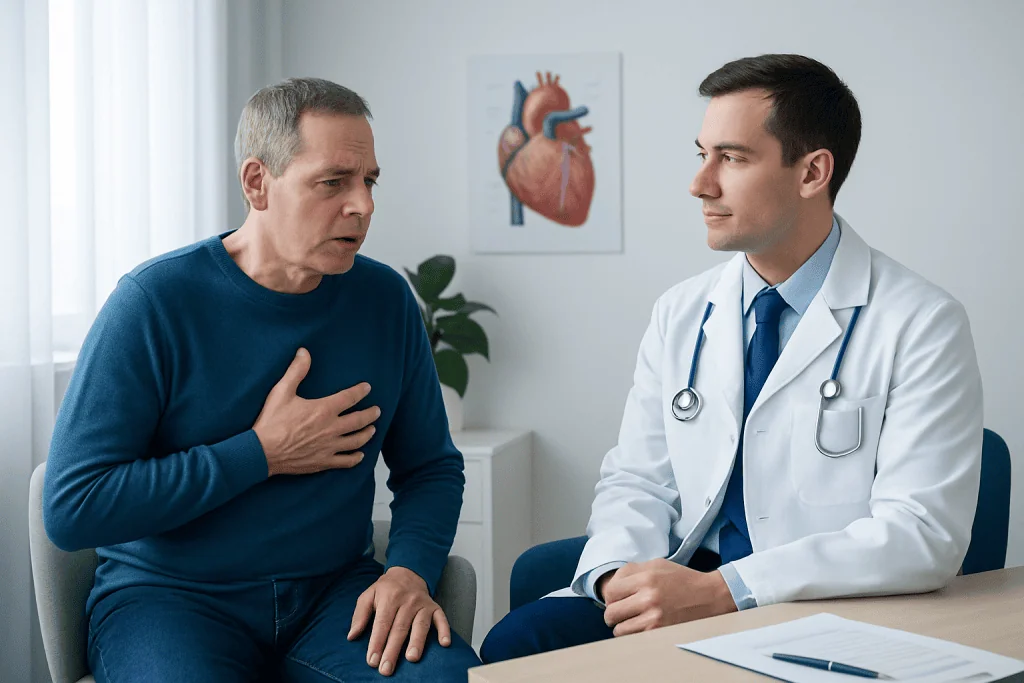
Many people do not feel a dangerous rhythm before it becomes severe, which is one reason preventive treatment can matter. Others may notice warning symptoms that suggest the heart is beating too fast or not pumping effectively. These symptoms can be brief or sudden, and they should never be ignored in someone with known heart disease.
Possible symptoms include palpitations, dizziness, unexplained fainting, near-fainting, shortness of breath, chest discomfort, sudden weakness, and a racing heartbeat. In more serious episodes, a person may collapse or become unresponsive. These symptoms do not always mean a life-threatening rhythm is present, but they need medical assessment.
People who already have an ICD may feel a fast fluttering sensation before the device treats the rhythm. Some describe the shock, if delivered, as sudden and strong. Others may not remember the event clearly, especially if they briefly lose consciousness. Repeated shocks, chest pain, or severe breathlessness should prompt urgent medical attention.
An ICD can treat some dangerous ventricular rhythms, but it does not prevent every possible heart emergency. It also does not fix blocked coronary arteries, valve disease, or all causes of fainting. For this reason, symptoms should still be evaluated even when a device is in place.
Causes and risk factors doctors look for
Doctors recommend an ICD based on the risk of dangerous ventricular arrhythmias rather than on symptoms alone. A major risk factor is damage to the heart muscle after a heart attack, which can leave scar tissue that disrupts normal electrical pathways. Another common factor is cardiomyopathy, where the heart muscle becomes enlarged, stiff, or weak.
Heart failure with reduced pumping strength is a particularly important reason for evaluation. In some people, the risk comes from inherited conditions that affect the heart’s electrical system even when the heart structure appears fairly normal. Family history of sudden death at a young age can be an important clue and may lead to specialist testing.
Other possible contributors include myocarditis, congenital heart disease, infiltrative diseases, severe electrolyte disturbances, and some medication effects. Doctors also consider whether the abnormal rhythm may be reversible. For example, if a rhythm problem occurred because of a temporary trigger, an ICD may not be the first or best long-term step.
Because arrhythmia risk is not the same as overall heart risk, the decision requires careful individualized assessment. A person with occasional benign extra beats may not need a device, while another with few symptoms but substantial heart muscle damage may benefit significantly from one.
How diagnosis and ICD evaluation are done
Evaluation usually begins with a detailed review of symptoms, prior heart problems, medications, and family history. Doctors often ask about fainting, episodes of fast heartbeat, previous heart attacks, heart failure, and any relatives who had sudden unexplained death. This information helps identify whether the main concern is a ventricular arrhythmia and how high the overall risk may be.
Tests commonly include an electrocardiogram, ambulatory rhythm monitoring such as a Holter monitor, blood tests, and heart imaging. Echocardiography is especially important because it measures heart structure and pumping strength. Depending on the situation, doctors may also use stress testing, cardiac MRI, coronary imaging, or an electrophysiology study to better define the rhythm problem.
The goal is not only to decide whether an ICD is appropriate, but also to identify treatable causes. Some patients need medication adjustments, treatment of coronary artery disease, or management of sleep apnea or thyroid disease. Others may need more advanced assessment through electrophysiology evaluation to understand how the heart’s electrical system is behaving.
If an ICD is recommended, the care team will explain the type of device, expected benefits, limitations, possible complications, and follow-up plan. Shared decision-making is important because the choice should reflect both medical evidence and the patient’s preferences and goals.
Treatment options, implantation, and life with the device
ICD implantation is usually performed in a hospital procedure room or operating setting with monitoring and anesthesia support as needed. Traditional transvenous ICDs are placed under the skin with leads guided through a vein into the heart. In selected people, a subcutaneous ICD may be used, which avoids leads inside the heart and blood vessels but is not suitable for every rhythm need.
After implantation, the device is programmed to detect specific heart rhythm patterns and respond only when needed. Doctors can adjust these settings over time to reduce unnecessary therapies while maintaining protection. Follow-up checks are essential and may occur in person, remotely, or both.
Medication often remains part of treatment even after an ICD is placed. Drugs can help control arrhythmias, reduce the frequency of shocks, and treat the underlying heart condition. Some patients may also benefit from catheter ablation if recurrent ventricular tachycardia or other rhythm disturbances continue despite medicines and device therapy.
Most people can return to many normal activities after recovery, but they receive guidance on driving, exercise, work, and travel. Certain devices and strong electromagnetic fields can interfere with ICD function, so patients are taught practical precautions. Near the end of the care journey, centers such as Acibadem International can provide multidisciplinary assessment and treatment for international patients through JCI-accredited hospitals.
Prevention, self-care, and device follow-up
An ICD lowers risk from sudden dangerous rhythms, but it works best as part of a broader heart health plan. Patients are usually advised to take medications exactly as prescribed and attend all follow-up appointments. Remote monitoring, when available, can help clinicians detect rhythm events, battery status changes, or lead issues earlier.
Healthy lifestyle steps also matter. These may include avoiding tobacco, limiting alcohol if advised, maintaining a heart-healthy eating pattern, staying physically active within the doctor’s recommendations, and managing blood pressure, diabetes, cholesterol, and sleep quality. For people with heart failure, tracking weight and swelling may also be important.
Patients should carry device identification and inform healthcare professionals before procedures or imaging studies. Many common appliances are safe when used normally, but some industrial equipment, anti-theft systems, and certain medical procedures may require caution. The care team will explain any device-specific restrictions.
It can also help to discuss emotional adjustment. Some people feel anxious about the possibility of a shock or worry about resuming everyday activities. Clear education, routine follow-up, and support from family, cardiac rehabilitation, or counseling can make living with an ICD feel more manageable and predictable.
When to seek medical care
Medical advice should be sought promptly for new palpitations, unexplained fainting, near-fainting, increasing shortness of breath, chest discomfort, or a sensation that the heart is racing or pounding. These symptoms do not always mean a life-threatening arrhythmia, but they should be assessed, especially in anyone with known heart disease or a family history of sudden cardiac death.
Emergency care is important if a person collapses, has chest pain that does not quickly improve, has severe breathing difficulty, or receives multiple ICD shocks in a short time. A single shock followed by complete recovery may still need same-day or next-day review, depending on the advice from the treating team. If the person feels unwell after a shock, urgent assessment is the safest approach.
People with an ICD should also contact their doctor if the device site becomes red, swollen, painful, warm, or starts to drain fluid, as these can be signs of infection or irritation. Hiccups, twitching in the chest or abdomen, or a new awareness of device movement should also be reported because they may suggest a lead or pocket issue.
For ongoing rhythm concerns, doctors may consider additional testing or treatments such as pacemaker and device-based rhythm management in selected situations. Early review helps the team decide whether symptoms are due to arrhythmia, device function, medications, or another heart problem entirely.
Frequently asked questions
What is the difference between an ICD and a pacemaker?
A pacemaker mainly treats heart rhythms that are too slow, helping the heart beat at a safer rate. An ICD is designed primarily to detect and treat dangerous fast rhythms from the lower chambers of the heart, although some devices also include pacemaker functions.
Does an ICD cure an abnormal heart rhythm?
An ICD does not cure the underlying cause of arrhythmia. It monitors the heart continuously and can treat certain dangerous rhythms when they happen, while other treatments may still be needed for the heart condition itself.
Can a person live a normal life with an ICD?
Many people return to work, travel, and routine daily activities after recovery from implantation. Life with an ICD usually includes regular follow-up, attention to medications, and some precautions around specific medical procedures or strong electromagnetic exposures.
What does an ICD shock feel like?
People describe it differently, but many say it feels like a sudden strong jolt or thump in the chest. Some are briefly unconscious during the event and may not remember the shock clearly afterward.
Are there risks or complications with ICD implantation?
As with any implant procedure, there can be risks such as bleeding, infection, lead problems, or discomfort at the implant site. Over time, inappropriate shocks or device-related issues can also occur, which is why regular follow-up is important.
Will an ICD prevent every heart emergency?
No. An ICD is very helpful for certain life-threatening ventricular arrhythmias, but it does not treat all causes of chest pain, fainting, or worsening heart failure. New or severe symptoms still need prompt medical evaluation.
This article is for general information only and is not a substitute for professional medical advice. Please consult a qualified doctor about your individual situation.
Heart care in Turkey — expert evaluation and treatment
JCI-accredited · board-certified surgeons · reply within 24h
Add us as a Preferred Source to see more of our trusted health content across Google Search, AI Overviews and Discover.

More from the Health Library

Gingival Abscess — Explained by Medical Evidence, Not Myths

Kinesio Tape Plantar: A Complete Medical Overview

Pelvic Exam: A Complete Medical Overview
Waist to Hip Ratio: An Evidence-Based Guide for Patients

Paramedic: What Patients Need to Know