Idiopathic Intracranial Hypertension: How Brain Pressure Affects Vision

Idiopathic intracranial hypertension means raised pressure around the brain without a clear structural cause. Common symptoms include headache, temporary visual dimming, blurred vision, ringing in the ears, and nausea.
Key Takeaways
- Idiopathic intracranial hypertension means raised pressure around the brain without a clear structural cause.
- Common symptoms include headache, temporary visual dimming, blurred vision, ringing in the ears, and nausea.
- Papilledema, or swelling of the optic nerve, is an important sign because ongoing pressure can damage vision.
- Diagnosis usually involves an eye exam, brain imaging, and a lumbar puncture to measure pressure and rule out other causes.
- Treatment may include weight management, medicines that lower cerebrospinal fluid pressure, and sometimes surgery when vision is at risk.
- Regular follow-up with eye and neurology specialists is important to monitor symptoms and protect long-term vision.
Idiopathic intracranial hypertension is a condition in which pressure inside the skull becomes too high without another obvious explanation such as a tumor or infection. It can affect vision as well as cause headaches, and early evaluation is important to help protect sight.
Overview
Idiopathic intracranial hypertension, often shortened to IIH, is a condition in which pressure inside the skull is higher than normal, but no clear cause is found on standard evaluation. The term “idiopathic” means the exact reason is not fully known. This pressure involves the fluid that surrounds the brain and spinal cord, called cerebrospinal fluid.
IIH is especially important in neuroophthalmology because it can affect the optic nerves, which carry visual information from the eyes to the brain. Increased pressure may lead to papilledema, a swelling of the optic nerve head seen during an eye examination. If the pressure remains high for too long, it can gradually injure the optic nerve and lead to lasting vision loss.
Many people with IIH experience headaches, but the condition is not simply a headache disorder. Visual symptoms may be subtle at first, such as brief episodes of dimming vision or blurred sight, which is why proper evaluation matters. With timely diagnosis and treatment, many people can control symptoms and reduce the risk of permanent visual damage.
Symptoms
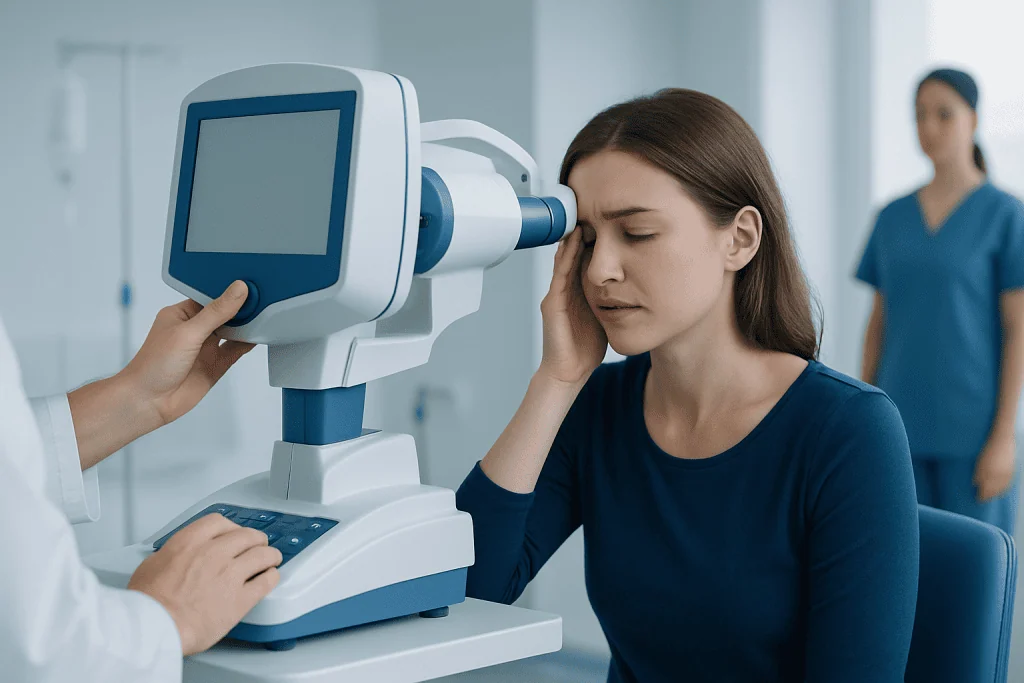
Symptoms of idiopathic intracranial hypertension can vary from person to person. Headache is one of the most common complaints and may be daily, pressure-like, or worse when lying down, coughing, or straining. Some people also feel nausea, dizziness, or neck and shoulder discomfort.
Vision-related symptoms are a major concern. A person may notice blurred vision, episodes of temporary vision blackout lasting a few seconds, double vision, reduced side vision, or trouble seeing clearly during physical effort or changes in posture. These symptoms may come and go early in the condition, which can make them easy to overlook.
Another common symptom is pulsatile tinnitus, often described as a whooshing or heartbeat-like sound in the ears. This can be especially noticeable at night or in quiet settings. Some people also become more sensitive to light or have difficulty concentrating because of ongoing headache and visual discomfort.
- Frequent or persistent headaches
- Blurred or dimmed vision
- Brief episodes of vision loss
- Double vision
- Pulsatile tinnitus
- Nausea or dizziness
Causes and Risk Factors

The exact cause of IIH is not fully understood. Specialists believe it may involve an imbalance in how cerebrospinal fluid is produced, circulated, or absorbed, leading to increased pressure around the brain. By definition, no mass, bleeding, or other obvious structural problem explains the pressure rise.
IIH is more often diagnosed in women of childbearing age, particularly in people living with overweight or obesity. Weight is a recognized risk factor, although IIH can also occur in people outside this group, including men, children, and individuals with a body weight considered average. Because risk is not limited to one profile, symptoms should always be taken seriously.
Some medicines and medical conditions can be associated with raised intracranial pressure or a syndrome that resembles IIH, so doctors carefully review a patient’s history. These may include certain vitamin A-related medications, tetracycline-class antibiotics, steroid withdrawal, hormonal factors, sleep apnea, and endocrine conditions. The goal of evaluation is to confirm true idiopathic intracranial hypertension and exclude other causes of increased brain pressure.
How Brain Pressure Affects Vision
Vision is affected because increased intracranial pressure is transmitted to the optic nerves. This can cause papilledema, meaning swelling at the point where the optic nerve enters the back of the eye. Swelling can interfere with the nerve’s function and may reduce visual clarity, contrast, and peripheral vision.
At first, visual changes may be temporary. A person might stand up, bend over, or cough and then briefly notice gray-out or blackout of vision. As pressure continues, blind spots may enlarge, side vision may narrow, and central vision can also become affected in more advanced cases.
Double vision can happen when high pressure affects the sixth cranial nerve, which helps control eye movement. This may make the eyes feel misaligned and can be especially noticeable when looking to the side. Because vision loss from IIH can become permanent if not addressed, regular eye examinations and visual field testing are central to care.
Neuroophthalmologists often help distinguish IIH from other optic nerve conditions that may also cause swelling or visual change. In some cases, doctors consider related evaluations for disorders that can mimic optic nerve problems, such as optic neuritis or other causes of papilledema, before confirming the diagnosis.
Diagnosis
Diagnosis of idiopathic intracranial hypertension usually involves several steps. The process begins with a detailed medical history and physical examination, including questions about headache pattern, medications, weight changes, and visual symptoms. A comprehensive eye examination is essential to look for papilledema, measure visual acuity, and assess eye movements.
Visual field testing is often performed to detect subtle loss of side vision that may not yet be obvious in daily life. Doctors may also use optical coherence tomography, a noninvasive eye imaging test that helps measure swelling around the optic nerve and monitor changes over time. These tests are useful not only at diagnosis but also during follow-up.
Brain imaging, typically MRI and often MR venography, is used to rule out other serious causes of raised intracranial pressure, such as masses, clotting in the brain’s venous sinuses, or structural abnormalities. After imaging has excluded conditions that would make it unsafe, a lumbar puncture may be done to measure the opening pressure of cerebrospinal fluid and analyze the fluid for other disorders. This combination of eye findings, imaging, and lumbar puncture results helps confirm IIH.
Because accurate diagnosis matters, patients may be assessed by neurology, neuroophthalmology, radiology, and sometimes neurosurgery teams. Advanced evaluation may include MRI imaging when doctors need a detailed view of the brain and surrounding structures.
Treatment Options
Treatment aims to lower intracranial pressure, relieve symptoms, and most importantly protect vision. The best approach depends on how severe the symptoms are, how much papilledema is present, and whether visual function is stable or worsening. Follow-up is often tailored to the individual, with more frequent visits when vision is at higher risk.
Weight management is a key part of treatment for many patients, especially when excess body weight is a contributing factor. Even modest, medically guided weight reduction can improve symptoms and lower pressure in some people. Doctors may also prescribe medications that reduce cerebrospinal fluid production, commonly carbonic anhydrase inhibitors, and in some cases other medicines to help with headache management.
If vision is rapidly worsening or symptoms do not improve enough with medical treatment, procedures may be considered. These can include lumbar puncture in selected circumstances for short-term relief, optic nerve sheath fenestration to protect vision, or shunt surgery to divert cerebrospinal fluid. In certain patients, weight-loss procedures may be discussed as part of a broader long-term plan, such as bariatric surgery when clinically appropriate.
Some patients benefit from a multidisciplinary care plan that combines eye care, neurology, headache management, nutrition support, and sleep evaluation. When surgery is needed, options may be reviewed with specialists in neurosurgery or ophthalmic surgery depending on the main goal of treatment.
Prevention and Self-care
There is no guaranteed way to prevent idiopathic intracranial hypertension, but some steps may help reduce risk or support treatment. For people advised to lose weight, a gradual, sustainable plan with professional guidance is usually more effective and safer than rapid dieting. Regular follow-up is important even when symptoms improve, because papilledema and visual field changes can recur.
Patients can help by tracking headaches, visual episodes, and medication effects in a diary. This record may make it easier for the care team to see patterns and adjust treatment. It is also useful to report any new medicines, supplements, or major weight changes, since these factors may affect symptoms or evaluation.
Good self-care also includes protecting overall health. Managing sleep problems, staying physically active within medical advice, and following a balanced eating pattern may support recovery. People should avoid stopping prescribed medicines on their own and should attend scheduled eye tests, since vision changes are not always obvious in daily activities.
When to See a Doctor
A doctor should evaluate persistent headaches that are new, worsening, or different from usual, especially when they occur with blurred vision, brief visual blackouts, double vision, or a whooshing sound in the ears. Prompt assessment is especially important if symptoms are progressing over days or weeks. Early care can help identify the cause and reduce the risk of lasting vision problems.
Urgent medical attention is needed if there is sudden or severe vision loss, rapidly increasing double vision, severe headache with vomiting, confusion, weakness, or other neurological symptoms. These signs can have causes other than IIH and should not be ignored. It is safest to seek emergency care when symptoms are acute or severe.
People already diagnosed with IIH should keep regular appointments even if they feel better, because optic nerve swelling may change before the patient notices visual decline. Near the end of the care pathway, some individuals may choose assessment at centers with coordinated eye and brain care; Acibadem International’s multidisciplinary specialists in JCI-accredited hospitals diagnose and treat this condition for international patients.
Frequently asked questions
Is idiopathic intracranial hypertension a brain tumor?
No. IIH means pressure inside the skull is elevated without a tumor or another clear structural cause found on evaluation. Brain imaging is still important because doctors must rule out other conditions that can also raise pressure.
Can idiopathic intracranial hypertension cause permanent vision loss?
Yes, it can if high pressure damages the optic nerves over time. However, with timely diagnosis, regular monitoring, and appropriate treatment, many people can preserve vision and reduce the risk of lasting damage.
What does papilledema mean?
Papilledema is swelling of the optic nerve head caused by increased pressure around the brain. It is an important sign because it can indicate that the optic nerve is under stress and that vision needs close monitoring.
Does losing weight help IIH?
For many patients, especially when excess body weight is a contributing factor, medically guided weight loss can improve symptoms and reduce intracranial pressure. The best plan is individualized and should be discussed with a doctor or dietitian.
Why is a lumbar puncture used in diagnosis?
A lumbar puncture helps measure the pressure of cerebrospinal fluid and allows the fluid to be checked for signs of infection, inflammation, or other conditions. It is usually done after brain imaging has shown that the procedure is appropriate and safe.
Are headaches from IIH always severe?
Not always. Some people have daily pressure-like headaches, while others may have milder or more variable pain. The seriousness of IIH is not judged by headache alone, because vision can be affected even when headache symptoms are limited.
References
- National Eye Institute
- National Institute of Neurological Disorders and Stroke
- American Academy of Ophthalmology
- UpToDate
- Mayo Clinic
This article is for general information only and is not a substitute for professional medical advice. Please consult a qualified doctor about your individual situation.
Hypertension in Turkey — costs, top hospitals & a free quote
JCI-accredited · board-certified surgeons · reply within 24h
Add us as a Preferred Source to see more of our trusted health content across Google Search, AI Overviews and Discover.

More from the Health Library



Related Specialists

Dr. Semavi Ulusoy
Gynecology & Obstetrics
Dr. Yelda Başbuğ
Pulmonology
Dr. M. Mümtaz Özarar
Breast Clinic Clinical Service
Prof. Dr. Faik Acar Koç
Perinatology & High Risk Pregnancies