Imaging Test Costs: What Affects the Price of MRI, CT, Ultrasound, and Mammography

MRI, CT, ultrasound, and mammography have different cost ranges because they use different technology and resources. The body area, scan complexity, and use of contrast material can increase the overall price.
Key Takeaways
- MRI, CT, ultrasound, and mammography have different cost ranges because they use different technology and resources.
- The body area, scan complexity, and use of contrast material can increase the overall price.
- Hospital-based imaging may cost more than outpatient centers, but the most appropriate setting depends on medical needs.
- Radiologist interpretation, consultation fees, and follow-up tests may or may not be included in a quoted price.
- Patients can often reduce surprises by asking what the estimate includes before booking the scan.
Imaging test costs can differ widely, even for the same type of scan. The final price usually depends on the imaging method, the body part examined, whether contrast is needed, the facility, and local healthcare pricing.
Overview: Why Imaging Test Costs Vary
Imaging tests help doctors look inside the body without surgery. Common examples include MRI, CT, ultrasound, and mammography. These tests are used for many reasons, such as investigating symptoms, confirming a diagnosis, screening for disease, or guiding treatment decisions.
The cost of an imaging test is rarely based on one factor alone. A quoted price may reflect the type of technology used, the complexity of the scan, how long it takes, whether a specialist interprets the images, and where the test is performed. In some settings, the estimate may also include facility charges, nursing support, or pre-scan preparation.
Even within the same city, prices may differ between a hospital, a private imaging center, and a clinic. This does not always mean one option is better than another. The most suitable choice depends on the patient’s medical needs, urgency, and whether additional support is required during the test.
How MRI, CT, Ultrasound, and Mammography Differ in Cost
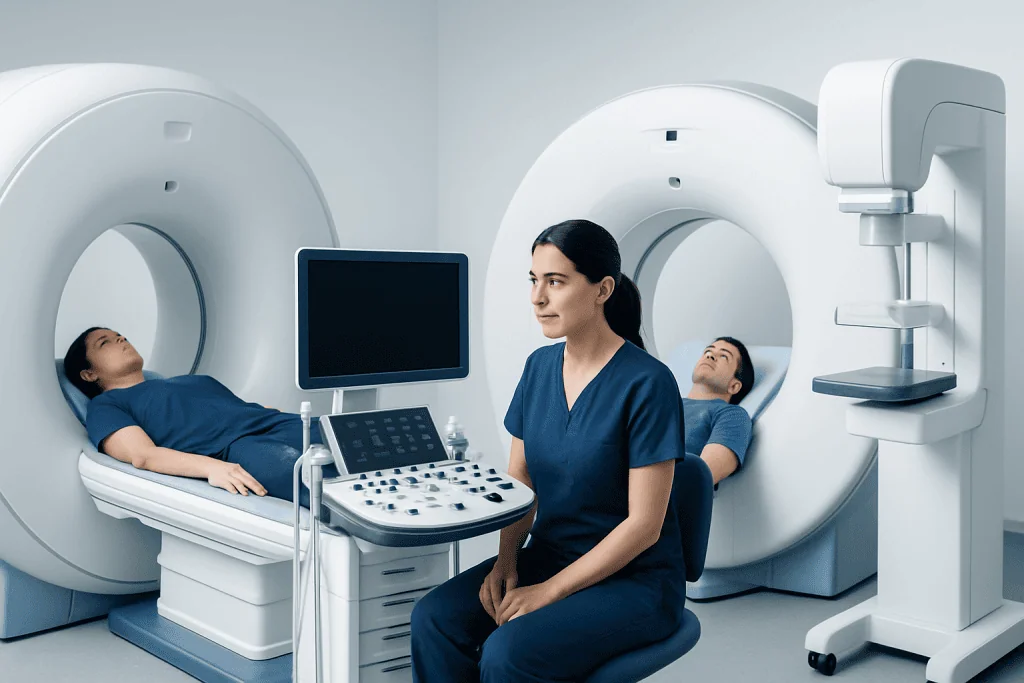
Each imaging method uses a different type of technology, which is one of the main reasons costs vary. MRI uses a powerful magnet and detailed computer processing to create images, often making it one of the more expensive imaging tests. CT uses X-rays and advanced software to produce cross-sectional images and is also often priced higher than basic imaging because of the equipment and expertise involved.
Ultrasound usually costs less than MRI or CT because it uses sound waves, is widely available, and often takes less time. Mammography, which is mainly used to examine breast tissue, may be less costly than MRI or CT in many settings, especially when it is used as a routine screening test rather than a more complex diagnostic study.
The cost also depends on the purpose of the scan. A straightforward screening mammogram may be priced differently from a diagnostic mammogram that includes extra views. Likewise, a limited ultrasound may cost less than a detailed examination, and a simple CT may cost less than a multiphase scan.
- MRI often costs more because of longer scan times and complex equipment.
- CT prices may increase when multiple image phases or contrast are needed.
- Ultrasound is often more affordable but still varies by body area and complexity.
- Mammography costs may differ between screening and diagnostic exams.
Main Factors That Affect the Final Price

The body part being examined is a major factor. Imaging a small, straightforward area may cost less than imaging a larger or more complex region. For example, scans involving the brain, heart, abdomen, pelvis, or multiple body regions may require more time, more images, or more specialized interpretation.
Contrast material can also raise the total cost. Some MRI and CT scans are done with contrast to highlight blood vessels, inflammation, tumors, or organ structures more clearly. When contrast is used, there may be extra charges for the material itself, staff time, and monitoring before or after the scan.
Another common cost factor is the level of urgency. A routine outpatient test scheduled in advance may cost less than an urgent or emergency scan performed in a hospital. Additional services such as sedation, repeat imaging, or special positioning equipment can further affect the total.
In some cases, the quoted price covers only the scan itself. In others, it may include image interpretation by a radiologist, a written report, and digital copies of the results. Asking exactly what is included can help patients compare estimates more accurately.
Facility, Location, and Professional Fees
Where the scan is performed often has a direct effect on the price. Hospital imaging departments may have higher overhead costs and may care for more complex patients, which can influence charges. Independent outpatient imaging centers may offer lower prices for certain routine scans, especially when no emergency support or hospital admission is needed.
Geographic location matters as well. Imaging costs can vary between countries, regions, and even neighborhoods. Local labor costs, equipment maintenance, regulatory requirements, and healthcare system structures all play a part in the final amount a patient is asked to pay.
Professional fees should also be considered. The scan itself is only one part of the service. A radiologist must review the images and prepare a report, and in some cases another specialist may also interpret the findings. Depending on the facility, these fees may be bundled together or billed separately.
Patients who are traveling for care may want to ask whether the estimate includes consultation, translation support, image copies, and follow-up communication. Near the end of the care journey, patients may also benefit from coordinated review with specialties such as MRI services or CT imaging when a doctor recommends them.
What Can Increase Costs Before or After the Scan
The listed price for an imaging test may not always reflect the entire episode of care. Some patients need a medical consultation before the scan to decide which test is most appropriate. Others may need blood tests beforehand, particularly if contrast is planned and kidney function needs to be assessed.
Costs can also rise when extra images are required. If the first set of images does not answer the clinical question clearly, the doctor may recommend another view, a different imaging method, or a repeat study at a later time. This is not uncommon and may simply reflect the need for more detail rather than a serious finding.
After the scan, there may be additional expenses for specialist appointments, biopsy, or treatment planning if an abnormality is found. For example, mammography may lead to ultrasound or other breast imaging, and abdominal ultrasound might be followed by CT or MRI depending on the results. Imaging is often one step in a larger diagnostic pathway.
For this reason, it helps to think beyond the base price alone. Understanding what may happen before and after the test can give a more realistic picture of total healthcare costs and reduce unexpected bills.
How to Compare Imaging Prices Wisely
Price matters, but it should be weighed alongside medical appropriateness and quality. A lower-cost scan is not always the best option if it does not provide the information the doctor needs. The right test, done at the right time and interpreted by qualified professionals, can help avoid delays, repeat scans, and unnecessary worry.
When comparing quotes, patients may find it helpful to ask a few practical questions. These include whether the estimate covers the radiologist’s report, whether contrast is included, whether the price changes for urgent scheduling, and when results will be available. It is also reasonable to ask whether a less expensive but clinically suitable alternative exists.
Patients can also ask about preparation requirements, cancellation policies, and whether previous images can be used for comparison. In some cases, bringing older scans may help avoid duplication. If a breast or abdominal concern is being evaluated, doctors may consider options such as ultrasound imaging or mammography depending on the clinical need.
- Ask for a written estimate whenever possible.
- Check whether professional and facility fees are separate.
- Confirm if contrast, sedation, or extra views would cost more.
- Find out when results and reports will be delivered.
- Discuss with a doctor which imaging test best fits the medical question.
Insurance, Self-Pay, and International Patient Considerations
For insured patients, out-of-pocket cost depends not only on the scan price but also on the health plan. Deductibles, co-payments, prior authorization rules, and provider networks can all affect what the patient ultimately pays. A scan may be medically necessary but still require pre-approval before coverage applies.
Self-pay patients often benefit from requesting a detailed cost breakdown in advance. Some facilities offer package pricing for common imaging tests, while others bill each component separately. Knowing this ahead of time can make budgeting easier and reduce confusion later.
International patients may need extra coordination, especially if they are arranging imaging while traveling. It may be useful to ask about language support, how quickly reports can be shared with doctors at home, and whether digital image files can be provided in standard formats. These practical details can be as important as the listed price.
For patients seeking cross-border care, Acibadem International’s multidisciplinary specialists and JCI-accredited hospitals diagnose and treat a wide range of conditions for international patients, including coordinating imaging when it is medically appropriate.
When to Ask a Doctor for Guidance
Choosing an imaging test is a medical decision as well as a financial one. A doctor can help determine whether imaging is needed, which test is most suitable, and whether timing is urgent. This is especially important when symptoms are new, persistent, or unclear.
Medical advice is also valuable if a patient is unsure why one type of scan costs more than another. In some situations, a less expensive test may be enough. In others, a more detailed study may save time by providing clearer answers from the start.
If a patient has concerns about contrast allergy, claustrophobia, pregnancy, implants, kidney disease, or difficulty remaining still, these should be discussed before booking the exam. Such factors may affect both safety and cost because they can change how the scan is performed.
Clear communication can help patients make informed decisions. Asking both the referring doctor and the imaging provider for explanation is a sensible step when cost, quality, and timing all matter.
Frequently asked questions
Why is an MRI usually more expensive than an ultrasound?
MRI generally uses more complex equipment, takes longer, and often requires more detailed image processing than ultrasound. Ultrasound uses sound waves and is commonly faster and less resource-intensive, which often makes it more affordable.
Does using contrast make a scan cost more?
Yes, contrast can increase the cost of MRI or CT imaging. The additional charge may reflect the contrast material itself, staff time, and any preparation or monitoring needed around the test.
Are hospital imaging tests always more expensive than outpatient centers?
Not always, but hospital-based imaging often has higher facility costs. Outpatient centers may offer lower prices for routine scans, while hospitals may be more appropriate for urgent needs or patients who require additional medical support.
Is the radiologist's report included in the quoted price?
Sometimes it is, but not always. Patients should ask whether the estimate includes image interpretation, the written report, and any follow-up consultation so they can compare prices fairly.
Can a cheaper imaging test replace a more expensive one?
In some cases, yes, but only if it answers the medical question properly. The right choice depends on symptoms, the body area being examined, and what the doctor needs to see clearly.
What should patients ask before scheduling an imaging test?
Helpful questions include what the price covers, whether contrast is included, how long the test will take, and when results will be ready. It is also wise to ask if there are any additional costs for urgent appointments, extra images, or sedation.
This article is for general information only and is not a substitute for professional medical advice. Please consult a qualified doctor about your individual situation.
Ultrasound in Turkey — costs, top hospitals & a free quote
JCI-accredited · board-certified surgeons · reply within 24h
Add us as a Preferred Source to see more of our trusted health content across Google Search, AI Overviews and Discover.

Check-up & Preventive Medicine
Comprehensive health screenings designed for early detection and prevention.
1 specialists in this unitMore from the Health Library

Ultrasound Imaging: Abdomen, Pelvis, Thyroid, and Pregnancy Uses

Doppler Ultrasound: Checking Blood Flow in Veins and Arteries

Diagnostic Criteria for PTSD: How F43.1 Is Diagnosed

Biopsy: Types, Image Guidance, and What Pathology Results Mean

How Doctors Choose the Right Imaging Test for Symptoms