

In pregnancy urine color: A Complete Medical Guide for Patients

Pale yellow urine is usually a sign of good hydration during pregnancy. Bright yellow urine is often related to prenatal vitamins, especially B vitamins.
Key Takeaways
- Pale yellow urine is usually a sign of good hydration during pregnancy.
- Bright yellow urine is often related to prenatal vitamins, especially B vitamins.
- Dark, amber, orange, red, brown, or cloudy urine may need medical assessment depending on other symptoms.
- Burning, fever, back pain, blood in urine, or reduced urination should not be ignored in pregnancy.
- A urine test can help identify dehydration, urinary tract infection, blood, protein, glucose, and other causes.
In pregnancy urine color can vary from pale yellow to brighter yellow, and many changes are harmless. Hydration, prenatal vitamins, and normal body changes are common reasons, but dark, red, cloudy, or foul-smelling urine can sometimes point to infection, dehydration, or other medical concerns.
Overview: what in pregnancy urine color usually means
In pregnancy urine color commonly changes, and in many cases the reason is simple: hydration level, vitamins, and normal hormonal shifts. For most pregnant patients, urine that is pale yellow to deeper yellow is within a normal range, especially if the shade changes from day to day.
The body works differently during pregnancy. Blood volume increases, the kidneys filter more fluid, and many patients start prenatal supplements. These factors can make urine look lighter, brighter, or occasionally darker than expected without indicating a serious problem.
Still, urine color can sometimes offer useful clues. Very dark urine may suggest dehydration, while cloudy urine, a strong odor, or discomfort with urination can raise concern for infection. Red, pink, cola-colored, or persistently orange urine deserves prompt medical advice because it may reflect blood, liver-related issues, medication effects, or significant fluid loss.
What colors can be normal during pregnancy
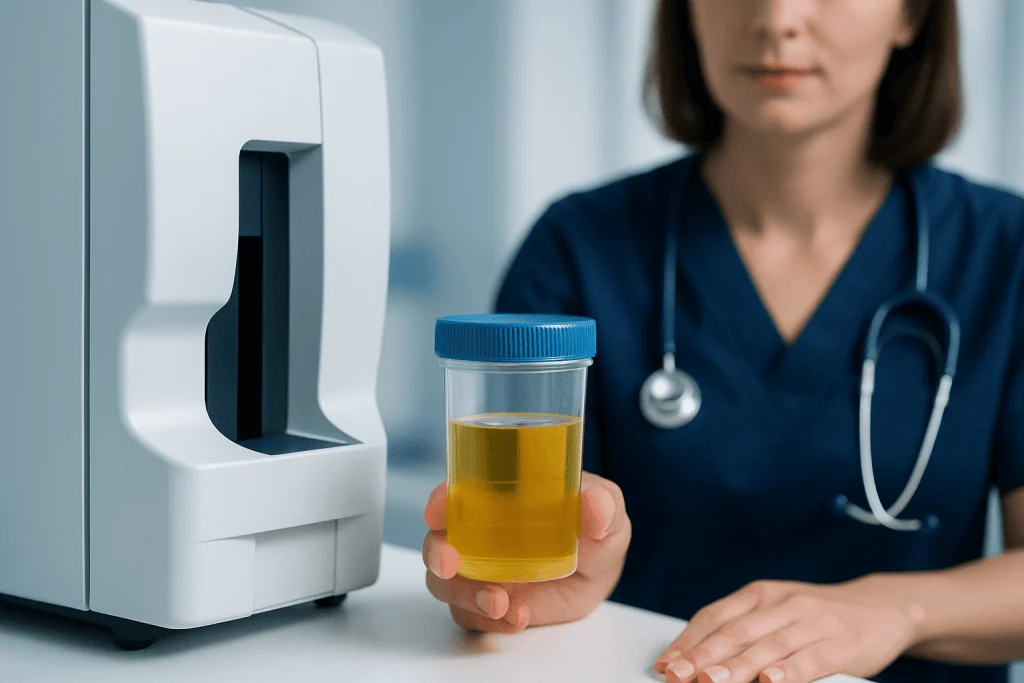
Normal urine color usually ranges from almost clear to light or medium yellow. The pigment responsible for the yellow tone is influenced by how concentrated the urine is. If a pregnant person drinks more water, urine often appears lighter. If fluid intake is lower, or there is more fluid loss from vomiting, sweating, or hot weather, urine may become darker.
Bright neon yellow is also common in pregnancy. This is often linked to prenatal vitamins, particularly riboflavin, a B vitamin that can make urine look vivid yellow or yellow-green. This change can be striking but is usually harmless when there are no other symptoms.
Urine can also seem slightly cloudy at times. Mild cloudiness may happen from concentrated urine, vaginal discharge mixing with the sample, or crystals in the urine. However, repeated cloudiness, especially when combined with burning, urgency, lower abdominal pain, or unusual odor, should be assessed because urinary infections are more common in pregnancy.
- Pale yellow: often well hydrated
- Darker yellow: commonly more concentrated urine
- Bright yellow: often related to prenatal vitamins
- Occasional mild cloudiness: may be benign, but symptoms matter
Colors that may signal a problem

Some urine colors in pregnancy are less typical and should be interpreted carefully. Dark amber or orange urine may occur with dehydration, especially if nausea and vomiting limit fluid intake. It can also be related to certain supplements or medicines. If the urine stays dark despite drinking fluids, or if there is itching, pale stools, or yellowing of the eyes or skin, a clinician should evaluate possible liver or bile-related causes.
Pink or red urine can happen after foods such as beets, but it may also mean blood in the urine. During pregnancy, blood may come from the urinary tract, kidneys, bladder irritation, infection, or less commonly stones. It can sometimes be difficult to tell whether blood comes from urine or vaginal bleeding, so medical review is important.
Brown or cola-colored urine may indicate severe dehydration, blood breakdown products, liver-related problems, or rarely muscle injury. Milky or markedly cloudy urine can suggest infection or pus in the urine. Any unusual color that lasts more than a short time, especially with pain, fever, swelling, headache, or decreased urine output, deserves professional attention.
Why urine color changes in pregnancy
The most common cause of urine color change in pregnancy is hydration status. Morning urine is often darker because it is more concentrated after sleep. Vomiting from nausea, reduced fluid intake, diarrhea, hot weather, and exercise can all deepen urine color.
Prenatal vitamins are another frequent reason. B vitamins often make urine look much brighter yellow than usual. Iron supplements do not usually change urine color as noticeably as they can affect stool color, but different products may contribute to color variation.
Medical causes are also possible. A urinary tract infection may cause cloudy urine, strong odor, burning, urgency, or pelvic discomfort. Kidney stones can lead to pink or red urine and significant pain. Liver and gallbladder conditions in pregnancy may darken urine, while protein in the urine can be linked with hypertensive disorders that need evaluation. Sometimes glucose or ketones in urine are also checked during pregnancy visits because they can reflect other health issues.
Diet and medications may contribute as well. Foods with strong natural pigments or food dyes can occasionally change urine color. Some prescription medicines can cause orange, red, or darker urine. A doctor or pharmacist can help determine whether a medication might be involved.
How doctors evaluate abnormal urine color
Assessment begins with a careful history. A clinician will usually ask when the color change started, whether it is constant or intermittent, how much fluid the patient is drinking, and whether there are associated symptoms such as burning, frequent urination, fever, nausea, flank pain, swelling, headache, or vaginal bleeding. Questions about diet, supplements, and medications are also important.
A urine dipstick or urinalysis is often the first test. It can check for blood, protein, glucose, ketones, white blood cells, nitrites, and concentration. If infection is suspected, a urine culture may be needed to identify the bacteria and guide treatment. These tests are commonly used in pregnancy because they are simple and can give helpful information quickly.
Depending on the findings, doctors may order blood tests to assess kidney function, hydration, liver health, or signs of infection. If there is severe pain or concern for obstruction, imaging may be recommended. If urinary symptoms suggest a more complex issue, evaluation may overlap with kidney stones or other urinary conditions.
Treatment and self-care depend on the cause
Treatment is guided by the underlying reason for the urine color change. If the main issue is mild dehydration, increasing fluid intake may return urine to a lighter yellow. Patients with vomiting in pregnancy may need more structured support if they cannot keep fluids down.
If a urinary infection is confirmed, doctors usually prescribe pregnancy-safe treatment to clear the infection and reduce the risk of complications. In some cases, additional evaluation is needed to rule out spread to the kidneys. For persistent urinary symptoms, clinicians may investigate with tests commonly used in urology care.
When blood, protein, or signs of kidney problems are present, care becomes more individualized. Management may involve closer monitoring of blood pressure, kidney function, and pregnancy health. If symptoms point toward a stone or another structural issue, a specialist may recommend imaging or supportive care. Pregnant patients should avoid self-prescribing remedies and should always check with a doctor before taking new medicines or supplements.
Near the end of the care pathway, some international patients seek coordinated evaluation in centers with obstetrics, internal medicine, laboratory services, and specialist support. Acibadem International’s multidisciplinary specialists and JCI-accredited hospitals diagnose and treat pregnancy-related urinary concerns for international patients when appropriate.
Prevention and healthy habits during pregnancy
Simple habits can help keep urine in a normal range and lower the chance of avoidable problems. Drinking fluids regularly is one of the most helpful steps. Water is usually the best choice, and urine that is consistently pale yellow often reflects good hydration.
Good bathroom habits also matter. Urinating when needed rather than holding urine for long periods may help reduce discomfort and lower infection risk. Wiping from front to back, urinating after sexual activity when advised, and following pregnancy care instructions can also support urinary health.
Patients can make it easier to notice changes by paying attention to patterns rather than a single urine sample. A brief color change after vitamins or first thing in the morning is often less concerning than a persistent abnormal color with symptoms. Routine prenatal visits are important because urine checks may identify concerns before they cause obvious symptoms.
- Drink fluids regularly unless a clinician has advised fluid restriction
- Take prenatal vitamins as directed and ask if a color change is expected
- Do not ignore burning, fever, or strong urgency
- Attend regular prenatal appointments and urine testing when recommended
When to seek medical care
A pregnant patient should contact a doctor promptly if urine is red, pink, brown, or persistently orange, or if it stays very dark despite drinking fluids. Medical review is also important for cloudy or foul-smelling urine accompanied by burning, urgency, pelvic pain, fever, or back pain, as these features may suggest infection.
Urgent assessment is especially important when urine changes come with reduced urination, severe vomiting, dizziness, swelling, severe headache, high blood pressure, yellowing of the skin or eyes, or vaginal bleeding. These symptoms may point to dehydration, kidney involvement, liver-related issues, or pregnancy conditions that need timely treatment.
If symptoms are significant, clinicians may coordinate care with obstetric and urinary specialists and, when needed, use services such as pregnancy follow-up or further urinary evaluation. It is safer to ask early than to wait if there is uncertainty, especially during pregnancy.
Frequently asked questions
Is bright yellow urine normal in pregnancy?
Yes, bright yellow urine is often normal in pregnancy, especially after taking prenatal vitamins. B vitamins can make urine appear much more vivid than usual. If there is no pain, fever, or other concerning symptom, this change is often harmless.
Does dark urine in pregnancy always mean dehydration?
Not always, but dehydration is one of the most common causes. Dark urine may also be linked to supplements, medications, or less commonly liver or urinary problems. If it stays dark despite drinking fluids or is accompanied by symptoms, it should be checked.
Can a urinary tract infection change urine color during pregnancy?
Yes. A urinary tract infection can make urine look cloudy, darker, or occasionally blood-tinged. It may also cause burning, frequent urination, urgency, lower abdominal discomfort, or fever. Because UTIs are important to treat during pregnancy, medical advice is recommended.
Is cloudy urine during pregnancy normal?
Cloudy urine can sometimes happen for simple reasons, such as concentrated urine or discharge mixing with the sample. However, if cloudiness is persistent or comes with pain, odor, fever, or urgency, infection should be considered. A urine test can help clarify the cause.
What does red or pink urine mean in pregnancy?
Red or pink urine can occasionally come from foods, but it may also indicate blood in the urine. Possible causes include infection, stones, irritation, or another urinary issue. Because it can be difficult to distinguish urine blood from vaginal bleeding, prompt medical assessment is important.
How can pregnant patients keep urine color in a healthy range?
Regular fluid intake is the main step, unless a doctor has given special fluid instructions. Many people aim for urine that is pale yellow most of the time. Keeping prenatal appointments and reporting new urinary symptoms early are also helpful.
References
- American College of Obstetricians and Gynecologists
- National Institute of Diabetes and Digestive and Kidney Diseases
- Mayo Clinic
- National Health Service
- World Health Organization
This article is for general information only and is not a substitute for professional medical advice. Please consult a qualified doctor about your individual situation.
Explore treatments in Turkey — costs, top hospitals & a free quote
JCI-accredited · board-certified surgeons · reply within 24h
Add us as a Preferred Source to see more of our trusted health content across Google Search, AI Overviews and Discover.

More from the Health Library



Related Specialists

Prof. Dr. E. Levent Elemen
Pediatric Surgery
Prof. Dr. Erdoğan Ertüngealp
Gynecology & Obstetrics
Dr. Etem Aytaç Yazar
Orthopedic Surgery & Traumatology
Prof. Dr. Murat Turfan
Cardiology