Infections That Mimic Stroke: When Neuroinfectious Diseases Specialists Get Involved

Certain infections can cause stroke-like symptoms such as weakness, facial droop, confusion, and speech problems. A true stroke and a brain infection can both be medical emergencies and require urgent hospital assessment.
Key Takeaways
- Certain infections can cause stroke-like symptoms such as weakness, facial droop, confusion, and speech problems.
- A true stroke and a brain infection can both be medical emergencies and require urgent hospital assessment.
- Neuroinfectious diseases specialists help when doctors suspect infections of the brain, spinal cord, or surrounding tissues.
- Diagnosis may involve brain imaging, blood tests, spinal fluid testing, and sometimes EEG or advanced infectious workup.
- Treatment depends on the cause and may include antivirals, antibiotics, antifungals, anti-inflammatory medicines, and supportive neurological care.
Some brain and nervous system infections can look very similar to a stroke, causing sudden weakness, trouble speaking, confusion, or changes in consciousness. Because treatment differs greatly, rapid evaluation is essential to identify whether symptoms are due to a blocked blood vessel, bleeding, or an infection affecting the brain.
Overview
Infections that mimic stroke are illnesses affecting the brain, spinal cord, or surrounding tissues that can produce sudden neurological symptoms similar to a stroke. A person may develop weakness on one side, trouble speaking, facial drooping, imbalance, confusion, or decreased alertness. These symptoms can look nearly identical to a stroke in the first hours, which is why emergency evaluation is so important.
Examples include encephalitis, meningitis with brain involvement, brain abscess, and certain viral, bacterial, fungal, or parasitic infections. Some infections directly inflame brain tissue, while others trigger swelling, blood vessel irritation, seizures, or metabolic changes that lead to stroke-like signs. In some cases, infection and stroke can even occur together, because severe infection may affect blood vessels or clotting.
Doctors aim to distinguish a true stroke from a stroke mimic as quickly as possible. This usually requires urgent imaging and careful examination. A patient may first be assessed by emergency physicians or stroke teams, then referred to neuroinfectious diseases specialists when the pattern suggests an infection of the nervous system rather than, or in addition to, a vascular event.
Symptoms That Can Resemble a Stroke
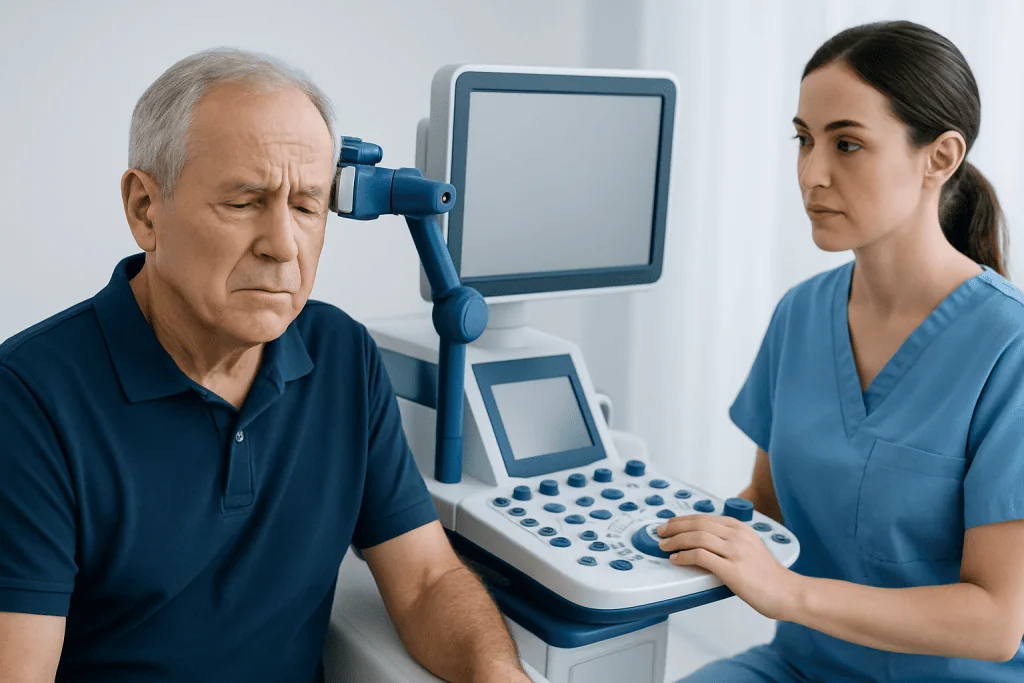
The most common stroke-like symptoms caused by infection are sudden weakness or numbness, speech difficulty, facial asymmetry, severe confusion, drowsiness, imbalance, and changes in vision. Some people may also develop severe headache, fever, neck stiffness, seizures, unusual behavior, or personality change. The presence of fever or altered mental status can raise suspicion for infection, but not everyone has these features early on.
Symptoms depend on which part of the nervous system is affected. Infection involving the brain tissue can cause focal deficits that look like a typical stroke. Infection affecting the lining around the brain may cause headache, neck stiffness, and sensitivity to light, but can also progress to confusion or weakness. A brain abscess may produce more localized symptoms, especially if swelling develops in one area of the brain.
Because the overlap is so significant, symptoms should never be dismissed as “just an infection” or “just fatigue.” Sudden neurological changes need emergency attention whether the cause turns out to be stroke, seizure, or infection. Rapid assessment improves the chance of timely and appropriate treatment.
- One-sided weakness or numbness
- Slurred speech or trouble finding words
- Facial drooping
- Sudden confusion or unusual sleepiness
- Severe headache
- Seizures
- Fever or chills
- Neck stiffness
Why Infections Can Look Like Stroke

The brain responds to infection in several ways that can create stroke-like symptoms. Inflammation can disrupt the function of specific brain regions, leading to weakness, speech changes, or sensory loss. Swelling may compress nearby tissue. Seizures triggered by infection can also leave temporary weakness afterward, a phenomenon that can strongly resemble stroke.
Some infections affect the blood vessels of the brain, causing inflammation known as vasculitis or vessel irritation that reduces blood flow. Others may increase pressure inside the skull or form pockets of pus, as in a brain abscess, producing focal neurological deficits. Severe systemic infection may also change blood pressure, clotting, or oxygen delivery, which can worsen neurological symptoms.
Conditions that may mimic stroke include viral encephalitis, bacterial meningitis, tuberculous infection of the nervous system, fungal infections in people with weakened immune systems, and certain parasitic diseases. Specialists may also consider related neurological conditions such as encephalitis or central nervous system infections presenting with symptoms similar to stroke.
When Neuroinfectious Diseases Specialists Get Involved
Neuroinfectious diseases specialists are doctors with expertise in infections affecting the nervous system. They often become involved when a patient has stroke-like symptoms together with fever, seizures, abnormal mental status, unusual imaging findings, or spinal fluid results that suggest infection. Their role is to help identify the likely organism, guide targeted testing, and recommend the most appropriate treatment plan.
These specialists work closely with neurologists, stroke physicians, neuroradiologists, intensive care teams, and infectious diseases experts. This team approach is especially important because early decisions may need to balance urgent stroke care with treatment for possible infection. In some situations, a patient may need both pathways considered at once until test results clarify the diagnosis.
Consultation is also valuable in complex cases, such as people with weakened immunity, recent travel, recent neurosurgery, unusual exposures, or infections that do not respond to standard treatment. Neuroinfectious diseases specialists can help interpret subtle findings and decide whether advanced testing or prolonged therapy is needed.
How Doctors Diagnose the Cause
Diagnosis begins with urgent evaluation, because a true stroke must be identified quickly. Doctors review the timing of symptoms, medical history, medications, recent infections, travel, immune status, and exposure risks. A neurological examination helps show whether symptoms localize to a specific brain area or are more diffuse, which can provide clues but usually does not confirm the cause on its own.
Brain imaging is central to the workup. A head CT is often done first to look for bleeding and major structural problems. An MRI can provide more detail and may show patterns of inflammation, abscess, or tissue injury that suggest infection. Depending on the case, vascular imaging may also be used to assess blood flow and blood vessels.
Additional tests often include blood work, blood cultures, and a lumbar puncture to examine cerebrospinal fluid when it is safe to perform. Spinal fluid can reveal inflammation and sometimes identify the organism through molecular or culture-based tests. Doctors may also use an EEG if seizures or encephalopathy are suspected. In selected cases, patients may need advanced MRI scanning, CT imaging, or lumbar puncture as part of a focused neurological and infectious evaluation.
Treatment Options
Treatment depends entirely on the underlying cause. If doctors suspect a serious brain infection, they may begin treatment before final test results return, especially when delay could be harmful. This may include antiviral medicines for suspected herpes encephalitis, antibiotics for bacterial meningitis or abscess, or antifungal treatment when fungal infection is a concern. Supportive care is also important, such as fluids, oxygen, seizure control, and management of swelling or elevated pressure in the brain.
If the patient is ultimately found to have a stroke rather than an infection, treatment shifts toward standard stroke care. In some situations, both infection management and neurological critical care are required. Doctors also treat complications such as seizures, altered consciousness, or breathing difficulties. Rehabilitation may be needed afterward if weakness, speech problems, or cognitive changes persist.
Some patients require procedures in addition to medication. For example, drainage may be considered for a brain abscess, and intensive monitoring may be needed in severe encephalitis or meningitis. In centers with multidisciplinary neurological care, options such as neurology evaluation and treatment can help coordinate diagnosis, treatment, and recovery planning. Near the end of the care pathway, hospitals such as Acibadem International may support international patients through multidisciplinary specialists and JCI-accredited centers experienced in neurological and infectious conditions.
Prevention and Self-Care
Not all neuroinfections can be prevented, but some practical steps reduce risk. Keeping vaccinations up to date, practicing good hand hygiene, treating routine infections promptly, and avoiding risky exposure to insects, contaminated water, or undercooked foods can help. People with weakened immune systems may need extra precautions and should follow medical advice closely.
Self-care is not a substitute for urgent medical evaluation when stroke-like symptoms appear. At home, the safest response to sudden weakness, speech trouble, confusion, or collapse is to seek emergency care immediately. Recording when symptoms started, listing recent illnesses or travel, and bringing medication information can help the medical team act quickly.
After treatment, recovery may involve rest, rehabilitation, hydration, and follow-up visits. Patients should take prescribed medicines exactly as directed and report returning fever, worsening headache, increasing confusion, or new neurological symptoms promptly. A gradual recovery is common in some infections, and support from family and rehabilitation teams can make this process easier.
When to Seek Urgent Medical Care
Any sudden neurological symptom should be treated as an emergency. This includes weakness on one side of the body, facial drooping, sudden trouble speaking, severe confusion, loss of consciousness, seizure, or a sudden severe headache. Even if symptoms come and go, prompt evaluation is essential because both stroke and serious infection can worsen quickly.
People should also seek urgent care if stroke-like symptoms occur along with fever, neck stiffness, recent infection, new rash, recent travel, immune suppression, or recent brain or sinus surgery. These details may point doctors toward an infectious cause, but they do not make the situation less urgent. Quick testing can help distinguish a time-sensitive stroke from an infection requiring immediate antimicrobial treatment.
It is best not to drive oneself to the hospital when symptoms are severe. Emergency medical services can begin assessment early and direct the person to an appropriate center. Fast recognition and specialist involvement improve the chance of getting the right treatment without delay.
Frequently asked questions
Can an infection really look exactly like a stroke?
Yes. Some infections affecting the brain can cause sudden weakness, speech difficulty, facial droop, confusion, or vision changes that resemble stroke. Because the symptoms overlap so much, emergency testing is needed to tell the difference.
What infections most often mimic stroke?
Examples include encephalitis, meningitis with brain involvement, and brain abscess. Viral infections such as herpes encephalitis are especially important to recognize early because prompt treatment matters.
How do doctors tell whether symptoms are from stroke or infection?
Doctors combine a neurological examination with urgent brain imaging and laboratory tests. Blood tests, MRI or CT scans, and sometimes spinal fluid testing help show whether the problem is vascular, infectious, inflammatory, or another stroke mimic.
Do fever and headache always mean the problem is an infection, not a stroke?
No. Fever and headache can suggest infection, but they do not rule out stroke. Some patients with serious infection may have no fever at first, and some stroke patients may also have headache, so a full medical evaluation is still necessary.
Why is a neuroinfectious diseases specialist helpful?
This specialist focuses on infections of the brain, spinal cord, and nervous system. They help identify the likely cause, choose the right tests, and guide treatment when the diagnosis is unusual, severe, or unclear.
Is treatment delayed while doctors wait for test results?
Not always. If doctors strongly suspect a serious brain infection, they may begin treatment right away while tests are still being processed. This approach helps reduce the risk of complications from delayed therapy.
References
- World Health Organization
- Centers for Disease Control and Prevention
- National Institute of Neurological Disorders and Stroke
- Infectious Diseases Society of America
- American Academy of Neurology
This article is for general information only and is not a substitute for professional medical advice. Please consult a qualified doctor about your individual situation.
Neuroinfectious Diseases in Turkey — costs, top hospitals & a free quote
JCI-accredited · board-certified surgeons · reply within 24h
Add us as a Preferred Source to see more of our trusted health content across Google Search, AI Overviews and Discover.
Check your numbers in seconds
BMI, calories, due date, blood pressure and 30+ more clinical calculators — free, instant, doctor-reviewed ranges.