Inflamed Gallbladder: What Patients Need to Know
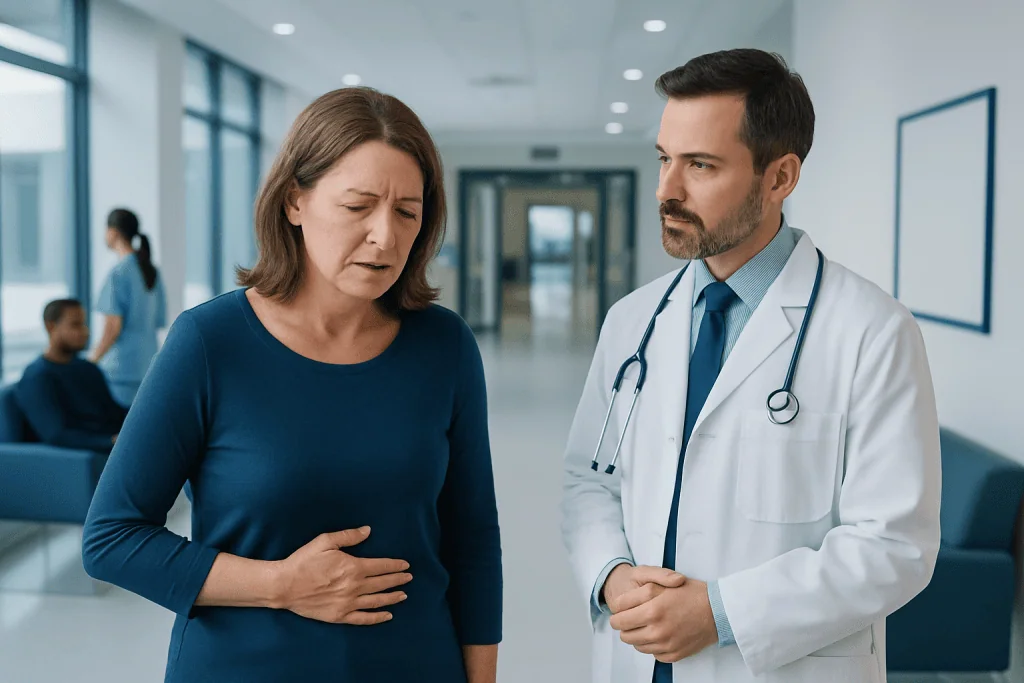
An inflamed gallbladder is most often acute cholecystitis caused by gallstones blocking bile flow. Common symptoms include upper right abdominal pain, nausea, vomiting, fever, and pain after eating fatty meals.
Key Takeaways
- An inflamed gallbladder is most often acute cholecystitis caused by gallstones blocking bile flow.
- Common symptoms include upper right abdominal pain, nausea, vomiting, fever, and pain after eating fatty meals.
- Diagnosis usually involves a medical exam, blood tests, and imaging such as ultrasound.
- Treatment may include fluids, pain relief, antibiotics in some cases, and often gallbladder removal surgery.
- Urgent medical care is important if pain is severe, persistent, or accompanied by fever, jaundice, or vomiting.
An inflamed gallbladder usually refers to cholecystitis, a condition most often caused by gallstones blocking the normal flow of bile. It can cause steady pain in the upper right abdomen, nausea, fever, and tenderness, and it should be assessed promptly to prevent complications.
Overview: what an inflamed gallbladder means
An inflamed gallbladder usually means cholecystitis, which is inflammation of the small organ under the liver that stores bile. In many patients, this happens when a gallstone blocks the cystic duct, trapping bile and causing irritation, swelling, and sometimes infection. Less commonly, gallbladder inflammation can happen without gallstones, especially in people who are seriously ill.
The gallbladder helps digest fats by releasing bile into the small intestine after meals. When that flow is blocked, pressure builds up inside the gallbladder. This can lead to pain in the upper abdomen, nausea, and fever. Some people first notice symptoms after a rich or fatty meal, while others develop pain that becomes constant and more severe over several hours.
An inflamed gallbladder is different from occasional indigestion or simple biliary colic. With biliary colic, a stone may briefly block the duct and then move away, causing pain that improves. With cholecystitis, the blockage and inflammation are more persistent. Because complications can develop if the condition is left untreated, prompt medical evaluation is important.
Symptoms of an inflamed gallbladder
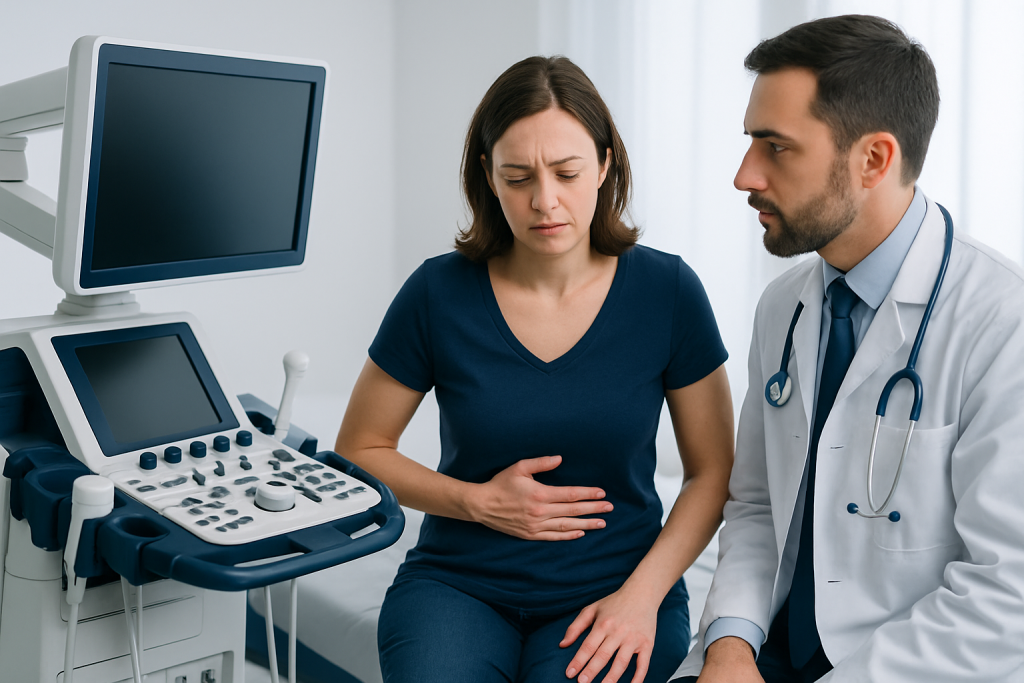
The most typical symptom of an inflamed gallbladder is pain in the upper right side of the abdomen. The pain may also be felt in the center upper abdomen or spread to the right shoulder blade or back. It often starts suddenly and becomes steady rather than cramp-like. Many people describe it as worsening with movement, deep breathing, or pressing on the area.
Other common symptoms include nausea, vomiting, loss of appetite, bloating, and fever. Some patients also notice chills or a general feeling of being unwell. The discomfort may begin after eating, especially after fatty foods, but once inflammation develops, the pain often lasts much longer than ordinary digestive upset.
In some cases, jaundice can occur if a stone also affects the main bile ducts. Jaundice causes yellowing of the skin or eyes and may be accompanied by dark urine or pale stools. These symptoms suggest that bile flow may be more significantly blocked and should be assessed urgently.
- Steady pain in the upper right abdomen
- Pain that may spread to the right shoulder or back
- Nausea or vomiting
- Fever or chills
- Abdominal tenderness, especially under the right ribs
- Possible jaundice if bile ducts are involved
Causes and risk factors
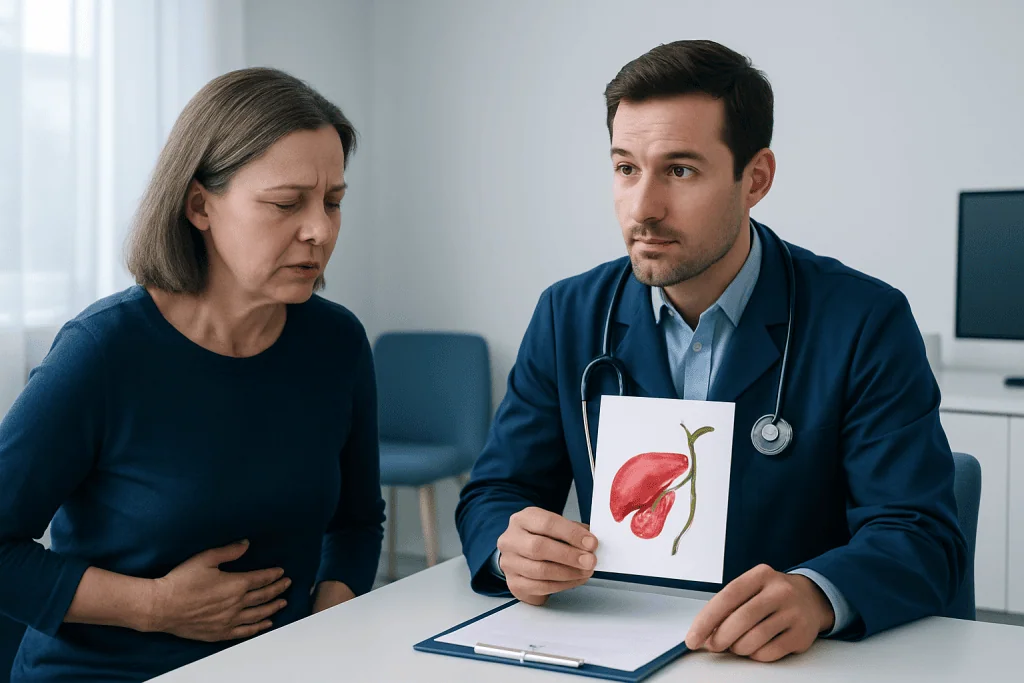
The most common cause of an inflamed gallbladder is gallstones. These small, hardened deposits can form in bile and block the cystic duct. Once bile cannot leave the gallbladder normally, pressure, irritation, and inflammation follow. Patients with a history of gallstones are therefore at higher risk of developing cholecystitis.
Less common causes include sludge in the gallbladder, tumors that obstruct bile flow, or reduced blood supply to the gallbladder. Acalculous cholecystitis, which happens without gallstones, is more likely in people who are critically ill, have had major surgery, trauma, severe infection, or prolonged fasting. Although it is less common, it can be serious.
Several factors make gallbladder disease more likely. These include increasing age, being female, obesity, rapid weight loss, pregnancy, diabetes, and a family history of gallstones. Diet and metabolic factors can also play a role. Not everyone with gallstones develops inflammation, but once symptoms begin, the pattern can recur or worsen over time.
How doctors diagnose gallbladder inflammation
Diagnosis begins with a careful history and physical examination. A doctor will ask about the location and timing of pain, associated symptoms such as vomiting or fever, and whether symptoms have happened before. During the exam, tenderness over the upper right abdomen can be an important clue, especially if breathing in sharply worsens the pain when the area is pressed.
Blood tests are commonly used to look for signs of inflammation or infection and to assess liver function. These may show an elevated white blood cell count or abnormal liver-related blood tests if bile ducts are also affected. Blood work can also help rule out other causes of abdominal pain, such as hepatitis or pancreatitis.
Imaging is central to confirming the diagnosis. Ultrasound is often the first test because it can detect gallstones, thickening of the gallbladder wall, and fluid around the gallbladder. In some situations, doctors may use other imaging, such as CT, MRI, or specialized tests to evaluate the bile ducts. If there is concern about a stone in the common bile duct, further assessment for choledocholithiasis may be needed.
Treatment options and what recovery may involve
Treatment depends on the severity of inflammation, the presence of gallstones, and whether complications have developed. Initial care often includes stopping food temporarily, giving fluids through a vein, controlling pain, and treating nausea. If infection is suspected or confirmed, antibiotics may be used. This early treatment helps stabilize the patient and reduce inflammation.
For many people, the definitive treatment is surgical removal of the gallbladder, called gallbladder removal surgery. This is commonly recommended because once the gallbladder has become inflamed, repeat attacks are possible. In many cases, the operation can be done using minimally invasive techniques, which usually means smaller incisions and a shorter recovery than open surgery.
If doctors suspect stones have moved into the bile ducts, a separate procedure may be needed to remove or manage the blockage before or around the time of surgery. In selected patients, specialists may evaluate the bile ducts with ERCP when it is clinically appropriate. People who are too unwell for immediate surgery may need temporary drainage of the gallbladder and delayed surgery later.
Most people can live normally without a gallbladder because bile still flows from the liver directly into the intestine. Some notice temporary changes such as loose stools or sensitivity to very fatty meals during recovery, but these symptoms often improve with time and dietary adjustments.
Prevention and self-care
There is no guaranteed way to prevent gallbladder inflammation, but some habits may lower the risk of gallstones and recurrent symptoms. Maintaining a healthy weight, staying physically active, and eating balanced meals with fiber, vegetables, fruits, and healthy fats may help support normal bile metabolism. Crash diets and very rapid weight loss should be avoided when possible, because they can increase the chance of gallstone formation.
For people who already know they have gallstones, symptom tracking can be useful. Noting when pain occurs, how long it lasts, and whether it follows certain meals can help guide medical assessment. However, self-care should not replace professional evaluation if pain is persistent, severe, or associated with fever or vomiting.
Until a doctor advises otherwise, some people feel better by choosing smaller meals and limiting very greasy or fried foods. Hydration and rest may also help during mild digestive discomfort, but they will not resolve true cholecystitis. An inflamed gallbladder generally requires medical assessment rather than home treatment alone.
When to seek medical care
Medical care should be sought promptly for abdominal pain that is strong, lasts more than a few hours, or keeps returning. Urgent assessment is especially important if the pain is in the upper right abdomen and comes with fever, repeated vomiting, or marked tenderness. These symptoms may suggest ongoing gallbladder inflammation rather than simple indigestion.
Emergency care is important if there is jaundice, confusion, fainting, severe weakness, chest pain, or difficulty breathing. These symptoms can point to complications or another serious condition that needs immediate attention. Delaying care may increase the risk of infection, gallbladder damage, or spread of blockage to the bile ducts or pancreas.
Near the end of evaluation and treatment planning, patients may benefit from a team approach that includes gastroenterology, radiology, and surgery. Acibadem International’s multidisciplinary specialists and JCI-accredited hospitals diagnose and treat gallbladder conditions for international patients, including related digestive issues such as pancreatitis treatment when clinically relevant.
Frequently asked questions
Is an inflamed gallbladder the same as gallstones?
Not exactly. Gallstones are a common cause of an inflamed gallbladder, but they are not the same condition. Cholecystitis refers to the inflammation that happens when a stone or another problem blocks normal bile flow.
Can an inflamed gallbladder go away on its own?
Temporary pain from a brief blockage may improve, but true cholecystitis should not be assumed to resolve safely without medical care. Because inflammation can worsen or lead to infection and complications, a doctor should assess persistent or severe symptoms.
What does gallbladder pain feel like?
Gallbladder pain is often felt in the upper right abdomen or the middle upper abdomen. It is usually steady, can become severe, and may spread to the back or right shoulder. Nausea, vomiting, or fever may happen at the same time.
Will every person with an inflamed gallbladder need surgery?
Not every patient needs immediate surgery, but many do eventually need gallbladder removal to prevent future attacks. The exact timing depends on the severity of inflammation, overall health, and whether complications or bile duct stones are present.
Can a person live normally without a gallbladder?
Yes. Most people live normally without a gallbladder because bile still reaches the intestine from the liver. Some may notice short-term digestive changes, especially with fatty meals, but these often improve over time.
What foods should be avoided with gallbladder problems?
Very fatty, greasy, or fried foods may worsen symptoms in some people. Until medical review, smaller and lighter meals may be easier to tolerate. However, diet changes alone do not treat an inflamed gallbladder.
References
- National Institute of Diabetes and Digestive and Kidney Diseases
- American College of Gastroenterology
- National Health Service
- Merck Manual Consumer Version
This article is for general information only and is not a substitute for professional medical advice. Please consult a qualified doctor about your individual situation.
Explore treatments in Turkey — costs, top hospitals & a free quote
JCI-accredited · board-certified surgeons · reply within 24h
Add us as a Preferred Source to see more of our trusted health content across Google Search, AI Overviews and Discover.

More from the Health Library

Neutrophils High: An Evidence-Based Guide for Patients
Pyelectasis: A Complete Medical Overview

Wheezing — Explained by Medical Evidence, Not Myths

Eczema on Eyelid: What Patients Need to Know
Stomach: A Complete Medical Overview

Lactic Acid for Skin: An Evidence-Based Guide for Patients
Gastroenterology Specialists at Acibadem

Prof. Dr. Nesliar Eser Kutsal
Gastroenterology
Prof. Dr. Oya Yönal
Gastroenterology
Prof. Dr. Sabahattin Kaymakoğlu
Gastroenterology
Prof. Dr. Şafak Kızıltaş
Gastroenterology