Inflammatory Bowel Disease: Biologics vs Surgery for Long-Term Control
Inflammatory bowel disease includes Crohn’s disease and ulcerative colitis, and treatment decisions differ between them. Biologics can reduce inflammation, help maintain remission, and sometimes delay or avoid surgery.
Key Takeaways
- Inflammatory bowel disease includes Crohn’s disease and ulcerative colitis, and treatment decisions differ between them.
- Biologics can reduce inflammation, help maintain remission, and sometimes delay or avoid surgery.
- Surgery may be necessary for complications, severe disease, or when medicines no longer provide enough control.
- In ulcerative colitis, surgery can remove the diseased colon; in Crohn’s disease, surgery treats complications but does not cure the condition.
- Long-term control usually depends on regular follow-up, monitoring, and shared decision-making with a gastroenterology team.
Inflammatory bowel disease often needs long-term treatment, and the choice between biologic medicines and surgery depends on the type of IBD, symptom control, complications, and quality of life. For many people, these options are not opposites but parts of a personalized care plan that can change over time.
Overview: How biologics and surgery fit into IBD care
Inflammatory bowel disease (IBD) is a long-term condition in which the digestive tract becomes inflamed. The two main forms are Crohn’s disease and ulcerative colitis. Although they share some symptoms, they behave differently, which is why treatment planning must be individualized.
Biologics and surgery are two important options for long-term control. Biologics are targeted medicines that act on specific parts of the immune system to reduce ongoing inflammation. Surgery removes diseased or damaged bowel, treats complications, or restores function when medical treatment is no longer enough.
For many patients, the question is not simply “biologics or surgery.” Some people do very well with biologics for many years. Others need surgery because of complications such as bowel narrowing, fistulas, severe bleeding, or disease that remains active despite treatment. In some cases, both approaches are used at different stages of care.
The main goal is not only symptom relief. Modern IBD care also aims to heal the bowel as much as possible, prevent flare-ups, protect nutrition and growth, reduce complications, and support daily quality of life.
Symptoms and patterns that influence long-term treatment
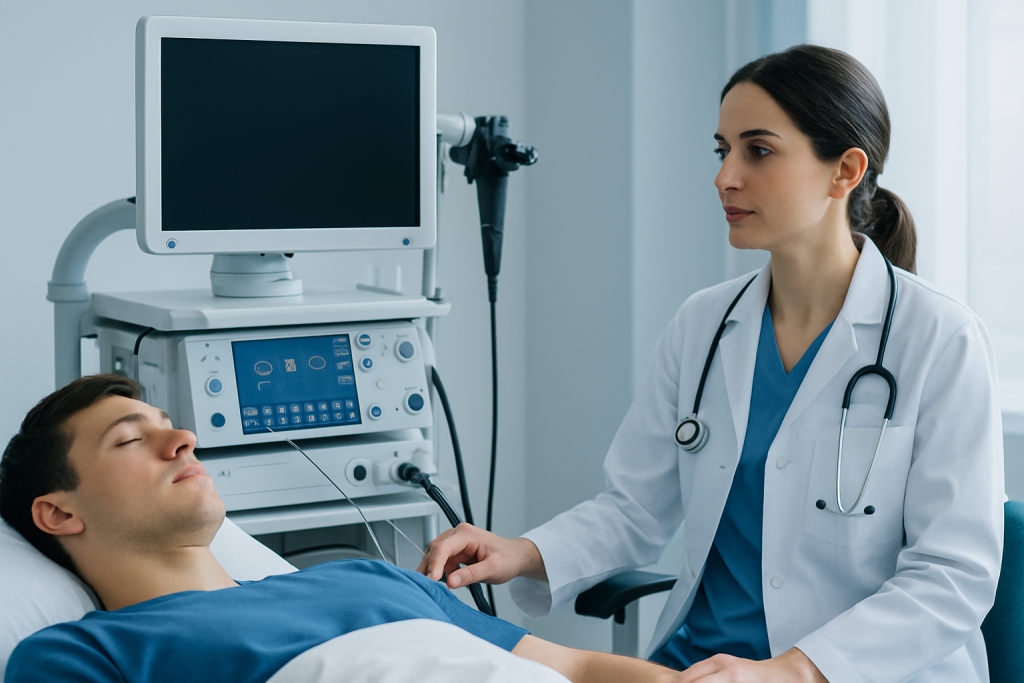
IBD symptoms can vary from person to person and can also change over time. Common symptoms include abdominal pain, diarrhea, urgent bowel movements, blood in the stool, weight loss, tiredness, and reduced appetite. Some people also develop symptoms outside the digestive tract, such as joint pain, skin changes, or eye inflammation.
How symptoms appear often helps doctors understand which treatment path may be more suitable. Frequent flare-ups, night-time symptoms, ongoing bleeding, repeated hospital visits, or poor growth in children can suggest more aggressive disease. These patterns may support earlier use of advanced treatments such as biologics.
It is also important to remember that symptoms do not always reflect the full level of inflammation. A person may feel somewhat better while inflammation continues quietly in the bowel. For this reason, doctors often use blood tests, stool markers, endoscopy, and imaging rather than symptoms alone to judge whether treatment is truly working.
Some symptoms may overlap with other digestive conditions, such as irritable bowel syndrome, infection, or food intolerance. Careful assessment helps confirm whether symptoms are due to active IBD, complications, or another condition that needs separate treatment.
Biologics: what they do and when they are used
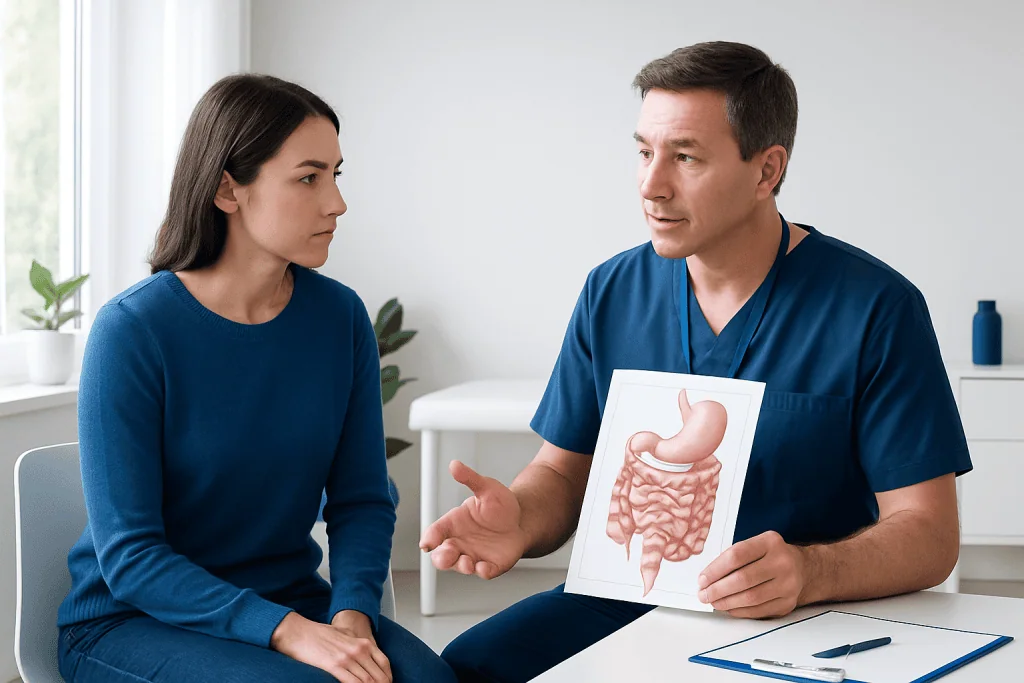
Biologics are medicines made to target specific inflammatory pathways in the immune system. They are used when standard treatments are not enough, when disease is moderate to severe, or when there is a high risk of complications. Depending on the medication, biologics may be given by injection or intravenous infusion.
The main benefit of biologics is that they can help induce remission and maintain it over time. In some patients, they reduce steroid use, lower hospitalization risk, improve energy and nutrition, and help the bowel heal. This is especially important because long-term uncontrolled inflammation can lead to scarring, strictures, fistulas, and other complications.
Biologics are often considered for patients with extensive disease, deep ulcers seen on endoscopy, recurrent flare-ups, fistulizing Crohn’s disease, or disease that returns after surgery. They may be used alone or with other medicines, depending on the person’s treatment history, response, and safety profile. Patients may also hear about broader digestive care approaches such as inflammatory bowel disease treatment and Crohn disease care when discussing advanced therapy options.
Like all immune-modifying treatments, biologics require monitoring. Doctors review infection risk, vaccination status, blood tests, and treatment response over time. If one biologic stops working or causes side effects, another biologic or a different advanced medicine may still be effective.
Surgery: when it becomes the better option
Surgery may be recommended when IBD causes complications or when medication does not provide adequate control. In Crohn’s disease, surgery is commonly used to treat narrowed segments of bowel, abscesses, fistulas, perforation, or severe disease in a limited area. In ulcerative colitis, surgery may be considered for severe refractory inflammation, major bleeding, precancerous changes, or colon cancer risk.
The role of surgery is different in the two major forms of IBD. In ulcerative colitis, removing the colon can effectively remove the diseased organ and may be considered curative for colonic inflammation, although it does not erase all health considerations. In Crohn’s disease, surgery can be very helpful for complications and symptom relief, but the disease can still return in other parts of the digestive tract.
Surgery is not a sign of failure. For some patients, it offers the most reliable path to improved nutrition, pain relief, reduced urgent bowel symptoms, and a better quality of life. Waiting too long can sometimes allow complications to become more difficult to treat, so timing matters.
Possible procedures include resection of a diseased bowel segment, strictureplasty to widen a narrowed area, drainage of abscesses, or colectomy with reconstruction in ulcerative colitis. A colorectal surgeon and gastroenterologist usually work together to explain expected benefits, limitations, and recovery.
Biologics vs surgery: how doctors compare the options
Choosing between biologics and surgery depends on several questions: What type of IBD is present? Is the inflammation mainly active and reversible, or has it already caused fixed scarring? Are there fistulas, abscesses, or severe narrowing? Has the patient responded to past medicines? What are the person’s daily symptoms, goals, and concerns?
Biologics tend to work best when inflammation is the main problem and the bowel has not yet developed severe structural damage. They can be an important option for maintaining bowel tissue and avoiding repeated flares. Surgery is often more effective when complications are mechanical or urgent, such as obstruction from a stricture, perforation, severe bleeding, or localized disease that continues despite medical therapy.
In practice, the two strategies can complement each other. A person with Crohn’s disease may need surgery for a narrowed bowel segment and then start biologic therapy to reduce the chance of recurrence. A person with ulcerative colitis may try multiple medical options before deciding that surgery offers more dependable long-term control.
Decision-making should also include lifestyle and safety considerations. These may include fertility plans, age, work and travel needs, previous infections, nutritional status, and comfort with infusions, injections, or an operation. A balanced discussion helps patients understand that the “best” treatment is the one that matches their disease pattern and personal priorities.
Diagnosis, monitoring, and treatment follow-up
Good long-term control begins with accurate diagnosis and regular monitoring. Doctors typically use a combination of medical history, physical examination, blood tests, stool tests, colonoscopy, biopsy, and imaging studies. These tools help show where inflammation is located, how severe it is, and whether complications are present.
Monitoring continues after treatment starts. Blood tests may look for anemia, inflammation, liver function, and medication effects. Stool tests can help measure intestinal inflammation. Endoscopy or imaging may be repeated to see whether the bowel lining is healing, even if symptoms seem improved.
Follow-up is especially important with biologics, because treatment response may change over time. Doctors may adjust dose timing, switch medications, or check for loss of response. Follow-up after surgery is also essential, particularly in Crohn’s disease, where inflammation can return near the surgical site.
Specialized digestive care may involve endoscopy, pathology, radiology, nutrition, and pelvic floor or motility assessment when needed. In some cases, broader evaluation through services such as neurogastroenterology assessment can help when bowel symptoms are complex or overlap with functional concerns.
Prevention, self-care, and living well with IBD
Although IBD cannot usually be prevented in the usual sense, flare-ups and complications can often be reduced with good long-term management. Taking treatment as prescribed, attending regular appointments, and reporting new symptoms early are among the most important steps.
Daily self-care also matters. Many patients benefit from working with a dietitian to support nutrition, hydration, and symptom management. There is no single diet that suits everyone with IBD, but keeping track of trigger foods during flares can be helpful. Smoking cessation is especially important in Crohn’s disease, as smoking is linked to worse outcomes and more frequent recurrence.
Stress does not cause IBD, but it can worsen symptom burden and quality of life. Gentle exercise, sleep care, mental health support, and realistic activity planning can make long-term treatment easier to manage. Patients should also speak with their doctor about vaccines, bone health, and infection prevention, particularly if they use immune-modifying medicines.
When care is coordinated across specialties, patients may feel more confident about long-term decisions. Near the end of the treatment journey discussion, some international patients may explore support at Acibadem International, where multidisciplinary specialists in JCI-accredited hospitals diagnose and treat digestive conditions including ulcerative colitis treatment.
When to see a doctor urgently
People with IBD should seek medical advice if symptoms are becoming more frequent, more intense, or harder to control. New weight loss, persistent diarrhea, visible blood in the stool, repeated vomiting, worsening abdominal pain, or signs of dehydration should not be ignored.
Urgent assessment is especially important for severe abdominal swelling, inability to pass stool or gas, high fever, heavy rectal bleeding, fainting, or severe weakness. These symptoms may suggest a complication that needs rapid treatment, including infection, bowel obstruction, perforation, or significant blood loss.
Patients using biologics should also contact their care team if they develop possible signs of infection, unusual bruising, or other unexpected side effects. Treatment should never be stopped or changed without medical guidance unless a doctor specifically advises it.
Early review often leads to better control and can sometimes prevent hospital admission or emergency surgery. Any person who is unsure whether symptoms are serious should contact a qualified healthcare professional for individual advice.
Frequently asked questions
Are biologics better than surgery for inflammatory bowel disease?
Not always. Biologics are often preferred when inflammation is active and may still respond to targeted medical treatment, while surgery is often better for complications such as strictures, abscesses, or severe disease that does not improve with medication. The best choice depends on the type of IBD, disease behavior, and the patient’s goals.
Can biologics help avoid surgery in IBD?
In some patients, yes. Biologics can reduce inflammation, maintain remission, and lower the risk of complications that might otherwise lead to surgery. However, they cannot reverse established scarring or treat every structural problem in the bowel.
Does surgery cure Crohn’s disease?
No. Surgery can remove diseased bowel segments or treat complications, but Crohn’s disease can return in other areas of the digestive tract. This is why many patients still need long-term follow-up and sometimes medical therapy after surgery.
Does surgery cure ulcerative colitis?
Removing the colon can eliminate the main site of ulcerative colitis and is often considered curative for colonic inflammation. Even so, surgery is a major decision and may involve reconstruction, an ostomy, or ongoing adjustments in bowel habits. A colorectal surgeon can explain the options clearly.
What are the main risks of biologics?
Because biologics affect the immune system, they can increase the risk of some infections and may cause infusion or injection reactions. Doctors usually review screening tests, vaccination status, and regular monitoring before and during treatment. Many patients use biologics safely with appropriate follow-up.
How do doctors decide between biologics and surgery?
Doctors look at disease type, severity, location, complications, previous treatment response, and test results such as endoscopy and imaging. They also consider practical issues such as nutrition, age, fertility plans, work, and the patient’s preferences. Shared decision-making is an important part of IBD care.
References
- World Health Organization
- National Institute of Diabetes and Digestive and Kidney Diseases
- Crohn's & Colitis Foundation
- American College of Gastroenterology
- European Crohn’s and Colitis Organisation
This article is for general information only and is not a substitute for professional medical advice. Please consult a qualified doctor about your individual situation.
Inflammatory Bowel in Turkey — costs, top hospitals & a free quote
JCI-accredited · board-certified surgeons · reply within 24h
Add us as a Preferred Source to see more of our trusted health content across Google Search, AI Overviews and Discover.

Gastroenterology
Diagnosis and treatment of the digestive system and liver, with advanced endoscopy.
46 specialists in this unit