Insurance for Lung Cancer Screening: How It Works, Results and What to Expect
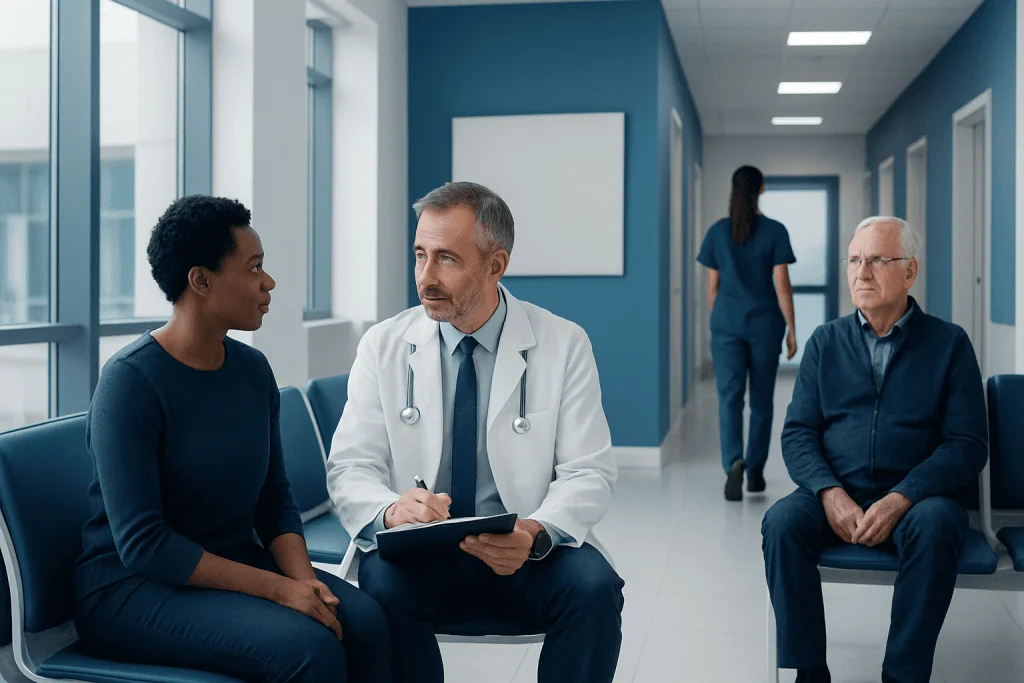
Low-dose computed tomography (LDCT) is the recommended screening test for people at increased risk of lung cancer. Insurance coverage commonly depends on age, smoking history, current smoking status and plan-specific requirements.
Key Takeaways
- Low-dose computed tomography (LDCT) is the recommended screening test for people at increased risk of lung cancer.
- Insurance coverage commonly depends on age, smoking history, current smoking status and plan-specific requirements.
- A screening scan is not the same as a diagnostic test for symptoms such as coughing up blood or unexplained weight loss.
- Most screening findings are not cancer, but some results need repeat imaging or further assessment.
- Patients can ask their insurer about network status, prior authorization, cost sharing and coverage for follow-up care.
Insurance for lung cancer screening may cover an annual low-dose CT scan for people who meet high-risk eligibility criteria, particularly under many US public and private plans. Coverage details can still differ by insurer, network, location, referral requirements and follow-up testing, so it is helpful to confirm benefits before scheduling.
Overview: How Insurance for Lung Cancer Screening Works
Insurance for lung cancer screening may help cover a yearly low-dose computed tomography (LDCT) scan for adults at elevated risk of lung cancer. LDCT is a specialized CT scan that uses less radiation than a standard chest CT and can identify small lung changes before they cause symptoms. In the United States, many health plans cover screening for people who meet nationally recognized eligibility criteria, although the exact benefits and administrative steps depend on the individual policy.
Before booking, patients can contact their insurer and ask whether LDCT lung cancer screening is covered, whether the selected imaging center is in network, and whether a referral or prior authorization is required. It is also sensible to ask how the plan handles any additional scans, specialist appointments or procedures recommended after an abnormal result. Screening coverage does not necessarily mean that every follow-up test is covered in the same way.
Lung cancer screening is intended for people without signs or symptoms of lung cancer. Someone with a new or worsening cough, chest pain, coughing up blood, unexplained weight loss, persistent breathlessness or recurrent chest infections should seek medical assessment rather than relying on a routine screening appointment.
Who May Be Eligible for Screening Coverage?
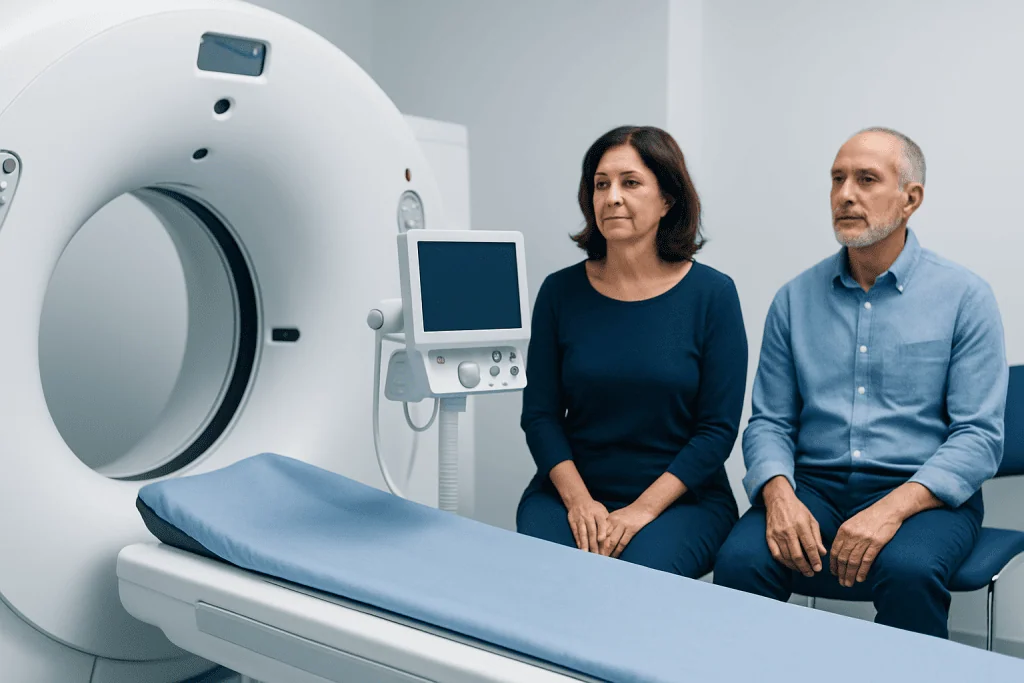
Eligibility for lung cancer screening is generally based on age and smoking exposure. In widely used US recommendations, screening is offered annually to adults aged 50 to 80 years who have at least a 20 pack-year smoking history and who currently smoke or quit within the past 15 years. A pack-year is calculated by multiplying the number of cigarette packs smoked per day by the number of years smoked; for example, one pack daily for 20 years equals 20 pack-years.
Insurance policies may use these criteria or their own coverage rules. Some plans may require documentation of smoking history and a shared decision-making discussion with a clinician. Screening is usually stopped when a person has not smoked for 15 years, develops a health condition that substantially limits life expectancy, or would not be able or willing to have treatment if cancer were found.
People who have never smoked are not routinely screened with LDCT, even if they are worried about lung cancer. Family history, occupational exposures and air pollution can affect risk, but they do not automatically mean screening will be beneficial. A clinician can assess the wider picture and discuss individual concerns, including related conditions such as lung cancer.
The Screening Process: From Booking to Scan

The process usually begins with an appointment with a primary care clinician, pulmonologist or screening program. The clinician reviews smoking history, confirms whether screening is appropriate and discusses the potential benefits, limitations and possible next steps. This visit is also a useful time to discuss smoking cessation support for anyone who currently smokes.
For the scan itself, the patient lies on a moving table while it passes through a CT scanner. They may be asked to hold their breath briefly while images are taken. No needles, contrast dye or sedation are usually needed for standard LDCT screening, and the imaging portion commonly takes only a few minutes. The entire visit can take longer because of registration, safety checks and preparation.
There is no special recovery period after an uncomplicated screening CT. Most people can eat, drink, drive and return to usual activities immediately. The images are reviewed by a radiologist, often using a structured reporting system that helps determine whether annual screening, earlier repeat imaging or further evaluation is needed.
How Long Does It Take to Get Results Back From a Lung Cancer Screening?
Results are often available within a few days to one or two weeks, depending on the imaging center, reporting workflow and whether comparison with earlier scans is needed. The exact timeline varies, so patients can ask when and how they will receive the report before leaving the appointment.
A clinician or screening program should explain what the result means and the recommended next step. A result may be described as negative, meaning no concerning finding was identified, or it may note a lung nodule or another change that needs monitoring. A nodule is a small spot in the lung and is common; many nodules are caused by old infections, inflammation or other non-cancerous conditions.
If the scan shows a finding that needs prompt assessment, the care team may arrange a diagnostic chest CT, PET scan, specialist consultation or, less commonly, a biopsy. These follow-up tests are not automatically evidence of cancer; they are used to clarify findings safely and accurately.
What Percentage of Lung Cancer Screenings Are Positive?
The answer depends on how a program defines a positive result and which reporting system it uses. In large screening studies and modern clinical programs, most LDCT scans do not lead to a cancer diagnosis. Some scans identify nodules or changes that require surveillance, and only a small proportion of those findings are ultimately found to be lung cancer.
It is important to distinguish a positive screening result from a diagnosis. A positive or indeterminate result may simply mean that another scan is recommended in several months to check whether a small nodule has changed. This cautious follow-up approach helps avoid unnecessary invasive procedures while still identifying cancers that need treatment.
False-positive results can cause understandable worry and may lead to additional imaging. Discussing the possible outcomes before screening can help patients make an informed decision and prepare for the fact that follow-up does not necessarily mean cancer is present.
Is Lung Cancer Screening Worth It?
For people who meet high-risk eligibility criteria, lung cancer screening can be worthwhile because LDCT can detect some lung cancers at an earlier, more treatable stage. Major medical organizations recommend annual LDCT for eligible adults because evidence shows that it can reduce deaths from lung cancer in high-risk groups.
Screening also has limitations. It exposes patients to a low dose of radiation, can find abnormalities that are not cancer and may lead to repeat scans or procedures. It cannot prevent lung cancer, and it does not replace avoiding tobacco exposure or getting medical advice about new symptoms.
The most appropriate decision is individual. A clinician can help a person weigh their smoking history, overall health, values and ability to attend annual follow-up. Screening is most effective when it is part of ongoing preventive care rather than a one-time test.
What Is the 5 Finger Test for Lung Cancer?
The “5 finger test” is not a validated medical test for lung cancer and should not be used to diagnose or rule out the disease. The phrase may refer to informal online descriptions of checking for finger clubbing, a change in which the fingertips become enlarged and the nails curve more than usual.
Finger clubbing can occur with several lung, heart, liver and digestive conditions, and it is not specific to lung cancer. Many people with lung cancer do not have clubbing, while some people with clubbing do not have cancer. A hand check therefore cannot replace a clinical examination, imaging or appropriate screening.
Anyone who notices new changes in their fingers, nails or breathing should discuss them with a qualified clinician. Evaluation may include a medical history, physical examination and tests chosen according to the person’s symptoms and risk factors.
Benefits, Risks and When to Seek Medical Care
The main benefit of annual LDCT screening for eligible people is the possibility of detecting lung cancer before symptoms develop. Earlier detection may expand treatment options. If a cancer is diagnosed, care is planned according to its type, stage and a person’s general health; options can include lung cancer treatment such as surgery, radiotherapy, systemic therapies or a combination of approaches.
Potential harms include low-level radiation exposure, false-positive findings, incidental findings outside the lungs and anxiety while waiting for clarification. Rarely, follow-up of a suspicious finding may involve invasive testing. These considerations are why screening is recommended for defined high-risk groups rather than everyone.
Medical care should be sought promptly for symptoms that may need assessment, including coughing up blood, persistent or worsening cough, unexplained chest pain, new shortness of breath, unexplained weight loss or repeated respiratory infections. These symptoms have many possible causes, but they should not be ignored or managed solely through screening.
For international patients, Acibadem International’s multidisciplinary specialists and JCI-accredited hospitals can assess lung findings and coordinate appropriate diagnostic and treatment planning. Patients should bring prior scans, reports and insurance information when available to support a clear review of their care needs.
Frequently asked questions
Does insurance cover lung cancer screening?
Many insurance plans may cover annual low-dose CT screening for people who meet high-risk eligibility criteria. Coverage can vary by insurer, plan, network, referral rules and location. Patients should verify their benefits and ask about coverage for possible follow-up testing before scheduling.
How long does it take to get results back from a lung cancer screening?
Many imaging centers provide results within a few days to one or two weeks. Timing can be longer if a radiologist needs to compare the scan with previous images. The screening program or referring clinician should explain how results will be communicated.
Is lung cancer screening worth it?
For adults who meet high-risk screening criteria, annual low-dose CT can be worthwhile because it may find lung cancer earlier. It also has possible downsides, including false-positive findings and additional testing. A clinician can help an individual decide whether the expected benefits outweigh the limitations.
What is the 5 finger test for lung cancer?
The 5 finger test is not a recognized or reliable test for lung cancer. It may refer to checking for finger clubbing, but clubbing is not specific to lung cancer and may occur with other medical conditions. Symptoms or physical changes should be assessed by a healthcare professional.
What percentage of lung cancer screenings are positive?
The percentage varies according to the screening program and how a positive result is defined. Most screening scans do not diagnose cancer, although some identify nodules that need follow-up imaging. A positive result usually means further evaluation is needed, not that cancer has been confirmed.
Do people need to prepare for a low-dose CT lung cancer screening?
Standard low-dose CT screening usually requires little preparation. Contrast dye, injections and sedation are generally not needed, and people can usually return to normal activities immediately afterward. The imaging center may provide instructions about clothing, jewelry and bringing previous scan reports.
References
- United States Preventive Services Task Force
- American Cancer Society
- Centers for Disease Control and Prevention
- National Cancer Institute
- American College of Radiology
This article is for general information only and is not a substitute for professional medical advice. Please consult a qualified doctor about your individual situation.
Lung Cancer in Turkey — costs, top hospitals & a free quote
JCI-accredited · board-certified surgeons · reply within 24h
Add us as a Preferred Source to see more of our trusted health content across Google Search, AI Overviews and Discover.

Medical Oncology Department
Medical treatment of cancer with chemotherapy, immunotherapy and targeted therapies under a multidisciplinary tumor board.
60 specialists in this unitMore from the Health Library



Related Specialists

Dr. Resül Altınayak
Clinical Laboratory
Prof. Dr. Korhan Özkan
Orthopedic Surgery & Traumatology
Dr. Ramazan Çetin
Dermatology
Prof. Dr. Rüştü Serter
Endocrinology