Intestines: An Evidence-Based Guide for Patients
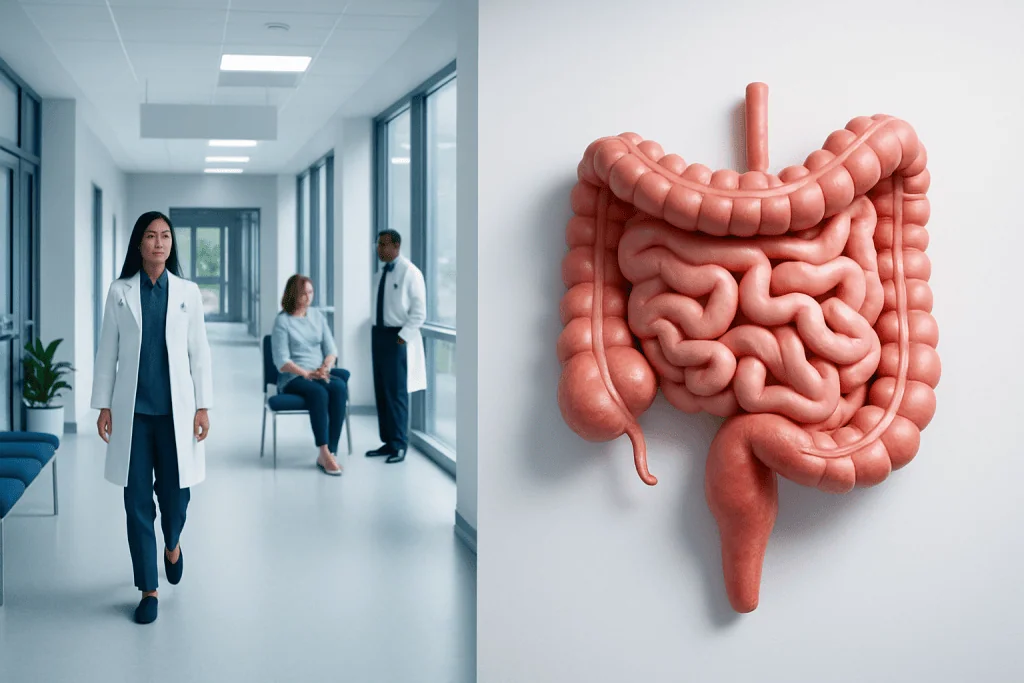
The small intestine absorbs most nutrients, while the large intestine absorbs water and forms stool. Symptoms such as ongoing pain, bleeding, persistent diarrhea, constipation, or unexplained weight loss should be assessed by a doctor.
Key Takeaways
- The small intestine absorbs most nutrients, while the large intestine absorbs water and forms stool.
- Symptoms such as ongoing pain, bleeding, persistent diarrhea, constipation, or unexplained weight loss should be assessed by a doctor.
- Intestinal problems can result from infections, inflammation, food intolerance, medication effects, or structural conditions.
- Diagnosis may involve a medical history, stool tests, blood tests, imaging, or endoscopic procedures.
- Healthy eating, hydration, physical activity, and appropriate screening can support intestinal health.
The intestines are the long sections of the digestive tract that break down food, absorb nutrients and water, and move waste out of the body. Understanding how the intestines work can help patients recognize common symptoms, know when changes may need medical attention, and support digestive health with everyday habits.
Overview: What the Intestines Do
The intestines are a major part of the digestive system. They receive partially digested food from the stomach, continue the breakdown process, absorb nutrients and water, and move waste toward elimination. In simple terms, the intestines help turn food into energy and building blocks the body can use.
The intestines have two main parts: the small intestine and the large intestine, also called the colon. The small intestine is longer and is the main site of nutrient absorption. The large intestine absorbs water and salts, helps form stool, and houses many of the gut bacteria that support digestion and immune balance.
The intestinal lining is highly specialized. It creates a barrier between the inside of the gut and the rest of the body while still allowing useful substances to pass through. Nerves, hormones, immune cells, and the gut microbiome all influence how the intestines move and function, which is why stress, illness, diet, and medications can all affect bowel habits.
How the Small and Large Intestines Differ
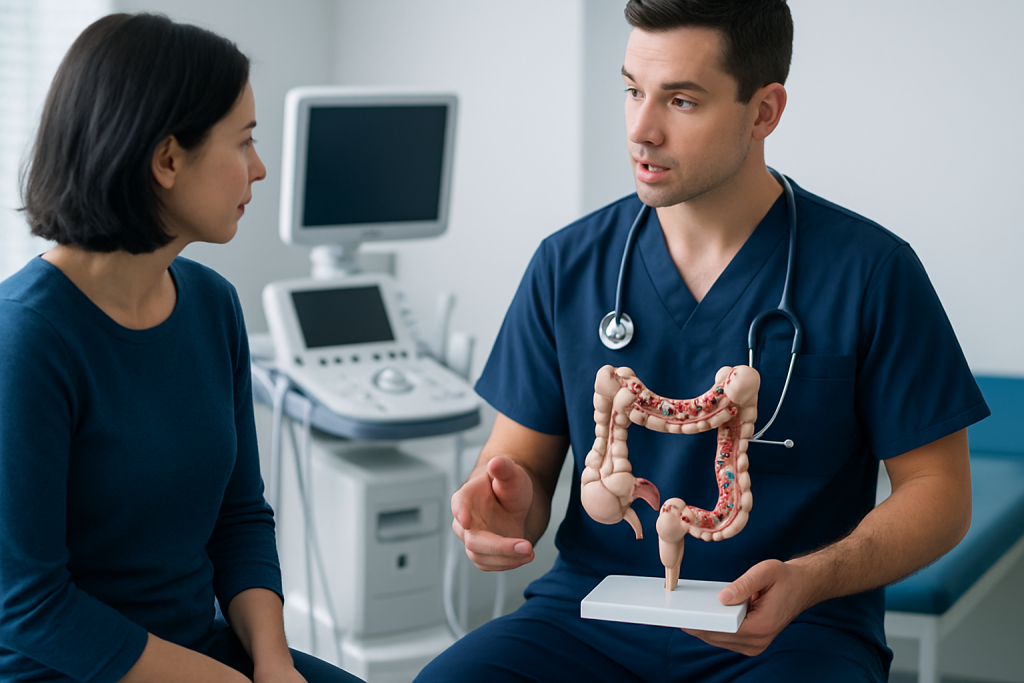
The small intestine includes three segments: the duodenum, jejunum, and ileum. Digestive juices from the pancreas and liver enter the early small intestine to help break down fats, proteins, and carbohydrates. Most vitamins, minerals, proteins, fats, and sugars are absorbed here through a large surface area lined with tiny finger-like projections.
The large intestine begins where the small intestine ends. It includes the cecum, colon, rectum, and anal canal. As digested material passes through, the large intestine reabsorbs water, processes remaining material with the help of gut bacteria, and stores stool before a bowel movement.
Because these sections have different roles, they can produce different symptoms when something is wrong. Problems in the small intestine may lead to poor nutrient absorption, bloating, or diarrhea. Problems in the large intestine may more often cause changes in stool form, constipation, urgency, or bleeding. Some conditions can affect both areas.
Common Intestinal Symptoms and What They May Mean

Many people experience intestinal symptoms from time to time, especially after dietary changes, travel, infections, or stress. Common symptoms include abdominal pain, bloating, gas, diarrhea, constipation, nausea, and changes in bowel habits. These symptoms are often temporary, but when they are frequent, severe, or persistent, they deserve medical evaluation.
Some symptoms suggest that the intestines may not be absorbing nutrients well. These can include ongoing diarrhea, oily or bulky stools, fatigue, anemia, or unintentional weight loss. In other cases, the main concern is inflammation or irritation, which may cause cramping, urgency, mucus in the stool, or discomfort after eating.
Visible blood in the stool, black stools, fever, vomiting that does not settle, or pain that becomes intense are not symptoms to ignore. These may point to bleeding, infection, blockage, inflammation, or another condition that needs prompt assessment. Chronic or recurrent bowel changes may also relate to disorders such as Crohn’s disease or ulcerative colitis, which affect the intestinal lining in different ways.
Common Conditions That Affect the Intestines
The intestines can be affected by a wide range of conditions. Short-term problems often include viral or bacterial gastroenteritis, food poisoning, constipation related to diet or medications, and temporary diarrhea after antibiotics. Food intolerances, such as lactose intolerance, may also trigger bloating, cramps, or loose stools.
Longer-lasting conditions include inflammatory bowel disease, celiac disease, diverticular disease, irritable bowel syndrome, intestinal infections, and bowel obstruction. Although irritable bowel syndrome changes how the bowel functions rather than causing visible inflammation, it can still significantly affect quality of life. Structural problems, such as polyps, narrowing, or tumors, can also interfere with normal bowel function.
Risk factors vary by condition but may include family history, age, smoking, certain medications, previous abdominal surgery, low-fiber eating patterns, dehydration, chronic stress, and autoimmune disease. Travel exposure, contaminated food or water, and recent hospitalization can also raise the risk of intestinal infections. In some patients, the cause is multifactorial, involving diet, gut bacteria, immunity, and genetics together.
The intestines may also be affected by cancer, especially in the colon or rectum. Screening and early evaluation of symptoms can help detect concerning changes sooner. When doctors need to investigate the lower bowel more closely, colonoscopy is one of the most important tools for both diagnosis and prevention.
How Doctors Diagnose Intestinal Problems
Diagnosis begins with a careful history. A doctor will usually ask about the pattern of symptoms, stool changes, pain location, diet, recent travel, medications, weight changes, and any family history of bowel disease. Physical examination may provide clues such as tenderness, bloating, dehydration, or signs of anemia.
Basic tests often include blood work and stool studies. Blood tests may look for inflammation, infection, anemia, or signs of malabsorption. Stool tests can help detect infection, blood, or inflammatory markers. Depending on the situation, a doctor may also recommend tests for celiac disease or evaluate food-related triggers.
If symptoms are ongoing or concerning, imaging or endoscopic tests may be needed. These can include abdominal ultrasound, CT, MRI, or endoscopy. To examine the lower intestine directly, doctors may use a colonoscopy to look for inflammation, ulcers, polyps, bleeding sources, or tumors. In some cases, tissue samples are taken during the procedure to confirm a diagnosis.
When small intestine disease is suspected, the evaluation may include specialized imaging, capsule-based testing in selected patients, or targeted endoscopy. The right test depends on the symptom pattern and the condition the doctor is trying to confirm or rule out.
Treatment Options for Intestinal Disorders
Treatment depends on the underlying cause. Short-term intestinal problems related to infection, mild constipation, or temporary irritation may improve with hydration, dietary adjustment, and time. Doctors may advise avoiding foods that worsen symptoms and treating dehydration promptly, especially in children, older adults, and people with chronic illness.
When inflammation, infection, or malabsorption is present, treatment becomes more specific. A doctor may recommend medication to reduce inflammation, treat infection, regulate bowel movements, or address acid and digestive symptoms. Nutritional support can also be important, particularly if weight loss or vitamin deficiencies have developed.
Some structural intestinal conditions require procedures or surgery. These may include obstruction, severe diverticular complications, some tumors, or bowel disease that does not respond to medical therapy. Depending on the problem, treatment may involve specialist gastroenterology care and sometimes colorectal surgery.
For patients with complex intestinal conditions, coordinated care between gastroenterologists, radiologists, pathologists, dietitians, and surgeons can be helpful. Near the end of the care pathway, some international patients choose centers such as Acibadem International, where multidisciplinary specialists in JCI-accredited hospitals diagnose and treat intestinal disorders using individualized plans.
Prevention and Everyday Self-Care for Intestinal Health
Many aspects of intestinal health can be supported through daily habits. A balanced eating pattern that includes fiber-rich foods, fruits, vegetables, legumes, and whole grains may help bowel regularity and support the gut microbiome. Adequate fluid intake is also important, especially for preventing constipation and replacing losses during diarrhea.
Physical activity helps stimulate healthy bowel movement and supports overall digestive function. Regular meals, slower eating, and paying attention to food triggers may reduce bloating or discomfort for some people. Patients who suspect a specific intolerance should seek medical guidance before making major long-term dietary restrictions.
Good food hygiene matters as well. Washing hands, preparing food safely, and being careful with water and uncooked foods while traveling can lower the risk of intestinal infections. It is also wise to use antibiotics only when prescribed, since unnecessary antibiotic use can disrupt normal gut bacteria and lead to diarrhea.
Age-appropriate bowel cancer screening is another important preventive step. Even in people who feel well, screening can identify polyps or early disease before symptoms appear. A doctor can advise when screening should begin based on age, personal history, and family risk.
When to Seek Medical Care
Medical care is appropriate if intestinal symptoms last more than a few days, keep returning, or interfere with eating, sleep, work, or daily activities. A doctor should also assess constipation or diarrhea that is persistent, worsening abdominal pain, or symptoms linked to weight loss, fatigue, or poor appetite.
More urgent assessment is needed for blood in the stool, black stools, severe or sudden abdominal pain, repeated vomiting, fever with abdominal symptoms, signs of dehydration, or inability to pass stool or gas. These symptoms do not always mean a serious disease, but they should be evaluated without delay.
Children, older adults, pregnant patients, and people with immune system disorders may become unwell more quickly from bowel-related problems. If there is any doubt, seeking professional advice is the safest next step. Early evaluation can often bring reassurance, identify treatable causes, and prevent complications.
Frequently asked questions
What are the intestines responsible for?
The intestines continue digestion after food leaves the stomach. The small intestine absorbs most nutrients, and the large intestine absorbs water, forms stool, and helps move waste out of the body.
What is the difference between the small intestine and the large intestine?
The small intestine is the main site for digestion and nutrient absorption. The large intestine mainly reabsorbs water and electrolytes, supports gut bacteria, and stores stool before a bowel movement.
Are bowel changes always a sign of serious disease?
No. Bowel changes can happen temporarily because of diet, stress, infection, travel, or medications. However, persistent changes, bleeding, weight loss, or severe pain should be checked by a doctor.
What symptoms suggest a possible intestine problem?
Common symptoms include abdominal pain, bloating, gas, constipation, diarrhea, and a change in bowel habits. Warning signs include blood in the stool, black stools, fever, vomiting, dehydration, or unexplained weight loss.
How are intestinal conditions diagnosed?
Doctors usually begin with a history, physical examination, and basic tests such as blood work or stool studies. If needed, imaging or endoscopic procedures such as colonoscopy may be used to look directly at the bowel and take samples.
How can someone support intestinal health?
Helpful habits include eating a balanced, fiber-rich diet, drinking enough fluids, staying physically active, and using antibiotics only when necessary. Safe food handling and routine screening when appropriate can also support long-term intestinal health.
References
- National Institute of Diabetes and Digestive and Kidney Diseases
- American College of Gastroenterology
- National Health Service
- Mayo Clinic
- World Gastroenterology Organisation
This article is for general information only and is not a substitute for professional medical advice. Please consult a qualified doctor about your individual situation.
Persistent digestive symptoms? Get evaluated in Turkey
JCI-accredited · board-certified surgeons · reply within 24h
Add us as a Preferred Source to see more of our trusted health content across Google Search, AI Overviews and Discover.

More from the Health Library

Philophobia Fear: What Patients Need to Know

Food poisoning treatments: A Complete Medical Guide for Patients

Smell in Virginia: An Evidence-Based Guide for Patients

Mrsa Pimple: A Complete Medical Overview

Wild Yam Cream: An Evidence-Based Guide for Patients