Introitus: What Patients Need to Know

The introitus is the vaginal opening and is a normal part of female anatomy. Symptoms such as pain, itching, burning, discharge, or visible changes can have many possible causes.
Key Takeaways
- The introitus is the vaginal opening and is a normal part of female anatomy.
- Symptoms such as pain, itching, burning, discharge, or visible changes can have many possible causes.
- Common causes include irritation, infections, hormonal changes, skin conditions, childbirth-related injury, or pelvic floor problems.
- A medical evaluation may include a history, gentle physical exam, and tests for infection or other conditions.
- Prompt care is important for severe pain, bleeding, fever, sores, or symptoms that do not improve.
The introitus is the medical term for the opening of the vagina. Most questions about the introitus relate to normal anatomy, irritation, pain, discharge, skin changes, or changes linked to infection, hormones, childbirth, or pelvic floor conditions.
What is the introitus?
The introitus is the medical name for the opening of the vagina. It is located within the vulva, the external genital area that also includes structures such as the labia and clitoris. In everyday language, people may refer to the introitus as the vaginal opening.
The appearance of the introitus varies naturally from person to person. Size, shape, skin color, and the look of nearby tissues are all different in healthy individuals. These differences are usually normal and do not by themselves suggest a medical problem.
The introitus has several important functions. It allows menstrual flow to leave the body, is the entry to the vagina for sexual activity or tampon use, and forms part of the birth canal during vaginal delivery. Because the area is sensitive and exposed to moisture, friction, and hormonal influences, it can also be affected by irritation, infection, or pain conditions.
What changes are normal and what symptoms may be a concern?
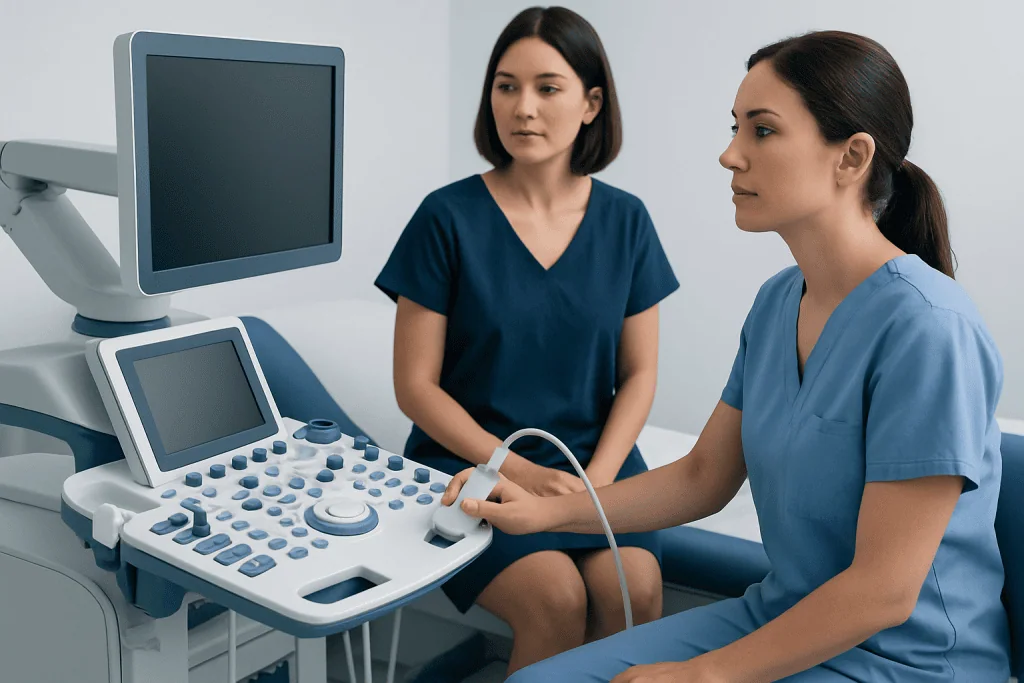
Normal changes of the introitus can happen across puberty, the menstrual cycle, pregnancy, postpartum recovery, and menopause. Hormones influence the thickness and moisture of the vaginal tissues, so the area may feel more lubricated at some times and drier at others. Mild color variation and subtle changes in elasticity are also common.
Symptoms that may need attention include burning, itching, stinging, dryness, pain with touch, pain during sex, unusual discharge, a bad odor, bleeding unrelated to a period, or visible sores, cuts, or swelling. Some people notice a feeling of tightness, while others feel pressure or a bulge near the opening.
These symptoms do not point to just one diagnosis. For example, itching may result from a yeast infection, contact irritation, or a skin disorder. Pain at the introitus may be linked to dryness, inflammation, scar tissue, pelvic floor muscle tension, or conditions such as vaginismus that make penetration painful.
Common causes of introitus discomfort or changes
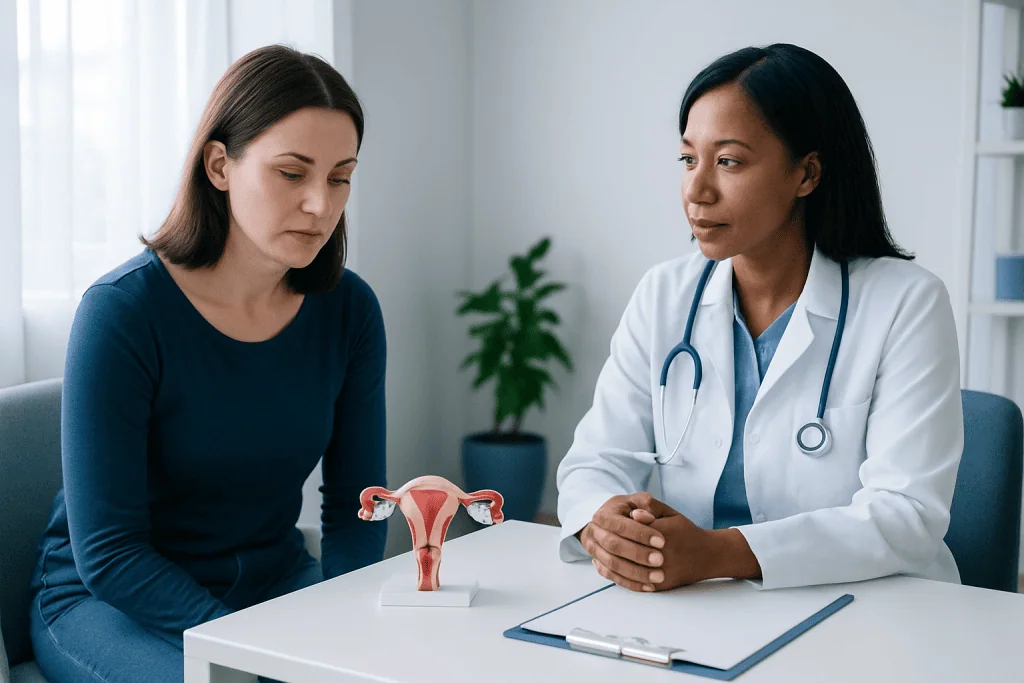
Many everyday factors can irritate the introitus. Scented soaps, bubble baths, detergents, sanitary products, lubricants, latex, tight clothing, prolonged moisture, and friction from exercise or sexual activity can all lead to irritation. In some people, the tissue becomes red, tender, or itchy after exposure to these triggers.
Infections are another common cause. Yeast infections may cause itching, soreness, and thick discharge. Bacterial overgrowth can cause odor and discharge. Sexually transmitted infections may lead to pain, sores, burning with urination, or discharge, although some infections cause few symptoms. A doctor may consider vaginal infections among the possible explanations when symptoms are new or persistent.
Hormonal changes also matter. Lower estrogen levels during breastfeeding, after menopause, or sometimes after certain medical treatments can make the tissues thinner and drier. This can lead to burning, pain with sex, or small tears at the introitus. Childbirth-related stretching, episiotomy scars, or minor lacerations can also affect comfort during healing.
Less commonly, symptoms are related to chronic skin conditions such as eczema, lichen sclerosus, or psoriasis, or to pelvic organ support changes. If there is a sensation of tissue bulging at the opening, a clinician may evaluate for conditions such as uterine prolapse or other forms of pelvic organ prolapse.
How doctors evaluate introitus symptoms
Diagnosis begins with a careful medical history. A clinician will usually ask when symptoms started, whether they are linked to periods, sex, urination, exercise, new products, pregnancy, menopause, or recent antibiotic use. Questions about discharge, bleeding, fever, skin changes, and previous infections can help narrow the cause.
A gentle physical exam often provides important information. The doctor may examine the vulva and introitus for redness, discharge, swelling, tears, scars, sores, or skin changes. If appropriate, they may also examine the vagina and cervix. This should be done respectfully, with clear communication and attention to comfort.
Additional tests depend on the symptoms. These may include swabs to check for yeast, bacterial imbalance, or sexually transmitted infections; urine testing if there is burning or frequency; or a biopsy if there is a persistent abnormal skin area. In some cases, evaluation of the pelvic floor muscles is helpful when pain or tightness is the main complaint.
Treatment options depend on the cause
There is no single treatment for introitus symptoms because care depends on the underlying issue. If the cause is irritation, the first step is often to avoid triggering products and reduce friction. If an infection is found, treatment may involve antifungal, antibiotic, or antiviral medicines based on the diagnosis. It is best not to self-treat repeatedly without medical advice if symptoms keep returning.
When dryness or hormonal change is the main problem, doctors may suggest vaginal moisturizers, lubricants, or hormone-based treatment in selected patients. If scar-related discomfort, pelvic floor muscle spasm, or pain with penetration is present, physical therapy and guided exercises may be recommended. Some patients benefit from pelvic floor therapy as part of a broader plan.
If there is a structural problem, management may be different. For example, prolapse, significant scarring, or certain benign growths can sometimes require procedural or surgical care. In selected cases, doctors may discuss gynecology surgery or other interventions after a full evaluation. The goal is to treat the cause, relieve symptoms, and protect tissue health.
Persistent pain at the introitus should not be dismissed as something a person simply has to live with. Targeted care, which may include skin treatment, infection treatment, physical therapy, counseling support, or referral to a gynecologist, often improves comfort and daily function.
Self-care and prevention
Simple self-care can help protect the sensitive tissue around the introitus. Washing with water or a gentle, fragrance-free cleanser is usually enough. It is often best to avoid douches, perfumed products, harsh soaps, and powders in the genital area. Wearing breathable cotton underwear and changing out of wet clothing promptly may also reduce irritation.
For people prone to dryness or friction, using a suitable lubricant during sex and avoiding products that sting can be helpful. If a new product seems to trigger burning or itching, stopping it is a sensible first step. Good hydration and general skin care habits may also support comfort, although they do not replace medical treatment when symptoms are persistent.
After childbirth, surgery, or menopause, the tissues around the introitus may need extra attention. Following the care plan given by a clinician, allowing enough healing time, and discussing pain early can reduce longer-term discomfort. In some situations, referral for obstetrics and gynecology care helps guide recovery and symptom relief.
- Avoid scented genital products and douching.
- Choose breathable underwear and avoid prolonged dampness.
- Use lubrication if dryness contributes to discomfort.
- Seek evaluation for recurring infections or repeated tearing.
When to seek medical care
Medical care is recommended if symptoms are severe, keep returning, or do not improve with simple measures. A person should seek evaluation for significant pain, fever, new sores, foul-smelling discharge, bleeding unrelated to a period, swelling, or trouble passing urine. These symptoms can have treatable causes, but they should be assessed rather than ignored.
It is also important to see a doctor if pain affects sex, tampon use, exercise, or everyday activities. Ongoing discomfort may reflect infection, hormonal tissue change, a skin disorder, scarring, or a pelvic floor condition that benefits from professional care. Early evaluation often makes treatment more straightforward.
For international patients who need assessment, Acibadem International’s multidisciplinary specialists in JCI-accredited hospitals diagnose and treat gynecologic and pelvic health concerns with individualized care plans. A clinician can help explain what is normal, identify the cause of symptoms, and recommend the most appropriate next steps.
Frequently asked questions
Is the introitus the same as the vagina?
Not exactly. The introitus is the opening to the vagina, while the vagina is the internal canal behind that opening. People often use the terms loosely, but medically they refer to different parts of the anatomy.
Why does the introitus hurt?
Pain at the introitus can result from irritation, infection, dryness, small tears, scar tissue, skin conditions, or pelvic floor muscle tension. Hormonal changes after menopause or breastfeeding can also make the area more sensitive. A medical evaluation can help identify the reason and guide treatment.
Can itching at the introitus mean an infection?
Yes, itching can be caused by infections such as yeast infections, but it can also happen with contact irritation or skin disorders. Because the same symptom can have several causes, persistent or recurrent itching should be checked by a clinician. Self-treatment is not always the right solution.
Is it normal for the introitus to look different from person to person?
Yes. The size, shape, color, and surrounding tissues vary widely among healthy individuals. Normal appearance can also change over time with puberty, pregnancy, childbirth, and menopause.
When should someone worry about bleeding or sores near the introitus?
Bleeding unrelated to a period, painful sores, ulcers, or areas that do not heal should be evaluated by a doctor. These findings can have several causes, including infection, irritation, injury, or skin disease. Prompt assessment is especially important if there is severe pain, fever, or swelling.
Can pelvic floor problems affect the introitus?
Yes. Tight or overactive pelvic floor muscles can contribute to pain at the vaginal opening, especially during penetration or pelvic exams. Some people also notice pressure or bulging near the opening when pelvic organ support changes are present.
References
- American College of Obstetricians and Gynecologists
- Centers for Disease Control and Prevention
- National Health Service
- Office on Women's Health
- World Health Organization
This article is for general information only and is not a substitute for professional medical advice. Please consult a qualified doctor about your individual situation.
Explore treatments in Turkey — costs, top hospitals & a free quote
JCI-accredited · board-certified surgeons · reply within 24h
Add us as a Preferred Source to see more of our trusted health content across Google Search, AI Overviews and Discover.

More from the Health Library

Methyldopa: An Evidence-Based Guide for Patients

Toe Cramps: A Complete Medical Overview
Swallow Semen: A Complete Medical Overview

Images of Second Degree Burns: An Evidence-Based Guide for Patients

Cryotherapy Benefits: A Complete Medical Overview