Iron Deficiency Hair Loss — Explained by Medical Evidence, Not Myths

Iron deficiency can contribute to hair shedding, especially when iron stores are low. This type of hair loss often appears as overall thinning rather than patchy loss.
Key Takeaways
- Iron deficiency can contribute to hair shedding, especially when iron stores are low.
- This type of hair loss often appears as overall thinning rather than patchy loss.
- Diagnosis usually involves a medical history, examination, and blood tests such as hemoglobin and ferritin.
- Treatment focuses on correcting the iron deficiency and addressing its cause, not just the hair loss itself.
- Hair recovery often takes time because hair growth returns gradually over several months.
Iron deficiency hair loss usually causes gradual, diffuse shedding rather than sudden bald patches. In many cases, hair regrowth is possible once the cause of low iron is identified and treated under medical guidance.
Overview: can iron deficiency cause hair loss?
Yes. Iron deficiency hair loss is medically plausible and is commonly seen as increased shedding or overall thinning when the body does not have enough iron to support normal functions. Hair follicles are not essential organs, so when iron is limited, the body may direct available resources to more vital systems first.
What matters clinically is that hair loss linked to low iron is not a myth, but it is also not the only explanation for shedding. Many people with hair loss have more than one contributing factor, such as stress, illness, hormonal changes, genetics, nutritional gaps, or scalp disorders. This is why a careful medical assessment is more useful than assuming iron is always the cause.
Iron deficiency may exist with or without anemia. Some people notice fatigue, shortness of breath, pale skin, or brittle nails, while others first become concerned because of more hair left on a brush, pillow, or shower drain. A blood test can help show whether low iron stores may be part of the picture.
The good news is that if iron deficiency is confirmed, treatment can often reduce shedding over time. Hair usually does not recover overnight, because follicles need time to return to a normal growth cycle after iron levels improve.
How iron deficiency affects the hair growth cycle
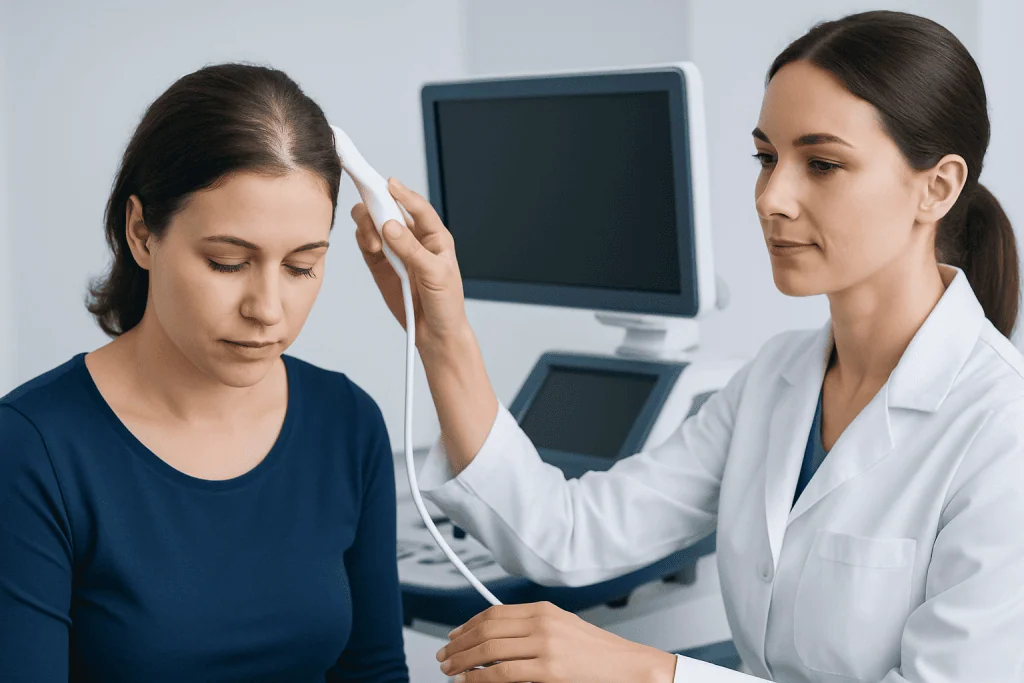
Hair grows in cycles. Most scalp hairs are normally in the active growth phase, called anagen, while a smaller number are in transition or resting phases. When the body is under physical stress or lacks key nutrients such as iron, more hairs may shift earlier than expected into the resting phase. This pattern can lead to diffuse shedding, often called telogen effluvium.
Iron supports oxygen transport, cellular energy production, and many enzyme systems. Hair follicles are metabolically active structures, meaning they rely on a steady supply of nutrients. If iron stores fall, follicle activity may be affected even before a person develops clear anemia on routine testing.
This relationship is one reason doctors may check ferritin, a marker that helps estimate iron stores. Ferritin is not a perfect test on its own, but it can offer useful context when a person has unexplained shedding. Interpreting ferritin levels should always be done alongside symptoms, other laboratory results, and overall health.
Hair loss from iron deficiency is therefore best understood as one possible response to a broader imbalance in the body. The goal is not simply to stimulate hair growth, but to find out why iron is low and restore healthy iron levels safely.
Signs and symptoms: what iron deficiency hair loss looks like
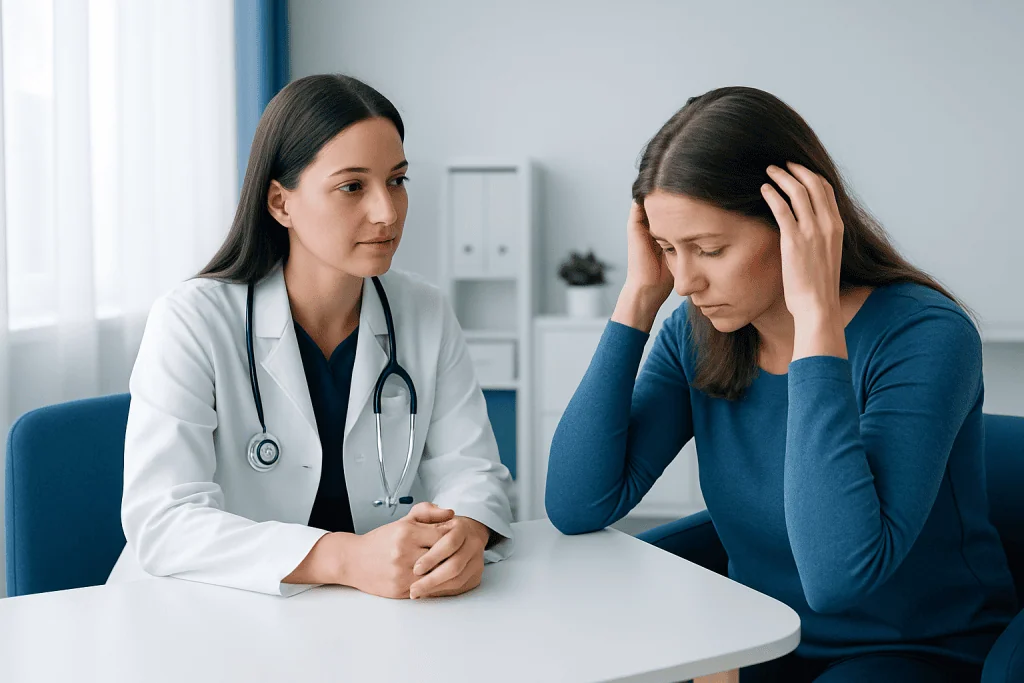
Iron deficiency hair loss usually causes diffuse thinning across the scalp rather than sharply defined bald spots. A person may notice more hairs coming out during washing or brushing, a wider part line, less volume in a ponytail, or a general reduction in thickness over time. The scalp itself often looks normal, without heavy scaling or inflammation.
Because this kind of shedding can resemble other common patterns, symptoms elsewhere in the body may provide clues. Iron deficiency may also cause tiredness, weakness, headaches, reduced exercise tolerance, dizziness, pale skin, brittle nails, or cravings for non-food items such as ice. Not everyone has these symptoms, especially early on.
It is also important to distinguish diffuse shedding from other forms of hair loss. For example, inherited pattern hair loss can affect the top of the scalp gradually over years, while conditions such as alopecia areata more often cause localized smooth patches. Some scalp conditions can cause itching, flaking, redness, or broken hairs, which suggest a different diagnosis.
Because appearance alone cannot reliably confirm low iron as the cause, self-diagnosis is often misleading. A clinician can help determine whether the pattern fits iron deficiency, another hair disorder, or a combination of several factors.
Common causes and risk factors for low iron
Iron deficiency develops when iron intake is too low, the body cannot absorb enough, iron needs increase, or blood loss occurs over time. Menstrual blood loss is a common reason in women of reproductive age. Pregnancy also increases iron needs. In other people, frequent blood donation, restricted diets, heavy endurance exercise, or low overall nutritional intake may contribute.
Digestive problems can also play a role. Conditions that reduce absorption, such as celiac disease, inflammatory bowel disease, or prior stomach or intestinal surgery, may lead to low iron even when diet seems adequate. Long-term blood loss from the digestive tract is another concern, especially in adults who are past menopause or in men, where low iron deserves careful evaluation.
Certain medications and underlying illnesses may affect iron balance as well. In some cases, iron deficiency and hair thinning may occur together with other health issues rather than in isolation. That is one reason doctors may look beyond the scalp and review the full medical history.
Risk factors that may prompt testing include:
- Heavy menstrual periods
- Pregnancy or recent childbirth
- Vegetarian or vegan diets without careful iron planning
- Known digestive disorders or prior gastrointestinal surgery
- Chronic blood loss, including possible digestive bleeding
- Unexplained fatigue together with hair shedding
How doctors diagnose iron deficiency hair loss
Diagnosis starts with a discussion of the hair loss pattern, when shedding began, medical history, medications, diet, and symptoms such as fatigue or heavy periods. A doctor may examine the scalp to look for clues that point toward diffuse shedding, pattern hair loss, inflammation, fungal infection, or scarring disorders. This step is important because treatment depends on the underlying cause.
Blood tests are commonly used to investigate suspected iron deficiency. These may include a complete blood count, ferritin, serum iron, transferrin saturation, and sometimes tests for thyroid function or vitamin deficiencies if symptoms suggest another cause. Results need clinical interpretation, because ferritin can rise in inflammation and may not always reflect iron stores perfectly on its own.
If a person has confirmed iron deficiency, the next question is why it happened. Doctors may ask about menstrual bleeding, pregnancy, diet, digestive symptoms, blood donation, or medicines that affect the stomach. Some people need further evaluation to rule out bleeding or absorption problems. If digestive symptoms are present, assessment by specialists in gastroenterology care may be appropriate.
When the diagnosis remains unclear, a dermatologist may perform additional evaluation for skin and hair assessment. The main aim is to avoid missing another common reason for shedding, since iron deficiency may be only one part of the problem.
Treatment: correcting iron deficiency and supporting regrowth
The main treatment for iron deficiency hair loss is to correct the deficiency and address its cause. This may involve dietary changes, oral iron supplements, or, in some situations, intravenous iron prescribed by a doctor. Treatment decisions depend on laboratory results, symptoms, tolerance of supplements, and the reason iron became low in the first place.
Oral iron is commonly used, but it should not be started long term without medical advice. Taking iron when it is not needed can be harmful, and side effects such as stomach upset or constipation are common. Follow-up blood tests are usually needed to confirm that levels are improving and to decide how long treatment should continue.
Diet can support recovery, although food alone may not fully correct significant deficiency. Iron-rich foods include red meat, poultry, fish, beans, lentils, tofu, dark leafy greens, and iron-fortified cereals. Vitamin C-rich foods may help improve absorption. A doctor or dietitian can help create a plan if dietary intake is a concern.
If there is an underlying medical cause, that also needs treatment. For example, heavy menstrual bleeding may need gynecologic review through gynecology evaluation, and digestive bleeding or malabsorption may need specialist care. Hair regrowth usually lags behind correction of iron levels, so patience is important. Shedding may improve first, while noticeable thickness often returns more slowly over several months.
Prevention, self-care, and realistic expectations
Not all cases of hair loss can be prevented, but maintaining good overall nutrition and addressing symptoms of low iron early may reduce the chance of prolonged deficiency. People with heavy periods, restrictive diets, known digestive disease, or previous iron deficiency may benefit from discussing monitoring with a doctor rather than waiting for symptoms to worsen.
Hair care can also make day-to-day shedding less distressing, even though it does not treat the root cause. Gentle brushing, minimizing harsh heat or chemical treatments, avoiding tight hairstyles, and using mild scalp products may help reduce breakage and cosmetic damage. This can make true shedding easier to assess.
It helps to set realistic expectations. Once treatment begins, hair density does not return immediately because each follicle must move back through its growth cycle. Many people need several months before they can clearly see improvement. Sudden attempts to take multiple supplements at once are usually unhelpful and can complicate diagnosis.
Near the end of the evaluation process, some patients benefit from coordinated care across specialties. Acibadem International’s multidisciplinary specialists at JCI-accredited hospitals diagnose and treat conditions related to hair loss, anemia, and underlying medical causes for international patients.
When to seek medical care
Medical advice is important if hair shedding is persistent, increasing, or accompanied by symptoms such as marked fatigue, shortness of breath, dizziness, chest discomfort, paleness, or rapid heartbeat. A doctor should also assess hair loss if it follows significant illness, surgery, childbirth, or unexplained weight loss, because these situations may point to a broader health issue.
Prompt assessment is especially important for men and for postmenopausal women with suspected iron deficiency, since blood loss from the digestive tract may need investigation. Care is also needed if the scalp is painful, inflamed, scarred, or if hair is falling out in patches rather than diffusely, because these patterns suggest other disorders.
People should avoid self-treating with high-dose iron without testing. Too much iron can be harmful, and not all hair loss improves with iron. If symptoms of anemia are present, blood testing may be needed urgently. In some cases, referral for hematology evaluation may help clarify complex or persistent iron problems.
The most useful next step is a qualified medical evaluation that looks at the whole person, not only the hair. That approach makes it more likely that treatment will address the real cause and support safe, lasting recovery.
Frequently asked questions
Does iron deficiency always cause hair loss?
No. Iron deficiency can contribute to hair shedding, but not everyone with low iron develops noticeable hair loss. Hair thinning usually has multiple possible causes, so medical assessment is important before assuming iron is the only explanation.
What does iron deficiency hair loss usually look like?
It often appears as diffuse shedding or overall thinning across the scalp rather than a single bald patch. Many people notice extra hairs on the brush or in the shower and a reduction in hair volume over time.
Can hair grow back after iron deficiency is treated?
In many cases, yes. If low iron is a contributing cause and it is corrected successfully, shedding may decrease and hair growth can gradually recover. Improvement usually takes months rather than days or weeks.
Should someone take iron supplements for hair loss without testing?
No. Iron supplements should ideally be used under medical guidance because excess iron can be harmful and hair loss may have another cause. Blood tests help confirm whether treatment is appropriate.
Is ferritin the same as iron?
Not exactly. Ferritin is a protein that reflects stored iron in the body, while serum iron measures iron circulating in the blood at that moment. Doctors often interpret ferritin together with other tests to understand iron status more accurately.
How long does it take for hair to recover after iron levels improve?
Recovery varies from person to person, but visible improvement is usually gradual. Shedding may start to settle before thickness returns, and hair often needs several months to cycle back into stronger growth.
References
- National Institutes of Health
- American Academy of Dermatology
- American Society of Hematology
- British Association of Dermatologists
- Mayo Clinic
This article is for general information only and is not a substitute for professional medical advice. Please consult a qualified doctor about your individual situation.
Hair transplant in Turkey — costs, graft counts & a free assessment
JCI-accredited · board-certified surgeons · reply within 24h
Add us as a Preferred Source to see more of our trusted health content across Google Search, AI Overviews and Discover.