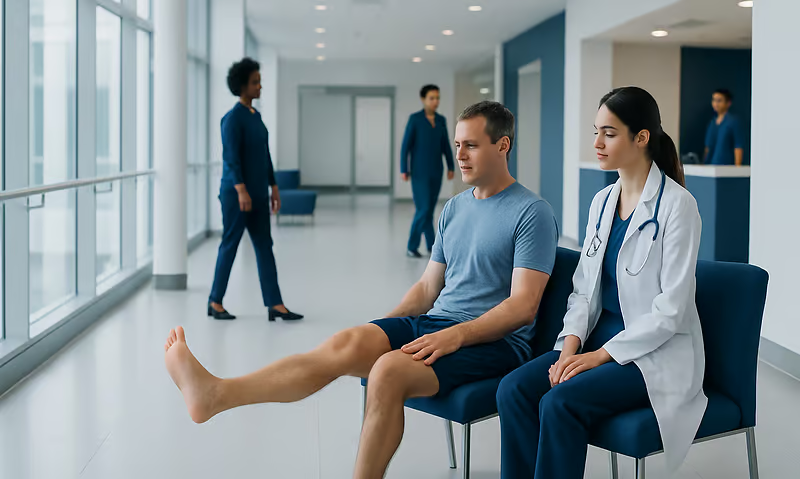
Things You Can’t Do with a Pacemaker — Explained by Medical Evidence, Not Myths

A pacemaker usually does not prevent normal daily life, including walking, travel, and many forms of exercise. The most important precautions involve strong magnets, certain industrial equipment, and some medical procedures.
Key Takeaways
- A pacemaker usually does not prevent normal daily life, including walking, travel, and many forms of exercise.
- The most important precautions involve strong magnets, certain industrial equipment, and some medical procedures.
- Household electronics are generally safe when used correctly and kept at a reasonable distance from the device site.
- Follow-up visits are essential so the pacemaker can be checked and adjusted when needed.
- New symptoms such as dizziness, fainting, palpitations, or redness at the implant site should be assessed by a doctor.
Most people with a pacemaker can work, travel, exercise, and use everyday electronics. The main limits involve avoiding strong magnetic or electromagnetic sources, following device-specific medical advice, and seeking care if symptoms or device concerns develop.
Overview: what people really cannot do with a pacemaker
The honest answer to things you can’t do with a pacemaker is that the list is shorter than many people expect. A pacemaker is designed to help regulate heart rhythm so a person can return to normal activities, not to severely limit daily life. Most people can walk, work, travel, sleep in any comfortable position after healing, and use common home electronics safely.
What usually needs caution is not ordinary living but exposure to strong magnetic fields, intense electrical equipment, and certain medical procedures that may interfere with the device. The exact advice can vary based on the type of pacemaker, whether it also includes other functions, and the person’s heart condition. For that reason, the most reliable source is the cardiology team that implanted and follows the device.
Many restrictions discussed online are based on outdated information or misunderstandings. Modern pacemakers are well shielded, and manufacturers carefully test them against many everyday exposures. Rather than asking what a person can never do, it is often more helpful to ask what activities are safe, what situations need precautions, and when to get medical advice.
What is usually safe after recovery
Once the incision has healed and the doctor confirms recovery is progressing well, most routine activities are allowed. This includes walking, light housework, office work, shopping, traveling by car or plane, and using common household devices such as microwaves, televisions, radios, and Wi-Fi equipment. Sexual activity is also generally safe when the person feels well enough and has no specific restriction from their doctor.
Exercise is often encouraged because it supports overall heart health. Many people with a pacemaker can do walking, cycling, light gym work, and supervised cardiac rehabilitation. The best plan depends on the reason the pacemaker was needed, as some people have related rhythm or structural heart problems such as arrhythmias that influence exercise recommendations.
Driving is commonly allowed, but timing depends on why the pacemaker was implanted. If someone had fainting episodes or serious rhythm problems before implantation, the doctor may advise waiting until the condition is stable. It is important to follow local regulations and the treating physician’s instructions.
- Using a smartphone is usually safe, but it should not be stored directly over the pacemaker pocket.
- Airport security is usually manageable; carrying a device identification card can help.
- Most kitchen appliances, remote controls, and personal computers are safe in normal use.
Devices, tools, and environments that need caution

The clearest examples of things to avoid with a pacemaker are strong magnets and powerful electromagnetic sources. These can sometimes temporarily affect sensing or pacing. For example, keeping magnetic headphones, magnetic phone accessories, or wireless charging magnets directly over the chest is not recommended. Small exposures are not always dangerous, but close and prolonged contact should be avoided.
Some work environments require special review. Industrial welders, large motors, high-voltage equipment, heavy-duty generators, and powerful radiofrequency transmitters may create interference. This does not automatically mean a person cannot work, but the situation should be discussed with the cardiologist and, if needed, the device manufacturer or occupational health team.
Handheld power tools and household tools are often safe if they are in good condition and used as directed, but it is sensible to keep motors and power sources from resting directly against the device site. Anti-theft systems in stores and security gates are also usually safe to pass through, though a person should not linger between the sensors longer than necessary.
- Avoid placing magnets directly on the chest over the pacemaker.
- Ask a doctor before working with industrial electrical equipment or arc welding.
- Use electronic devices normally, but do not press them against the implant area.
- If any device causes dizziness or palpitations, move away and seek advice.
Phones, headphones, home technology, and travel
One of the most common concerns is whether phones and home technology are dangerous. In most cases, they are not. Mobile phones can usually be used safely by holding them to the ear opposite the pacemaker and avoiding carrying them in a chest pocket over the device. This advice is simple and practical, even though modern devices are increasingly resistant to interference.
Wireless earbuds, smartwatches, Bluetooth accessories, tablets, and home routers are generally safe when used normally. The issue is not the internet or Bluetooth signal itself but magnetic components in some accessories. If a product contains magnets, it is best to keep it a short distance away from the pacemaker site rather than draping it over the chest during sleep or rest.
Travel is also possible for most people with a pacemaker. Airport metal detectors and security scanners do not usually damage the device, but a person should inform security personnel and show the device card if asked. On long trips, carrying a current medication list, follow-up details, and the pacemaker identification card is wise.
For people receiving broader heart care, a cardiology team may also coordinate assessments such as cardiology check-up appointments before or after major travel, especially if symptoms have changed or the device was recently implanted.
Medical procedures that may interfere with a pacemaker
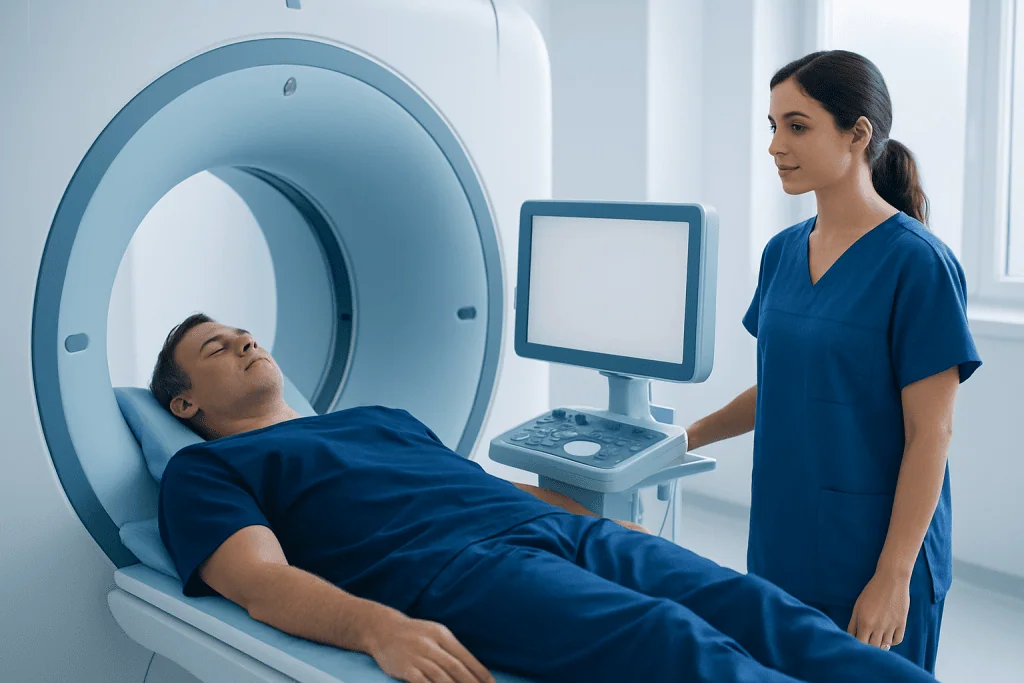
Some of the most important restrictions are medical rather than lifestyle-related. Certain procedures can affect a pacemaker or require special planning. Magnetic resonance imaging (MRI), electrocautery used during surgery, radiation therapy, extracorporeal shock wave treatments, and some nerve or muscle stimulation devices may need precautions. Whether MRI is allowed depends on the device model, leads, and the center’s protocol.
That is why every healthcare professional involved in treatment should be told about the pacemaker, even for dental work, emergency care, or imaging booked outside the cardiology clinic. Device details matter. In some cases, the pacemaker can be checked and temporarily reprogrammed before and after a procedure to improve safety.
People who need evaluation for rhythm symptoms may also undergo tests or treatment through services such as electrophysiology or more detailed heart imaging. If the person has chest symptoms, valve disease, or other structural concerns, a doctor may recommend additional review connected to cardiology care rather than focusing only on the pacemaker itself.
Practical self-care after implantation
Immediately after implantation, short-term restrictions are usually more important than long-term ones. During early healing, the doctor may advise avoiding heavy lifting, repetitive overhead arm movement on the implant side, or vigorous upper-body exercise for a period of time. These temporary limits help reduce the chance of lead displacement and support wound healing.
Longer term, self-care mainly centers on protecting the device area, attending follow-up visits, and understanding the person’s own symptoms. The skin over the pacemaker should be observed for redness, warmth, swelling, drainage, or increasing tenderness. Most people adjust quickly and are eventually unaware of the device during ordinary life.
Regular monitoring matters because batteries do not last forever, and pacing needs can change over time. Many devices can be checked remotely as well as in clinic. Follow-up is especially important for people who also live with broader heart conditions such as heart rhythm disorders, because symptoms may not always be caused by the pacemaker itself.
Near the end of ongoing care planning, some patients choose centers with coordinated device follow-up, imaging, and specialist review. Acibadem International’s multidisciplinary specialists and JCI-accredited hospitals diagnose and treat heart rhythm conditions and provide pacemaker-related care for international patients.
When to seek medical care
A person with a pacemaker should seek medical advice if they develop new or worsening dizziness, fainting, shortness of breath, unusual fatigue, chest discomfort, or palpitations. These symptoms do not always mean the pacemaker has failed, but they should not be ignored. The same applies if the heart rate seems unexpectedly slow or if exercise tolerance changes suddenly.
Prompt medical review is also important if there are signs of an infection or pocket problem at the implant site, such as redness, swelling, fever, drainage, or increasing pain. If a major blow to the chest occurs near the device, the doctor may recommend a device check even if symptoms seem mild.
Emergency care is appropriate for severe chest pain, collapse, difficulty breathing, or prolonged fainting. For non-urgent concerns, contacting the implanting cardiology team is often the best first step because they can decide whether in-clinic testing or remote pacemaker interrogation is needed.
Frequently asked questions
Can a person with a pacemaker use a mobile phone?
Yes, in most cases a mobile phone can be used safely. It is usually advised to hold the phone to the ear opposite the pacemaker and avoid carrying it directly over the device in a chest pocket.
Can a pacemaker wearer go through airport security?
Yes, most people with a pacemaker can go through airport security. It helps to carry the pacemaker identification card and inform security staff, and it is sensible not to remain standing in security gates longer than necessary.
Are microwaves and household appliances safe with a pacemaker?
Modern pacemakers are generally safe around microwaves and most household appliances when they are functioning properly. Routine use of televisions, radios, computers, and kitchen equipment is not usually a problem.
Can exercise damage a pacemaker?
After recovery, many forms of exercise are not only safe but beneficial. The right level depends on the person's heart condition and the reason for implantation, so exercise plans should be reviewed with a doctor, especially after a recent procedure.
What magnets should be avoided with a pacemaker?
Strong magnets and magnetic accessories should not be placed directly over the pacemaker. This includes some magnetic phone mounts, charging devices, headphones, or therapy products that rest on the chest.
Can a person with a pacemaker have an MRI scan?
Sometimes yes, but it depends on the pacemaker system and the imaging center's protocol. The healthcare team must know about the pacemaker before scheduling MRI so they can confirm whether special precautions are needed.
References
- American Heart Association
- Heart Rhythm Society
- National Heart, Lung, and Blood Institute
- U.S. Food and Drug Administration
- European Society of Cardiology
This article is for general information only and is not a substitute for professional medical advice. Please consult a qualified doctor about your individual situation.
Explore treatments in Turkey — costs, top hospitals & a free quote
JCI-accredited · board-certified surgeons · reply within 24h
Add us as a Preferred Source to see more of our trusted health content across Google Search, AI Overviews and Discover.