Is Alcohol a Diuretic? A Doctor-Reviewed Answer

Alcohol can increase urine production by reducing the effect of a hormone that helps the body retain water. Mild dehydration after drinking is common, but heavy drinking can lead to more serious fluid and electrolyte imbalance.
Key Takeaways
- Alcohol can increase urine production by reducing the effect of a hormone that helps the body retain water.
- Mild dehydration after drinking is common, but heavy drinking can lead to more serious fluid and electrolyte imbalance.
- Older adults, people with kidney, heart, or liver conditions, and those taking diuretic medicines may be more affected.
- Doctors assess symptoms, drinking history, hydration status, and sometimes blood or urine tests if dehydration or another condition is suspected.
- Medical care is important for confusion, severe vomiting, fainting, chest pain, trouble breathing, or signs of severe dehydration.
Yes, alcohol is a diuretic, which means it can make the body produce more urine than usual. For many people this is temporary and mild, but it can contribute to dehydration, dizziness, headaches, and other symptoms that may need medical attention in some situations.
Overview: Is alcohol a diuretic?
Yes, alcohol is a diuretic. That means it can increase urine output and make a person urinate more often than usual. In many cases this effect is mild and temporary, especially after small amounts of alcohol, but it can still leave the body somewhat dehydrated.
Alcohol affects a hormone called vasopressin, also known as antidiuretic hormone. This hormone normally helps the kidneys hold on to water. When alcohol reduces its effect, the kidneys release more water into the urine, which is one reason people often notice more bathroom trips after drinking.
For most healthy adults, this does not cause lasting harm if alcohol intake is limited and fluids are replaced. However, alcohol-related dehydration can be more important in hot weather, during exercise, with vomiting or diarrhea, or in people who already have a medical condition affecting fluid balance, such as kidney failure.
How alcohol acts as a diuretic in the body
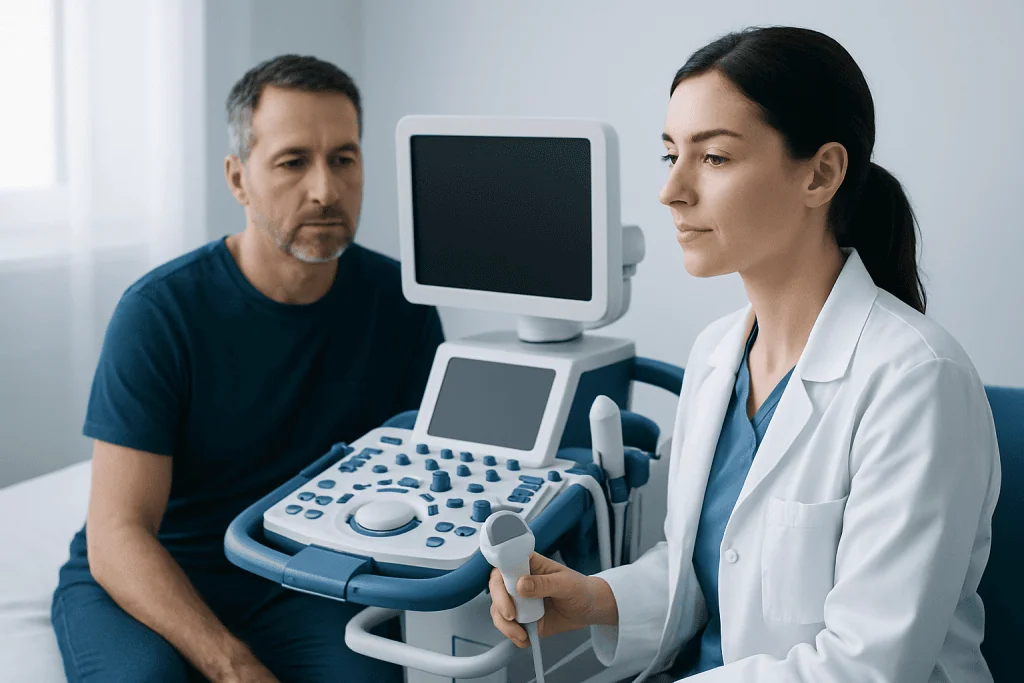
The kidneys constantly filter blood and adjust how much water and salt the body keeps. Vasopressin helps fine-tune this process by signaling the kidneys to reabsorb water. Alcohol interferes with this signaling, so more water leaves the body through urine.
This is why a person may notice frequent urination after beer, wine, or spirits. The effect can vary depending on how much alcohol is consumed, whether it is taken quickly or slowly, a person’s body size, and whether food or water is taken at the same time.
Alcohol does not affect everyone in exactly the same way. Some people may feel only slightly thirsty, while others develop a headache, dry mouth, fatigue, lightheadedness, or a rapid heartbeat from fluid loss. Drinks with higher alcohol content may have a stronger diuretic effect, especially if consumed without enough nonalcoholic fluids.
It is also important to remember that frequent urination is not always caused by alcohol. A person who often urinates even when not drinking may need assessment for other issues, including urinary conditions, diabetes, medication side effects, or urinary tract infection.
Common effects and symptoms linked to alcohol-related fluid loss

The most noticeable effect is needing to urinate more often. Along with this, a person may feel thirsty or develop a dry mouth. Some people also notice darker urine later on, tiredness, or mild dizziness when standing up.
Alcohol-related dehydration can also contribute to hangover symptoms. Headache, weakness, nausea, reduced concentration, and general malaise may all feel worse when the body has lost fluids. Poor sleep, low blood sugar, and irritation of the stomach lining can add to these symptoms.
In some cases, the concern is not just water loss but also a change in electrolytes such as sodium and potassium. This is more likely with heavy drinking, repeated vomiting, sweating, or prolonged alcohol use. Electrolyte imbalance can affect muscle function, heart rhythm, and mental clarity.
- Frequent urination
- Thirst or dry mouth
- Headache
- Fatigue or weakness
- Lightheadedness
- Nausea
- Muscle cramps in more significant dehydration
Who may be more affected by alcohol's diuretic effect?
Some people are more vulnerable to fluid loss than others. Older adults may have a lower sense of thirst and may become dehydrated more easily. People exercising, traveling in hot climates, or spending time in saunas or sunny environments can also lose more fluid on top of alcohol’s diuretic effect.
Medical conditions matter as well. People with kidney disease, heart failure, liver disease, diabetes, or a history of kidney stones may need to be especially careful. In these situations, fluid balance can be more delicate, and alcohol may worsen symptoms or complicate treatment.
Medicines are another important factor. Diuretic tablets, some blood pressure medicines, laxatives, and certain diabetes treatments can affect fluid status. Combining these with alcohol may increase the chance of dizziness, dehydration, or low blood pressure. Anyone unsure about interactions should ask a qualified clinician or pharmacist.
Heavy or regular alcohol intake can also cause health problems beyond dehydration. If drinking is persistent or difficult to control, a doctor may assess for liver, digestive, heart, or mental health effects, and may recommend supportive care or treatment for alcohol misuse.
When to seek medical care
In many cases, extra urination after drinking alcohol improves with rest, water, and time. However, some symptoms suggest that medical review is needed. Red flags include confusion, fainting, severe weakness, chest pain, trouble breathing, seizures, or an inability to keep fluids down because of repeated vomiting.
Care is also important if there are signs of significant dehydration, such as very little urine, extreme thirst, a racing heartbeat, worsening dizziness, or marked drowsiness. A person should seek prompt medical help if they may have alcohol poisoning, have mixed alcohol with other substances, or have an underlying condition that puts them at risk.
A non-urgent medical visit may be helpful when frequent urination continues even without alcohol, when symptoms happen after very small amounts of alcohol, or when there is concern about kidney, bladder, or metabolic problems. In some cases, a doctor may evaluate for related concerns and use tests such as blood work or urinalysis to look for dehydration, infection, or other causes.
How doctors evaluate symptoms after drinking
When a person seeks care, the doctor usually starts with a careful history. They may ask how much alcohol was consumed, over what period, whether food or water was taken, and whether symptoms include vomiting, diarrhea, fever, chest discomfort, or confusion. They also ask about medical conditions and current medicines that could affect hydration.
The physical exam often focuses on signs of dehydration and complications. This may include checking blood pressure, pulse, temperature, mental status, and looking for dry mucous membranes or poor skin turgor. If dizziness occurs on standing, blood pressure changes may provide useful clues.
Testing is not always needed for mild cases. If symptoms are more significant, a doctor may order blood tests to check kidney function, blood sugar, and electrolyte levels. Depending on the situation, imaging or further evaluation may be used to rule out another cause for symptoms, such as digestive bleeding, infection, or severe metabolic imbalance.
Assessment is guided by the person’s age, overall health, and severity of symptoms. If kidney function is a concern, doctors may consider further evaluation through services such as nephrology care to look for broader causes of fluid and electrolyte problems.
Treatment and what helps recovery
The main treatment for mild alcohol-related dehydration is fluid replacement and rest. Water is often enough for mild symptoms, while oral rehydration solutions may help if there has been more significant fluid loss. Eating a light meal can also support recovery, especially if alcohol was consumed on an empty stomach.
A person should avoid drinking more alcohol to “balance out” symptoms. It is also wise to be cautious with caffeine, since it may worsen jitteriness or stomach upset in some people. If vomiting is severe, confusion develops, or a person cannot safely drink fluids, medical treatment may be needed.
In a healthcare setting, treatment may include observation, anti-nausea support, electrolyte correction, or intravenous therapy if oral fluids are not enough. Doctors may also treat any related problem, such as low blood sugar, an infection, or a flare of a chronic disease.
For people who drink heavily or regularly, treatment may also involve discussing safer alcohol use or support for reducing intake. This is handled individually and respectfully, with attention to both physical and emotional health.
Prevention and practical self-care
The best way to reduce alcohol’s diuretic effect is moderation. Drinking slowly, limiting the total amount, and alternating alcoholic drinks with water can help many people avoid feeling unwell. Eating before and during drinking may also reduce rapid absorption and lessen some side effects.
It can help to pay attention to early signs of dehydration rather than waiting until symptoms become stronger. Thirst, dry mouth, dark urine, and lightheadedness are useful reminders to pause alcohol intake and hydrate. People who are ill, have been exercising heavily, or are exposed to heat may benefit from extra caution.
People with kidney, liver, or heart conditions should ask their doctor what amount of alcohol, if any, is safe for them. Those taking medicines that affect fluid balance should also review this with a clinician. Acibadem International’s multidisciplinary specialists in JCI-accredited hospitals diagnose and treat conditions related to hydration, kidney health, and alcohol-related symptoms for international patients.
Anyone who notices ongoing urinary symptoms, repeated dehydration, or unusual reactions to alcohol should not assume alcohol is the only explanation. A medical review can clarify whether symptoms are simply temporary or related to another condition.
Frequently asked questions
Why does alcohol make a person pee more?
Alcohol reduces the effect of a hormone called vasopressin, which normally helps the kidneys retain water. When that hormone effect drops, the kidneys release more water into the urine, so urination becomes more frequent.
Is every alcoholic drink a diuretic?
Alcohol itself has a diuretic effect, so beer, wine, and spirits can all increase urine output. The strength of the effect may vary with the amount consumed, alcohol concentration, and whether water and food are taken at the same time.
Can alcohol cause dehydration after only one or two drinks?
It can, although the effect is often mild in healthy adults. Some people are more sensitive, especially if they are older, taking certain medicines, have not eaten, or are already dehydrated from heat, exercise, vomiting, or illness.
Does drinking water with alcohol help?
Yes, alternating alcohol with water can help reduce fluid loss and may lessen symptoms such as thirst, headache, and dizziness. It does not make heavy drinking safe, but it can support hydration.
When is frequent urination after drinking not normal?
It may need review if urination stays frequent after the alcohol effect should have worn off, happens even without drinking, or comes with pain, fever, blood in the urine, or marked thirst. In those cases, a clinician may look for urinary, kidney, or metabolic causes.
Can alcohol's diuretic effect be dangerous?
For most people, it is mild and temporary. It becomes more concerning when it leads to significant dehydration, electrolyte imbalance, fainting, confusion, or complications in someone with heart, kidney, liver, or diabetes-related conditions.
This article is for general information only and is not a substitute for professional medical advice. Please consult a qualified doctor about your individual situation.
Explore treatments in Turkey — costs, top hospitals & a free quote
JCI-accredited · board-certified surgeons · reply within 24h
Add us as a Preferred Source to see more of our trusted health content across Google Search, AI Overviews and Discover.
Check your numbers in seconds
BMI, calories, due date, blood pressure and 30+ more clinical calculators — free, instant, doctor-reviewed ranges.

More from the Health Library

Is Repatha a Statin? Causes, Explanations, and Next Steps

Ulcerative Colitis Symptoms in Females: Possible Causes and When to Seek Care

Tizanidine vs Cyclobenzaprine: Key Differences and How Doctors Tell Them Apart

Lumps and Itchy Scalp Explained: Common Triggers and Red Flags

Can You Eat Potatoes That Have Sprouted? Causes, Explanations, and Next Steps