Is Pneumonia Contagious? Causes, Explanations, and Next Steps

Pneumonia is not one single illness; how contagious it is depends on the underlying cause. Viral pneumonia and some bacterial pneumonias can spread through respiratory droplets and close contact.
Key Takeaways
- Pneumonia is not one single illness; how contagious it is depends on the underlying cause.
- Viral pneumonia and some bacterial pneumonias can spread through respiratory droplets and close contact.
- Aspiration pneumonia and many fungal pneumonias are generally not passed from one person to another.
- Early symptoms can resemble a cold or flu, but breathing difficulty, chest pain, or worsening fever need medical attention.
- Doctors diagnose pneumonia using a medical history, physical exam, and sometimes chest imaging and lab tests.
Pneumonia can be contagious, but not every type spreads from person to person. Whether it is contagious depends on the cause, with viral pneumonia and some bacterial pneumonias more likely to spread than aspiration or fungal pneumonia.
Overview: Is pneumonia contagious?
Yes, pneumonia can be contagious, but not always. The short answer is that some forms of pneumonia spread between people, especially those caused by viruses and certain bacteria, while other forms, such as aspiration pneumonia, usually do not spread from person to person.
For many otherwise healthy people, mild respiratory infections improve without causing serious complications. Still, when symptoms suggest pneumonia, it is important to pay attention to warning signs such as shortness of breath, chest pain, confusion, dehydration, or a high fever that does not settle. These are the situations where medical review is especially important.
Pneumonia is an infection or inflammation of the air sacs in one or both lungs. These air sacs, called alveoli, may fill with fluid or pus, making it harder for oxygen to move into the blood. Because pneumonia can develop after a cold, influenza, or another respiratory infection, people often wonder not only whether they have it, but also whether they might pass it to others.
The key point is that the contagious part is usually the germ causing the pneumonia, not the lung inflammation itself. That is why understanding the cause helps explain both the risk to close contacts and the best next steps for diagnosis, treatment, and recovery.
How pneumonia spreads and when it does not
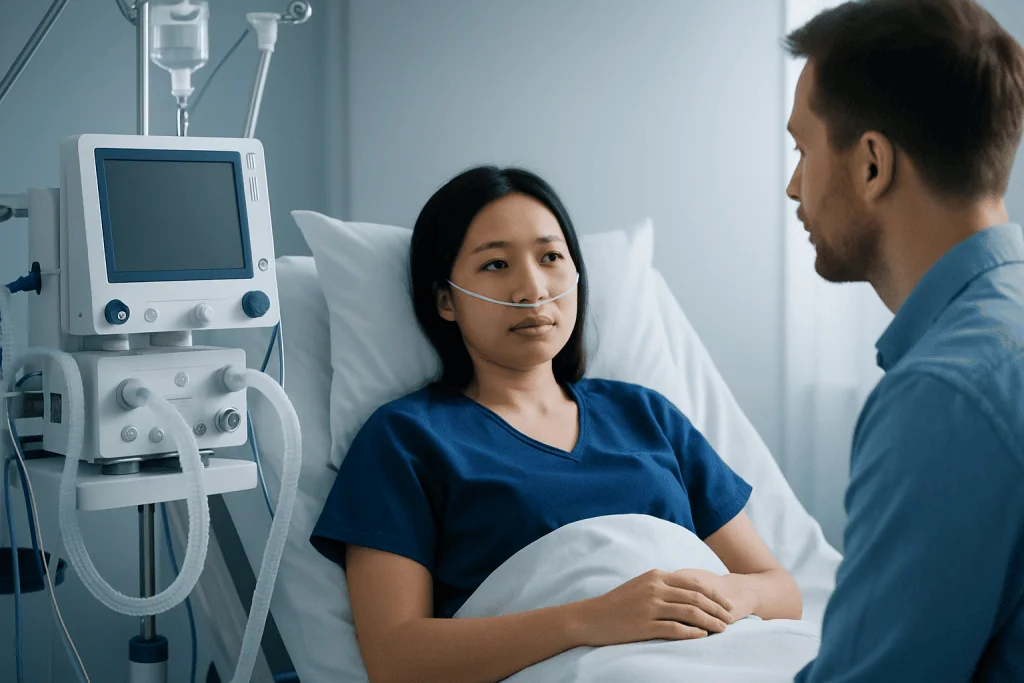
When pneumonia is contagious, it usually spreads in the same general way as other respiratory infections. Germs may travel in droplets released when an infected person coughs, sneezes, talks, or has close face-to-face contact with others. Transmission can also happen when a person touches a contaminated surface and then touches the nose, mouth, or eyes, although this is not the main route for every infection.
Viral pneumonia is often contagious because the viruses that cause it spread readily, especially in households, schools, shared indoor spaces, and healthcare settings. Common respiratory viruses can first cause an upper respiratory illness and then move deeper into the lungs in some people. In these cases, a person may be contagious before pneumonia is even recognized.
Bacterial pneumonia may also be contagious, but this depends on the specific bacteria involved. Some bacteria that cause pneumonia can spread between people, especially through close contact. However, not everyone exposed will develop pneumonia; some may develop only a mild respiratory infection, and others may not become ill at all.
Other types usually are not considered contagious. Aspiration pneumonia happens when food, liquid, saliva, or stomach contents enter the lungs, causing irritation and infection. This is not something that is caught from another person. Fungal pneumonia is usually acquired from the environment rather than through direct person-to-person spread, although very specific exceptions can exist in specialized medical contexts.
Types of pneumonia and their contagiousness
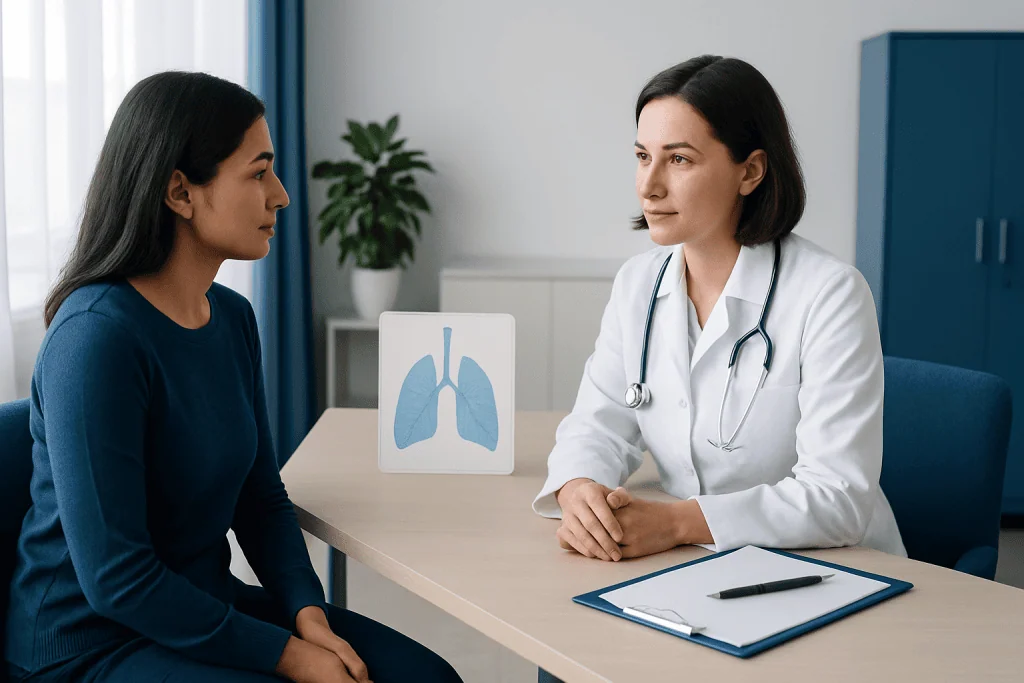
Thinking about pneumonia by type can make the answer clearer. Community-acquired pneumonia develops outside the hospital setting and may be caused by bacteria, viruses, or less commonly other organisms. Some community-acquired cases are contagious, especially if a respiratory virus or a spreadable bacterium is responsible.
Hospital-acquired and healthcare-associated pneumonia develop in medical settings, often in people who are already unwell. These infections may involve bacteria that are more resistant to standard antibiotics. Some of the germs can spread in healthcare environments, which is why infection-control steps such as hand hygiene, masks when appropriate, and isolation precautions matter.
Aspiration pneumonia is different because it is linked to swallowing problems, reduced consciousness, reflux, or neurological disease rather than direct exposure to another sick person. People with stroke, dementia, sedation, or severe reflux may be at higher risk. This form is generally not contagious, even though it can still be serious and needs medical assessment.
Some cases are described as “walking pneumonia,” often linked to milder symptoms and sometimes caused by organisms such as Mycoplasma pneumoniae. These infections can spread, but symptoms may be subtle, which can make transmission easier before a person realizes they are ill. Related respiratory infections may overlap with bronchitis or viral illnesses, so a professional assessment can help distinguish them.
Symptoms to watch for and red flags
Pneumonia symptoms can range from mild to severe. Common symptoms include cough, fever, chills, fatigue, shortness of breath, and chest discomfort that may feel worse with deep breathing or coughing. Some people produce mucus, while others have a dry cough, especially early on or with certain viral infections.
Symptoms may look different depending on age and overall health. Older adults may have less obvious fever and instead appear weak, confused, sleepy, or less able to eat and drink. Children may breathe quickly, seem unusually tired, have a reduced appetite, or show signs of increased work of breathing such as flaring nostrils or pulling in of the skin between the ribs.
Several red flags suggest a need for prompt medical review. These include difficulty breathing, bluish lips or fingertips, chest pain, persistent high fever, confusion, severe dehydration, worsening symptoms after initial improvement, or low oxygen levels if they are being monitored at home. People with chronic lung disease, heart disease, cancer, weakened immunity, or advanced age should seek advice earlier because they may be more vulnerable to complications.
It can also help to know that pneumonia may follow influenza, COVID-19, or another respiratory infection. A person who seemed to be recovering but then develops a new fever, worsening cough, or increasing breathlessness may need evaluation for pneumonia or another complication such as lung disease or an exacerbation of an existing respiratory condition.
Causes and risk factors
Pneumonia has many possible causes. Viruses are a common cause, particularly during respiratory infection seasons. Bacteria are another major cause, and in some cases fungi or aspiration may be responsible. Less commonly, pneumonia can occur in people with reduced immune defenses due to medical treatment or underlying conditions.
Several factors increase the chance of developing pneumonia after exposure to a germ. These include very young or older age, smoking, chronic lung disease such as asthma or COPD, heart disease, diabetes, kidney disease, weakened immunity, and recent viral illness. Poor nutrition, heavy alcohol use, and reduced ability to cough effectively can also make it easier for infection to settle in the lungs.
Risk factors for aspiration pneumonia are somewhat different. Trouble swallowing, stroke, neurological disease, reflux, vomiting, sedation, and reduced consciousness can all increase the chance of material entering the lungs. This is why prevention sometimes involves swallowing evaluation, careful feeding strategies, and management of underlying conditions.
Although exposure to a contagious germ matters, exposure alone does not determine who becomes seriously ill. Two people in the same household may have very different outcomes depending on age, vaccination status, smoking history, and pre-existing health problems. That is one reason prevention and early recognition are so important.
How doctors diagnose pneumonia
If pneumonia is suspected, a doctor usually starts with questions about symptoms, recent infections, medical history, medications, smoking, and any contact with sick people. The doctor will then examine the person, checking temperature, breathing rate, heart rate, oxygen level, and the sounds in the lungs with a stethoscope. These first steps often provide important clues.
Chest imaging is commonly used when the diagnosis is uncertain or when symptoms are moderate to severe. A chest X-ray can show areas of infection in the lungs, though not every early case is obvious on imaging. In some situations, further imaging may be needed, especially if another condition must be ruled out or complications are suspected.
Additional tests depend on the severity of illness and the patient’s risk factors. A clinician may order blood tests, a sputum sample, viral testing, or pulse oximetry to assess oxygen levels. In more complex cases, doctors may consider bronchoscopy or advanced chest disease evaluation and treatment to look more closely at the airways and identify the cause.
This step-by-step approach matters because treatment depends on the underlying cause and on how sick the person is. The same cough and fever can come from viral pneumonia, bacterial pneumonia, asthma flare, heart failure, or another lung condition, so a careful evaluation helps avoid both undertreatment and unnecessary medication.
Treatment options and protecting others
Treatment depends on the cause of pneumonia, the person’s age, overall health, and how severe the symptoms are. Viral pneumonia may improve with supportive care such as rest, fluids, fever control, and close monitoring, though specific antiviral treatment may be appropriate in some cases. Bacterial pneumonia is treated with antibiotics when indicated. Oxygen, inhaled therapies, or hospital care may be needed if breathing is affected.
Self-care during recovery usually includes staying hydrated, resting, following the treatment plan exactly, and avoiding smoking or secondhand smoke. Many people begin to feel better gradually rather than all at once. Fatigue and cough can take time to settle even after the main infection is improving.
To reduce the chance of spreading a contagious cause of pneumonia, practical measures include covering coughs and sneezes, washing hands regularly, cleaning shared surfaces, wearing a mask when advised or when coughing around others, and staying home when feverish or unwell. It also helps to avoid close contact with infants, older adults, and people with weakened immunity until a clinician advises that the risk is lower.
People with severe or recurring symptoms may benefit from specialist assessment in pulmonology and, when chest imaging is needed, radiology. Near the end of the care pathway, some international patients may choose evaluation at Acibadem International, where multidisciplinary specialists in JCI-accredited hospitals diagnose and treat respiratory conditions.
Prevention, self-care, and when to seek medical care
Prevention focuses on lowering both exposure risk and the chance that an infection will become more serious. Vaccination can be an important part of prevention for eligible adults and children, including recommended vaccines for influenza, COVID-19, and pneumococcal disease. Smoking cessation, good nutrition, hand hygiene, and management of chronic illnesses also help protect lung health.
At home, supportive care is reasonable for mild respiratory symptoms when breathing is comfortable and the person is drinking fluids, staying alert, and gradually improving. It is still sensible to monitor symptoms closely, especially in older adults and young children, because deterioration can happen after what first seems like a simple viral illness.
Medical care should be sought promptly if there is shortness of breath, chest pain, confusion, persistent high fever, worsening cough, bluish lips, low oxygen readings, signs of dehydration, or symptoms in a very young infant. People with weakened immunity, pregnancy, significant chronic disease, or recent hospitalization should speak to a clinician earlier even if symptoms seem moderate.
In short, pneumonia is sometimes contagious and sometimes not. The safest next step is to focus less on the label alone and more on the likely cause, the severity of symptoms, and the person’s risk factors. A qualified doctor can determine whether testing, imaging, treatment, or home care is the right course.
Frequently asked questions
Is pneumonia contagious from one person to another?
Sometimes. Pneumonia caused by viruses and some bacteria can spread between people, but aspiration pneumonia usually does not. Whether someone is contagious depends on the germ causing the infection rather than the word pneumonia itself.
How long is a person with pneumonia contagious?
This depends on the cause and whether treatment has started. In general, a person may be most contagious while they have active respiratory symptoms such as coughing and fever. A doctor can give more specific guidance based on the likely organism and the person's response to treatment.
Can you catch pneumonia just by being near someone who is coughing?
It is possible to catch the virus or bacteria that may lead to pneumonia, especially with close indoor contact. However, not everyone exposed develops pneumonia; some people may only get a mild infection or no illness at all. Risk is influenced by age, immune status, smoking, and underlying health conditions.
Is bacterial pneumonia more contagious than viral pneumonia?
Not necessarily. Both bacterial and viral causes can spread, but contagiousness varies by the specific organism. Viral infections often spread easily in households and shared spaces, while some bacterial infections are less transmissible or require closer contact.
When should someone see a doctor for possible pneumonia?
A doctor should be contacted if there is shortness of breath, chest pain, persistent fever, confusion, worsening cough, dehydration, or symptoms in an older adult, infant, or immunocompromised person. Medical review is also important if a cold or flu seems to improve and then suddenly gets worse.
Can pneumonia go away on its own?
Some mild viral cases may improve with rest, fluids, and supportive care. But pneumonia can also become serious, especially in vulnerable groups, so it should not be assumed that all cases will resolve without medical advice. A professional evaluation helps determine whether antibiotics, imaging, or monitoring are needed.
References
- World Health Organization
- Centers for Disease Control and Prevention
- National Heart, Lung, and Blood Institute
- American Lung Association
- National Health Service
This article is for general information only and is not a substitute for professional medical advice. Please consult a qualified doctor about your individual situation.
Pneumonia in Turkey — costs, top hospitals & a free quote
JCI-accredited · board-certified surgeons · reply within 24h
Add us as a Preferred Source to see more of our trusted health content across Google Search, AI Overviews and Discover.

More from the Health Library



Related Specialists

Prof. Dr. Yasemin Ersoy
Clinical Laboratory
Assoc. Prof. Dr. Fatih Büyükcam
Emergency Service
Dr. Kürşat Gül
Anesthesiology
Prof. Dr. Murat Toprak
Otorhinolaryngology