

Is Sleeping on Your Stomach Bad? Here Is What the Evidence Says

Sleeping on the stomach is often harmless, but it is not the most supportive position for the spine. This sleep position may increase neck stiffness, low back discomfort, shoulder pressure, and hand numbness in some people.
Key Takeaways
- Sleeping on the stomach is often harmless, but it is not the most supportive position for the spine.
- This sleep position may increase neck stiffness, low back discomfort, shoulder pressure, and hand numbness in some people.
- People with sleep apnea symptoms, frequent reflux, or ongoing pain may benefit from a medical review and sleep-position changes.
- Simple adjustments such as a thinner pillow, support under the pelvis, and side-sleep training can reduce strain.
- A doctor may assess symptoms with a physical exam and, when needed, imaging or a sleep study.
For many people, stomach sleeping is not dangerous and may simply be a personal preference. The main concern is that it can place the neck, lower back, shoulders, and nerves in less neutral positions, so it may contribute to pain, poor sleep quality, snoring, or reflux in some individuals.
Overview: What the Evidence Says
In most cases, the answer to “is sleeping on your stomach bad” is no—not inherently. Many healthy adults sleep this way without any serious problem. However, compared with side or back sleeping, stomach sleeping is more likely to place the neck in a twisted position and flatten the natural curve of the spine, which can lead to discomfort or disturbed sleep in some people.
Research on sleep position tends to focus less on whether one position is universally “bad” and more on how it affects symptoms. Stomach sleeping can sometimes reduce snoring for certain people, but it may also increase pressure on the neck, shoulders, chest, and lower back. For people who already have pain, tingling, reflux, or suspected sleep-disordered breathing, the position may make symptoms more noticeable.
A practical way to think about stomach sleeping is this: if a person wakes rested, has no persistent pain, and does not have red-flag symptoms, the habit is often harmless. If they regularly wake with neck stiffness, back pain, numb hands, headaches, heartburn, or loud snoring with pauses in breathing, it is reasonable to look more closely at sleep posture and discuss it with a clinician.
How Stomach Sleeping Can Affect the Body
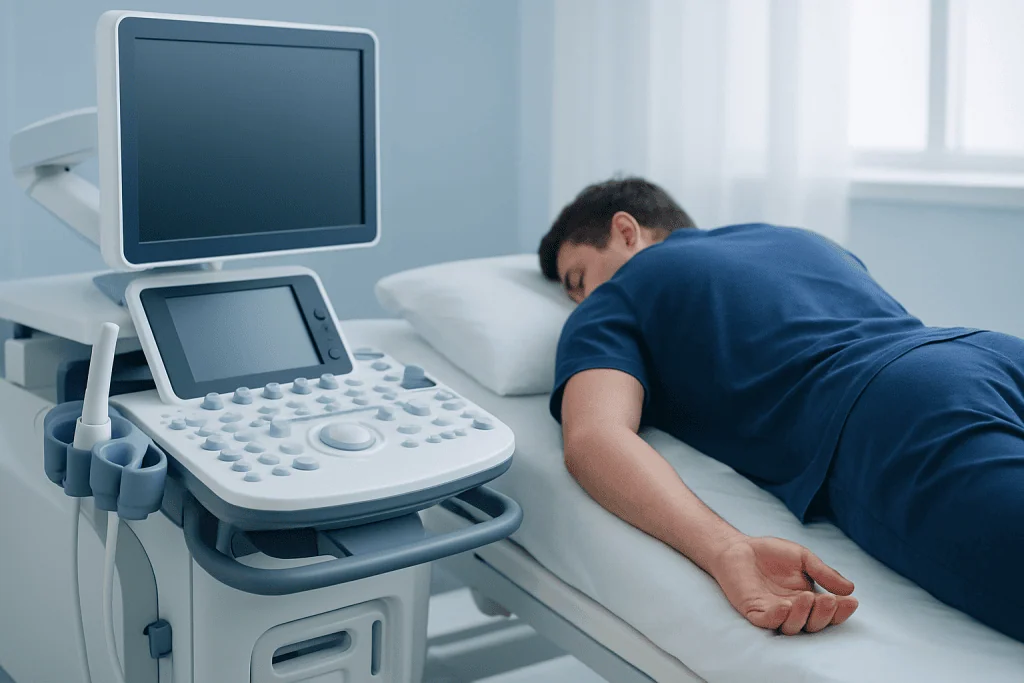
The most common issue is neck rotation. To breathe while lying face down, a person usually turns the head sharply to one side for long periods. This can irritate neck joints and muscles and may contribute to morning stiffness, tension-type headaches, or pain that radiates into the shoulder. In people who already have cervical strain or a herniated disc, this position may aggravate symptoms.
The lower back can also be affected. Stomach sleeping may increase arching through the lumbar spine, especially if the mattress is soft or the abdomen and pelvis sink lower than the chest. That extra extension can bother people with mechanical low back pain or poor core support. Some people also notice pressure on the ribs, shoulders, or jaw if the face is pressed into the pillow.
Nerve compression is another possible concern. A shoulder held overhead, or a wrist tucked under the body, can reduce circulation or compress nerves temporarily. This may cause hand numbness, pins-and-needles, or a “dead arm” on waking. While this often resolves quickly, frequent episodes suggest the sleep setup may be placing the limbs under unnecessary stress.
- Neck pain or stiffness
- Low back discomfort
- Shoulder soreness or arm tingling
- Jaw pressure or facial creasing
- Interrupted sleep from discomfort
Who May Be More Likely to Have Problems

Stomach sleeping is more likely to be troublesome when a person already has an underlying condition. Existing neck or back pain, scoliosis, nerve irritation, arthritis, pregnancy, obesity, and reduced shoulder flexibility can all make face-down sleeping less comfortable. If a person has already been evaluated for sleep apnea, reflux, or chronic spinal pain, their sleep position becomes more clinically relevant.
People with frequent heartburn may also notice symptoms vary by position. While left-side sleeping is often preferred for reflux, lying flat on the stomach can be uncomfortable for some people, especially after late meals. In others, pressure on the abdomen may make bloating feel worse. The effect is individual, but repeated nighttime burning or sour taste deserves attention.
Snoring and breathing symptoms deserve a balanced view. Some people snore less when not on their back, but stomach sleeping does not reliably prevent obstructive sleep apnea. If there are loud snoring episodes, witnessed pauses in breathing, gasping during sleep, or marked daytime sleepiness, a sleep assessment is more useful than relying on sleep position alone.
Signs It May Be Time to Change Sleep Position
A person does not need to change from stomach sleeping simply because articles call it “bad.” A more useful question is whether the position is linked to recurring symptoms. Morning pain that improves during the day, repeated nighttime waking to shift position, numbness in the hands, or headaches after sleep may all suggest the body is not resting in a neutral way.
Partners sometimes notice clues first. Loud snoring, restless sleep, breath-holding episodes, or frequent tossing and turning can indicate that a sleep position is not providing stable, restorative sleep. Children and adults alike may benefit from further evaluation if these symptoms are persistent.
If changing position seems difficult, small adjustments can still help. A thinner pillow under the head, a small pillow under the pelvis or lower abdomen, and keeping one arm down rather than overhead may reduce strain. Some people transition gradually to side sleeping with a body pillow or by placing a pillow behind the back to prevent rolling forward.
When to Seek Medical Care
Stomach sleeping is usually not an emergency concern, but certain symptoms should prompt a medical review. Ongoing neck or back pain lasting more than a few weeks, pain that wakes a person regularly, weakness, persistent tingling, or numbness that does not quickly resolve can point to something more than simple sleep posture.
Breathing-related symptoms also matter. Loud habitual snoring, choking or gasping during sleep, witnessed pauses in breathing, morning headaches, dry mouth, poor concentration, or excessive daytime sleepiness may suggest a sleep-related breathing disorder. In these cases, a doctor may recommend further evaluation through a sleep clinic, including a sleep study.
Medical care is also appropriate for reflux symptoms that repeatedly disturb sleep, chest discomfort, severe shoulder pain, or any sudden neurologic symptoms. International patients seeking assessment may also find support at Acibadem International, where multidisciplinary specialists in JCI-accredited hospitals evaluate sleep, spine, and related symptoms in a coordinated way.
How Doctors Evaluate Symptoms Related to Sleep Position
If a person asks a doctor, “is sleeping on your stomach bad for me?” the answer usually depends on symptoms and medical history. The evaluation often begins with when the pain occurs, how long it lasts, whether there is numbness or weakness, what the mattress and pillows are like, and whether snoring, reflux, or fatigue are present. A sleep diary or notes from a bed partner can be helpful.
A physical examination may include posture, spinal alignment, range of motion in the neck and shoulders, muscle tenderness, and a basic neurologic assessment. If symptoms suggest a structural problem, the clinician may arrange imaging such as MRI or other tests to look for disc, joint, or soft-tissue causes. When arm symptoms are prominent, evaluation may focus on cervical nerve irritation or shoulder impingement.
For suspected breathing problems during sleep, a clinician may ask about weight changes, nasal congestion, alcohol use, sedating medications, and daytime function. If symptoms fit sleep-disordered breathing, formal testing may be advised. In selected cases of stubborn snoring or airway blockage, referral to specialists in ENT care can help identify nasal, throat, or structural contributors.
Self-Care, Safer Sleep Setup, and Alternatives
If stomach sleeping feels comfortable and causes no symptoms, major changes may not be necessary. Still, there are ways to make it gentler on the body. Many experts suggest using a thin pillow or no pillow under the head to limit neck twisting, along with a small support under the lower abdomen or pelvis to reduce strain on the low back. A medium-firm mattress may also help keep the spine more neutral.
For people trying to move away from stomach sleeping, side sleeping is often a realistic next step. A pillow between the knees can support the hips and lower back, while a body pillow can make the position feel secure. Back sleeping can also work well for some people, though it may worsen snoring in others. The best sleep position is the one that supports breathing and comfort without causing regular pain.
Good sleep habits matter as much as position. These include keeping a consistent sleep schedule, limiting heavy meals close to bedtime, managing nasal congestion, reducing alcohol near sleep, and replacing old pillows or mattresses when they no longer provide support. If pain is persistent, targeted evaluation and treatments such as physical therapy and rehabilitation may be more effective than position changes alone.
Frequently asked questions
Is sleeping on your stomach bad for everyone?
No. Many people sleep on their stomach without any health problem. It becomes more of a concern when it is linked to recurring neck pain, back pain, numbness, poor sleep, loud snoring, or reflux.
Why does stomach sleeping cause neck pain?
To breathe while face down, the head usually stays turned to one side for a long time. That sustained rotation can strain the neck muscles and joints and may lead to morning stiffness or headaches.
Can stomach sleeping make back pain worse?
It can in some people, especially if the lower back arches too much on a soft mattress. People with existing low back problems may notice more morning discomfort from this position.
Is stomach sleeping better for snoring?
Sometimes it may reduce snoring compared with lying flat on the back, but it does not reliably treat sleep apnea. If snoring is loud, frequent, or accompanied by pauses in breathing, medical assessment is important.
How can a person sleep on the stomach more safely?
Using a thin pillow or no head pillow, adding a small pillow under the pelvis, and avoiding sleeping with one arm overhead may reduce strain. A supportive mattress and attention to overall sleep hygiene can also help.
Should someone force themselves to stop stomach sleeping?
Not necessarily. If the position is comfortable and there are no concerning symptoms, there may be no need to change it. If symptoms are frequent, gradual transition to side sleeping is often easier than trying to change overnight.
When should stomach sleeping be discussed with a doctor?
A doctor should be consulted for persistent neck or back pain, repeated arm numbness, weakness, severe reflux, or signs of sleep apnea such as gasping, witnessed pauses in breathing, and daytime sleepiness. These symptoms may need evaluation beyond simple posture advice.
References
- American Academy of Sleep Medicine
- National Institute of Neurological Disorders and Stroke
- National Institute of Arthritis and Musculoskeletal and Skin Diseases
- Mayo Clinic
- National Health Service
This article is for general information only and is not a substitute for professional medical advice. Please consult a qualified doctor about your individual situation.
Persistent digestive symptoms? Get evaluated in Turkey
JCI-accredited · board-certified surgeons · reply within 24h
Add us as a Preferred Source to see more of our trusted health content across Google Search, AI Overviews and Discover.

More from the Health Library



Related Specialists

Assoc. Prof. Dr. Emrullah Hayta
Physical Medicine & Rehabilitation
Dr. Perissa Seyed
Radiology
Prof. Dr. Mustafa Sofikerim
Urology
Fzt. Munise Nilay Güven
Physical Medicine & Rehabilitation