Is the Brain a Muscle? Common Brain Myths Explained
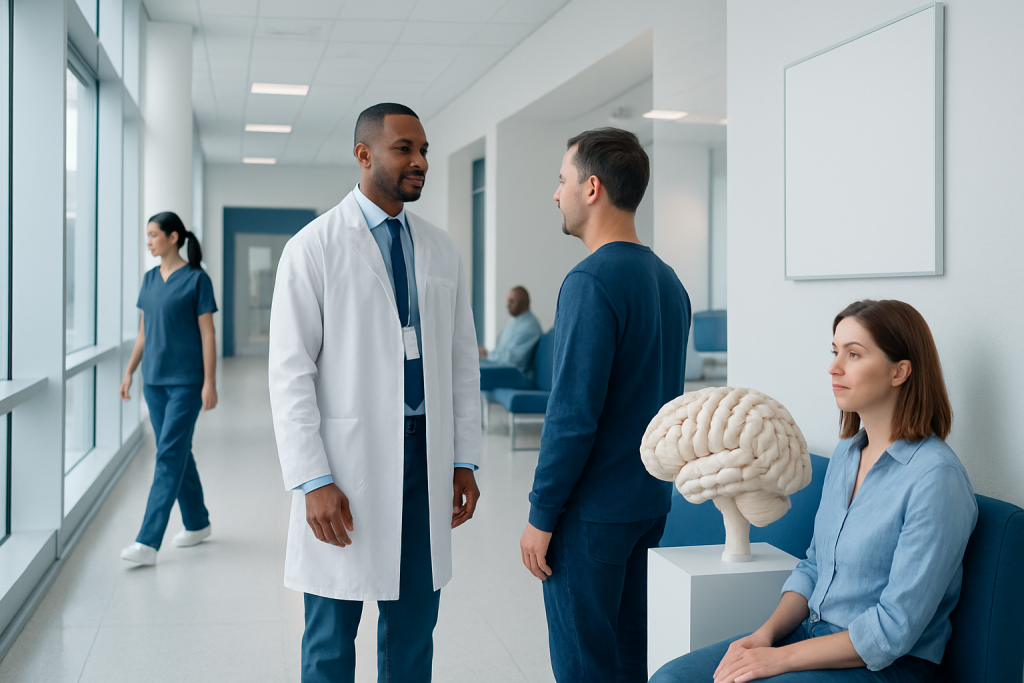
The brain is an organ, not a muscle. The brain does change with use, but not in the same way muscles grow.
Key Takeaways
- The brain is an organ, not a muscle.
- The brain does change with use, but not in the same way muscles grow.
- People do not use only 10% of their brain.
- Left-brain and right-brain differences are real but oversimplified in popular myths.
- Sleep, exercise, learning, stress control, and medical care all support brain health.
The brain is not a muscle. It is a complex organ made of neurons, support cells, and blood vessels that control thinking, movement, memory, emotions, and many vital body functions.
Overview: Is the Brain a Muscle?
The short answer is no. The brain is not a muscle. It is an organ made mostly of nerve cells called neurons, along with glial cells that support and protect those neurons. The brain also contains blood vessels, connective tissue, and specialized structures that help it receive information, process it, and send signals throughout the body.
The confusion often comes from the idea that the brain can be “trained” or “strengthened.” In everyday language, people may compare mental training to working out a muscle. This comparison can be useful in a limited way because practice can improve certain skills. However, the brain and muscles are built differently and function differently. Muscles contract to create movement, while the brain uses electrical and chemical signals to regulate thought, sensation, memory, behavior, and body functions.
Understanding this difference matters because it helps explain what truly supports brain health. Good sleep, regular physical activity, learning, social connection, and treatment for medical conditions can all help the brain function well. Knowing the facts also makes it easier to recognize common myths that may sound convincing but do not match modern neuroscience.
How the Brain Differs From a Muscle
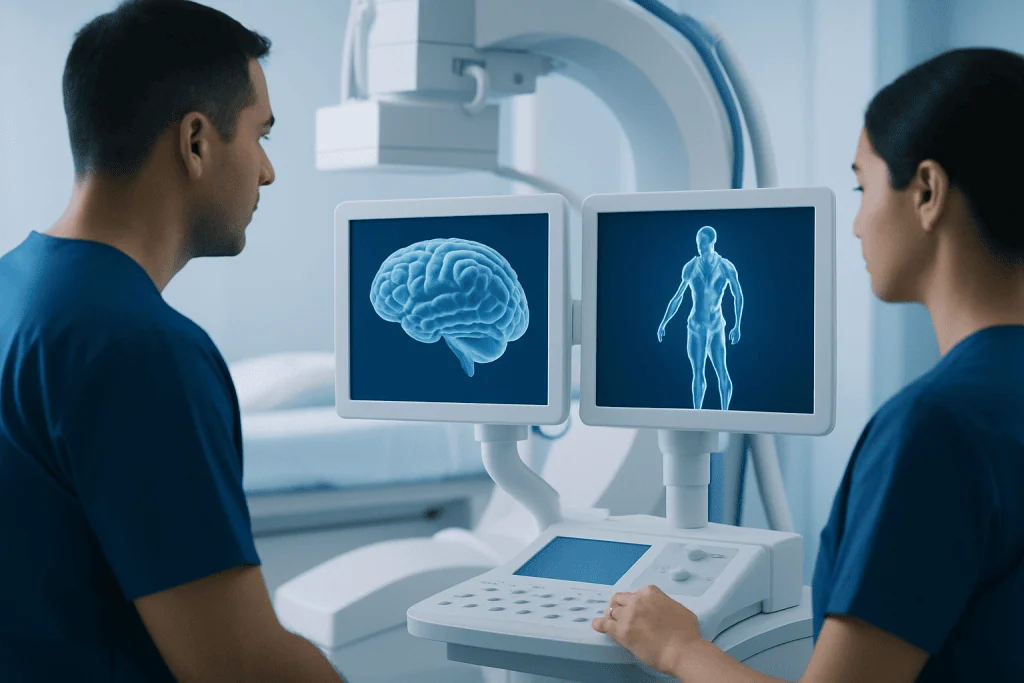
Muscles are made of specialized fibers that shorten and relax to produce movement. They respond to exercise by adapting in ways such as improving endurance, coordination, or strength. The brain does not contract like this. Instead, it serves as the body’s control center, interpreting information from the senses and coordinating actions, thoughts, and emotions.
The brain is made of different regions with different roles. For example, the cerebrum helps with thinking, language, memory, and voluntary movement. The cerebellum supports balance and coordination. The brainstem helps regulate essential functions such as breathing, heart rate, and alertness. These parts work together continuously rather than acting as a single “strong” or “weak” structure.
That said, the brain can adapt. This ability is called neuroplasticity. Neuroplasticity means the brain can form new connections, strengthen existing pathways, and sometimes reorganize after learning or injury. This is one reason practice, rehabilitation, and healthy routines can improve function. Still, this is not the same as a muscle becoming larger after resistance training.
Some brain problems can affect movement, memory, speech, or behavior because the brain communicates with every part of the body. Conditions such as Parkinson’s disease or epilepsy show how important healthy brain signaling is to daily life.
Common Brain Myths Explained

One of the most common myths is that people use only 10% of their brain. This is not true. Brain imaging and clinical experience show that many parts of the brain are active over the course of a day, even during simple tasks or rest. Different areas become more active depending on what a person is doing, but the idea that 90% of the brain sits unused is inaccurate.
Another popular myth is that people are either “left-brained” or “right-brained.” It is true that certain functions are more specialized in one hemisphere than the other. For example, language is often more strongly represented in the left hemisphere in many people. However, most tasks require both sides of the brain working together. Personality, creativity, and intelligence cannot be neatly explained by one side alone.
A third myth is that intelligence is fixed and cannot change. In reality, the brain remains capable of learning throughout life. Children and adults can develop new skills, improve memory strategies, and recover some abilities after illness or injury with support and practice. Learning may become different with age, but it does not stop completely.
Some people also believe brain games alone can prevent decline or dramatically raise intelligence. Certain puzzles and training apps may help improve performance on the tasks being practiced, but broad brain health depends on much more. Sleep, cardiovascular health, education, physical activity, hearing and vision care, and management of chronic disease all play a role.
What Really Supports Brain Function and Brain Health
Brain health is closely connected to overall health. The brain depends on a steady supply of oxygen and nutrients from healthy blood flow. Conditions such as high blood pressure, diabetes, high cholesterol, and smoking can harm blood vessels and increase the risk of stroke and cognitive problems over time. Protecting the heart and blood vessels also helps protect the brain.
Sleep is another essential factor. During sleep, the brain helps organize memories, regulate mood, and clear waste products. Poor sleep can affect concentration, reaction time, and emotional balance. Ongoing sleep problems should not be ignored, especially if they are linked with loud snoring, breathing pauses, or severe daytime tiredness.
Regular physical activity supports the brain in several ways. It improves circulation, helps regulate blood sugar, lowers stress, and may support memory and mood. Mental stimulation also matters. Reading, learning a language, playing music, or developing new skills can challenge the brain and encourage useful connections.
Emotional health is equally important. Chronic stress, anxiety, and depression can affect attention, sleep, and memory. Addressing these concerns early can improve quality of life and daily functioning. In some situations, doctors may recommend a neurological evaluation, brain imaging, or brain MRI to investigate symptoms more closely.
When Brain Symptoms May Need Medical Attention
Many everyday experiences, such as occasional forgetfulness, distraction, or mental fatigue after poor sleep, are not usually signs of serious disease. However, some symptoms deserve prompt medical assessment. These include sudden weakness, facial drooping, trouble speaking, severe confusion, loss of balance, sudden vision changes, seizure-like activity, or a sudden severe headache.
Persistent symptoms also matter. Ongoing memory loss, frequent headaches, tremors, numbness, fainting, personality changes, or repeated episodes of dizziness should be discussed with a doctor. These symptoms can have many possible causes, ranging from medication effects and vitamin deficiencies to neurological conditions.
After a head injury, medical care may be needed if there is vomiting, worsening headache, drowsiness, confusion, loss of consciousness, or unusual behavior. Even mild injuries can affect concentration and mood for a period of time. If symptoms continue, doctors may assess for concussion or other complications.
Evaluation may include a physical and neurological exam, blood tests, and imaging such as brain MRI or other scans, depending on the symptoms. In some cases, a specialist may also recommend tests of memory, language, balance, or electrical brain activity to better understand how the brain is functioning.
How Doctors Evaluate and Treat Brain-Related Problems
There is no single test for every brain concern. Diagnosis begins with a detailed history, including when symptoms started, how often they happen, and whether there are triggers such as poor sleep, stress, illness, medications, or injury. The doctor may ask about memory, movement, headaches, mood, sleep, and family history.
A neurological examination checks strength, reflexes, sensation, coordination, speech, eye movements, and balance. Depending on the findings, additional tests may be suggested. These can include blood work, cognitive screening, electroencephalography for seizures, or imaging to look for structural changes. When needed, patients may be assessed for conditions such as brain tumor, stroke, dementia, or inflammatory disorders.
Treatment depends on the cause. Some concerns improve with lifestyle changes, stress management, better sleep, hydration, or medication review. Others may require medicines, rehabilitation, psychological support, or more specialized care. For example, stroke rehabilitation may involve physical, occupational, and speech therapy. Seizure disorders may need anti-seizure treatment and regular follow-up.
When surgery or advanced procedures are necessary, care is often provided by a multidisciplinary team that may include neurologists, neurosurgeons, radiologists, rehabilitation specialists, and mental health professionals. Near the end of the care journey, international patients may also seek evaluation at centers such as Acibadem International, where multidisciplinary specialists in JCI-accredited hospitals diagnose and treat brain-related conditions.
Prevention and Everyday Self-Care for a Healthier Brain
Although not every neurological condition can be prevented, many daily habits support long-term brain health. A balanced eating pattern, regular movement, enough sleep, and avoidance of tobacco are all practical steps. Managing blood pressure, diabetes, and cholesterol can also lower the risk of vascular damage that affects the brain.
Protecting the brain from injury is important at every age. Wearing seat belts, using helmets for cycling or contact sports, and reducing fall risks at home can help prevent head trauma. Older adults may benefit from vision checks, strength training, and home safety changes to reduce falls.
Mental and social activity can also be protective. Staying connected with other people, continuing to learn, and seeking help for hearing or vision loss can reduce isolation and support cognitive function. Self-care does not mean ignoring symptoms; it means creating healthy routines while getting appropriate medical advice when needed.
Helpful brain-supporting habits include:
- Sleeping on a regular schedule
- Exercising most days of the week
- Eating a nutrient-rich, balanced diet
- Managing stress with relaxation, mindfulness, or counseling
- Limiting alcohol and avoiding smoking
- Seeking prompt care for new or worsening neurological symptoms
When to See a Doctor
A doctor should be consulted if changes in memory, mood, movement, speech, or sensation are interfering with daily life. Even symptoms that seem mild at first can be worth discussing if they are becoming more frequent, more intense, or harder to explain. Early evaluation can help rule out serious causes and identify treatable ones.
Emergency care is needed for possible stroke symptoms, seizures without recovery, sudden severe headache, or sudden confusion. Quick medical attention can be especially important when symptoms appear suddenly. Time-sensitive treatment may protect brain function and improve recovery.
People with chronic health conditions should also keep regular follow-up appointments, since whole-body health and brain health are closely linked. Questions about memory, concentration, headaches, tremors, or sleep should feel appropriate to bring up in routine care. Clear answers can replace myths with practical, evidence-based steps.
Frequently asked questions
Is the brain a muscle or an organ?
The brain is an organ, not a muscle. It is made of neurons, support cells, blood vessels, and specialized tissues that process information and control body functions.
Why do people compare the brain to a muscle?
People often use this comparison because practice and learning can improve mental skills, similar to how exercise improves physical performance. However, the brain changes through neuroplasticity, not through muscle contraction or muscle growth.
Do people really use only 10% of their brain?
No, this is a myth. Different parts of the brain are active for different tasks, and brain imaging shows that much more than 10% is used over the course of normal daily life.
Can the brain get stronger with training?
The brain can become more efficient at certain tasks through learning and repetition. This may improve memory strategies, coordination, language skills, or problem-solving, but it is not the same as building muscle mass.
What habits are best for brain health?
Healthy sleep, regular physical activity, a balanced diet, social connection, stress management, and control of blood pressure and blood sugar all support brain health. Avoiding smoking and protecting the head from injury are also important.
When should someone worry about brain-related symptoms?
Sudden symptoms such as weakness, trouble speaking, severe confusion, seizures, or a sudden intense headache need urgent medical attention. Ongoing memory loss, tremors, persistent headaches, or numbness should also be discussed with a doctor.
References
- World Health Organization
- National Institute of Neurological Disorders and Stroke
- National Institute on Aging
- Centers for Disease Control and Prevention
- American Academy of Neurology
This article is for general information only and is not a substitute for professional medical advice. Please consult a qualified doctor about your individual situation.
Explore treatments in Turkey — costs, top hospitals & a free quote
JCI-accredited · board-certified surgeons · reply within 24h
Add us as a Preferred Source to see more of our trusted health content across Google Search, AI Overviews and Discover.
Check your numbers in seconds
BMI, calories, due date, blood pressure and 30+ more clinical calculators — free, instant, doctor-reviewed ranges.

More from the Health Library



Related Specialists

Dt. Yeliz Çavuşoğlu Yüce
Oral & Dental Health
Dr. Okan Acıcbe
Aesthetic Plastic & Reconstructive Surgery
Dr. Selcen Bahadır
Gynecology & Obstetrics
Assoc. Prof. Dr. Gülfem Başol
Gynecology & Obstetrics