Is There a Cure for Cancer? Treatment and Remission

Some cancers can be cured, while others can be controlled for many years. Remission means cancer signs decrease or disappear, but it is not always the same as a cure.
Key Takeaways
- Some cancers can be cured, while others can be controlled for many years.
- Remission means cancer signs decrease or disappear, but it is not always the same as a cure.
- Treatment plans are individualized and may include surgery, chemotherapy, radiation, targeted therapy, immunotherapy, or hormone therapy.
- Early diagnosis often improves treatment options and outcomes.
- Regular follow-up is important after treatment to watch for recurrence and manage long-term health.
A cancer cure is possible for some people, but it depends on the cancer type, stage, biology, and response to treatment. For others, treatment aims to control the disease, extend life, relieve symptoms, and support the best possible quality of life.
Overview: Can Cancer Be Cured?
Many people ask whether there is a cure for cancer. The most accurate answer is that some cancers can be cured, while others can be treated and controlled for long periods. A cure usually means that after successful treatment, the cancer does not come back and a person can expect to live the rest of life without that cancer returning.
Cancer is not a single disease. It is a large group of diseases that behave differently depending on where they start, how fast they grow, whether they have spread, and how they respond to treatment. Because of this, the chance of cure can vary widely between people, even when they have the same general type of cancer.
In modern oncology, treatment goals may include cure, long-term control, shrinking the cancer, slowing its growth, preventing recurrence, or easing symptoms. Even when a cure is not possible, many people live longer and better with newer therapies and supportive care. Clear communication with an oncology team helps patients understand what treatment is trying to achieve in their individual situation.
What Is the Difference Between Cure and Remission?
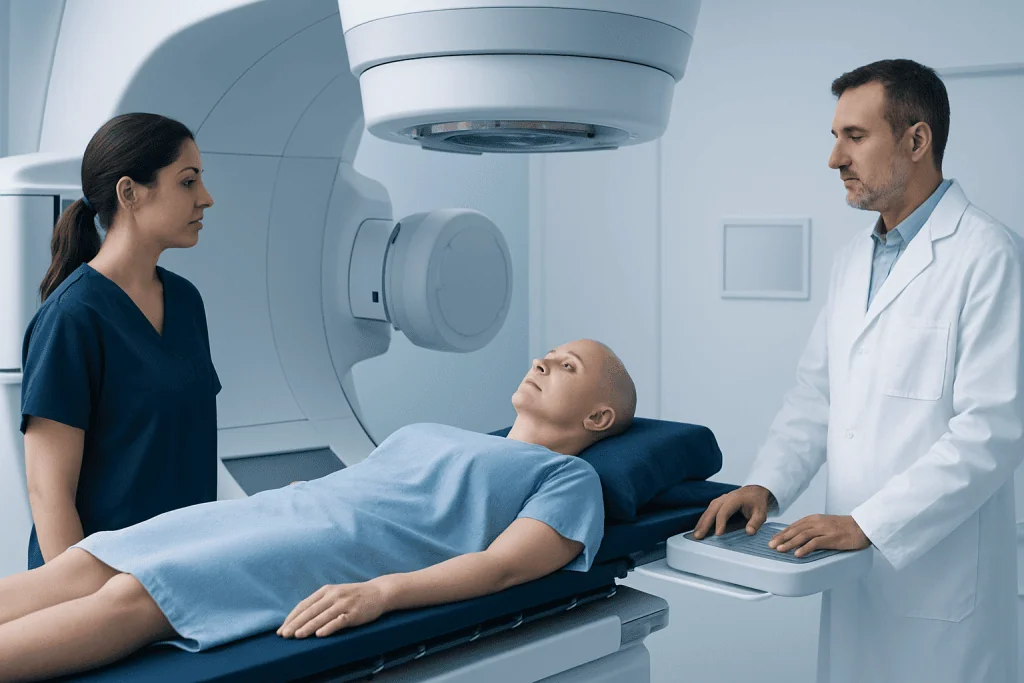
The words “cure” and “remission” are related, but they do not mean the same thing. Remission means that the signs and symptoms of cancer have reduced or disappeared after treatment. In complete remission, tests do not show detectable cancer. In partial remission, the cancer has shrunk or become less active, but it has not fully disappeared.
A cure suggests that there is no remaining cancer and that it is not expected to return. Doctors may be careful about using this word because some cancers can recur years later, even after excellent treatment results. For that reason, clinicians often use terms such as “no evidence of disease” or “durable remission” when discussing recovery and follow-up.
Remission can still be very meaningful. It may allow a person to return to work, daily routines, family life, and enjoyable activities. For some cancers, long-lasting remission can feel much like a cure in everyday life, although continued medical follow-up remains important.
What Affects the Chances of a Cancer Cure?
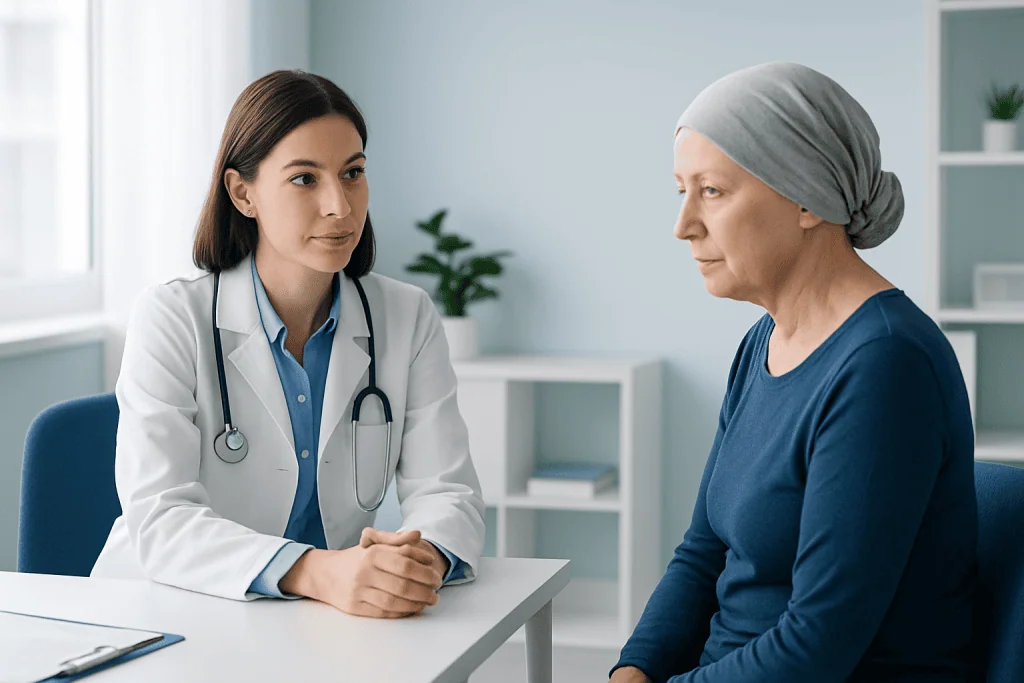
Several factors influence whether a cancer is likely to be cured. One of the most important is the type of cancer. Some cancers, such as certain early-stage skin, thyroid, testicular, breast, cervical, colon, and blood cancers, may be highly treatable and sometimes curable, especially when found early. Others may be more challenging because they tend to spread early or resist treatment.
The stage of cancer also matters greatly. In general, cancer that is confined to one area is more likely to be cured than cancer that has spread to distant organs. Tumor grade, genetic features, and molecular markers can also affect how aggressive the cancer is and which treatments are most likely to work.
A person’s age, general health, and other medical conditions can influence treatment choices and recovery. Access to timely diagnosis, specialist care, and appropriate therapy is also important. In some cases, a multidisciplinary team may recommend combinations of cancer treatment such as surgery, medicines, and radiation to improve the chance of disease control or cure.
It is also important to remember that statistics describe groups, not individuals. Prognosis estimates can help guide care, but they cannot predict exactly what will happen for one person. Each cancer journey is unique.
How Cancer Is Diagnosed and Assessed
Diagnosis usually begins with symptoms, a screening test, or an abnormal imaging result. A doctor may review the medical history, perform a physical examination, and order blood tests or scans. Imaging may include ultrasound, X-ray, CT, MRI, or PET scans, depending on the suspected cancer and the area being examined.
In most cases, a biopsy is needed to confirm cancer. This means taking a small tissue sample so specialists can examine the cells under a microscope. The pathology report helps identify the cancer type, grade, and certain biological markers that may guide treatment choices.
After diagnosis, doctors determine the stage. Staging describes how large the tumor is and whether it has spread to lymph nodes or other organs. For some patients, this process may involve advanced PET-CT imaging or other specialized tests. The information from staging helps doctors estimate outlook and choose the most appropriate treatment plan.
Genetic or molecular testing is increasingly important in oncology. These tests can identify changes in cancer cells that make certain targeted therapies or immunotherapies more likely to help. This is one reason why two people with the same cancer type may receive different treatments.
Treatment Options: From Curative Care to Long-Term Control
Cancer treatment is personalized. The best option depends on the cancer type, stage, location, and biological features, as well as the person’s overall health and preferences. Treatment may have a curative goal, especially for localized disease, or a disease-control goal when cure is less likely.
Surgery can sometimes remove all visible cancer and may offer the best chance of cure for solid tumors found early. It is often used alone or combined with other therapies. Radiation therapy uses high-energy beams to destroy cancer cells in a targeted area and may be used before surgery, after surgery, or as the main treatment in selected cases. Some patients may benefit from radiation therapy as part of a carefully coordinated plan.
Drug treatments include chemotherapy, hormone therapy, targeted therapy, and immunotherapy. Chemotherapy attacks rapidly dividing cells and may be given to cure cancer, reduce the risk of recurrence, or control advanced disease. Targeted therapy focuses on specific molecular changes in cancer cells, while immunotherapy helps the body’s immune system recognize and fight cancer. Hormone therapy is used for cancers influenced by hormones, such as some breast and prostate cancers.
When cure is not possible, treatment still has important goals. It may slow the disease, reduce symptoms, shrink tumors, and improve quality of life. Supportive and palliative care can be provided at any stage to help manage pain, fatigue, nausea, emotional stress, and other challenges. This kind of care is not limited to end-of-life situations; it is part of comprehensive cancer care.
Life After Treatment: Follow-Up, Recurrence, and Survivorship
Finishing treatment is an important milestone, but it does not always mean care is over. Follow-up visits help doctors monitor recovery, check for signs of recurrence, and manage any long-term or late side effects. These visits may include physical exams, blood tests, imaging, and discussions about symptoms or lifestyle habits.
Recurrence means the cancer comes back after a period of remission. It can happen in the same place, nearby, or in another part of the body. Not every recurrence means there are no options left. Many people receive further treatment and continue to live meaningful lives with good symptom control and support.
Survivorship care also focuses on overall well-being. People who have had cancer may need help with nutrition, exercise, sleep, sexual health, fertility, mental health, and returning to work or school. They may also need monitoring for treatment-related effects on the heart, bones, nerves, or other organs.
Some people live with advanced or metastatic disease as a chronic condition. In these cases, ongoing treatment may keep the cancer stable for months or years. Patients with metastatic cancer often benefit from regular reassessment so therapy can be adjusted as needs change.
Prevention, Early Detection, and Self-Care
Not all cancers can be prevented, but many risk factors can be reduced. Avoiding tobacco is one of the most important steps. Other helpful measures include limiting alcohol, maintaining a healthy body weight, staying physically active, protecting the skin from excessive sun exposure, and following recommended vaccinations such as HPV and hepatitis B when appropriate.
Screening can help detect some cancers before symptoms appear or find them at an earlier, more treatable stage. Examples include cervical screening, mammography, colorectal screening, and selected screening programs for people at high risk. A doctor can advise which tests are suitable based on age, family history, and personal risk factors.
Self-care during and after treatment also matters. People often do best when they eat regularly, stay as active as their energy allows, take medicines as directed, and report new symptoms promptly. Emotional support from family, friends, counselors, or support groups can reduce stress and help people cope more confidently.
If a cancer diagnosis is suspected or confirmed, seeking care from an experienced oncology team is important. Acibadem International’s multidisciplinary specialists and JCI-accredited hospitals diagnose and treat cancer for international patients, with treatment plans tailored to each person’s condition and goals.
When to See a Doctor
It is a good idea to see a doctor if symptoms are persistent, unexplained, or worsening. Warning signs can include an unusual lump, unexplained weight loss, ongoing fatigue, changes in bowel or bladder habits, abnormal bleeding, a sore that does not heal, or a persistent cough. These symptoms do not always mean cancer, but they should be assessed.
People should also seek medical advice if they have a strong family history of cancer or known inherited cancer risk. In these situations, earlier screening or genetic counseling may be helpful. A doctor can explain whether preventive strategies or closer monitoring are appropriate.
Anyone already being treated for cancer should contact their care team promptly for severe pain, fever, shortness of breath, dehydration, confusion, or sudden worsening of symptoms. Early attention can improve safety and comfort. Timely medical review is also important for people in remission who notice new or recurring symptoms.
Frequently asked questions
Can cancer be completely cured?
Yes, some cancers can be completely cured, especially when they are found early and respond well to treatment. However, not all cancers are curable, and in some cases treatment focuses on long-term control, symptom relief, and quality of life.
Is remission the same as being cancer-free?
Remission means the signs and symptoms of cancer have decreased or disappeared. A person may be described as having no evidence of disease, but doctors may still recommend follow-up because some cancers can return later.
Which cancers are most likely to be cured?
The chance of cure depends on the specific cancer, how early it is detected, and how it responds to treatment. Some early-stage cancers and certain blood cancers, skin cancers, and testicular cancers may have very good cure rates, but individual prognosis varies.
Can advanced cancer ever be cured?
Advanced cancer is often harder to cure, especially if it has spread to distant organs. Even so, some advanced cancers respond very well to treatment, and many can be controlled for long periods with modern therapies.
How long does someone need follow-up after cancer treatment?
Follow-up schedules differ depending on the cancer type, treatment received, and personal risk of recurrence. Many people need regular checkups for years so doctors can watch for recurrence, manage side effects, and support long-term health.
What should a patient ask the doctor after a cancer diagnosis?
Helpful questions include what type and stage of cancer is present, whether the treatment goal is cure or control, what options are available, and what side effects to expect. Patients can also ask whether genetic or molecular testing is needed and what follow-up plan will be recommended.
References
- World Health Organization
- National Cancer Institute
- American Cancer Society
- European Society for Medical Oncology
- National Comprehensive Cancer Network
This article is for general information only and is not a substitute for professional medical advice. Please consult a qualified doctor about your individual situation.
Oncology care in Turkey — second opinion and treatment plan
JCI-accredited · board-certified surgeons · reply within 24h
Add us as a Preferred Source to see more of our trusted health content across Google Search, AI Overviews and Discover.