Is Ultraviolet Radiation Ionizing: How It Works, Results and What to Expect

Most UVA and UVB radiation is non-ionizing, yet both can damage living cells through chemical reactions. UVC has higher energy but is mostly filtered by the atmosphere; artificial UVC sources require careful safety controls.
Key Takeaways
- Most UVA and UVB radiation is non-ionizing, yet both can damage living cells through chemical reactions.
- UVC has higher energy but is mostly filtered by the atmosphere; artificial UVC sources require careful safety controls.
- UV exposure can cause sunburn, premature skin aging, eye injury and contribute to skin cancer risk.
- Sunlight supports vitamin D production mainly through UVB exposure, but deliberate tanning is not a safe vitamin D strategy.
- Sunscreen, shade, protective clothing and UV-blocking eyewear reduce preventable UV-related harm.
Ultraviolet (UV) radiation is generally classified as non-ionizing radiation because it does not usually carry enough energy to remove electrons from atoms. However, UV can still cause important biological changes, including DNA damage in skin and eyes, which is why protection from excessive exposure matters.
Is ultraviolet radiation ionizing?
Is ultraviolet radiation ionizing? In everyday health and radiation-safety discussions, ultraviolet radiation is considered non-ionizing radiation. Most UVA and UVB rays do not have enough energy to directly knock electrons away from atoms in the way that X-rays, gamma rays and some high-energy particles can.
That classification does not mean UV is harmless. UV photons can be absorbed by molecules in the skin and eyes and trigger chemical changes, including damage to cellular DNA. This damage may lead to inflammation, sunburn, premature skin aging and, over time, an increased risk of skin cancers.
UV is commonly divided into UVA, UVB and UVC. UVA penetrates relatively deeply into skin and is strongly associated with photoaging; UVB is a major cause of sunburn and drives vitamin D production; and UVC is the highest-energy type. Natural UVC from the sun is absorbed by the ozone layer, although UVC may be produced by certain artificial lamps used for disinfection.
How UV radiation works in the body
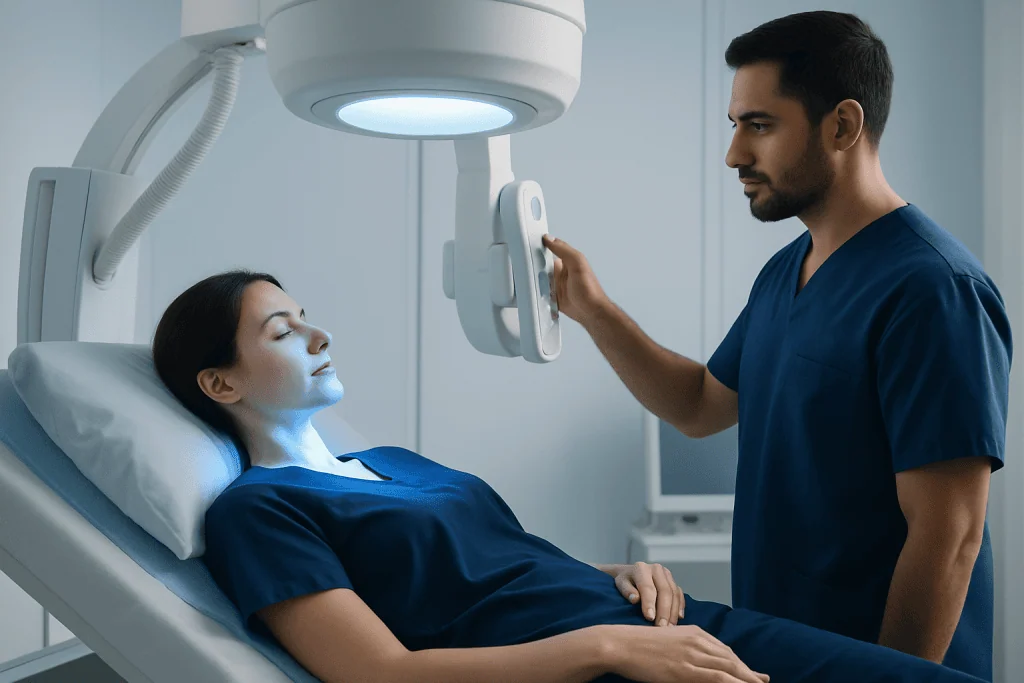
Radiation is often grouped by whether it can ionize atoms. Ionizing radiation has sufficient energy to remove tightly bound electrons, which can directly damage atoms and molecules. UV radiation sits near the boundary between non-ionizing and ionizing parts of the electromagnetic spectrum, but ordinary sunlight exposure is not generally treated as ionizing radiation exposure.
Instead, UV primarily affects tissues through photochemical reactions. When UV reaches the skin, molecules absorb its energy. In particular, UVB can create DNA lesions called pyrimidine dimers, while UVA can generate reactive oxygen species that damage DNA, proteins and cell membranes. Cells have repair systems, but repeated or intense exposure can overwhelm repair or leave permanent mutations.
The effects depend on wavelength, intensity, duration and the exposed body area. Fairer skin, certain medicines, immune suppression and a personal or family history of skin cancer can all influence an individual’s sensitivity to UV-related damage.
What does ultraviolet radiation do to the human body?
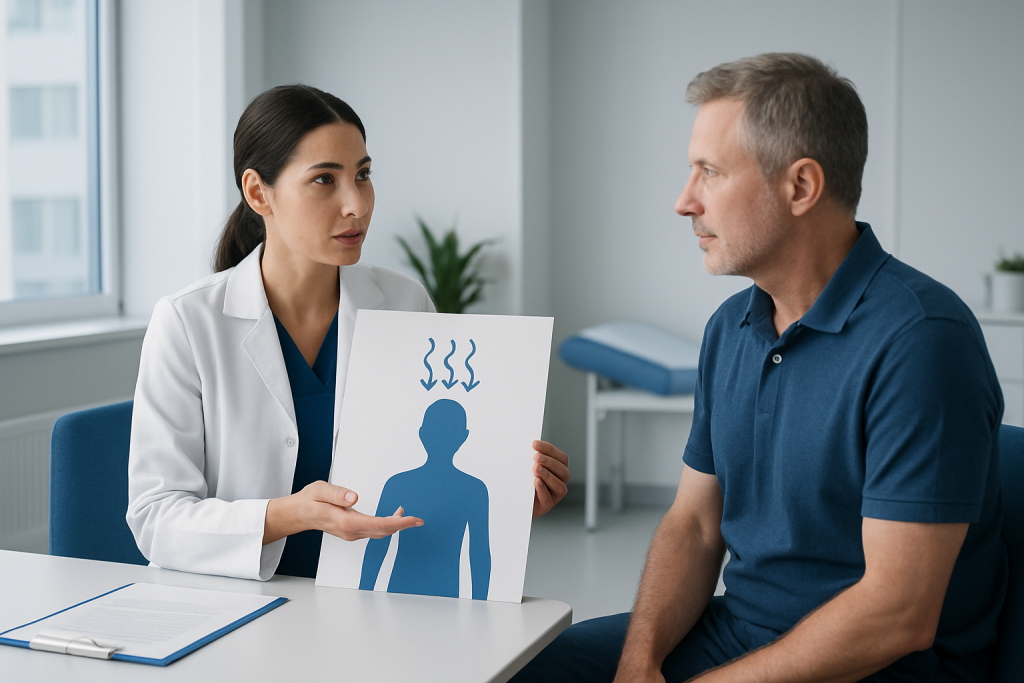
Ultraviolet radiation can have both useful and harmful effects. A limited amount of UVB exposure to skin starts the process of vitamin D production. UV is also used under specialist supervision in phototherapy for selected inflammatory skin disorders, where the wavelength, dose and treatment schedule are carefully controlled.
Excessive exposure can cause short-term injury, most visibly sunburn. It may also trigger rashes or abnormal sensitivity reactions in people taking certain medicines or living with particular medical conditions. Repeated exposure can break down collagen and elastin, contributing to wrinkles, uneven pigmentation and a leathery skin texture.
The eyes are also vulnerable. Intense reflected sunlight from water, sand or snow may cause painful inflammation of the cornea, sometimes called photokeratitis. Long-term unprotected exposure is associated with conditions such as cataracts and changes to tissues around the eye. UV-blocking sunglasses and wide-brimmed hats help protect these sensitive structures.
Because visible skin changes may appear gradually, prevention is most effective when it becomes a regular habit rather than something used only on very sunny days.
Can an UV light give you cancer?
Yes. UV radiation from sunlight and artificial sources can increase the risk of skin cancer. The International Agency for Research on Cancer classifies solar radiation and UV-emitting tanning devices as carcinogenic to humans. The concern is not that UV is usually categorized as ionizing radiation, but that UV-related DNA damage can create mutations that allow abnormal cells to grow.
Both UVA and UVB contribute to this risk. UVA is abundant throughout daylight hours and can pass through window glass, while UVB is more closely linked with sunburn. Indoor tanning devices can emit substantial amounts of UVA and UVB and are not a safe alternative to natural sunlight.
Risk rises with cumulative exposure and severe sunburns, especially earlier in life. People should check their skin regularly for changing moles, sores that do not heal, or new spots that look different from surrounding marks. For information about suspicious skin changes, see skin cancer.
Early assessment is valuable because many skin cancers can be treated effectively when identified promptly. A dermatologist can examine concerning lesions and decide whether monitoring, dermoscopy or a biopsy is appropriate.
Do you get vitamin D from an UV lamp?
Some UV lamps can stimulate vitamin D production, but this depends on the lamp’s spectrum, especially whether it emits UVB. Many common UV lamps, including lamps used for nail curing, insect control or general lighting, are not intended to provide vitamin D and should not be used for that purpose.
Seeking UV exposure through tanning beds or unregulated lamps is not recommended as a way to maintain vitamin D. These devices can expose skin and eyes to harmful radiation and increase skin cancer risk. Vitamin D can also be obtained from dietary sources, fortified foods and supplements when recommended by a healthcare professional.
A clinician may check vitamin D levels in people with risk factors for deficiency, symptoms that warrant investigation or certain bone-health conditions. The appropriate approach depends on age, diet, skin type, location, sun habits and medical history. Supplements should be discussed with a qualified clinician rather than self-prescribed at high doses.
Can you feel ultraviolet radiation?
People cannot directly see or feel ultraviolet radiation. UV wavelengths lie outside the visible range for human vision, and there is no immediate sensation that reliably signals a harmful dose. A person may feel warmth from sunlight, but that warmth comes mainly from infrared radiation, not UV.
Sunburn can develop hours after exposure, so the absence of pain during outdoor activity does not mean the skin is protected. Clouds can reduce some UV exposure but do not block it completely, and UV can reflect from surfaces such as water, pale sand, snow and concrete.
The UV Index is a useful public-health tool for estimating the intensity of UV radiation expected at a specific time and place. When it is moderate or higher, practical protection includes seeking shade, wearing covering clothing and a hat, using broad-spectrum sunscreen, and choosing sunglasses that block UVA and UVB.
Medical UV treatment: candidacy, process and expectations
Controlled UV treatment, known as phototherapy, is different from recreational tanning or using an unregulated lamp. Dermatologists may use narrowband UVB, broadband UVB or UVA-based treatment for selected conditions such as psoriasis, eczema, pruritus and vitiligo. It is considered when the expected benefit outweighs the risks and other treatments have not been sufficient or suitable.
Before treatment, the clinician reviews the diagnosis, skin type, medicines, previous light exposure, history of skin cancer and conditions that cause photosensitivity. Phototherapy may not be appropriate for everyone, including some people with a history of melanoma or significant light-sensitive disease. The care team individualizes the decision and provides specific safety instructions.
During a typical session, the patient stands or sits in a purpose-designed treatment unit for a carefully calculated time. Eye protection is required, and areas not intended for treatment may be covered. Sessions are often repeated on a planned schedule, with doses adjusted according to the skin response rather than using a fixed home routine.
Mild redness, dryness or itching can occur after treatment, while more significant burning is uncommon when dosing is appropriately monitored. Results usually develop gradually over weeks, and the clinical team monitors response and cumulative exposure. Learn more about medical phototherapy.
UV protection and when to seek medical care
Daily protection can lower unnecessary UV exposure without requiring complete avoidance of daylight. Broad-spectrum sunscreen with an appropriate sun protection factor should be applied to exposed skin and reapplied as directed, particularly after swimming, sweating or towel drying. Clothing, shade and UV-blocking eyewear provide additional protection and are especially useful during prolonged outdoor activity.
Children need consistent sun protection because their skin is particularly vulnerable to burning. Babies and young children should be kept in the shade when possible, with age-appropriate clothing and sunscreen guidance from their healthcare professional. Anyone using medicines that increase sun sensitivity should ask a pharmacist or clinician about additional precautions.
Medical care should be sought promptly for a severe or blistering sunburn, widespread rash, eye pain or vision changes after UV exposure, fever or signs of dehydration, or a burn affecting an infant or young child. A doctor should also assess a new or changing mole, a lesion that bleeds or fails to heal, or a spot that changes in color, size, shape or sensation.
For international patients, Acibadem International’s multidisciplinary specialists and JCI-accredited hospitals can assess concerning skin findings and provide coordinated dermatology care when needed.
Frequently asked questions
Is UV radiation more dangerous than visible light?
UV radiation has more energy than visible light and can cause chemical changes in skin and eye tissues. The level of risk depends on the wavelength, dose and duration of exposure. Visible light is not generally associated with sunburn or UV-related skin cancer in the same way.
Is UVC ionizing radiation?
UVC has more energy than UVA and UVB and lies close to the conventional boundary between non-ionizing and ionizing radiation. In most practical health classifications, ultraviolet radiation is discussed as non-ionizing, but UVC can still cause severe tissue injury. Natural UVC from the sun is absorbed by the atmosphere, while artificial UVC devices should only be used with appropriate safety measures.
Can UV radiation pass through windows?
Standard window glass blocks most UVB but allows a significant amount of UVA to pass through. This means prolonged exposure beside a sunny window can still contribute to UVA-related skin aging and may be relevant for people with photosensitivity. Vehicle and building window treatments vary in their UV protection.
Does sunscreen prevent vitamin D production completely?
Sunscreen can reduce UVB reaching the skin, but real-world use is often incomplete and does not necessarily prevent vitamin D production entirely. Sun protection remains important because intentional unprotected UV exposure raises skin cancer risk. A clinician can advise on dietary vitamin D or supplementation when needed.
Can a UV nail lamp damage the skin?
UV nail lamps may emit UVA radiation, and repeated exposure may contribute to skin damage over time. The overall risk from occasional use is likely lower than from regular tanning, but it is reasonable to limit unnecessary exposure. People can consider fingerless UV-protective gloves or broad-spectrum sunscreen on the hands, if compatible with the nail treatment.
When should a changing mole be checked?
A mole should be checked if it is new, changes in size, shape or color, becomes itchy or painful, bleeds, or looks noticeably different from other moles. These signs do not always indicate cancer, but they warrant professional assessment. A dermatologist can evaluate the lesion and recommend the next step.
References
- World Health Organization
- International Agency for Research on Cancer
- United States Environmental Protection Agency
- American Academy of Dermatology Association
- World Health Organization International Programme on Chemical Safety
This article is for general information only and is not a substitute for professional medical advice. Please consult a qualified doctor about your individual situation.
Explore treatments in Turkey — costs, top hospitals & a free quote
JCI-accredited · board-certified surgeons · reply within 24h
Add us as a Preferred Source to see more of our trusted health content across Google Search, AI Overviews and Discover.

More from the Health Library



Related Specialists

Dr. Ceren Hande Seyyar
Pediatrics
Prof. Dr. Hüseyin Töz
Nephrology
Assoc. Prof. Dr. Ata Can
Orthopedic Surgery & Traumatology
Prof. Dr. Burak Tander
Pediatric Surgery