Itchy Pile Explained: Common Triggers and Red Flags

Hemorrhoids can itch when swollen tissue, mucus, moisture, or frequent wiping irritates the skin around the anus. Not every itchy anal symptom is caused by piles; skin conditions, infections, fissures, and bowel leakage may also contribute.
Key Takeaways
- Hemorrhoids can itch when swollen tissue, mucus, moisture, or frequent wiping irritates the skin around the anus.
- Not every itchy anal symptom is caused by piles; skin conditions, infections, fissures, and bowel leakage may also contribute.
- Gentle cleaning, keeping the area dry, avoiding straining, and treating constipation can often reduce mild symptoms.
- Rectal bleeding should not automatically be assumed to be from hemorrhoids and may require medical evaluation.
- Severe pain, fever, a new lump, ongoing bleeding, or symptoms that do not improve should be assessed by a qualified clinician.
An itchy pile usually refers to itching around hemorrhoids, often related to irritation from stool, moisture, wiping, or swollen tissue. Although it is commonly manageable with gentle self-care, anal itching can have other causes and should be checked if it persists, worsens, or occurs with bleeding or pain.
What Does an Itchy Pile Mean?
An itchy pile usually means itching around the anus in a person who has hemorrhoids, commonly called piles. Hemorrhoids are swollen blood vessels in or around the lower rectum and anus. They may be internal, occurring inside the rectum, or external, occurring under the skin around the anal opening. Either type can lead to irritation, although itching is especially common when moisture or mucus affects the surrounding skin.
Itching does not necessarily mean that a hemorrhoid is serious. Small amounts of mucus, traces of stool, sweating, friction, and repeated wiping can inflame the delicate skin in this area. However, anal itching, also called pruritus ani, has several possible causes. A person should avoid self-diagnosing every itch as piles, particularly if there is bleeding, pain, a rash, discharge, or a change in bowel habits.
Why Hemorrhoids Can Cause Itching
Internal hemorrhoids may occasionally protrude through the anus during a bowel movement. This is known as prolapse. When this happens, the tissue can produce mucus or make complete cleaning more difficult, leaving the nearby skin damp and irritated. Even a small amount of moisture can start an itch-and-scratch cycle: scratching further injures the skin, which then becomes more sensitive and itchy.
External hemorrhoids may itch because of local swelling, rubbing from clothing, or irritation after passing stool. A small skin tag may remain after a hemorrhoid settles. Skin tags are usually harmless, but stool can collect around them more easily, making careful but gentle hygiene important. Less commonly, a clot can form in an external hemorrhoid, causing a painful, firm lump rather than itching alone.
- Frequent wiping with dry toilet paper can cause friction.
- Diarrhea or minor stool leakage can leave irritants on the skin.
- Constipation and straining can worsen hemorrhoid swelling.
- Sweat, tight clothing, and prolonged sitting can increase moisture and rubbing.
Other Common Causes of Anal Itching

An itchy anus is not always related to hemorrhoids. Irritant or allergic contact dermatitis can develop after using fragranced wipes, soaps, bubble baths, sanitary products, creams, or laundry products. Over-cleaning can also remove the skin’s protective oils and make symptoms worse. Eczema, psoriasis, and other inflammatory skin conditions may affect the anal area as well.
Infections may sometimes be responsible. Yeast can thrive in warm, moist skin folds, while pinworms are a more common cause of night-time anal itching in children. Sexually transmitted infections, bacterial infections, and certain parasites can also cause symptoms in some circumstances. Anal fissures, which are small tears in the anal lining, more often cause sharp pain during bowel movements but may also create itching as they heal.
Loose stools, inflammatory bowel disease, diabetes, and conditions that affect bowel control can contribute to irritation by increasing moisture or stool contact. A clinician can usually distinguish these possibilities by asking about symptoms, medical history, skin exposures, bowel patterns, and any recent changes in personal care products.
Symptoms That May Occur With an Itchy Pile
Along with itching, hemorrhoids may cause a feeling of fullness around the anus, discomfort during or after bowel movements, or a small lump near the anal opening. Bright red blood on toilet paper or on the outside of stool can occur with hemorrhoids, particularly after straining. Internal hemorrhoids are often painless, while external hemorrhoids may be tender if they are irritated.
The pattern of symptoms can offer useful clues but cannot confirm the cause without an examination. Itching that mainly occurs after bowel movements may be related to cleaning, moisture, or residual stool. Itching that is worse at night can occur with several conditions, including skin irritation, and may warrant assessment if it is persistent. A rash, flaky skin, open sores, blisters, discharge, or intense burning suggests that another skin or infectious condition may be involved.
Bleeding from the rectum should always be considered carefully. Hemorrhoids are common, but blood may also come from fissures, bowel inflammation, polyps, or, less commonly, colorectal cancer. The amount, color, frequency, and associated symptoms all matter, so a healthcare professional should assess unexplained or recurrent bleeding.
How an Itchy Pile Is Diagnosed
A doctor may diagnose hemorrhoids and other causes of anal itching by discussing the symptoms and examining the area. They may ask when the itch began, whether it follows bowel movements, what hygiene products are used, and whether there are changes in stool frequency, stool consistency, or diet. Medical conditions, medicines, previous anal surgery, and family history can also be relevant.
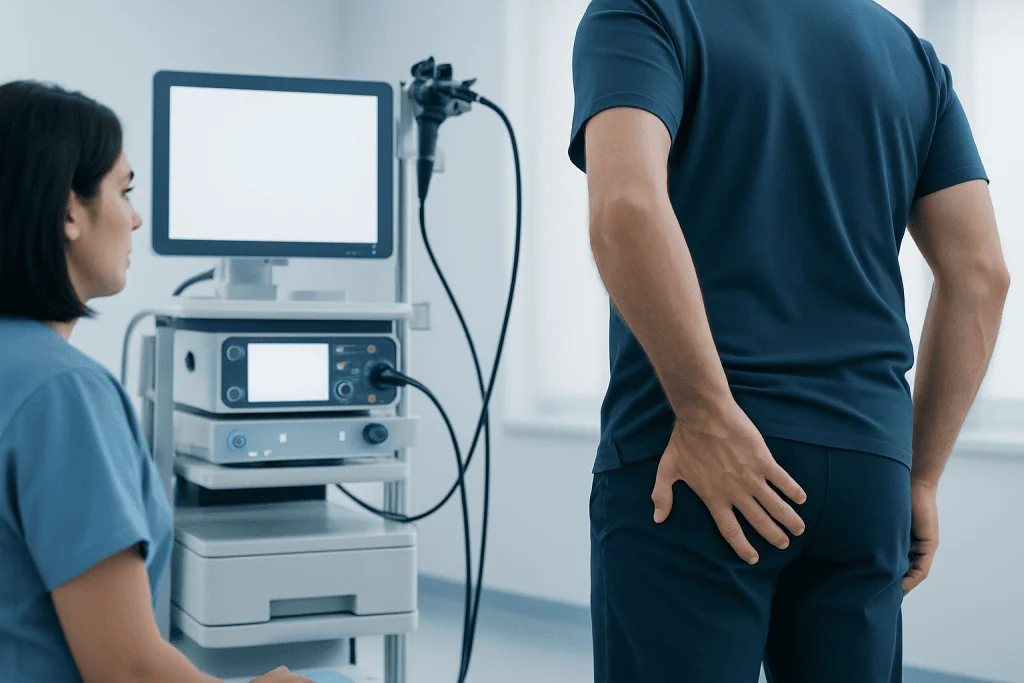
The examination may include a visual inspection of the skin and a gentle digital rectal examination. If internal hemorrhoids or another rectal cause is suspected, the clinician may use a small lighted instrument called an anoscope. Further testing is not needed for everyone, but it may be recommended for persistent bleeding, unexplained anemia, weight loss, altered bowel habits, or other features that need a more complete bowel evaluation.
Being open about symptoms can help the clinician make an accurate diagnosis. Anal complaints are very common, and assessment is generally straightforward. Identifying the cause is important because treatments for hemorrhoids, eczema, infection, and fissures are different.
Relief Measures and Medical Treatment
Mild symptoms may improve by reducing irritation and keeping bowel movements soft and regular. The area can be rinsed gently with lukewarm water after a bowel movement and patted dry rather than rubbed. Plain, unscented toilet paper or a dampened soft cloth may be less irritating than scented wipes. Fragranced soaps, deodorants, harsh scrubbing, and repeated use of multiple creams are best avoided unless recommended by a clinician.
Preventing constipation can reduce pressure on hemorrhoids. Helpful measures include gradually increasing dietary fiber, drinking enough fluids for individual health needs, staying physically active, and not delaying the urge to have a bowel movement. Spending long periods sitting on the toilet and straining should be avoided. Warm sitz baths may soothe discomfort for some people, although they do not treat the underlying cause on their own.
A pharmacist or doctor may suggest short-term topical treatments or stool-softening approaches when appropriate. Some over-the-counter hemorrhoid products can help temporarily, but prolonged unsupervised use of steroid-containing creams can thin and irritate skin. If symptoms continue, office-based procedures such as rubber band ligation, injection treatment, infrared coagulation, or surgery may be considered depending on the type and severity of hemorrhoids. Treatment should be guided by a qualified clinician after diagnosis.
When to Seek Medical Care
Medical advice is appropriate when itching lasts longer than a few weeks, repeatedly returns, disrupts sleep, or does not improve with gentle hygiene and bowel-care measures. A clinician should also assess a new anal lump, worsening swelling, persistent pain, discharge, or a visible rash. These symptoms may still be caused by hemorrhoids, but an examination can rule out other conditions and guide suitable treatment.
Urgent medical assessment is important for heavy rectal bleeding, black or tar-like stool, dizziness or fainting, severe anal pain with a swollen lump, fever, or signs of a spreading skin infection. Prompt care is also advised if bleeding occurs with abdominal pain, unexplained weight loss, fatigue, anemia, or a sustained change in bowel habits. These features require evaluation rather than home treatment alone.
For people travelling for care, Acibadem International’s multidisciplinary specialists and JCI-accredited hospitals can assess hemorrhoid symptoms and related digestive or skin concerns for international patients. A healthcare professional can provide individualized advice based on the person’s symptoms, overall health, and examination findings.
Frequently asked questions
Can hemorrhoids cause itching without pain?
Yes. Hemorrhoids can cause itching without significant pain, particularly if mucus, moisture, or incomplete cleaning irritates the skin around the anus. Internal hemorrhoids are often painless unless they prolapse or develop another complication.
Why is my itchy pile worse at night?
Symptoms may seem worse at night because the area is warmer, sweat can collect, and there are fewer distractions from the sensation. Night-time itching can also occur with skin irritation or, less commonly, pinworms, especially in children. Persistent night-time itching should be discussed with a clinician.
Should an itchy pile be cleaned with wet wipes?
Some wet wipes contain fragrance, preservatives, or other ingredients that irritate sensitive anal skin. Gentle rinsing with lukewarm water and patting dry is often a better option. If wipes are used, they should be plain, fragrance-free, and stopped if symptoms worsen.
Can diet help an itchy pile?
Diet can help when constipation or hard stools are contributing to hemorrhoid irritation. Fiber-rich foods, adequate fluid intake, and regular meals may support softer, easier bowel movements. Some people find that spicy foods, caffeine, or alcohol worsen irritation, but triggers vary between individuals.
Is blood from an itchy pile always caused by hemorrhoids?
No. Hemorrhoids are a common cause of bright red rectal bleeding, but they are not the only cause. A doctor should assess new, repeated, or unexplained bleeding, especially if it is accompanied by pain, bowel changes, fatigue, weight loss, or dark stool.
How long does hemorrhoid itching usually last?
Mild itching may improve within days to a couple of weeks when the skin is protected from moisture and friction and constipation is addressed. The duration depends on the underlying cause and whether hemorrhoids continue to be irritated. Symptoms that persist or return need medical evaluation.
References
- National Institute of Diabetes and Digestive and Kidney Diseases
- American Society of Colon and Rectal Surgeons
- Mayo Clinic
- NHS
This article is for general information only and is not a substitute for professional medical advice. Please consult a qualified doctor about your individual situation.
Explore treatments in Turkey — costs, top hospitals & a free quote
JCI-accredited · board-certified surgeons · reply within 24h
Add us as a Preferred Source to see more of our trusted health content across Google Search, AI Overviews and Discover.