IVF for Endometriosis: When It Helps and What to Expect

IVF may be recommended for endometriosis-related infertility when the fallopian tubes are affected, ovarian reserve is reduced, pain is severe, age is a factor, or other treatments have not led to pregnancy. Endometriosis does not affect everyone in the same way; a fertility plan should consider age, ovarian reserve, symptoms, previous surgery, partner sperm results, and personal goals.
Key Takeaways
- IVF may be recommended for endometriosis-related infertility when the fallopian tubes are affected, ovarian reserve is reduced, pain is severe, age is a factor, or other treatments have not led to pregnancy.
- Endometriosis does not affect everyone in the same way; a fertility plan should consider age, ovarian reserve, symptoms, previous surgery, partner sperm results, and personal goals.
- Surgery before IVF may help selected patients, but it can also reduce ovarian reserve, so the decision should be individualized by an experienced team.
- An IVF cycle usually includes ovarian stimulation, egg retrieval, fertilization, embryo culture, and embryo transfer, with monitoring adapted to the patient’s condition.
- People with endometriosis can often improve readiness for fertility treatment by optimizing general health, managing pain, and seeking care early when pregnancy is delayed.
Endometriosis can make it harder to conceive by affecting pelvic anatomy, egg quality, inflammation, and the fallopian tubes. IVF may help some people with endometriosis achieve pregnancy, especially when other treatments are unlikely to work or have not been successful.
Overview
Endometriosis is a chronic condition in which tissue similar to the lining of the uterus grows outside the uterus, often on the ovaries, fallopian tubes, pelvic lining, bowel, or bladder. This tissue can respond to hormonal changes, leading to inflammation, scarring, adhesions, ovarian cysts called endometriomas, and pain. Some people have severe symptoms, while others discover endometriosis only during an infertility evaluation.
Endometriosis is one of the recognized causes of female infertility, but it does not mean pregnancy is impossible. Many people with mild disease conceive naturally, while others need medical or surgical support. The best approach depends on the stage and location of endometriosis, age, ovarian reserve, fallopian tube function, sperm quality, previous treatments, and how long pregnancy has been attempted.
IVF for endometriosis is a fertility treatment that can bypass some of the ways endometriosis interferes with conception. In IVF, eggs are collected from the ovaries and fertilized with sperm in a laboratory; the resulting embryo is then transferred into the uterus. This can be particularly helpful when endometriosis has damaged the tubes, caused pelvic scarring, or reduced the likelihood that egg and sperm will meet naturally.
How Endometriosis Can Affect Fertility
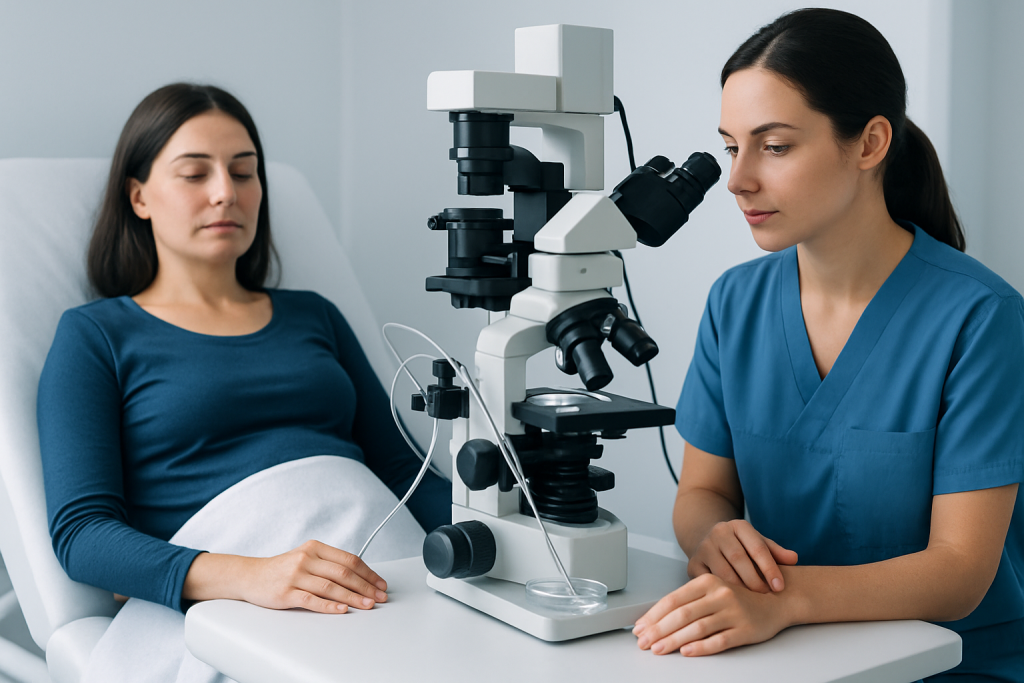
Endometriosis may affect fertility through several pathways. Inflammation in the pelvis can influence egg release, sperm movement, fertilization, and early embryo development. Adhesions and scar tissue can distort the normal relationship between the ovaries and fallopian tubes, making it harder for the tube to capture an egg after ovulation.
When endometriosis involves the ovaries, endometriomas may affect ovarian tissue and ovarian reserve, which refers to the remaining number and potential response of eggs. Prior ovarian surgery can also influence reserve, especially if cysts have been removed from one or both ovaries. For this reason, fertility specialists often assess ovarian reserve before recommending surgery, IVF, or a combined strategy.
Endometriosis can also coexist with other fertility factors. A patient may have endometriosis and a partner may have low sperm count or reduced sperm movement. Some patients also have ovulation disorders, uterine polyps, fibroids, thyroid disease, or other medical concerns. A complete evaluation helps avoid focusing on endometriosis alone when more than one factor may be involved.
When IVF Helps in Endometriosis
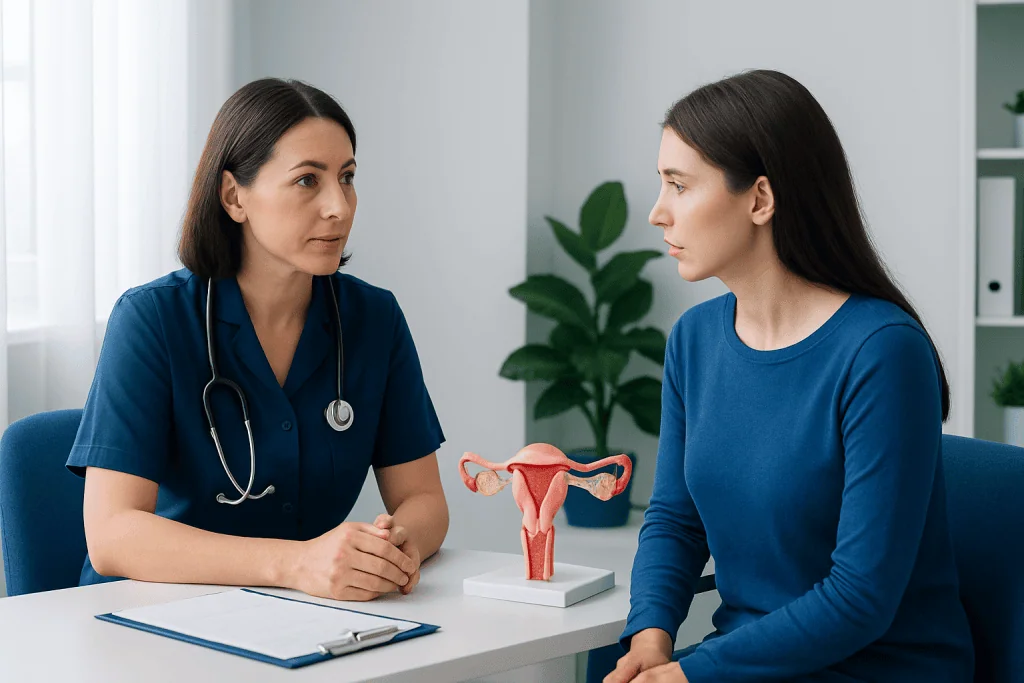
IVF is not the first or only option for every person with endometriosis. In younger patients with mild disease, open tubes, reassuring ovarian reserve, and normal sperm results, doctors may discuss trying naturally for a defined period, ovulation induction, or intrauterine insemination. However, IVF may be recommended sooner when the chance of natural conception is low or when time is an important factor.
IVF may be especially useful when endometriosis has affected the fallopian tubes, when there are significant adhesions, when previous surgery or other fertility treatments have not resulted in pregnancy, or when the patient is in an age group where delaying treatment may reduce success. It may also be considered for people with moderate to severe endometriosis, reduced ovarian reserve, recurrent endometriomas, or combined male-factor infertility.
Common situations in which a fertility specialist may discuss IVF treatment include:
- Blocked, damaged, or poorly functioning fallopian tubes.
- Stage III or IV endometriosis with pelvic adhesions or distorted anatomy.
- Endometriomas, particularly when surgery may risk further loss of ovarian reserve.
- Infertility lasting 6 to 12 months or longer, depending on age and other risk factors.
- Previous unsuccessful attempts with ovulation induction or insemination.
- Endometriosis together with sperm abnormalities, where laboratory fertilization may help.
What to Expect During an IVF Cycle
An IVF cycle usually begins with a detailed fertility assessment. This may include pelvic ultrasound, ovarian reserve blood tests such as anti-Müllerian hormone, hormone testing at specific points in the menstrual cycle, infection screening, semen analysis, and sometimes imaging to assess the uterine cavity or fallopian tubes. If endometriosis is suspected but not confirmed, the doctor may consider symptoms, ultrasound findings, prior surgery reports, and whether laparoscopy is needed.
During ovarian stimulation, injectable medicines encourage several follicles to grow in the ovaries. The patient is monitored with ultrasound and blood tests so the care team can adjust medication and choose the right timing for egg collection. Some people with endometriosis respond well, while others may produce fewer eggs because of ovarian reserve or previous ovarian surgery; this is one reason individualized planning is important.
Egg retrieval is performed using ultrasound guidance, usually under sedation or anesthesia. The eggs are then fertilized with sperm in the laboratory. In some cases, especially when there is a sperm factor or a low number of eggs, the team may recommend intracytoplasmic sperm injection, a method in which a single sperm is injected into an egg. Embryos are monitored as they develop, and one embryo is typically selected for transfer, while suitable extra embryos may be frozen for future use.
Embryo transfer is usually a brief procedure that places an embryo into the uterus through a thin catheter. Some patients have a fresh transfer in the same cycle, while others have a frozen embryo transfer later. A freeze-all approach may be considered if hormone levels, uterine lining, symptoms, ovarian response, or the need for additional medical treatment make a later transfer more appropriate.
Surgery Before IVF: When It May or May Not Be Needed
Surgery can be helpful for some people with endometriosis, especially when pain is significant, anatomy is severely distorted, or an endometrioma is suspicious in appearance or difficult to distinguish from another type of ovarian cyst. Surgery may also be considered when an endometrioma is very large, blocks safe access to follicles during egg retrieval, or is associated with recurrent infection or concerning ultrasound features.
However, surgery is not automatically recommended before IVF. Removing endometriomas can reduce healthy ovarian tissue along with the cyst wall, potentially lowering ovarian reserve. This risk is particularly important for patients with cysts in both ovaries, prior ovarian operations, low anti-Müllerian hormone, or a strong need to preserve as many eggs as possible.
The decision should balance fertility goals and symptom control. For some patients, proceeding directly to IVF may offer the best chance of using existing ovarian reserve efficiently. For others, carefully planned surgery by an experienced surgeon may improve pain, allow safer egg retrieval, or improve pelvic conditions before fertility treatment. A fertility specialist and endometriosis surgeon can review the advantages and risks together.
Success Factors, Limitations, and Emotional Considerations
IVF outcomes in endometriosis vary from person to person. Age is one of the most important factors because egg number and egg quality change over time. Ovarian reserve, the number of eggs retrieved, embryo quality, sperm health, uterine factors, body health, and previous IVF history also influence the chance of pregnancy.
Endometriosis may affect IVF in different ways. Some patients have fewer eggs retrieved, particularly if ovarian reserve is reduced. Others have good egg numbers but need careful management of pain, endometriomas, or inflammation. The presence of endometriosis does not mean IVF will fail, but it does mean the treatment plan should be thoughtful and personalized.
The emotional side of fertility treatment is also important. People with endometriosis may already be coping with chronic pain, fatigue, painful periods, painful intercourse, or uncertainty about the future. IVF can add appointments, injections, waiting periods, and financial or travel planning. Counseling, support groups, clear communication with the care team, and realistic expectations can make the process more manageable.
Preparation, Self-Care, and Lifestyle Support
Self-care cannot cure endometriosis or replace fertility treatment, but it can support overall health before and during IVF. Patients are usually advised to stop smoking, avoid recreational drugs, limit alcohol, review caffeine intake with their doctor, and take folic acid or prenatal vitamins when recommended. Managing sleep, stress, and chronic pain can also improve day-to-day wellbeing during treatment.
A balanced eating pattern, regular gentle activity, and maintaining a medically appropriate weight may support reproductive health and reduce treatment risks. Some people find that pelvic physiotherapy, heat therapy, pain-management strategies, or mental health support helps them function better. Any supplements, herbal products, or anti-inflammatory regimens should be discussed with a doctor because some may interact with fertility medications or be unsuitable before pregnancy.
Patients should also prepare practically. This may include gathering prior surgery reports, pathology results, ultrasound images, medication lists, and previous fertility records. For people traveling for care, it is helpful to ask in advance about cycle timing, monitoring visits, anesthesia requirements, embryo freezing policies, and how communication will continue after returning home. Acibadem International’s multidisciplinary specialists and JCI-accredited hospitals diagnose and treat endometriosis-related infertility for international patients, including IVF planning when appropriate.
When to See a Fertility Specialist
A person with known or suspected endometriosis should consider seeing a fertility specialist if pregnancy has not occurred after 12 months of regular unprotected intercourse, or after 6 months if the person is 35 or older. Earlier assessment is also reasonable if there are severe symptoms, known endometriomas, prior pelvic surgery, irregular cycles, suspected tubal disease, or a partner with known sperm concerns.
Medical advice should be sought promptly for severe pelvic pain, pain that disrupts daily life, heavy bleeding, pain with bowel movements or urination during periods, or symptoms that are worsening over time. These symptoms do not always mean fertility is affected, but they deserve proper evaluation and care. Early assessment may also help patients avoid unnecessary delays in fertility planning.
A fertility consultation does not always lead directly to IVF. It is an opportunity to understand the likely causes of infertility, estimate ovarian reserve, review all options, and make decisions that fit the patient’s goals. The most appropriate plan may involve expectant management, medication, surgery, insemination, IVF, fertility preservation, or a combination of approaches.
Frequently asked questions
Does everyone with endometriosis need IVF to get pregnant?
No. Many people with mild endometriosis conceive naturally, especially when they are younger, have open fallopian tubes, and have no other fertility factors. IVF is considered when natural conception is less likely, when time is important, or when other treatments have not worked.
Can IVF cure endometriosis?
IVF does not cure endometriosis. It is a fertility treatment designed to help achieve pregnancy by fertilizing eggs outside the body and transferring an embryo into the uterus. Pain and other endometriosis symptoms may still need separate long-term management.
Is surgery always needed before IVF for endometriosis?
Surgery is not always needed before IVF. It may help selected patients with severe pain, distorted anatomy, or certain endometriomas, but it can also reduce ovarian reserve. The decision should be individualized after reviewing symptoms, ultrasound findings, ovarian reserve, and fertility goals.
Can an endometrioma affect IVF results?
An endometrioma may affect ovarian reserve or make egg retrieval more complex, depending on its size and location. However, removing it before IVF is not always the best choice because surgery can also reduce healthy ovarian tissue. A fertility specialist can help weigh the risks and benefits.
Is IVF more painful for people with endometriosis?
Some people with endometriosis experience more pelvic discomfort during ovarian stimulation because the ovaries enlarge and existing pain may be triggered. Monitoring, medication adjustments, and pain-management planning can help. Patients should tell their care team early if pain becomes difficult to manage.
How many IVF cycles might be needed with endometriosis?
The number of cycles needed varies widely and cannot be predicted with certainty. Age, ovarian reserve, egg and embryo quality, sperm factors, and uterine health all influence outcomes. After each cycle, the team can review the response and decide whether to adjust the plan.
Can lifestyle changes improve IVF success in endometriosis?
Lifestyle changes cannot remove endometriosis, but they may support general reproductive health and treatment readiness. Stopping smoking, maintaining a balanced diet, taking recommended prenatal vitamins, getting appropriate exercise, and managing sleep and stress can be helpful. Supplements or alternative therapies should be discussed with a doctor before use.
References
- European Society of Human Reproduction and Embryology
- American Society for Reproductive Medicine
- Royal College of Obstetricians and Gynaecologists
- National Institute for Health and Care Excellence
- World Health Organization
This article is for general information only and is not a substitute for professional medical advice. Please consult a qualified doctor about your individual situation.
Endometriosis in Turkey — costs, top hospitals & a free quote
JCI-accredited · board-certified surgeons · reply within 24h
Check your numbers in seconds
BMI, calories, due date, blood pressure and 30+ more clinical calculators — free, instant, doctor-reviewed ranges.

Related Treatments
Related Conditions
More from the Health Library
Related Specialists
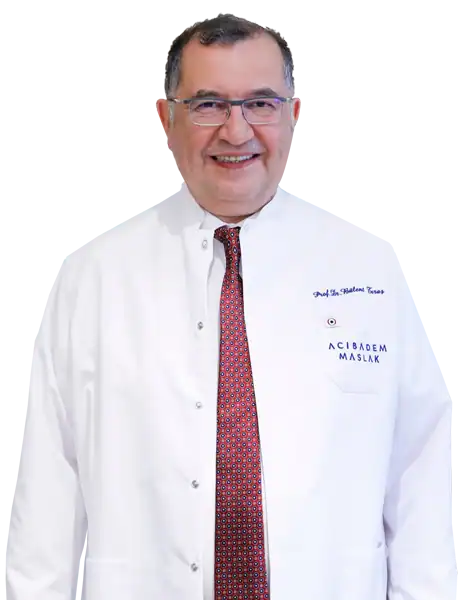
Prof. Dr. Bülent Tıraş
Gynecology & Obstetrics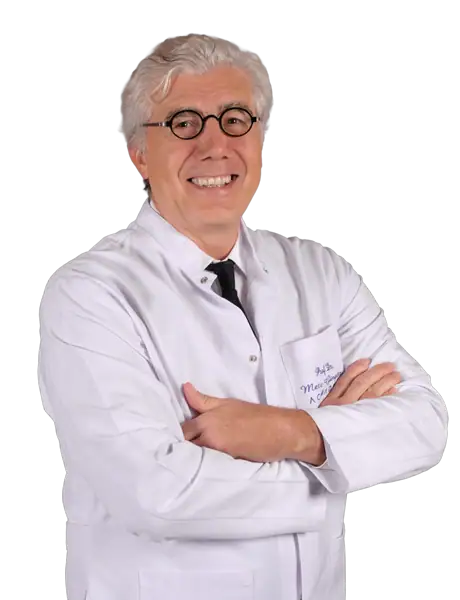
Prof. Dr. Mete Güngör
Gynecology & Obstetrics
Prof. Dr. Faruk Suat Dede
Gynecology & Obstetrics
Prof. Dr. Tansu Küçük
Gynecology & Obstetrics