Jaw Popping: What Patients Need to Know

Jaw popping often comes from the temporomandibular joint, also called the TMJ. A painless click can be harmless, but persistent symptoms should not be ignored.
Key Takeaways
- Jaw popping often comes from the temporomandibular joint, also called the TMJ.
- A painless click can be harmless, but persistent symptoms should not be ignored.
- Teeth grinding, jaw clenching, stress, arthritis, and injury can all contribute.
- Treatment may include self-care, physical therapy, bite appliances, medication, or targeted procedures.
- Prompt care is recommended if the jaw locks, movement becomes limited, or symptoms follow trauma.
Jaw popping is commonly caused by movement in the jaw joint or tension in the surrounding muscles, and it is not always a sign of a serious problem. When popping happens with pain, locking, swelling, or trouble opening the mouth, a medical or dental evaluation is important.
What jaw popping usually means
Jaw popping usually refers to a clicking, snapping, or popping sound when a person opens the mouth, closes it, chews, or yawns. In many cases, the sound comes from the temporomandibular joint, the hinge-like joint that connects the lower jaw to the skull. This joint moves in a complex way, and small changes in the position of the joint disc, muscles, or ligaments can create a noticeable sound.
A popping jaw is not always dangerous. Some people hear a click occasionally and have no pain, no locking, and no difficulty chewing. Others develop symptoms that suggest the joint or the surrounding muscles are irritated. The main question is not only whether there is a sound, but whether that sound is happening together with discomfort or changes in jaw function.
Jaw popping is often grouped under temporomandibular disorders, a broad term for problems affecting the jaw joint, chewing muscles, and nearby structures. These disorders can overlap with tooth grinding, stress-related clenching, bite strain, arthritis, and inflammation. Because several causes can produce similar symptoms, a professional evaluation helps guide the most appropriate next steps.
Common symptoms that may happen with jaw popping
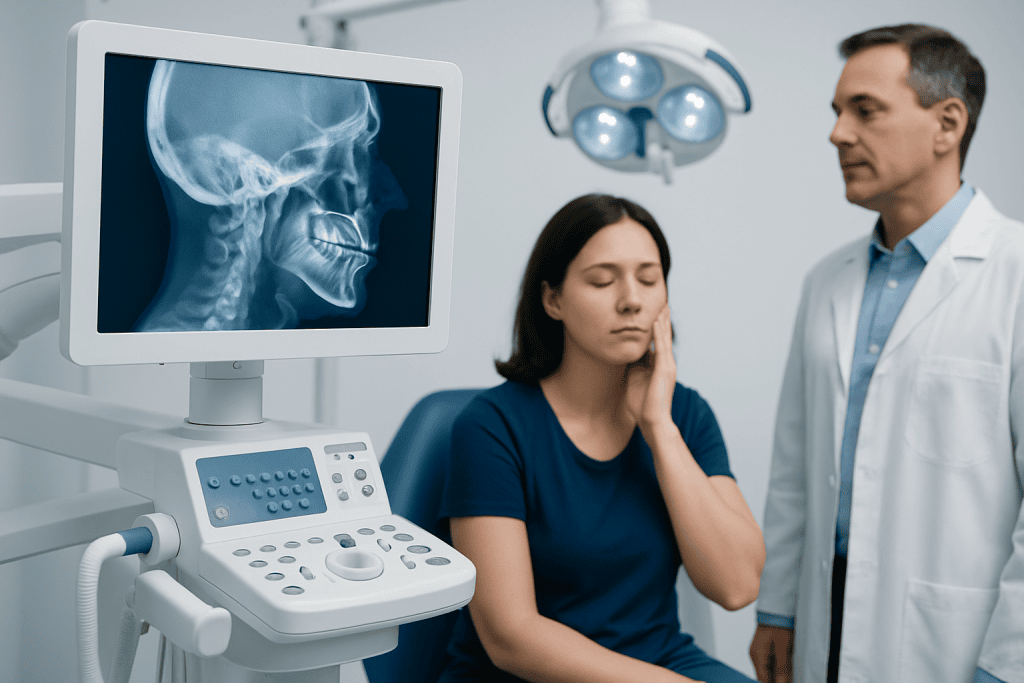
Some people notice jaw popping only once in a while, while others feel it daily. Symptoms can occur on one side or both sides of the face and may be more noticeable in the morning, during meals, or after long periods of talking. The pattern of symptoms often provides useful clues about the cause.
Jaw popping may happen together with:
- Jaw pain or tenderness near the ear or cheek
- Difficulty opening the mouth fully
- A jaw that feels stuck, catches, or locks
- Pain when chewing hard or chewy foods
- Headaches or facial aching
- Ear fullness, ringing, or discomfort without an ear infection
- Neck and shoulder tension
- A feeling that the upper and lower teeth no longer fit together normally
Not everyone with these symptoms has the same condition. For example, muscle tension may cause soreness without much joint noise, while a displaced joint disc may cause a clear click. If symptoms are frequent, worsening, or interfering with eating or speaking, the problem deserves a closer look.
Why the jaw pops: causes and risk factors

The jaw joint contains a small disc that helps the bones move smoothly. One common reason for jaw popping is that this disc shifts slightly out of its usual position and then moves back during opening or closing. This can create a click or pop. In other cases, tight or overworked jaw muscles change how the joint moves, leading to strain and noise.
Several factors can increase the chance of jaw popping. Teeth grinding and jaw clenching, especially during sleep, place repeated pressure on the joint and muscles. Stress can make clenching more likely. Injury to the jaw, face, or head may also disrupt normal joint movement. Some people develop symptoms after dental work that requires the mouth to stay open for a long time, although this is usually temporary.
Arthritis is another possible cause. Osteoarthritis can wear down joint surfaces over time, while inflammatory conditions can affect the joint lining and cause pain and stiffness. Bite changes, missing teeth, connective tissue laxity, and habits such as nail biting or chewing gum excessively may also contribute. In some patients, jaw popping is part of a broader temporomandibular joint disorder.
Rarely, infection, fracture, or a structural growth in the area may be involved. These causes are less common but are more likely to produce significant pain, swelling, fever, or a sudden change after trauma.
How doctors and dentists diagnose jaw popping
Diagnosis starts with a careful history. A clinician will usually ask when the popping began, whether there is pain, whether the jaw ever locks, what foods make symptoms worse, and whether there is a history of grinding, clenching, arthritis, or injury. Questions about headaches, ear symptoms, stress, and sleep can also be helpful.
A physical examination often includes checking how wide the mouth opens, whether the jaw moves smoothly or deviates to one side, and whether the joint makes sounds during motion. The muscles of chewing and the joint area may be gently pressed to look for tenderness. The bite and teeth may also be assessed to identify signs of wear or clenching.
Imaging is not always needed for mild or straightforward cases. However, it may be useful when symptoms are severe, persistent, or complex. Plain X-rays can show some bony changes, while MRI is better for evaluating the joint disc and soft tissues. CT may be used when bone detail is important, especially after trauma. If another dental or sinus problem is suspected, the evaluation may expand in that direction.
Because jaw symptoms can overlap with dental pain, ear conditions, neuralgia, and muscle disorders, the goal of diagnosis is to identify the main driver of symptoms rather than focusing on the sound alone.
Treatment options for jaw popping
Treatment depends on the cause, the severity of symptoms, and whether daily function is affected. Many cases improve with conservative care. Resting the jaw, avoiding very hard or chewy foods for a period, and limiting extreme mouth opening can reduce strain. Warm compresses, gentle jaw exercises recommended by a professional, stress reduction, and attention to clenching habits are often helpful first steps.
If pain or inflammation is present, a doctor may suggest medication as part of a broader treatment plan. Some patients benefit from a bite appliance, especially when nighttime grinding is suspected. Physical therapy may help improve muscle balance, posture, and jaw movement patterns. When symptoms are mainly muscular, reducing tension in the face, neck, and shoulders can make a meaningful difference.
For patients with persistent or mechanically significant symptoms, more targeted care may be considered. This can include evaluation by specialists in maxillofacial surgery or other oral and facial pain experts. If the condition is related to advanced joint damage, severe internal derangement, or structural problems, procedural treatment may be discussed. In selected cases, clinicians may also investigate nearby conditions that can contribute to facial pain, including salivary gland stones.
Surgery is usually not the first option for a popping jaw and is reserved for specific situations, such as severe structural joint disease, repeated locking, or symptoms that do not respond to appropriate conservative management. Any invasive treatment should follow a clear diagnosis and a careful discussion of risks and expected benefits.
Self-care and prevention strategies
Simple daily habits can reduce stress on the jaw joint. Choosing softer foods during a flare, cutting food into smaller pieces, and avoiding frequent gum chewing can give the joint time to settle. People who notice themselves clenching during the day may benefit from brief posture checks and relaxation reminders, such as keeping the lips closed but the teeth slightly apart.
Stress management matters because tension often collects in the jaw, face, and neck. Gentle stretching, regular sleep, exercise, breathing techniques, and treatment for anxiety or sleep problems can all support recovery. If snoring, poor sleep, or severe grinding are concerns, a clinician may look more closely at nighttime triggers.
Good dental care is also important. Regular dental visits can identify tooth wear, bite changes, and signs of bruxism early. It is generally best to avoid self-treating with aggressive jaw cracking or forceful exercises found online, as these may worsen irritation. Any exercise plan should be tailored to the individual problem.
For patients who need specialist support, Acibadem International’s multidisciplinary specialists in JCI-accredited hospitals diagnose and treat jaw joint and facial pain conditions for international patients. Depending on the findings, care may involve dental assessment, rehabilitation, pain-focused management, or physical therapy and rehabilitation.
When to seek medical care
A jaw that pops without pain may not need urgent attention, but persistent symptoms should still be discussed with a doctor or dentist. Evaluation is especially important when the popping is new, frequent, or affecting chewing, speaking, or quality of life.
Medical care should be sought sooner if any of the following occur:
- Jaw pain that is ongoing or worsening
- Locking, catching, or inability to open or close the mouth normally
- Swelling, redness, or warmth around the joint
- Symptoms after a fall, blow to the face, or other injury
- Fever, dental infection, or severe facial pain
- A sudden change in the way the teeth come together
Prompt assessment can help rule out fracture, infection, inflammatory arthritis, or significant disc displacement. Early guidance may also prevent a temporary problem from becoming a long-lasting one.
Frequently asked questions
Is jaw popping always a sign of TMJ disorder?
No. Jaw popping can occur without a major disorder, especially if there is no pain or limitation in movement. However, repeated popping with discomfort, locking, or chewing problems may suggest a temporomandibular joint problem and should be evaluated.
Can stress cause jaw popping?
Stress can contribute indirectly by increasing jaw clenching and muscle tension. Over time, this extra strain may affect how the joint moves and may lead to clicking, soreness, or stiffness.
Should a person stop chewing gum if the jaw pops?
Reducing or stopping gum chewing is often a good idea during a flare of jaw symptoms. Repetitive chewing can overwork the joint and surrounding muscles, especially if there is already irritation.
Will jaw popping go away on its own?
Sometimes it does, especially if it is mild and related to temporary muscle tension or overuse. If symptoms last, return frequently, or come with pain or locking, professional advice is recommended.
What kind of doctor treats jaw popping?
Initial evaluation may be done by a dentist, primary care doctor, or an ear, nose, and throat specialist depending on the symptoms. Some patients are referred to oral and maxillofacial surgeons, facial pain specialists, or physical therapists with jaw disorder experience.
Can arthritis cause a clicking or popping jaw?
Yes. Arthritis can affect the temporomandibular joint and change how the joint surfaces move against each other. This may cause pain, stiffness, grinding sensations, or popping, especially in persistent cases.
References
- National Institute of Dental and Craniofacial Research
- American Dental Association
- Mayo Clinic
- National Health Service
- American Academy of Orofacial Pain
This article is for general information only and is not a substitute for professional medical advice. Please consult a qualified doctor about your individual situation.
Joint and spine care in Turkey — expert assessment & treatment
JCI-accredited · board-certified surgeons · reply within 24h
Add us as a Preferred Source to see more of our trusted health content across Google Search, AI Overviews and Discover.