

Knee Is Hurting on the Inside of Knee: A Complete Medical Overview

Pain on the inside of the knee is often called medial knee pain. Common causes include overuse, ligament strain, meniscus injury, and osteoarthritis.
Key Takeaways
- Pain on the inside of the knee is often called medial knee pain.
- Common causes include overuse, ligament strain, meniscus injury, and osteoarthritis.
- The pattern of pain, swelling, locking, and instability helps doctors identify the cause.
- Rest, ice, guided exercise, and activity modification often help, but some cases need imaging or specialist care.
- Urgent assessment is important after significant injury, inability to bear weight, major swelling, or a hot, red joint.
Knee is hurting on the inside of knee is a common complaint that often relates to strain of the structures on the inner side of the joint, such as the medial meniscus, medial collateral ligament, tendons, or cartilage. In some people it settles with rest and activity changes, but persistent pain, swelling, locking, or the feeling that the knee may give way should be medically evaluated.
Overview: What it means when the inside of the knee hurts
When a person says their knee is hurting on the inside of knee, doctors usually describe this as medial knee pain. The inner side of the knee contains several important structures, including cartilage, ligaments, tendons, and the smooth joint surfaces that help the knee bend and bear weight. Pain can start suddenly after a twist or fall, or it can come on gradually with walking, exercise, kneeling, or age-related wear.
The exact cause is not always obvious from pain alone. Inner knee pain may come from a mild strain, irritation of the medial collateral ligament, a meniscus tear, inflammation around the joint, or osteoarthritis. Sometimes pain is felt more when going up or down stairs, standing from a chair, or after long periods of activity. In other cases, stiffness in the morning or swelling after use can provide important clues.
Because different problems can feel similar, it helps to look at the full pattern of symptoms rather than focusing only on the location. Whether the pain began after an injury, whether the knee locks or catches, and whether swelling developed quickly or gradually can all guide diagnosis. A medical evaluation becomes more important if symptoms do not improve, interfere with walking, or return repeatedly.
Common symptoms that can accompany inner knee pain
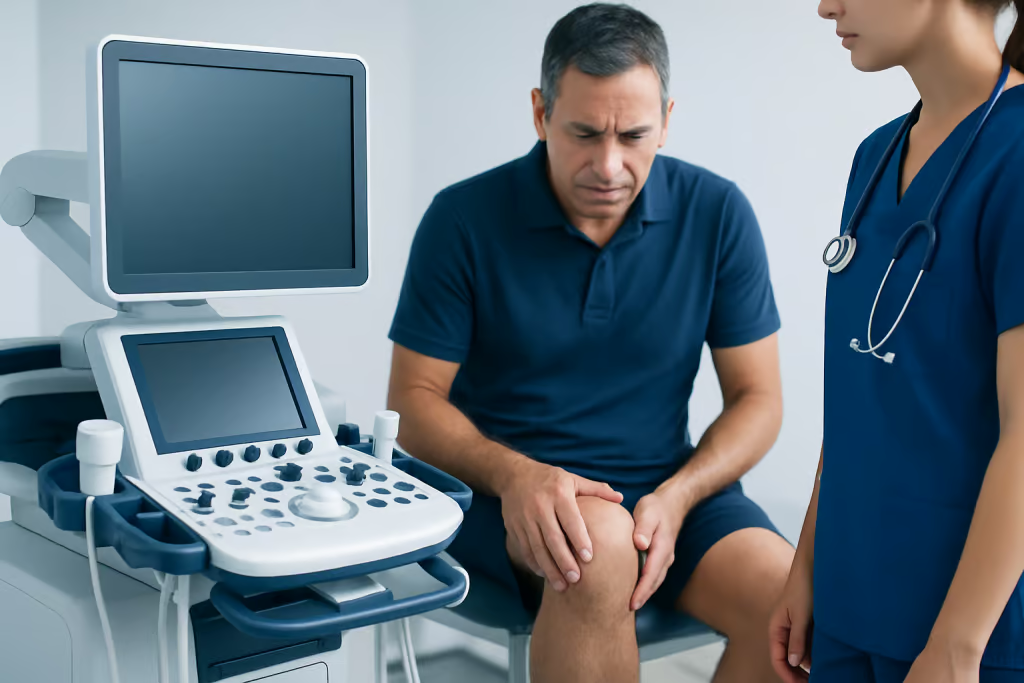
Inner knee pain may feel sharp, aching, tender, sore, or stiff. Some people notice it only during certain movements, while others feel it even at rest. Pain may be located directly along the joint line, just below it, or spread across the inner side of the knee. The precise spot can help narrow down whether the source is ligament, tendon, cartilage, or bone.
Other symptoms often occur together with pain. Swelling may appear immediately after an injury or develop gradually over hours to days. The knee may feel unstable, as if it could buckle, especially if a ligament has been strained. Clicking, catching, or locking may suggest a meniscus problem. Morning stiffness or stiffness after sitting can be more common with arthritis.
- Tenderness along the inner joint line
- Swelling or a feeling of fullness in the knee
- Stiffness after rest or in the morning
- Pain with twisting, squatting, or climbing stairs
- Clicking, catching, or locking
- A sense of weakness or instability
Symptoms should always be interpreted in context. For example, pain after a sports injury may have a different cause than pain that slowly worsens over months. A clinician may also ask about fever, redness, or severe warmth in the joint, since these can point to a more urgent problem requiring prompt assessment.
Possible causes and risk factors

The inner knee is supported by the medial collateral ligament, the medial meniscus, surrounding tendons, and the cartilage covering the joint surfaces. Injury or irritation to any of these structures can cause pain. A common cause is a mild sprain or overuse strain, particularly after running, sudden changes in direction, or repetitive bending. The medial collateral ligament can be stretched by a blow to the outer knee or by twisting motions.
The medial meniscus, a C-shaped cartilage pad that helps cushion the knee, is another frequent source of pain. A meniscus tear may happen suddenly during sports or gradually as the tissue becomes more fragile with age. People often describe pain at the inner joint line, sometimes with catching or locking. Osteoarthritis can also affect the inner compartment of the knee and may lead to pain with walking, stiffness, and reduced range of motion. Related conditions such as knee arthritis can become more likely with age, previous joint injury, excess body weight, and long-term repetitive stress.
Other possible causes include pes anserine bursitis, tendon irritation, cartilage wear beneath the joint surfaces, or referred pain from another area. Risk factors can include previous knee injury, high-impact sports, sudden increases in training, poor muscle balance, prolonged kneeling, and natural age-related changes. In some people, the shape and alignment of the legs or feet may also increase stress on the inner side of the knee.
How doctors evaluate inner knee pain
Assessment starts with a careful history. A doctor will usually ask when the pain began, whether there was a twist, fall, or direct blow, and what movements make it worse. They may ask whether the knee swells, locks, clicks, or gives way, and whether the patient can fully bend and straighten the leg. Details about exercise habits, work activities, and previous injuries are also useful.
The physical examination often includes checking for tenderness, swelling, warmth, range of motion, and stability. The doctor may gently stress the knee in different directions to test the ligaments and perform movements that can suggest a meniscus injury. Looking at the patient walk, stand, and squat may reveal imbalance or altered mechanics that contribute to pain.
Imaging is not always needed right away, especially if symptoms are mild and improving. However, it may be useful when pain is significant, symptoms persist, or a structural injury is suspected. X-rays can help show arthritis, alignment, or fracture. Magnetic resonance imaging may be recommended when doctors need a closer look at soft tissues such as ligaments and menisci, especially in suspected meniscus tear or more complex injuries. In selected cases, ultrasound or laboratory tests may be used to assess inflammation, fluid, or infection.
Treatment options for pain on the inside of the knee
Treatment depends on the cause, severity, and how long symptoms have been present. Many cases improve with conservative care. Early measures often include reducing painful activities, using ice for short periods, elevating the leg if swelling is present, and temporarily modifying sports or exercise. Some people benefit from an elastic support or brace, particularly when the knee feels mildly unstable, although this should not replace proper rehabilitation.
Physical therapy is often central to recovery. A guided program may focus on restoring range of motion, strengthening the quadriceps, hamstrings, hips, and core, and improving balance and movement patterns. These exercises can reduce strain on the inner knee and help prevent recurrence. If symptoms are linked to arthritis or chronic overload, weight management, supportive footwear, and low-impact activity can also make a meaningful difference. In appropriate cases, a specialist may recommend physical therapy and rehabilitation as part of a structured treatment plan.
Medicines may be used for short-term symptom relief, depending on the individual and their medical history, but they should be discussed with a qualified clinician. In some situations, doctors may consider injections for inflammation or osteoarthritis-related symptoms. When a significant structural problem is present, treatment may involve specialist orthopedic review. For example, persistent locking, a repairable meniscus tear, or advanced joint damage may lead to discussion of knee surgery or other orthopedic procedures. Patients with severe degeneration may also be evaluated in centers that provide robotic knee replacement when this is clinically appropriate.
Self-care, prevention, and protecting the knee
Although not every cause can be prevented, good joint habits can reduce strain on the inner knee. Gradual increases in activity are safer than sudden jumps in intensity, especially for running, jumping, or sports with cutting and twisting. Warm-up exercises, flexibility work, and regular strength training for the thigh and hip muscles can improve stability and reduce stress through the joint.
For people with recurring symptoms, it is often helpful to review movement patterns and daily habits. Avoiding repeated deep squatting or kneeling during painful periods, using supportive shoes, and choosing lower-impact options such as cycling, swimming, or walking on even surfaces may help. Managing body weight can also reduce load on the knee and may lessen symptoms over time in people with osteoarthritis.
Self-care should be sensible rather than prolonged. If symptoms are improving, a gradual return to normal activity is usually better than complete inactivity for long periods. However, pain that repeatedly returns with routine activity may mean the knee needs a clearer diagnosis and a more targeted plan rather than continued home treatment alone.
When to seek medical care
Medical assessment is recommended if inner knee pain lasts more than a few days, interferes with walking, or keeps coming back. It is also important to seek care if the knee swells significantly, cannot fully straighten or bend, or feels unstable. These signs can point to a meniscus injury, ligament problem, arthritis flare, or another condition that benefits from a proper diagnosis.
Prompt evaluation is especially important after a significant injury, such as a twisting accident, sports collision, or fall. A person should also seek urgent care if they cannot bear weight, hear a pop followed by swelling, notice marked deformity, or develop fever, redness, or warmth around the joint. These symptoms may signal fracture, severe internal injury, or joint infection.
If specialist care is needed, multidisciplinary orthopedic and rehabilitation teams can help identify the cause and recommend the most suitable treatment. Acibadem International’s JCI-accredited hospitals care for international patients with knee conditions through coordinated evaluation by orthopedic, imaging, and rehabilitation specialists.
Frequently asked questions
Why is my knee hurting on the inside of knee?
Pain on the inside of the knee often comes from irritation or injury affecting the medial side of the joint. Common causes include a meniscus tear, medial collateral ligament strain, tendon or bursa irritation, and osteoarthritis.
Can inner knee pain go away on its own?
Yes, mild inner knee pain from overuse or a minor strain may improve with rest, activity changes, ice, and gradual return to movement. If pain persists, worsens, or comes with swelling, locking, or instability, medical evaluation is advisable.
How do I know if inner knee pain is a meniscus tear?
A meniscus tear often causes pain along the joint line and may be associated with catching, clicking, locking, or swelling. However, symptoms can overlap with other conditions, so an examination and sometimes imaging are needed for confirmation.
Is walking good or bad for pain on the inside of the knee?
Gentle walking is often acceptable if it does not significantly increase pain or swelling. If walking causes limping, worsening symptoms, or a sense that the knee may give way, reducing activity and seeking medical advice is sensible.
When should inner knee pain be checked by a doctor?
A doctor should assess inner knee pain if it lasts more than a few days, keeps returning, or limits normal activity. Prompt care is also important after injury, with inability to bear weight, major swelling, locking, deformity, fever, or a hot red knee.
What tests are used for medial knee pain?
Doctors usually start with a medical history and physical examination. Depending on the suspected cause, they may use X-rays to look at bone and joint changes or MRI to evaluate soft tissues such as ligaments and menisci.
References
- American Academy of Orthopaedic Surgeons
- National Institute of Arthritis and Musculoskeletal and Skin Diseases
- MedlinePlus
- NHS
- Mayo Clinic
This article is for general information only and is not a substitute for professional medical advice. Please consult a qualified doctor about your individual situation.
Joint and spine care in Turkey — expert assessment & treatment
JCI-accredited · board-certified surgeons · reply within 24h
Add us as a Preferred Source to see more of our trusted health content across Google Search, AI Overviews and Discover.

More from the Health Library

Related Specialists

Prof. Dr. İbrahim Tuncay
Orthopedic Surgery & Traumatology
Dr. Nadire Sevda İdil
Gynecology & Obstetrics
Prof. Dr. M. Nadir Şener
Orthopedic Surgery & Traumatology
Dr. Arzu Aslan
Dermatology