Latest Breast Cancer Treatment: How It Works, Results and What to Expect
Modern breast cancer care is guided by tumor type, hormone receptors, HER2 status, genetic findings and stage. Many people receive a combination of local treatments, such as surgery or radiation, and whole-body medicines.
Key Takeaways
- Modern breast cancer care is guided by tumor type, hormone receptors, HER2 status, genetic findings and stage.
- Many people receive a combination of local treatments, such as surgery or radiation, and whole-body medicines.
- Targeted drugs, antibody-drug conjugates and immunotherapy have expanded options for selected breast cancer subtypes.
- Treatment length varies widely, from a few weeks for some local treatments to months or longer for systemic therapy and follow-up care.
- A multidisciplinary team helps coordinate treatment decisions, symptom management and survivorship care.
The latest breast cancer treatment is not one single procedure or medicine. It is a personalized plan that may combine surgery, radiation therapy, chemotherapy, hormone therapy, targeted treatment or immunotherapy according to the cancer’s stage, biology and a person’s overall health.
Overview: what the latest breast cancer treatment means
The latest breast cancer treatment uses a precision-based approach rather than a single new treatment for every person. Doctors combine information from imaging, biopsy results and laboratory testing to select therapies most likely to help a specific breast cancer subtype while limiting unnecessary treatment where possible.
Depending on the situation, treatment can include breast-conserving surgery or mastectomy, radiation therapy, chemotherapy, endocrine (hormone-blocking) therapy, HER2-targeted medicines, immunotherapy, antibody-drug conjugates, or medicines directed at inherited or tumor-specific gene changes. Treatment may be given before surgery, called neoadjuvant therapy, or after surgery, called adjuvant therapy.
The main goals are to remove or control the cancer, reduce the chance of recurrence when appropriate, preserve quality of life and manage symptoms. The best plan is individual and should be discussed with a breast surgeon, medical oncologist, radiation oncologist and other relevant specialists.
How modern breast cancer treatments work
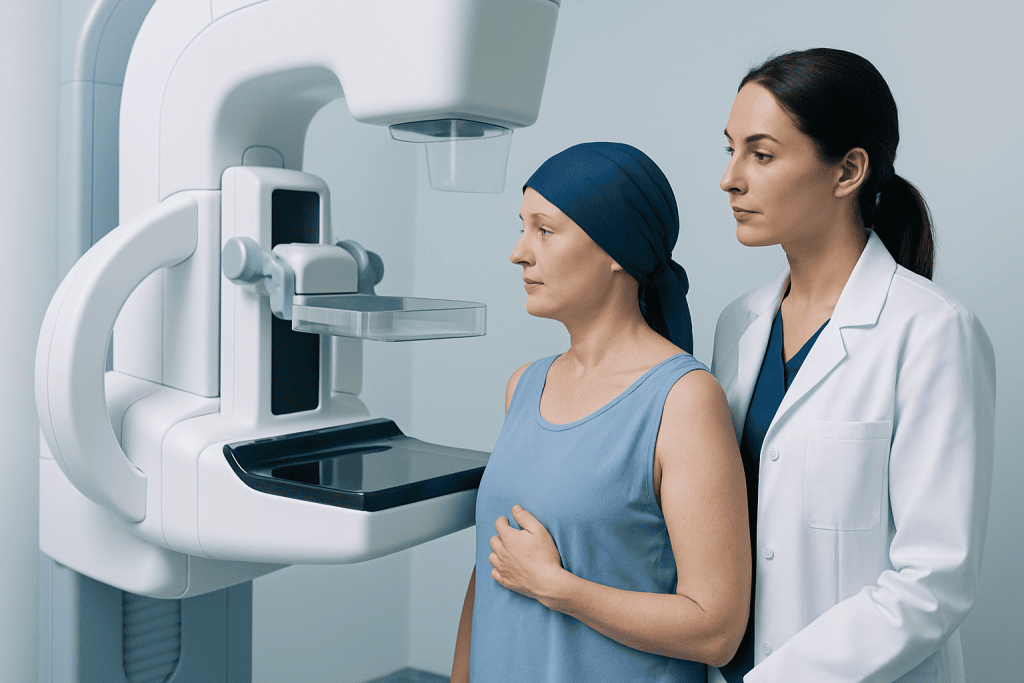
Breast cancer treatment is usually divided into local and systemic care. Local treatments act on the breast and nearby lymph nodes. Surgery removes the tumor, while radiation uses carefully planned high-energy beams to treat remaining cancer cells in a defined area. For suitable early cancers, breast-conserving surgery followed by radiation can offer outcomes comparable to mastectomy.
Systemic treatments travel through the bloodstream and can treat cancer cells beyond the breast. Chemotherapy damages rapidly dividing cells. Endocrine therapy lowers or blocks estrogen effects in hormone receptor-positive cancers. HER2-targeted therapy blocks signals from excess HER2 protein, and immunotherapy helps the immune system recognize and attack cancer cells in selected cases.
Some newer approaches deliver treatment more precisely. Antibody-drug conjugates pair an antibody that recognizes a cancer-related marker with a cancer medicine, helping bring the drug to cells carrying that marker. Other treatments may target changes such as BRCA-related DNA repair problems or specific mutations found through tumor testing. These options are appropriate only for certain cancers and treatment settings.
Care may also include fertility support, genetic counseling, physical therapy for arm and shoulder movement, nutrition advice, psychological support and management of treatment side effects. These services are important parts of comprehensive cancer care.
Who may be a candidate for newer treatments
Candidacy depends on more than the cancer stage. The pathology report helps identify whether the cancer is hormone receptor-positive, HER2-positive or triple-negative. Doctors also consider tumor size, lymph node involvement, grade, growth features, prior treatment, menopausal status, medical history and personal preferences.
Biomarker testing is central to treatment planning. Hormone receptor and HER2 testing are routine for invasive breast cancer. In some circumstances, the care team may recommend genetic testing for inherited mutations, such as BRCA1 or BRCA2, or genomic tests on the tumor to help estimate whether chemotherapy is likely to add benefit after surgery.
Neoadjuvant therapy may be considered when a tumor is larger, lymph nodes are involved, or a cancer subtype is likely to respond well to medicine given before surgery. Shrinking a tumor before an operation can sometimes make breast-conserving surgery possible and can provide useful information about treatment response.
Not every new medicine is better for every person. A treatment is chosen when evidence shows that its expected benefits are likely to outweigh its risks in that individual’s clinical setting. Clinical trials may also be an option for eligible patients and should be discussed with the oncology team.
What to expect: treatment steps and recovery timeline
Care usually starts with diagnostic imaging and a biopsy. Following confirmation of cancer, the team reviews pathology findings and may request additional scans or tests to determine the stage. The patient then meets relevant specialists to agree on the order of treatment. In early breast cancer, surgery may come first; in other situations, medicines are given before surgery.
If surgery is planned, the procedure may involve lumpectomy, also called breast-conserving surgery, or mastectomy. Sentinel lymph node biopsy or lymph node surgery may be performed when needed. Reconstruction may be immediate or delayed, depending on cancer treatment needs and personal preferences. Breast cancer treatment planning should include a discussion of surgical choices, possible reconstruction and expected recovery.
Many people go home the same day or after a short hospital stay following breast surgery, although recovery varies with the operation and reconstruction. Tenderness, tiredness and limited shoulder movement are common initially. The team provides wound-care advice, guidance about activity and exercises to restore mobility. Full recovery from surgery may take several weeks, while reconstruction can require a longer recovery period.
Radiation commonly begins after surgical healing and is usually delivered on weekdays over a defined course. Chemotherapy, targeted medicines or immunotherapy are often given in repeating cycles over several months, but schedules differ considerably. Endocrine therapy is commonly taken for years when indicated. Follow-up visits monitor recovery, treatment effects and long-term health.
Benefits, limitations and possible risks
The benefit of modern treatment is that it can be tailored more closely to the cancer’s biology. For example, endocrine therapy can substantially reduce recurrence risk in hormone-sensitive cancers, while HER2-targeted treatment has improved outcomes for HER2-positive disease. For selected triple-negative cancers, immunotherapy may be included as part of treatment.
All treatments can cause side effects, but supportive care has improved substantially. Surgery can lead to pain, infection, scarring, altered breast sensation, shoulder stiffness or lymphedema. Radiation may cause temporary skin irritation and fatigue, with less common longer-term changes to breast tissue or nearby organs depending on the treated area.
Systemic therapy risks vary by medicine and may include fatigue, nausea, hair loss, low blood counts, neuropathy, menopause-related symptoms, bone effects, heart effects, blood clots or immune-related inflammation. The oncology team monitors for these concerns and can adjust treatment or offer supportive medicines when needed.
It is important to report new or worsening symptoms promptly rather than waiting for the next appointment. Patients should not stop prescribed cancer medicines without speaking to their oncology team, because side-effect management or a change in regimen may be possible.
Questions patients commonly ask about newer care
How much time does breast cancer take from stage 1 to 4? There is no predictable timeline. Some breast cancers grow slowly and may remain localized for years, while others are more aggressive and can spread sooner. Staging describes the extent of cancer when it is assessed, not a fixed sequence that every cancer follows. Regular screening and prompt evaluation of changes can help detect cancer earlier.
What is the latest breakthrough in breast cancer? Important recent advances include increasingly precise use of antibody-drug conjugates, targeted medicines for cancers with specific genetic features, and immunotherapy for selected triple-negative breast cancers. Another major advance is using tumor biology and response to pre-surgery treatment to refine therapy after surgery. The most relevant breakthrough depends on the breast cancer subtype and whether it is early-stage, recurrent or metastatic.
What is the most successful treatment for breast cancer? There is no one treatment that is best for all breast cancers. For many early-stage cancers, a combination of surgery and, when indicated, radiation and systemic treatment offers the strongest chance of long-term control. The most successful plan is the one matched to the cancer’s stage and biomarkers, while considering the person’s health and treatment goals.
How long does breast cancer treatment take on average? Active treatment can range from several weeks to many months. Surgery recovery often takes weeks, radiation may take several weeks, and chemotherapy or other intravenous treatment may continue for months. Endocrine therapy may continue for years, and follow-up care remains important after active treatment ends.
When to seek medical care
A person should arrange a medical assessment promptly for a new breast lump, thickening, persistent breast or armpit swelling, changes in breast shape, skin dimpling, unexplained nipple inversion, nipple discharge that is bloody or occurs without squeezing, or persistent redness or scaling around the nipple. These signs do not always indicate cancer, but they should be checked.
People already receiving treatment should contact their clinical team urgently for fever, chills, shortness of breath, chest pain, uncontrolled vomiting or diarrhea, severe pain, confusion, sudden swelling of an arm or leg, unusual bleeding, or signs of an allergic reaction. These symptoms can have many causes, but they may require prompt medical attention during cancer treatment.
Breast screening recommendations differ by country, age, family history and personal risk. A clinician can advise on the appropriate screening schedule and whether earlier or additional imaging is needed. People with a strong family history of breast, ovarian, pancreatic or prostate cancer may benefit from genetic counseling.
Acibadem International’s multidisciplinary specialists at JCI-accredited hospitals evaluate and treat breast cancer for international patients, coordinating surgical, medical and radiation oncology care when appropriate.
Frequently asked questions
Can breast cancer be treated without chemotherapy?
Yes, some people do not need chemotherapy. Hormone receptor-positive, lower-risk early breast cancers may be treated with surgery and endocrine therapy, with radiation when indicated. The decision is based on pathology, stage, genomic testing when appropriate and the expected benefit of chemotherapy.
What is neoadjuvant treatment for breast cancer?
Neoadjuvant treatment is therapy given before surgery. It may include chemotherapy, HER2-targeted treatment, immunotherapy or endocrine therapy, depending on the cancer subtype. Its goals can include shrinking the tumor, treating cancer cells early and helping guide additional treatment after surgery.
Is immunotherapy used for all breast cancers?
No. Immunotherapy is used for selected breast cancers, most often certain triple-negative cancers in particular stages or metastatic settings. Testing and clinical factors help the oncology team determine whether it is likely to be appropriate.
Can a lumpectomy be as effective as a mastectomy?
For many people with early-stage breast cancer, lumpectomy followed by radiation can provide survival outcomes comparable to mastectomy. However, suitability depends on tumor size, location, breast size, genetic risk, prior radiation and personal preferences. A breast surgeon can explain which options are appropriate.
What follow-up is needed after breast cancer treatment?
Follow-up typically includes regular clinical visits, discussion of new symptoms and breast imaging based on the type of surgery and individual situation. The care plan may also address bone health, heart health, menopausal symptoms, emotional wellbeing and rehabilitation. Routine scans or blood tests are not needed for every person without symptoms.
Can breast cancer return after treatment?
Breast cancer can recur, but recurrence risk varies widely by cancer subtype, stage and treatment received. Adjuvant therapies are used when appropriate to lower that risk. Attending follow-up appointments and reporting new persistent symptoms are practical parts of ongoing care.
References
- World Health Organization
- American Cancer Society
- National Cancer Institute
- European Society for Medical Oncology
- National Comprehensive Cancer Network
This article is for general information only and is not a substitute for professional medical advice. Please consult a qualified doctor about your individual situation.
Breast Cancer in Turkey — costs, top hospitals & a free quote
JCI-accredited · board-certified surgeons · reply within 24h
Add us as a Preferred Source to see more of our trusted health content across Google Search, AI Overviews and Discover.

Medical Oncology Department
Medical treatment of cancer with chemotherapy, immunotherapy and targeted therapies under a multidisciplinary tumor board.
60 specialists in this unit