Leep Procedure: A Complete Medical Overview

The leep procedure removes abnormal cervical tissue and can be both diagnostic and therapeutic. It is commonly used after abnormal Pap test, HPV test, or colposcopy findings suggest cervical precancer.
Key Takeaways
- The leep procedure removes abnormal cervical tissue and can be both diagnostic and therapeutic.
- It is commonly used after abnormal Pap test, HPV test, or colposcopy findings suggest cervical precancer.
- Most people recover within a few weeks, with temporary cramping, spotting, or watery discharge being common.
- Follow-up cervical screening is important because abnormal cells can return even after successful treatment.
- Avoiding vaginal intercourse, tampons, and douching for a short period after the procedure helps healing.
A leep procedure is a common gynecologic treatment that removes abnormal cells from the cervix using a thin wire loop with an electrical current. It is often recommended after abnormal screening results to diagnose or treat precancerous cervical changes and reduce the risk of cervical cancer.
Overview: What the Leep Procedure Is and Why It Is Done
The leep procedure, short for loop electrosurgical excision procedure, removes a thin layer of tissue from the cervix using a small wire loop heated by electrical current. Doctors use it to remove abnormal cells that are usually found after cervical screening tests, such as a Pap test or HPV test, or after a closer examination called colposcopy. In many cases, it both confirms the diagnosis and treats the abnormal area at the same time.
The goal of a leep procedure is to remove cells that could develop into cancer if left untreated. Most often, these changes are called cervical dysplasia or cervical intraepithelial neoplasia. These are not the same as cervical cancer, but they may need treatment depending on how extensive or severe the cell changes are. For patients learning more about cervical cancer, it can be helpful to understand that LEEP is often part of prevention rather than cancer treatment itself.
LEEP is usually done in an outpatient setting, often in a clinic or doctor’s office, and typically takes only a short time. Local anesthesia is commonly used to numb the cervix. Many patients are able to return home the same day and resume light daily activities soon afterward.
Who May Need a Leep Procedure
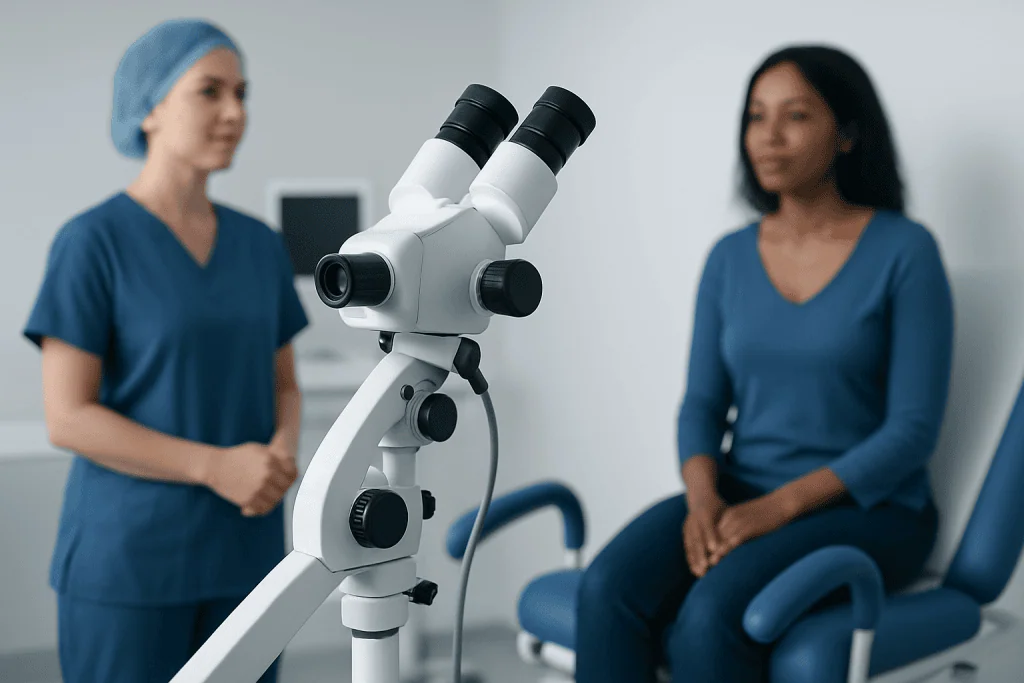
A doctor may recommend a leep procedure when cervical screening suggests moderate or high-grade abnormal changes. This often happens after an abnormal Pap test, a positive test for certain high-risk types of human papillomavirus, or a biopsy taken during colposcopy. LEEP may also be considered when the abnormal area needs to be removed completely for both diagnosis and treatment.
Not every abnormal screening result leads to LEEP. Mild cell changes may be monitored with repeat testing because some abnormalities, especially in younger patients, can go away on their own. The decision depends on factors such as age, biopsy results, pregnancy status, prior screening history, and whether the abnormal cells appear limited or more extensive.
Doctors also consider future pregnancy plans when discussing treatment options. In some situations, another approach such as observation, repeat colposcopy, or a different excisional technique may be more suitable. A gynecologist helps weigh the benefits of treatment against possible effects on the cervix.
What Happens Before, During, and After the Procedure
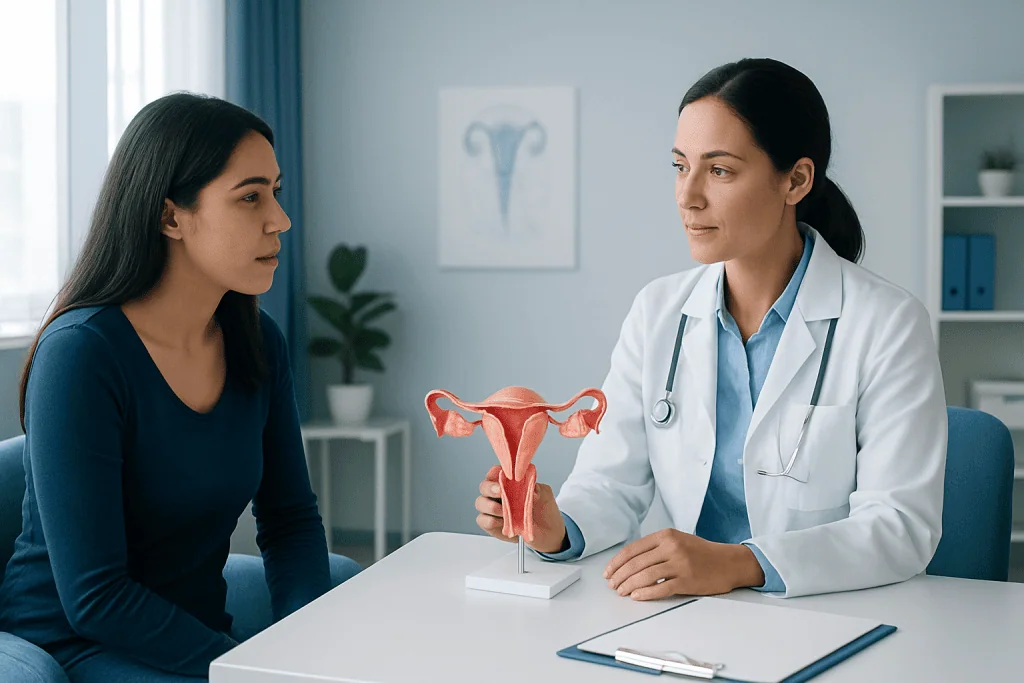
Before a leep procedure, the doctor reviews recent test results, symptoms, medications, allergies, and pregnancy status. Patients are often advised to schedule the procedure when they are not menstruating if possible. They may also be told to avoid vaginal creams, douching, or intercourse for a short time beforehand, depending on the clinic’s instructions.
During the procedure, the patient lies on an exam table much like during a pelvic exam. A speculum is placed in the vagina so the cervix can be seen clearly. The cervix is cleaned, and local anesthetic is injected to numb the area. A colposcope may be used to guide the doctor, and then the thin loop removes the abnormal tissue. Sometimes a special paste or solution is applied afterward to reduce bleeding.
Afterward, mild cramping, spotting, brown or dark discharge, or watery discharge can happen for several days or even a few weeks. Most patients go home shortly after the procedure. Recovery instructions commonly include avoiding tampons, vaginal intercourse, swimming, or douching for a period of time while the cervix heals.
If a patient’s care plan also involves more detailed evaluation of the cervix, colposcopy may be part of the pathway before or after treatment decisions are made.
Benefits, Effectiveness, and Possible Risks
One important benefit of the leep procedure is that it can remove abnormal tissue and provide a sample for laboratory examination. This means the pathologist can assess whether the abnormal cells were fully removed and whether there are any unexpected findings. Because of this dual role, LEEP is a practical and widely used option for managing cervical precancer.
LEEP is generally effective for treating many cases of high-grade cervical dysplasia. Removing these abnormal cells lowers the chance that they will progress to invasive cancer. Even so, treatment does not eliminate the need for future screening, because HPV infection may persist and abnormal cells can return.
Like any procedure, LEEP has some risks. These may include bleeding, infection, pelvic discomfort, temporary discharge, or narrowing of the cervical opening in uncommon cases. There can also be effects on future pregnancy in some patients, such as a small increased risk of cervical weakness or preterm birth, especially if large amounts of tissue must be removed or if repeat cervical procedures are needed.
These risks should be discussed in the context of the person’s overall health, reproductive plans, and the severity of the abnormal cells. For many patients, the benefit of preventing progression to cancer clearly outweighs the short-term discomfort and the relatively low risk of complications.
Recovery, Healing, and Follow-Up Care
Healing after a leep procedure usually takes a few weeks. Mild period-like cramps can happen on the first day or two, and light bleeding or discharge may continue for some time as the cervix heals. Many people can return to work or usual daily routines quickly, although strenuous exercise or heavy lifting may need to be limited briefly if advised by the doctor.
Following aftercare instructions helps reduce complications. Patients are often told not to place anything in the vagina for a set period, including tampons, menstrual cups, or sexual intercourse. This helps protect the healing tissue and lowers the risk of bleeding and infection.
Follow-up is a key part of care. The removed tissue is examined in a laboratory, and the results guide what happens next. Some patients need repeat HPV testing, Pap testing, or another cervical biopsy if margins are unclear or if new abnormalities appear later.
Long-term monitoring remains important even when the procedure is successful. A doctor may recommend a more intensive screening schedule for a period of time before returning to routine screening intervals. Patients should keep all follow-up appointments and ask when their next test is due.
Prevention, Screening, and Self-Care
The best way to reduce the need for a leep procedure is through regular cervical screening and timely follow-up of abnormal results. Pap tests and HPV tests can find cell changes before symptoms develop. Early detection allows doctors to monitor or treat precancerous changes before they become more serious.
Vaccination against HPV is another important preventive step. High-risk HPV types are the main cause of most cervical precancers and cancers. Depending on age and health history, a doctor can advise whether HPV vaccination is appropriate.
General self-care also supports cervical health. This includes avoiding tobacco use, practicing safer sex, and attending routine gynecologic visits. Patients who have already had a leep procedure should be especially careful to follow future screening recommendations, because prior treatment does not guarantee that abnormalities will never recur.
Some patients may need coordinated care that includes gynecology services for ongoing screening, treatment planning, and reproductive health counseling.
When to Seek Medical Care
Medical care is needed if cervical screening results are abnormal, if a doctor recommends further testing, or if there are symptoms such as unusual vaginal bleeding, bleeding after sex, persistent pelvic pain, or abnormal discharge. These symptoms do not always mean a serious condition, but they should be assessed by a qualified clinician.
After a leep procedure, patients should contact their doctor if they have heavy bleeding, severe pain, fever, chills, foul-smelling discharge, or symptoms that seem to be getting worse rather than better. These may suggest infection or another complication that needs attention.
Anyone who is pregnant or hoping to become pregnant should mention this when discussing treatment options, because it may affect the timing or type of procedure recommended. For international patients who need evaluation and treatment planning, Acibadem International’s multidisciplinary specialists in JCI-accredited hospitals provide care for cervical conditions and related procedures.
Frequently asked questions
Is the leep procedure painful?
Most patients feel pressure, brief discomfort, or mild cramping rather than strong pain. Local anesthesia is usually used to numb the cervix, which helps make the procedure more comfortable. Some cramping may continue for a short time afterward.
How long does it take to recover from a leep procedure?
Many people return to normal light activities within a day, but complete cervical healing usually takes a few weeks. Spotting or discharge during this time is common. Recovery instructions from the treating doctor should be followed closely.
Can abnormal cells come back after a leep procedure?
Yes, abnormal cervical cells can return, especially if high-risk HPV remains present. That is why follow-up HPV testing, Pap testing, or colposcopy may still be needed. Regular monitoring is an important part of long-term care.
Will a leep procedure affect future pregnancy?
Most people go on to have healthy pregnancies after LEEP. However, in some cases there may be a small increased risk related to cervical strength or preterm birth, particularly after larger or repeated excisions. A doctor can explain the individual risk based on how much tissue needs to be removed.
Why would a doctor recommend LEEP instead of just watching the abnormal cells?
Observation may be appropriate for mild changes, but moderate or high-grade abnormalities often need treatment because they are less likely to go away on their own. LEEP removes the affected tissue and also allows laboratory examination. This helps confirm the diagnosis and reduce future cancer risk.
What should be avoided after a leep procedure?
Doctors commonly advise avoiding tampons, douching, and vaginal intercourse for a short period while the cervix heals. Heavy exertion may also be limited in some cases. The exact timing varies, so it is best to follow the personalized aftercare plan.
References
- World Health Organization
- American College of Obstetricians and Gynecologists
- National Cancer Institute
- Centers for Disease Control and Prevention
- American Society for Colposcopy and Cervical Pathology
This article is for general information only and is not a substitute for professional medical advice. Please consult a qualified doctor about your individual situation.
Oncology care in Turkey — second opinion and treatment plan
JCI-accredited · board-certified surgeons · reply within 24h
Add us as a Preferred Source to see more of our trusted health content across Google Search, AI Overviews and Discover.

More from the Health Library

Anovulation: Symptoms, Causes, and Treatment — Complete Patient Guide

Bed Bugs Bite Medicine: An Evidence-Based Guide for Patients

Bump Under Eyelid — Explained by Medical Evidence, Not Myths

Warm Compress: A Complete Medical Overview

Incentive Spirometer: What Patients Need to Know