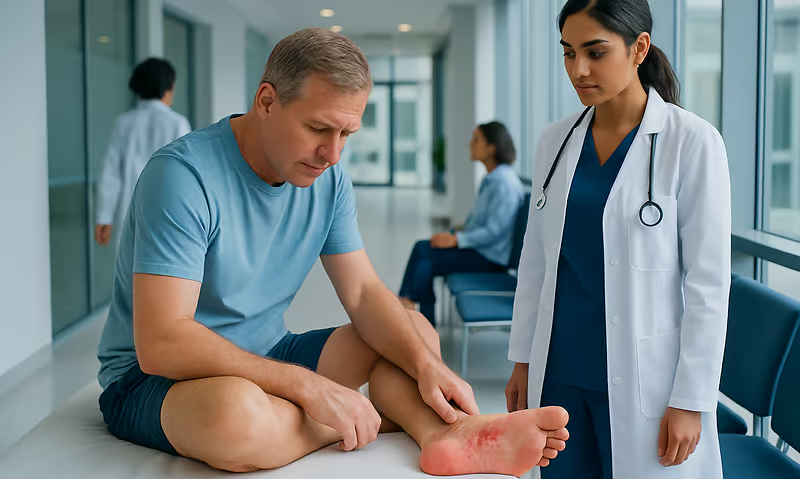
Left Hand Itching — Explained by Medical Evidence, Not Myths

An itchy left hand is most often caused by a skin condition, irritant, or allergy rather than a superstition. Dry skin, hand eczema, contact dermatitis, fungal infection, and insect bites are common explanations.
Key Takeaways
- An itchy left hand is most often caused by a skin condition, irritant, or allergy rather than a superstition.
- Dry skin, hand eczema, contact dermatitis, fungal infection, and insect bites are common explanations.
- If itching is one-sided and comes with numbness, tingling, or weakness, a nerve-related cause may need evaluation.
- Treatment depends on the cause and may include skin protection, moisturizers, avoiding triggers, or medical therapy.
- Medical care is important if symptoms are severe, persistent, spreading, painful, or associated with rash, swelling, or signs of infection.
Left hand itching meaning is usually medical rather than symbolic. In most cases, itching in one hand is linked to dry skin, irritation, eczema, allergy, infection, or sometimes nerve-related problems, and the exact cause depends on accompanying symptoms and triggers.
Overview: what left hand itching usually means
Left hand itching meaning is usually simple and medical: the skin or nerves in that hand are being irritated. Although many cultures attach symbolic meanings to an itchy palm, medicine looks for practical causes such as dry skin, frequent washing, soaps, cleaning products, eczema, allergy, fungal infection, insect bites, or less commonly a nerve problem.
When itching affects only the left hand, that pattern can still fit common conditions. Sometimes one hand is exposed more often to a trigger such as a glove material, work tool, sanitizer, detergent, jewelry, or friction. A clinician will usually consider when the itching began, whether a rash is present, what products touch the skin, and whether there are any symptoms such as burning, tingling, numbness, or swelling.
Most cases are not dangerous and improve once the cause is identified and the skin barrier is protected. The goal is not to guess based on myths, but to notice patterns, reduce irritation, and seek medical advice if symptoms persist or become more complex.
Common symptoms that can happen with an itchy left hand
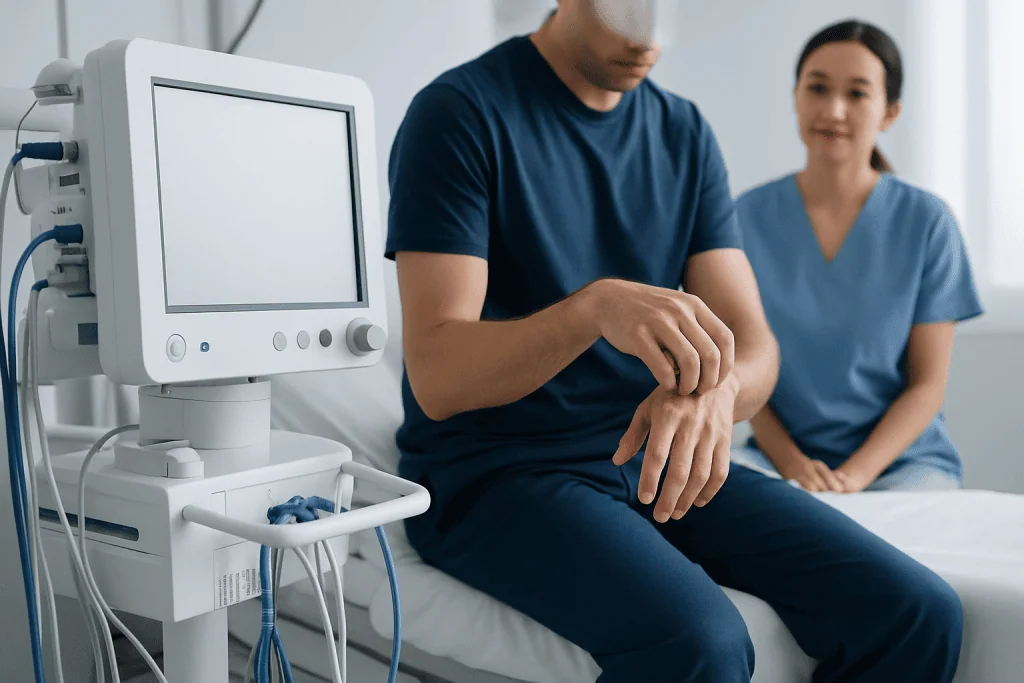
Itching may occur by itself, but it often comes with other signs that help point to the cause. Dryness, roughness, flaking, redness, and small cracks suggest skin barrier damage. Tiny bumps, blisters, oozing, or thickened skin can be seen with eczema or dermatitis. A circular rash or scaling may suggest a fungal infection.
Some people describe the sensation as burning, prickling, or crawling rather than simple itch. If the hand also feels numb, weak, or unusually sensitive, the problem may involve a nerve rather than only the skin. Nighttime symptoms or itching that worsens with repeated handwashing can also provide clues.
Symptoms to note include:
- Redness, rash, scaling, or peeling
- Dry or cracked skin
- Blisters or oozing patches
- Swelling or warmth
- Pain, tenderness, or stinging
- Numbness, tingling, or weakness in the hand or fingers
Paying attention to these associated symptoms can make diagnosis faster and treatment more targeted.
Medical causes of left hand itching

The most common cause is dry skin. Cold weather, low humidity, frequent handwashing, sanitizers, and harsh soaps can strip protective oils from the skin. This leads to itching, tightness, and fine cracking, especially on the palms and between the fingers.
Hand eczema and contact dermatitis are also very common. Eczema can cause itch, redness, scaling, and sometimes painful fissures. Contact dermatitis happens when the skin reacts to an irritant such as detergents, solvents, metals, or latex, or to an allergen in cosmetics, fragrance, or glove materials. If these conditions are suspected, a doctor may also evaluate for eczema or other inflammatory skin disorders.
Fungal infections can affect one hand, especially if scaling is more obvious on the palm or along the edges. Insect bites, scabies, and minor skin trauma may also cause localized itching. Less commonly, itchy skin can be linked to psoriasis, hives, or a healing wound.
In some cases, nerve irritation is part of the explanation. Compression of nerves in the wrist, neck, or arm can alter sensation and produce itching, tingling, or burning without much visible rash. For example, some people with carpal tunnel syndrome notice odd sensations in the hand, especially at night. Systemic conditions such as diabetes, liver disease, kidney disease, or thyroid disorders can contribute to generalized itching, but they are less likely to affect just one hand unless a local trigger is also present.
Risk factors and triggers
Several everyday exposures raise the chance of developing an itchy hand. People who wash their hands frequently, use alcohol-based sanitizers often, or work with water, food, chemicals, or cleaning products are more likely to develop dryness or dermatitis. Gloves can help in some situations, but certain glove materials may also irritate sensitive skin.
Personal and family history matter too. Individuals with eczema, asthma, allergies, or sensitive skin may react more easily to soaps, fragrances, metals, and environmental changes. Stress does not directly cause all itching, but it can worsen scratching, inflame sensitive skin, and make symptoms feel more intense.
Common triggers include:
- Frequent handwashing or sanitizer use
- Detergents, disinfectants, solvents, or workplace chemicals
- Fragranced skin products or cosmetics
- Latex, rubber, metals, or jewelry
- Cold, dry weather
- Friction from tools, sports equipment, or repeated motions
If symptoms began after a new product, hobby, or job task, that clue is especially useful. A symptom diary can help identify a repeating trigger.
How doctors diagnose the cause
Diagnosis usually begins with a medical history and skin examination. A doctor may ask whether the itching is limited to the left hand or also affects the right hand, wrists, or feet; whether there is a rash; what products are used; and whether symptoms are linked to work, weather, or specific materials. Photos of flare-ups can be helpful if the rash comes and goes.
If the skin appearance suggests dermatitis or eczema, diagnosis is often clinical. When allergy is suspected, patch testing may help identify a specific trigger. If scaling is prominent or only one hand is involved, a doctor may consider a fungal infection and take a skin scraping for testing.
When itching is accompanied by numbness, tingling, reduced grip strength, or pain radiating from the wrist or neck, evaluation may extend beyond the skin. Depending on the findings, clinicians may assess for nerve compression and guide the person toward appropriate care such as neurology evaluation or dermatology care. Blood tests are not needed in every case, but they may be used if a broader medical condition is suspected.
Treatment options and practical relief
Treatment depends on the cause, but skin protection is helpful in many cases. Thick, fragrance-free moisturizers or ointments can restore the skin barrier, especially after washing and before bed. Gentle cleansers, lukewarm water, and avoiding repeated exposure to harsh products are often enough to improve mild irritation or dryness.
If a doctor diagnoses eczema or dermatitis, treatment may include prescription anti-inflammatory creams, trigger avoidance, and barrier repair. Fungal infections need antifungal treatment rather than steroid creams alone. If the problem is related to a nerve condition, addressing the underlying compression or inflammation is more effective than skin products by themselves. In selected cases, patients may be referred for physical therapy and rehabilitation or other targeted treatment.
Self-care measures that often help include:
- Using a bland moisturizer several times daily
- Wearing protective gloves for wet work or cleaning, with cotton liners if needed
- Choosing fragrance-free soaps and skin products
- Avoiding scratching, which can worsen inflammation and infection risk
- Keeping nails short to reduce skin injury
- Seeking medical advice before using over-the-counter creams for persistent symptoms
Near the end of the care pathway, if symptoms are ongoing or difficult to explain, a multidisciplinary review can be useful. Acibadem International’s specialists in dermatology, neurology, and rehabilitation at JCI-accredited hospitals evaluate and treat international patients with hand itching and related conditions.
Prevention and self-care habits
Preventing recurrent itching often means protecting the skin barrier every day, even after symptoms improve. Moisturizing after each handwash can reduce dryness significantly. Some people do well with cream during the day and a thicker ointment at night, especially in winter or in air-conditioned environments.
It also helps to simplify skin products. Fragrance-free cleansers, lotions, and detergents are less likely to irritate sensitive skin. Gloves should be used thoughtfully: they can reduce contact with irritants, but sweaty occlusion can itself trigger itching in some people, so hands should be dried well and gloves changed when damp.
If a specific trigger has been identified, long-term avoidance is the best prevention. For people with recurrent symptoms, early action at the first sign of dryness or redness may stop a flare from becoming more severe. A clinician can advise on a safe maintenance routine for sensitive skin.
When to seek medical care
Many cases of left hand itching improve with simple skin care, but medical assessment is important when symptoms do not settle, keep returning, or interfere with sleep or daily tasks. Persistent one-sided itching deserves attention if there is no obvious cause or if over-the-counter measures are not helping.
A person should seek care sooner if there is spreading redness, swelling, pus, open cracks, severe pain, fever, or signs of an allergic reaction. Medical review is also advisable when itching comes with numbness, tingling, weakness, or neck or wrist pain, because these features may suggest nerve involvement rather than a skin problem alone.
Urgent care may be needed for sudden significant swelling of the hand, difficulty breathing, or a rapidly worsening rash. In general, it is best to consult a qualified doctor whenever the diagnosis is uncertain, the symptoms are intense, or a chronic skin or nerve condition is suspected.
Frequently asked questions
Does left hand itching mean money is coming?
There is no medical evidence that an itchy left hand predicts money, luck, or other future events. In clinical practice, itching is evaluated as a symptom with physical causes such as dryness, irritation, allergy, eczema, infection, or nerve-related changes.
Why is only my left hand itchy and not the right?
One hand may be exposed more than the other to soaps, tools, cleaning products, jewelry, gloves, or friction. A one-sided pattern can also happen with fungal infections or nerve irritation, so the presence or absence of rash, scaling, numbness, or tingling is important.
Can stress cause my left hand to itch?
Stress can make itching feel worse and can intensify scratching, especially in people with eczema or sensitive skin. However, stress is not the only explanation, and a persistent itchy hand should still be evaluated for skin irritation, dermatitis, infection, or a nerve problem.
What helps relieve an itchy left palm at home?
A fragrance-free moisturizer, gentle hand cleanser, and avoiding harsh soaps or chemicals are good first steps. Cool compresses may help temporarily, but if symptoms last, spread, or are associated with rash or cracking, medical advice is recommended.
Can nerve problems cause itching in one hand?
Yes. Nerve compression or irritation can sometimes cause itching, burning, tingling, or unusual sensations even when the skin looks fairly normal. If itching is accompanied by numbness, weakness, wrist pain, or symptoms that worsen at night, a medical evaluation is sensible.
When should an itchy left hand be checked by a doctor?
A doctor should assess it if the itching is severe, lasts more than a short time, keeps returning, or disrupts sleep or daily life. Prompt care is also important if there is swelling, spreading redness, drainage, pain, fever, or symptoms such as numbness and weakness.
References
- American Academy of Dermatology
- National Eczema Association
- Mayo Clinic
- National Institute of Arthritis and Musculoskeletal and Skin Diseases
- MedlinePlus
This article is for general information only and is not a substitute for professional medical advice. Please consult a qualified doctor about your individual situation.
Explore treatments in Turkey — costs, top hospitals & a free quote
JCI-accredited · board-certified surgeons · reply within 24h
Add us as a Preferred Source to see more of our trusted health content across Google Search, AI Overviews and Discover.