

Levator Scapulae Muscle — Explained by Medical Evidence, Not Myths
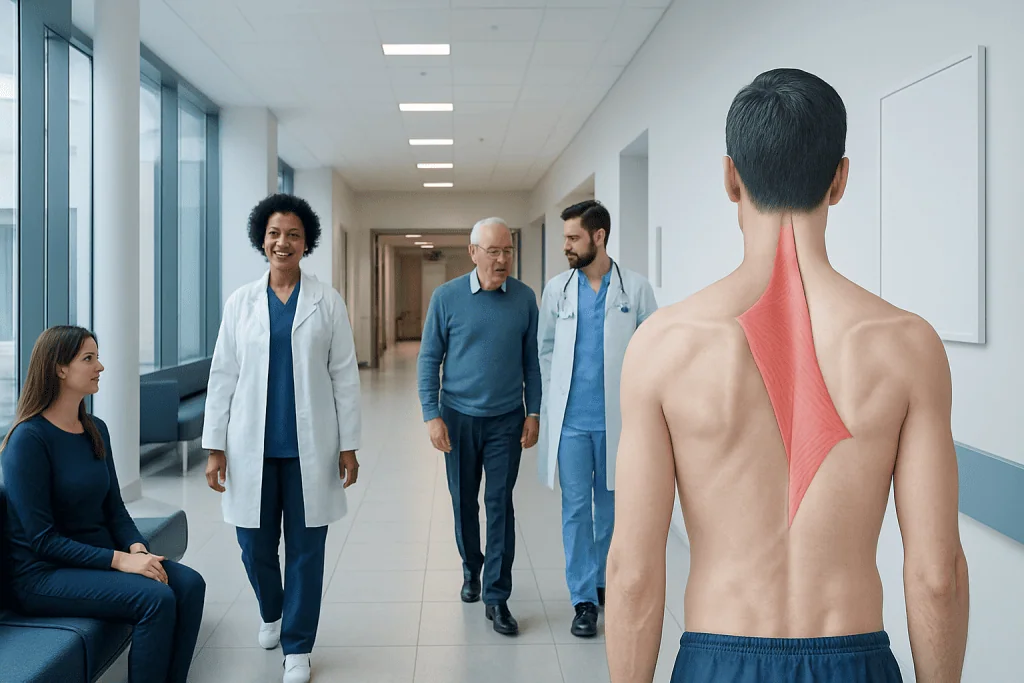
The levator scapulae muscle connects the neck to the shoulder blade and helps with shoulder blade elevation and neck movement. Pain in this muscle commonly causes stiffness along the side or back of the neck and near the top inner corner of the shoulder blade.
Key Takeaways
- The levator scapulae muscle connects the neck to the shoulder blade and helps with shoulder blade elevation and neck movement.
- Pain in this muscle commonly causes stiffness along the side or back of the neck and near the top inner corner of the shoulder blade.
- Poor posture, repetitive strain, stress, sports overuse, and sleeping position are common triggers.
- Most cases improve with activity modification, stretching, heat, and physical therapy, but persistent or severe symptoms should be assessed by a doctor.
- Medical evaluation is important if pain follows trauma or occurs with weakness, numbness, fever, or unexplained weight loss.
The levator scapulae muscle is a small but important muscle that helps lift the shoulder blade and support neck movement. When irritated or overworked, it can cause neck and shoulder pain, stiffness, and reduced range of motion, but these symptoms often improve with targeted self-care and proper medical assessment.
Overview: what the levator scapulae muscle does
The levator scapulae muscle is a paired muscle located at the back and side of the neck. It runs from the upper cervical spine to the upper inner border of the shoulder blade, also called the scapula. Its main job is to help lift the scapula and assist with certain neck movements, especially when the shoulder blade is stable.
In everyday life, this muscle works during simple actions such as turning the head, carrying a bag on one shoulder, holding the shoulders tense, or looking down at a phone or laptop for long periods. Because it is active in both posture and movement, it can become irritated when overloaded, held in a shortened position, or forced to compensate for nearby muscle imbalance.
Many people use the term “levator scapulae pain” to describe aching, tightness, or a pulling sensation from the neck into the upper shoulder blade area. This is often related to muscle strain, myofascial trigger points, or postural overload rather than a serious disease. Still, symptoms in this area can sometimes overlap with cervical spine problems or other causes of neck pain, so an evidence-based assessment matters.
Common symptoms and where pain is felt
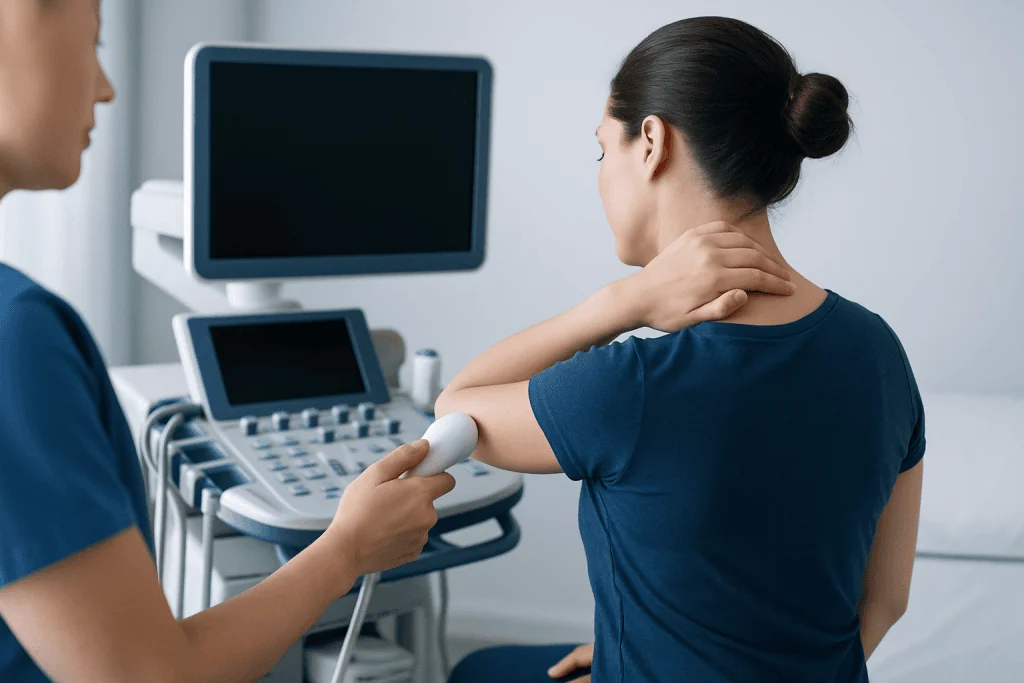
Symptoms involving the levator scapulae muscle usually develop in the side or back of the neck and around the upper inner corner of the shoulder blade. People often describe a dull ache, localized tenderness, stiffness, or a feeling that the neck is “stuck,” especially when turning the head or looking over one shoulder.
The discomfort may be worse after desk work, driving, carrying a backpack, poor sleep posture, or stress-related shoulder tension. Some people notice pain when tilting the head backward or rotating it away from the painful side. Others feel tightness that spreads toward the upper back or shoulder.
Symptoms can vary, but common complaints include:
- Neck stiffness, especially on one side
- Tenderness near the top and inner edge of the shoulder blade
- Pain with turning the head or looking down for long periods
- Muscle tightness after exercise, lifting, or prolonged sitting
- Headache-like discomfort starting from the neck in some cases
Because the region contains several muscles and joints, levator scapulae symptoms can resemble issues such as trapezius strain, cervical joint irritation, or nerve-related neck pain. Persistent symptoms should be assessed rather than assumed to be only a “tight muscle.”
Why the levator scapulae muscle becomes painful

The most common reasons for levator scapulae muscle pain are mechanical. This means the muscle is stressed by posture, repetitive movement, deconditioning, overuse, or sudden strain. Long hours of screen use with the head forward and shoulders elevated can place continuous load on the muscle and reduce recovery time between activities.
A levator scapulae strain can happen after lifting, sports activity, sudden neck movement, or sleeping in an awkward position. In other cases, pain develops gradually because nearby muscles are not sharing the workload effectively. Weakness in the deep neck flexors, shoulder stabilizers, or upper back muscles may increase demand on the levator scapulae.
Risk factors commonly include:
- Forward head posture and rounded shoulders
- Prolonged desk work or frequent device use
- Stress-related muscle tension
- Repetitive overhead work or carrying heavy bags
- Sudden increase in exercise intensity
- Previous neck or shoulder injury
Less often, pain in the same region may come from the cervical spine, shoulder joint, or inflammatory conditions. For example, a neck problem such as a herniated disc can sometimes cause pain that seems muscular at first. That is one reason a clinician looks at the whole neck-shoulder system rather than only one muscle.
How doctors evaluate levator scapulae-related pain
Diagnosis begins with a clinical history and physical examination. A doctor or physical therapist usually asks when the pain started, where it is felt, what movements make it worse, and whether there are warning symptoms such as numbness, arm weakness, fever, or recent injury. These details help distinguish a local muscle problem from nerve, joint, or systemic causes.
During the examination, the clinician may assess posture, neck range of motion, shoulder blade position, muscle tenderness, and areas of referred pain. They may also test strength, reflexes, and sensation in the arm if a cervical nerve problem is possible. Pain reproduced by palpation of the levator scapulae region and by certain neck movements may support the diagnosis of muscle strain or myofascial irritation.
Imaging is not always needed for short-term, uncomplicated muscle pain. However, tests may be recommended if symptoms are severe, persistent, follow trauma, or suggest another condition. Depending on the situation, evaluation may include MRI or X-ray to assess the cervical spine, shoulder area, or surrounding structures.
This evidence-based approach is important because neck and shoulder pain can have overlapping causes. A careful assessment helps avoid both overdiagnosis and undertreatment.
Treatment options supported by current practice
Most levator scapulae muscle problems improve with conservative treatment. Early care usually focuses on reducing aggravating activities, restoring movement, and correcting the habits that overloaded the muscle. Short periods of relative rest are often useful, but prolonged immobility tends to worsen stiffness and delay recovery.
Common non-surgical treatments include heat or ice, gentle stretching, posture changes, and gradual return to activity. A clinician may also recommend physical therapy to address muscle imbalance, neck mobility, shoulder blade control, and ergonomic factors. In some cases, manual therapy and guided exercises are used together to reduce pain and improve function.
Treatment plans may include:
- Activity modification and workstation adjustment
- Gentle neck and shoulder mobility exercises
- Targeted stretching of the levator scapulae and surrounding muscles
- Strengthening of postural and scapular stabilizing muscles
- Short-term pain-relief measures advised by a doctor
- Physical therapy and rehabilitation
If symptoms are driven by a more complex neck disorder, care may need to address the underlying cause rather than the muscle alone. For selected patients with significant cervical involvement, doctors may discuss options related to spine surgery, though this is not a treatment for routine muscle tightness or simple strain. The right treatment depends on the diagnosis, symptom duration, and response to initial care.
Prevention and self-care for daily life
Preventing levator scapulae muscle pain often depends on reducing sustained strain. Small changes in posture and work habits can make a meaningful difference. Screens set too low, shoulders held up during stress, and long periods without movement all tend to increase load on the neck and upper shoulder muscles.
Regular movement breaks are one of the most practical strategies. Instead of staying in one position for hours, many people benefit from changing posture frequently, gently rolling the shoulders, and resetting the head and neck position. Using both shoulder straps on a backpack and avoiding heavy one-sided bags may also help.
Helpful self-care habits include:
- Keeping screens closer to eye level
- Taking brief breaks during desk work or travel
- Stretching the neck and upper back regularly
- Building upper back and shoulder blade strength
- Choosing a sleep position that does not twist the neck
- Managing stress that leads to shoulder tightening
These measures are especially important for people with recurrent neck discomfort, sedentary work, or previous episodes of muscle strain. If symptoms keep returning despite good self-care, a professional assessment can identify overlooked contributors such as movement patterns, cervical joint irritation, or another condition like scoliosis affecting posture.
When to seek medical care
Mild levator scapulae muscle pain often improves within days to a few weeks with self-care, but medical advice is appropriate when symptoms do not follow that pattern. A doctor should assess pain that is severe, keeps returning, interferes with sleep or daily activity, or does not improve with rest, stretching, and posture changes.
Prompt evaluation is especially important if pain starts after a fall, accident, or sports injury. The same is true if neck or shoulder pain occurs with arm weakness, numbness, tingling, fever, unexplained weight loss, chest symptoms, or a visible deformity. These features may point to a problem beyond a simple muscle strain.
Specialist care may involve physical medicine, orthopedics, neurology, or spine evaluation depending on the findings. At Acibadem International, multidisciplinary specialists in JCI-accredited hospitals evaluate neck and shoulder complaints for international patients and tailor treatment to the underlying cause.
Frequently asked questions
What is the levator scapulae muscle?
The levator scapulae muscle is a neck-to-shoulder blade muscle that helps elevate the scapula and assists with neck movement. It plays a role in posture, especially when the head and shoulders stay in one position for long periods.
How do people know if the levator scapulae muscle is causing pain?
Pain is often felt along the side or back of the neck and near the upper inner corner of the shoulder blade. It may worsen with turning the head, looking down for a long time, or carrying weight on one shoulder, but a clinician may be needed to confirm the cause.
Can poor posture irritate the levator scapulae muscle?
Yes. Forward head posture, rounded shoulders, and prolonged screen use can keep the muscle under constant strain. Over time, this may lead to tightness, soreness, and limited neck motion.
Does levator scapulae pain go away on its own?
Many mild cases improve with rest, movement modification, gentle stretching, and better ergonomics. However, symptoms that persist, recur often, or are associated with neurological signs should be medically evaluated.
What is the difference between a levator scapulae strain and a pinched nerve?
A muscle strain usually causes localized tenderness, stiffness, and pain with certain movements or pressure on the muscle. A pinched nerve is more likely to cause radiating pain, numbness, tingling, or weakness into the shoulder, arm, or hand.
When should someone see a doctor for levator scapulae muscle pain?
A doctor should be consulted if pain follows trauma, limits normal activity, lasts longer than expected, or keeps returning. Immediate medical assessment is important if there is weakness, numbness, fever, unexplained weight loss, or chest-related symptoms.
This article is for general information only and is not a substitute for professional medical advice. Please consult a qualified doctor about your individual situation.
Joint and spine care in Turkey — expert assessment & treatment
JCI-accredited · board-certified surgeons · reply within 24h
Add us as a Preferred Source to see more of our trusted health content across Google Search, AI Overviews and Discover.

More from the Health Library

Insomnia Tips: What Patients Need to Know
Oxygen Bar: An Evidence-Based Guide for Patients

Trochlear Nerve Palsy: A Complete Medical Overview

Unboiled Milk Benefits: An Evidence-Based Guide for Patients

Celery Benefits: A Complete Medical Overview

Vinegar Water Cleanse — Explained by Medical Evidence, Not Myths
Orthopedic Surgery & Traumatology Specialists at Acibadem

Prof. Dr. Cihangir Tetik
Orthopedic Surgery & Traumatology
Dr. Coşkun Akalın
Physical Medicine & Rehabilitation
Fzt. A.Sercan Soyarslan
Physical Medicine & Rehabilitation
Dr. Abdullah Yener İnce
Orthopedic Surgery & Traumatology