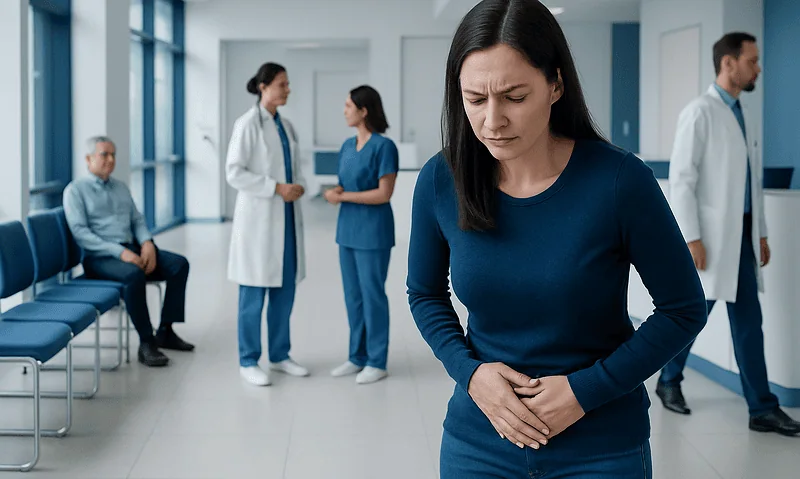
Libido Booster for Women: What Patients Need to Know

Low libido in women is common and can be linked to hormones, stress, pain, relationship factors, sleep, mood, or medicines. There is no one best libido booster for women; treatment should match the underlying cause.
Key Takeaways
- Low libido in women is common and can be linked to hormones, stress, pain, relationship factors, sleep, mood, or medicines.
- There is no one best libido booster for women; treatment should match the underlying cause.
- Some supplements marketed for libido have limited evidence and may interact with medications.
- A medical evaluation can help identify treatable causes such as menopause symptoms, thyroid problems, depression, or pelvic pain.
- Urgent care is not usually needed, but medical advice is important if low desire is new, distressing, persistent, or linked to pain or bleeding.
A libido booster for women is not a single product or pill. The most effective approach depends on why desire has changed, and may include lifestyle changes, treatment of pain or hormonal issues, medication review, counseling, or carefully selected medical therapy.
Overview: what a libido booster for women really means
A libido booster for women is any strategy that helps improve sexual desire, arousal, comfort, or satisfaction when these have declined. In practice, the best “booster” is not always a supplement or hormone. For many women, libido improves when the true cause is identified and addressed, such as vaginal dryness, stress, sleep problems, medication side effects, mood symptoms, relationship strain, or hormonal changes around menopause.
Sexual desire naturally varies over time. It may rise or fall with life stage, health, fatigue, parenting demands, body image, and relationship circumstances. A lower level of interest is not automatically a disorder. It becomes more medically relevant when the change is persistent, causes distress, or affects quality of life.
Rather than focusing only on products marketed online, it can help to think of sexual well-being as a whole-body issue. Physical health, mental health, hormones, pelvic comfort, and emotional safety all play a role. This broader approach often leads to more lasting improvement than a quick fix.
How low libido can show up
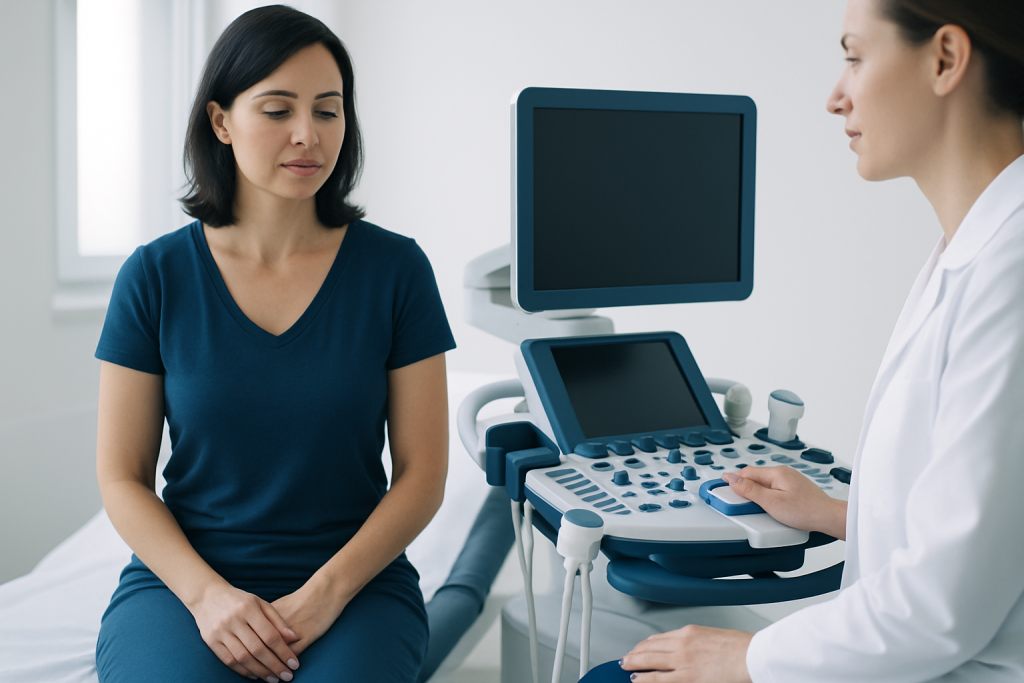
Low libido may be described in different ways. Some women notice reduced interest in sexual activity. Others feel desire mentally but have trouble with physical arousal, lubrication, or reaching orgasm. Some avoid intimacy because sex has become uncomfortable, while others feel emotionally disconnected or too exhausted to engage.
Common experiences may include:
- Less frequent sexual thoughts or interest
- Reduced response to stimulation
- Vaginal dryness or discomfort during sex
- Difficulty becoming aroused or reaching orgasm
- Feeling distressed, frustrated, or disconnected in intimate relationships
- A noticeable change from a person’s usual pattern
These symptoms can overlap. For example, pain during sex may gradually reduce desire, and chronic stress can affect both mood and physical arousal. Because symptoms often interact, a careful history is usually more useful than focusing on one symptom alone.
If intimacy is painful, symptoms may relate not only to desire but also to conditions affecting the pelvis, hormones, or vaginal tissues. Problems such as persistent dryness, recurrent irritation, or pelvic pain deserve evaluation rather than self-treatment alone.
Common causes and risk factors

Low sexual desire in women can have medical, psychological, social, and relationship-related causes. Hormonal shifts are one well-known factor. Desire may change during the menstrual cycle, after childbirth, while breastfeeding, and during perimenopause or menopause. Lower estrogen can contribute to vaginal dryness and discomfort, while changing testosterone levels may also affect desire in some women.
Medical conditions can also play a role. Thyroid disorders, depression, anxiety, chronic pain, diabetes, heart disease, and sleep disorders may all reduce sexual interest or energy. Pelvic conditions that cause pain can have a strong effect as well, including endometriosis and recurrent vaginal or urinary symptoms. If discomfort with intercourse is part of the picture, assessment by specialists in gynecology care may help identify treatable causes.
Medications are another frequent contributor. Some antidepressants, blood pressure medicines, hormonal treatments, and other prescription drugs may reduce libido or make arousal more difficult. Alcohol and recreational drugs can also interfere with sexual response, even if they seem to reduce inhibition at first.
Psychological and social factors are equally important. Ongoing stress, burnout, poor sleep, past trauma, body image concerns, relationship conflict, and lack of privacy can all lower interest in sex. Often, more than one factor is present at the same time, which is why a personalized assessment is more helpful than relying on a single “booster” advertised for everyone.
How doctors evaluate low libido
Assessment begins with a respectful conversation about what has changed, how long symptoms have been present, and whether the issue is low desire, arousal difficulty, pain, lubrication problems, orgasm difficulty, or a combination. A clinician may ask about menstrual history, pregnancy and menopause status, mood, stress, sleep, relationship factors, past pelvic conditions, and medications.
A physical examination is sometimes recommended, especially if there is pain, dryness, irritation, bleeding, or concern about hormonal changes. Depending on symptoms, the doctor may check for vaginal tissue changes, infection, pelvic tenderness, or signs of skin conditions affecting the vulva. In selected cases, imaging or referral may be needed if there is concern for underlying gynecologic disease such as ovarian cysts or other pelvic causes of pain.
Laboratory tests are not necessary for everyone, but they may be useful when symptoms suggest a specific medical issue. Tests can help look for thyroid disease, diabetes, anemia, or other contributors. If menopause-related symptoms are significant, the discussion may focus less on lab values and more on symptom pattern and treatment goals.
This evaluation is important because low libido is a symptom, not a diagnosis by itself. Finding the main driver allows treatment to be targeted and often more effective.
Treatment options: matching the approach to the cause
The most effective libido booster for women is usually a combination of approaches tailored to the cause. If vaginal dryness or discomfort is reducing interest, simple measures such as lubricants, moisturizers, or treatment for menopause-related changes may help. Women with symptoms linked to perimenopause or menopause may benefit from a discussion about menopause care and, when appropriate, hormone-based options prescribed by a qualified clinician.
If a medicine appears to be contributing, the prescribing doctor may be able to adjust the dose or switch to an alternative. When stress, anxiety, depression, or relationship difficulties are part of the picture, counseling or sex therapy can be very helpful. Sleep improvement, treatment of chronic pain, and management of medical conditions such as thyroid disease may also improve desire over time.
Some women may be candidates for prescription treatments specifically used for low sexual desire, depending on age, menopause status, medical history, and symptom pattern. These are not suitable for everyone and require a careful review of benefits, side effects, and medication interactions. For persistent pelvic pain, specialist support such as women's health evaluation may be needed alongside sexual health counseling.
Supplements marketed as libido enhancers deserve caution. Some have limited evidence, inconsistent ingredients, or possible interactions with prescription medicines. “Natural” does not always mean safe. It is wise to discuss any over-the-counter product with a doctor or pharmacist before use, especially during pregnancy, breastfeeding, or when taking long-term medications.
Self-care and everyday habits that can help
Self-care can support sexual well-being, especially when low desire is related to fatigue, stress, or discomfort. Regular physical activity, better sleep habits, and reducing alcohol intake may improve energy, mood, and body confidence. A balanced diet and good control of chronic conditions such as diabetes or high blood pressure also support sexual function.
For some women, scheduling time for intimacy helps shift focus away from pressure and toward connection. Open communication with a partner about comfort, desire, timing, and expectations can reduce anxiety. Exploring longer foreplay, using lubricant, and choosing times of day with more energy may make intimacy feel more comfortable and less rushed.
Mind-body approaches can also help. Relaxation techniques, mindfulness, and therapy may improve awareness of physical sensations and reduce the impact of stress. If body image or past experiences are affecting intimacy, professional support can be an important part of recovery.
Self-care is most useful when it complements medical care rather than replacing it. If symptoms are persistent or distressing, professional advice can help identify obstacles that lifestyle changes alone may not solve.
When to seek medical care
Medical advice is worth seeking when low libido is new, persistent, distressing, or affecting relationships or quality of life. It is also important to speak with a doctor if reduced desire is linked to pain during sex, vaginal dryness that does not improve, bleeding after sex, pelvic pressure, or major mood changes.
Prompt evaluation is especially helpful after childbirth, during perimenopause or menopause, after starting a new medication, or when there are symptoms of an underlying condition such as thyroid problems, severe fatigue, hot flashes, or ongoing pelvic pain. Women with a history of trauma may prefer a trauma-informed clinician who can proceed gently and at a comfortable pace.
Acibadem International’s multidisciplinary specialists and JCI-accredited hospitals diagnose and treat women with sexual health concerns, pelvic pain, hormonal symptoms, and related conditions, including support for international patients. The aim is a careful, personalized plan rather than a one-size-fits-all solution.
Frequently asked questions
What is the best libido booster for women?
There is no single best option for every woman. The most effective approach depends on the cause, such as menopause symptoms, stress, pain during sex, medication side effects, or relationship concerns. A doctor can help identify which treatments are likely to help most.
Do libido supplements for women really work?
Some supplements may be marketed aggressively, but evidence for many products is limited. Ingredients can vary between brands, and some may interact with prescription medicines or be unsafe in certain health conditions. It is best to ask a clinician before using them.
Can menopause lower libido?
Yes. Menopause and the years around it can affect sexual desire through hormonal changes, vaginal dryness, sleep disruption, mood changes, and discomfort during sex. Treating the symptoms that surround menopause often helps sexual well-being too.
Is low libido in women normal?
Sexual desire naturally changes over time, so temporary dips are common. It may be considered a health concern when the change is persistent, causes distress, or is accompanied by symptoms such as pain, dryness, or bleeding. In those cases, evaluation can be helpful.
Which medications can reduce sexual desire?
Several medicines may contribute, including some antidepressants, blood pressure drugs, hormonal therapies, and others. A person should not stop prescribed medication on their own. Instead, they should ask the prescribing doctor whether an adjustment or alternative is possible.
When should a woman see a doctor about low sex drive?
A medical visit is a good idea if low desire is new, ongoing, or upsetting, or if it affects intimacy or quality of life. Care is especially important when there is pain during sex, bleeding, pelvic pain, major mood symptoms, or a recent medication change.
References
- American College of Obstetricians and Gynecologists
- National Institute on Aging
- Office on Women's Health
- Mayo Clinic
- International Society for the Study of Women's Sexual Health
This article is for general information only and is not a substitute for professional medical advice. Please consult a qualified doctor about your individual situation.
Explore treatments in Turkey — costs, top hospitals & a free quote
JCI-accredited · board-certified surgeons · reply within 24h
Add us as a Preferred Source to see more of our trusted health content across Google Search, AI Overviews and Discover.
Check your numbers in seconds
BMI, calories, due date, blood pressure and 30+ more clinical calculators — free, instant, doctor-reviewed ranges.