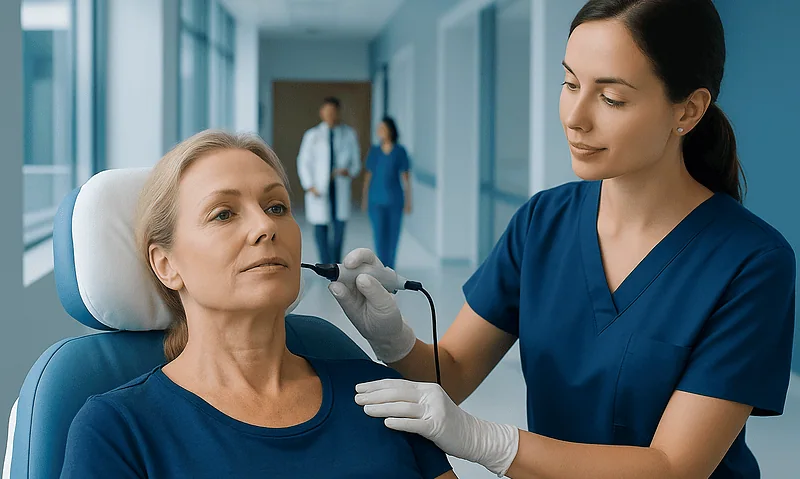
Lice Bites — Explained by Medical Evidence, Not Myths

Head lice are tiny insects that live close to the scalp and feed on small amounts of blood. Itching from lice bites may begin days or weeks after an infestation starts and varies from person to person.
Key Takeaways
- Head lice are tiny insects that live close to the scalp and feed on small amounts of blood.
- Itching from lice bites may begin days or weeks after an infestation starts and varies from person to person.
- Finding live lice is the most reliable way to confirm head lice; itching alone has many possible causes.
- Fine-toothed wet combing and age-appropriate medicated treatments are the main options for removing head lice.
- Head lice are not caused by poor hygiene and do not transmit known infectious diseases.
- Medical advice is important for signs of skin infection, persistent symptoms, or treatment concerns.
Lice bites are small skin reactions caused when head lice feed on blood from the scalp. They commonly cause itching and scratch marks, but head lice do not spread disease and can usually be treated effectively with careful combing and appropriate over-the-counter or prescribed products.
What Are Lice Bites?
Lice bites occur when head lice feed on tiny amounts of blood from the scalp. Head lice are very small, wingless insects that live among scalp hair, most often in children but also in adults. During feeding, substances in the louse’s saliva can trigger an immune reaction in some people, leading to itchiness, mild inflammation, and small bumps.
The phrase “lice bites” can be misleading because most people do not feel an individual bite as it happens. Instead, they notice an itchy scalp, especially around the ears or at the back of the neck. The degree of itching does not reliably show how many lice are present: a person with only a few lice may itch a great deal, while another person may have little or no itching.
Head lice are different from body lice and pubic lice. They are adapted to live on scalp hair and are mainly spread through direct head-to-head contact. Although lice can be unpleasant and socially stressful, they are not a sign of uncleanliness, and head lice are not known to spread disease.
How Lice Bites and Head Lice May Look and Feel
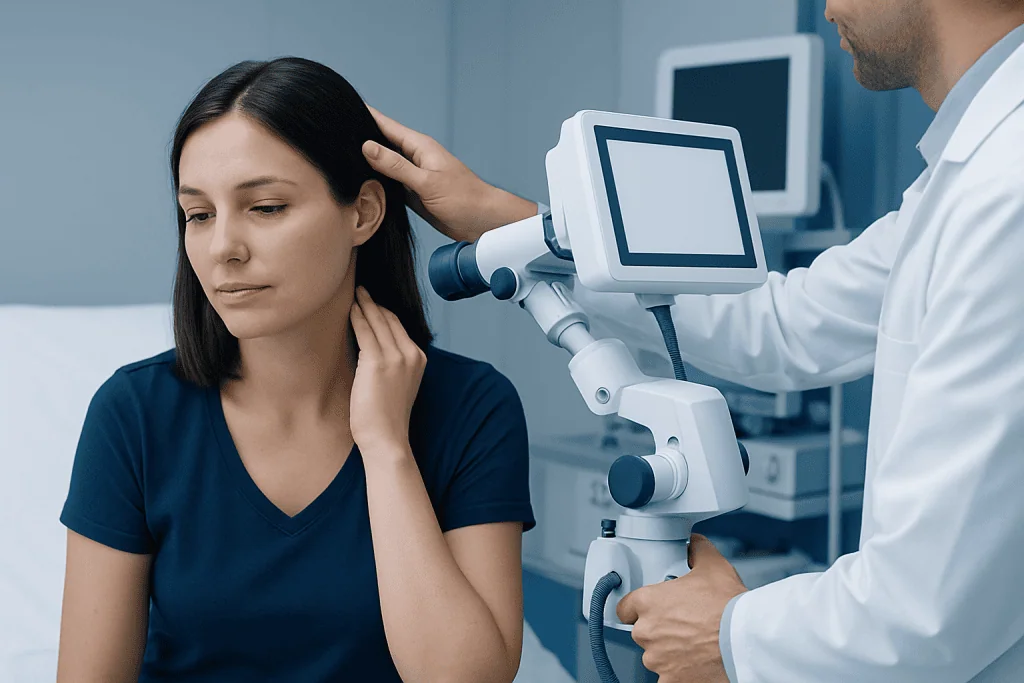
The most common symptom is scalp itching. It may be mild, intermittent, or more noticeable at night. Some people develop small red bumps, scratch marks, or a slightly sore feeling on the scalp, neck, or skin behind the ears. These changes can result from the body’s response to saliva, repeated scratching, or both.
Visible nits are often mistaken for lice bites. Nits are lice eggs that are firmly attached to individual hair shafts, usually very close to the scalp where warmth helps them develop. They may look tan, yellowish, or white. Unlike dandruff or hair-product residue, nits do not brush away easily. Empty egg casings may remain on hair after a successful treatment, so their presence alone does not always mean live lice remain.
Live lice are small, fast-moving insects, often grayish, brown, or reddish-brown after feeding. They can be difficult to spot because they move quickly and avoid light. Checking the scalp with good lighting and a fine-toothed lice comb, particularly behind the ears and along the nape of the neck, is more useful than relying on itching alone.
- Itching or a tickling sensation on the scalp
- Small irritated bumps or scratch marks near the hairline
- Difficulty sleeping due to scalp discomfort in some people
- Visible nits attached firmly to hair or live moving lice
Why Lice Bite and How Infestations Spread
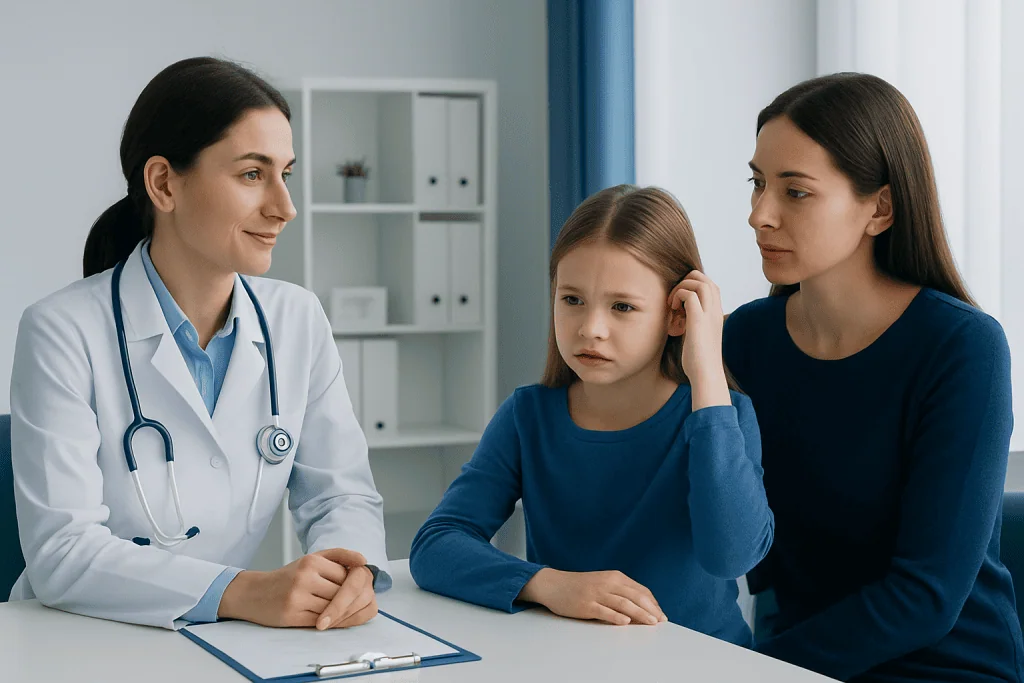
Head lice need human blood to survive, so they feed several times each day while remaining close to the scalp. They cannot jump or fly. The usual route of spread is direct head-to-head contact, which may occur during play, close family contact, sports, or group activities. This is why head lice are particularly common among school-age children, although anyone can get them.
Less commonly, lice may be transferred through items that have had very recent contact with an infested person’s hair, such as hats, hair accessories, headphones, bedding, or brushes. However, lice do not survive well away from the human scalp, and routine household cleaning is generally enough. Extensive cleaning, spraying insecticides around the home, or discarding belongings is not necessary and may expose people to avoidable chemicals.
Personal hygiene, hair length, and how often hair is washed do not determine whether someone gets head lice. Lice can grip hair of different types and are not attracted to “dirty” hair. Understanding this helps families respond calmly, reduce stigma, and focus on accurate identification and treatment.
Confirming the Cause of an Itchy Scalp
The most reliable confirmation of head lice is finding a live louse through careful examination or wet combing. A clinician, pharmacist, school nurse, or experienced caregiver may be able to help with identification. Because nits can remain after previous infestations, a live louse is more informative than eggs or scalp itching alone.
Several common skin conditions can resemble lice bites. Dandruff, seborrheic dermatitis, eczema, psoriasis, allergic reactions to hair products, insect bites, and fungal infections can all cause scalp itching or flaking. A person may also have an itchy scalp for a reason unrelated to lice, even when a few old nits are visible in the hair.
A healthcare professional may examine the scalp and hair using magnification or a fine comb. Laboratory tests are rarely needed. If there are crusted sores, pus, swelling, significant pain, hair loss in patches, or a rash extending beyond the expected areas, an assessment can help identify another condition or a secondary bacterial skin infection caused by scratching.
Treatment Options for Head Lice and Lice Bite Itching
Treatment is aimed at removing live lice and reducing the chance that newly hatched lice continue the infestation. Wet combing is a non-medicinal option that involves applying conditioner to damp hair and systematically combing from the scalp to the ends with a fine-toothed lice comb. This process needs patience and repeated sessions because it may not remove every louse or egg at once.
Over-the-counter lice treatments may be appropriate for many people when used exactly as directed on the label. Some products kill lice but not all eggs, which is why a second treatment may be advised after a specified interval. Resistance to certain products can occur in some communities, so a pharmacist or doctor can recommend an alternative if live lice are still found after correctly completed treatment.
Prescription medicines may be considered when suitable non-prescription options have not worked, when resistance is suspected, or when a clinician identifies special circumstances. Treatment choice depends on age, pregnancy or breastfeeding status, allergies, scalp condition, and the product instructions. Products should never be combined or used more often than advised, as this does not improve results and can irritate the skin.
Itching may continue for several days after lice have been removed because the skin reaction takes time to settle. Keeping nails short, avoiding vigorous scratching, and using gentle hair-care products may help protect the scalp. A clinician or pharmacist can advise on safe ways to relieve discomfort, particularly for young children or people with eczema or sensitive skin.
Practical Prevention and Home Care
Close contacts, especially household members and people who have had direct head-to-head contact, should be checked for live lice. They should be treated only if live lice are found, unless a clinician gives different advice. Treating everyone automatically can lead to unnecessary exposure to lice medicines and does not replace careful checking.
Wash recently used pillowcases, hats, scarves, towels, and bedding according to their care instructions. Combs and brushes can be cleaned by removing hairs and soaking them in hot water. Items that cannot be washed can simply be set aside for a short period. Since head lice depend on a human host, they generally do not remain viable for long away from the scalp.
Families can reduce spread by discouraging the sharing of hair brushes, hats, helmets, and hair accessories during an active infestation. It is also helpful to tie back long hair during close-contact activities. However, no household method can guarantee prevention, and routine use of pesticide sprays, essential oils, or “preventive” lice products is not recommended because evidence is limited and some products can irritate the scalp.
Schools and childcare settings may have their own policies, but health guidance generally supports a child’s return once appropriate treatment has started. “No-nit” exclusion policies can cause unnecessary absence because nits may persist after live lice are gone. Open, nonjudgmental communication with close contacts helps identify cases early and limits repeated spread.
When to Seek Medical Care
Most cases of head lice can be managed with advice from a pharmacist or primary care clinician. Medical care is advisable when the diagnosis is uncertain, live lice remain after treatment has been used correctly, or a person cannot use standard products because of age, pregnancy, breastfeeding, allergies, or an underlying skin condition.
A doctor should assess signs of possible skin infection. These include increasing pain, warmth, swelling, spreading redness, pus, yellow crusting, fever, or tender neck lymph nodes. These symptoms are often related to bacteria entering broken skin after repeated scratching rather than to the lice themselves.
Medical advice is also appropriate if scalp symptoms are severe, widespread, or accompanied by patchy hair loss, thick scaling, or a persistent rash. A qualified clinician can determine whether lice are present and recommend a safe, individualized plan. Acibadem International’s multidisciplinary specialists and JCI-accredited hospitals can assess scalp concerns and provide treatment planning for international patients when needed.
Frequently asked questions
What do lice bites look like?
Lice bites may cause small red or irritated bumps on the scalp, especially behind the ears and near the nape of the neck. Often, the more noticeable sign is scratching rather than a clearly visible bite. Similar bumps can occur with eczema, dandruff, or hair-product irritation, so finding a live louse is the best confirmation.
Can you feel lice biting your scalp?
Most people do not feel individual lice bites. They may instead notice itching, a tickling sensation, or discomfort after the scalp develops a reaction to lice saliva. Some people have no symptoms at first, particularly during an early infestation.
How long does itching last after head lice treatment?
Itching can continue for several days after successful treatment because the scalp needs time to recover from irritation and scratching. Persistent itching does not always mean treatment failed. However, finding live moving lice after the recommended treatment schedule may mean further advice is needed.
Do head lice carry diseases?
Head lice are not known to transmit disease. Their main effects are itching, sleep disruption in some people, and skin irritation from scratching. Rarely, heavily scratched skin can develop a bacterial infection that needs medical treatment.
Can head lice live on pillows, furniture, or pets?
Head lice survive poorly away from the human scalp and cannot live on pets. They may briefly transfer to recently used items, but direct head-to-head contact is the main way they spread. Normal laundering of recently used personal items and cleaning combs and brushes is usually sufficient.
Should every family member be treated for lice?
Household members should be checked carefully, particularly those with close head-to-head contact. In general, only people with live lice should be treated. A doctor may provide different advice in specific situations, such as recurrent household infestations.
References
- Centers for Disease Control and Prevention
- American Academy of Dermatology Association
- National Health Service
- American Academy of Pediatrics
- World Health Organization
This article is for general information only and is not a substitute for professional medical advice. Please consult a qualified doctor about your individual situation.
Hair transplant in Turkey — costs, graft counts & a free assessment
JCI-accredited · board-certified surgeons · reply within 24h
Add us as a Preferred Source to see more of our trusted health content across Google Search, AI Overviews and Discover.