Lingual Tonsils: What Patients Need to Know

Lingual tonsils are part of the body’s immune defense and sit at the back of the tongue. They can enlarge because of infection, irritation, reflux, allergies, or after removal of the palatine tonsils.
Key Takeaways
- Lingual tonsils are part of the body’s immune defense and sit at the back of the tongue.
- They can enlarge because of infection, irritation, reflux, allergies, or after removal of the palatine tonsils.
- Symptoms may include a feeling of something in the throat, trouble swallowing, chronic cough, snoring, or sleep apnea symptoms.
- Diagnosis is usually made by an ENT specialist using history, examination, and flexible endoscopy.
- Treatment depends on the cause and may include medicines, managing reflux or allergy triggers, and sometimes surgery.
Lingual tonsils are small collections of immune tissue at the base of the tongue. Most people do not notice them, but when they become enlarged or inflamed, they may contribute to throat discomfort, swallowing problems, voice changes, snoring, or sleep-related breathing symptoms.
Overview: What lingual tonsils are
Lingual tonsils are patches of lymphoid tissue located at the base of the tongue, behind the part that can be seen in the mirror. They are part of Waldeyer’s ring, a group of tissues in the throat that helps the immune system recognize germs entering through the mouth and nose. In everyday life, most people are unaware of their lingual tonsils because they are small and do not cause symptoms.
Problems can develop when lingual tonsils become enlarged, irritated, or infected. This is sometimes called lingual tonsil hypertrophy when the tissue is enlarged, or lingual tonsillitis when it is inflamed. Because of where they sit, changes in these tissues may lead to symptoms that feel vague, such as throat fullness, difficulty swallowing, chronic throat clearing, or changes during sleep.
Lingual tonsils are different from the more familiar palatine tonsils on either side of the throat. A person may have had traditional tonsils removed in childhood and still have lingual tonsils. In some cases, these tissues can enlarge over time and become an overlooked cause of ongoing throat or sleep-related symptoms.
Common symptoms and how they may feel
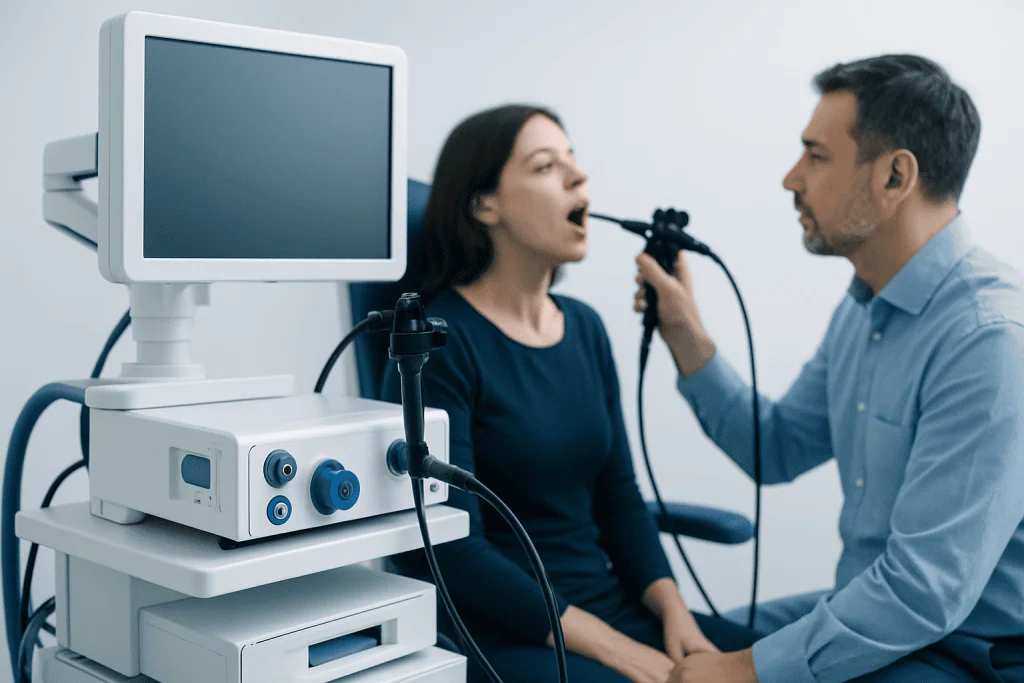
Symptoms from lingual tonsils can vary widely. Some people have no symptoms and only learn about the issue during an examination for another reason. Others may notice a persistent sensation that something is stuck low in the throat, discomfort when swallowing, frequent throat clearing, muffled voice, or a dry cough that does not seem to come from the lungs.
When the tissue becomes significantly enlarged, it can narrow the space at the back of the tongue. This may contribute to snoring, disturbed sleep, mouth breathing, or symptoms linked to sleep apnea. A person may wake feeling unrefreshed or notice pauses in breathing reported by a partner. In children, enlarged tissue anywhere in the upper airway may also affect sleep quality and daytime behavior, although lingual tonsil problems are less commonly recognized than adenoid or palatine tonsil enlargement.
Possible symptoms include:
- Feeling of fullness or a lump in the throat
- Pain or discomfort with swallowing
- Frequent throat clearing or chronic cough
- Voice changes or a muffled quality
- Snoring or restless sleep
- Bad breath in some cases
- Occasional ear pain referred from the throat
These symptoms are not specific to lingual tonsils. Other conditions, including reflux, allergies, infections, and growths in the throat, can cause similar complaints. That is why persistent symptoms should be assessed rather than assumed.
Why lingual tonsils become enlarged or inflamed

Several factors can irritate or stimulate lingual tonsil tissue. Viral or bacterial infections may cause short-term swelling. Repeated upper respiratory infections can keep the tissue active and enlarged. Allergies and postnasal drip may also lead to ongoing throat irritation, especially in people who frequently clear their throat.
Another important contributor is acid reflux, especially laryngopharyngeal reflux, where stomach contents reach the throat and voice box. Chronic exposure to acid and digestive enzymes can inflame delicate tissues in the back of the throat and may worsen lingual tonsil swelling. People with chronic heartburn, sour taste, hoarseness, or morning throat irritation may have reflux as part of the picture. For some, evaluation of reflux is helpful when symptoms do not improve.
Lingual tonsils may also enlarge after removal of the palatine tonsils. This can happen because remaining lymphoid tissue becomes more active over time. Smoking, environmental irritants, obesity, and chronic mouth breathing may further contribute to inflammation or airway narrowing. In a smaller number of cases, an ENT specialist may investigate other causes of a mass-like feeling at the base of the tongue to rule out less common conditions.
How doctors diagnose lingual tonsil problems
Diagnosis begins with a careful history. A doctor will ask when symptoms started, whether they relate to swallowing or sleep, and whether there are signs of infection, allergies, or reflux. Because the lingual tonsils sit low and behind the tongue, they cannot be assessed well with a simple mouth examination alone.
ENT specialists often use flexible nasoendoscopy or laryngoscopy, a thin camera passed gently through the nose, to look at the back of the tongue and throat. This allows direct visualization of enlarged lingual tonsils and helps identify other possible causes of symptoms, such as irritation, swelling elsewhere in the airway, or structural issues. When this is needed, an ENT examination can provide a clearer diagnosis.
Some patients may need additional testing depending on symptoms. A sleep study may be recommended if there is significant snoring, witnessed pauses in breathing, or daytime sleepiness. In selected cases, imaging or laboratory tests may be used to investigate infection, abscess, or another mass. If swallowing difficulty is prominent, the doctor may also assess for mechanical or neurologic causes rather than assuming the lingual tonsils are the only explanation.
Treatment options for enlarged lingual tonsils
Treatment depends on the cause, the severity of symptoms, and whether the airway is affected. If there is an acute infection, treatment may focus on rest, hydration, pain relief, and, when appropriate, antibiotics prescribed by a doctor. If allergy-related irritation or postnasal drip is involved, reducing the underlying inflammation may improve symptoms. Reflux management can also be important when throat irritation is ongoing.
For people with sleep-related breathing symptoms, care may involve evaluating the whole upper airway rather than looking at one tissue in isolation. Weight management, sleep-position strategies, and treatment of nasal blockage may be discussed. In some cases, specialists may recommend sleep apnea treatment if enlarged lingual tonsils are contributing to airway obstruction during sleep.
If symptoms are persistent and conservative treatment does not help, surgery may be considered. This may be called lingual tonsillectomy or reduction of lingual tonsil tissue. Because this area is deep in the throat, surgery is usually reserved for clearly defined problems such as significant obstruction, recurrent infection, or ongoing swallowing symptoms after evaluation. When surgery is appropriate, it is typically planned by an ENT team with careful attention to airway safety and recovery. In selected cases, tonsil surgery may be part of the treatment discussion, depending on anatomy and associated findings.
Every treatment plan should be individualized. Many patients improve once the main trigger, such as reflux, allergy, or infection, is identified and treated.
Self-care, prevention, and day-to-day management
There is no guaranteed way to prevent lingual tonsil enlargement, but reducing throat irritation can help. Good hydration, avoiding smoking, and limiting exposure to environmental irritants support the health of the throat. Treating seasonal allergies and addressing chronic nasal congestion may reduce postnasal drip and repeated throat clearing.
For people with reflux-related symptoms, lifestyle changes can be useful alongside medical advice. These may include avoiding late meals, reducing trigger foods if they are clearly linked to symptoms, and elevating the head during sleep when recommended. Voice hygiene also matters: frequent yelling, chronic coughing, or constant throat clearing can keep the area irritated.
If sleep symptoms are present, practical measures such as maintaining a healthy weight, sleeping on the side, and seeking evaluation for nasal obstruction may help. These steps do not replace a professional assessment if there are signs of significant airway blockage, but they can support overall symptom control.
When to seek medical care
Medical review is advisable if throat fullness, swallowing discomfort, chronic cough, hoarseness, or snoring lasts more than a few weeks. A persistent sensation of something in the throat should not be ignored, even if it comes and goes. Evaluation is especially important when symptoms interfere with eating, sleep, or daily comfort.
Urgent care is needed if there is trouble breathing, severe difficulty swallowing, drooling, dehydration, high fever with worsening throat pain, or signs of airway obstruction during sleep. These symptoms do not always mean the lingual tonsils are the cause, but they need prompt assessment.
Near the end of the diagnostic journey, some people benefit from a multidisciplinary review, especially if symptoms overlap between ENT, sleep medicine, and reflux care. Acibadem International’s multidisciplinary specialists in JCI-accredited hospitals diagnose and treat throat and airway conditions for international patients, including those who need advanced ENT assessment or coordinated treatment planning.
Frequently asked questions
Are lingual tonsils normal?
Yes. Lingual tonsils are a normal part of the immune system and are located at the base of the tongue. Most people have them and never notice them unless they become enlarged or inflamed.
Can lingual tonsils grow back after tonsil removal?
Lingual tonsils are different from the palatine tonsils that are commonly removed in childhood. They do not usually “grow back” after that surgery because they were not removed in the first place, but they can become more prominent or enlarged over time.
Do enlarged lingual tonsils cause sleep apnea?
They can contribute to airway narrowing in some people, especially during sleep. Not everyone with enlarged lingual tonsils has sleep apnea, but they may be one factor an ENT or sleep specialist considers when evaluating snoring and breathing pauses.
How are lingual tonsils examined?
Because they are deep in the throat, they are usually not seen well in a routine mouth exam. An ENT specialist commonly uses a flexible camera through the nose to look at the area directly and assess swelling or other causes of symptoms.
Can acid reflux affect lingual tonsils?
Yes. Reflux that reaches the throat can irritate the tissues around the base of the tongue and may worsen inflammation or swelling. Managing reflux may improve symptoms in some patients, especially when throat clearing, hoarseness, or morning irritation are also present.
When is surgery needed for lingual tonsils?
Surgery is usually considered only when symptoms are significant, persistent, and clearly linked to enlarged lingual tonsils. Examples include airway obstruction, recurrent infection, or ongoing swallowing problems that do not improve with treatment of the underlying cause.
This article is for general information only and is not a substitute for professional medical advice. Please consult a qualified doctor about your individual situation.
Explore treatments in Turkey — costs, top hospitals & a free quote
JCI-accredited · board-certified surgeons · reply within 24h
Add us as a Preferred Source to see more of our trusted health content across Google Search, AI Overviews and Discover.

More from the Health Library

He Shou Wu: What Patients Need to Know

Dapagliflozin: What Patients Need to Know

Broke the Arm: What Patients Need to Know

Ophthalmologist: An Evidence-Based Guide for Patients

Benzodiazepines: A Complete Medical Overview