Ophthalmologist: An Evidence-Based Guide for Patients

An ophthalmologist is a physician trained in medical and surgical eye care. They diagnose and treat common and complex eye conditions, from cataracts to retinal disease.
Key Takeaways
- An ophthalmologist is a physician trained in medical and surgical eye care.
- They diagnose and treat common and complex eye conditions, from cataracts to retinal disease.
- Sudden vision loss, eye pain, flashes, or trauma need urgent medical assessment.
- Routine eye examinations help detect some eye diseases before symptoms appear.
- People with diabetes, high blood pressure, older age, or a family history of eye disease may need closer follow-up.
An ophthalmologist is a medical doctor who specializes in eye health, including diagnosing eye diseases, prescribing medical treatment, and performing eye surgery when needed. For patients, understanding what an ophthalmologist does can make it easier to choose the right eye care professional and seek timely care for vision changes or eye symptoms.
Overview: What Is an Ophthalmologist?
An ophthalmologist is a medical doctor who focuses on the eyes and visual system. They are trained to examine the eyes, diagnose medical conditions that affect vision, prescribe treatment, and perform surgery when necessary. This makes them different from other eye care professionals because their scope includes both medical and surgical care.
Patients often look for an ophthalmologist when they have blurred vision, eye pain, cataracts, glaucoma risk, diabetic eye disease, retinal problems, or an injury to the eye. An ophthalmologist may also provide routine monitoring for people with chronic health conditions that can affect the eyes, such as diabetes or hypertension.
In practical terms, an ophthalmologist helps patients protect sight across all stages of life. Some specialize further in areas such as retina, cornea, glaucoma, pediatric ophthalmology, oculoplastics, or neuro-ophthalmology, depending on the type of symptoms or disease being treated.
Ophthalmologist vs Other Eye Care Professionals
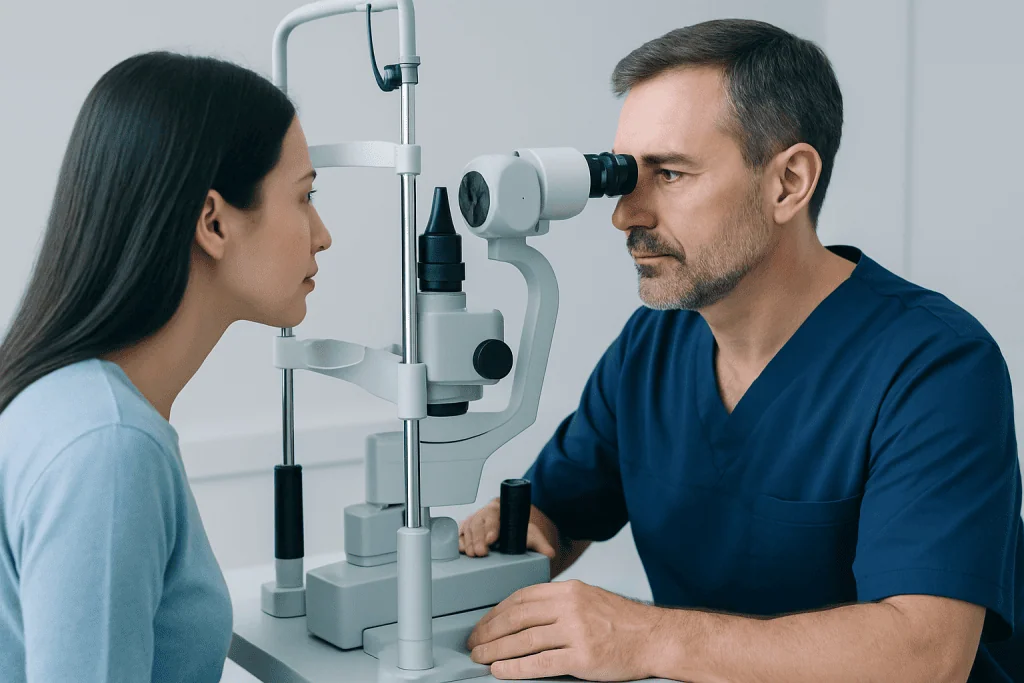
Patients may hear the terms ophthalmologist, optometrist, and optician and understandably wonder which one they need. An ophthalmologist is a physician who can diagnose eye diseases, manage medical conditions, prescribe medications, and perform eye procedures and operations. This includes treatment for conditions such as glaucoma and cataracts.
An optometrist is not a medical doctor, but is trained to perform eye exams, test vision, prescribe glasses or contact lenses, and identify some eye conditions. Optometrists often play an important role in primary vision care and may refer patients to an ophthalmologist when disease, surgery, or complex treatment is needed.
An optician fits and dispenses eyeglasses and contact lenses based on a prescription from an optometrist or ophthalmologist. They do not diagnose or treat eye disease. For many patients, the right choice depends on the reason for the visit: routine vision correction may begin with an optometrist, while disease symptoms, surgery questions, or urgent eye problems should be assessed by an ophthalmologist.
What Conditions Does an Ophthalmologist Treat?

Ophthalmologists evaluate a wide range of eye and vision problems. Some are common age-related conditions, while others are linked to injury, infection, immune disease, or systemic illnesses. Their work includes both short-term treatment and long-term monitoring to reduce the risk of vision loss.
Common conditions managed by an ophthalmologist include:
- Cataracts
- Glaucoma
- Diabetic retinopathy and other diabetes-related eye problems
- Macular degeneration
- Dry eye disease
- Conjunctivitis and certain eye infections
- Corneal disorders
- Retinal tears or detachment
- Uveitis and inflammatory eye disease
- Eye injuries and foreign bodies
They may also assess double vision, eyelid problems, unexplained headaches related to the eyes, and vision changes caused by neurological or vascular conditions. In some cases, prompt diagnosis is especially important because eye symptoms can be the first sign of a broader medical issue.
Symptoms That May Mean You Need an Ophthalmologist
Not every eye symptom means there is a serious problem, but certain changes should not be ignored. Persistent blurred vision, trouble seeing at night, increasing glare, eye redness that does not improve, or discomfort while reading or using screens can all justify a professional evaluation. A thorough eye exam can help clarify whether the cause is a refractive error, dry eye, cataract, retinal disease, or another condition.
Some symptoms are more urgent. Sudden vision loss, new flashes of light, a shower of floaters, severe eye pain, halos around lights with headache or nausea, or a curtain-like shadow over part of the visual field may point to conditions that need immediate care. Eye trauma, chemical exposure, or a painful red eye in someone who wears contact lenses should also be assessed without delay.
Children and older adults may not always describe visual problems clearly. Squinting, sitting very close to screens, frequent falls, head tilting, poor school performance related to vision, or a visible white pupil in photographs are examples of signs that deserve medical attention.
What Happens During an Eye Exam?
An ophthalmology visit usually begins with a conversation about symptoms, medical history, medications, and family history of eye disease. The clinician may ask when the problem started, whether one or both eyes are affected, and whether there are associated symptoms such as pain, flashes, floaters, headaches, or light sensitivity.
The examination often includes visual acuity testing, refraction, pressure measurement, pupil assessment, and a slit-lamp examination to look closely at the front of the eye. In many cases, the pupils are dilated so the ophthalmologist can examine the retina and optic nerve at the back of the eye. Although dilation can temporarily blur near vision and increase light sensitivity, it provides important information.
Additional tests may be recommended depending on the concern. These can include visual field testing, retinal imaging, corneal measurements, optical coherence tomography, or ultrasound. If surgery is being considered, the ophthalmologist will explain the diagnosis, expected benefits, possible risks, and the recovery process in clear terms so the patient can make an informed decision.
Treatment Options an Ophthalmologist May Provide
Treatment depends on the underlying condition. For some patients, care is straightforward and may involve prescription eye drops, oral medication, lubricating therapy for dry eye, or updated glasses or contact lens advice. For others, ongoing monitoring is the most important step, especially when an eye disease is present but not yet causing noticeable symptoms.
When vision is affected by a structural problem, procedures or surgery may be recommended. Examples include cataract surgery, laser treatment for certain retinal or glaucoma conditions, injections for selected retinal diseases, and corneal transplantation in specific corneal disorders. In emergencies such as a retinal tear or detachment, timely specialist treatment can help preserve vision.
Some patients need coordinated care between specialties. For example, diabetes, autoimmune disease, stroke, thyroid disease, and neurological conditions can all affect the eyes. In these situations, ophthalmologists may work alongside internists, endocrinologists, neurologists, or retinal specialists. Near the end of the care pathway, some patients may also benefit from laser vision correction or other elective procedures if they are suitable candidates.
Prevention, Routine Care, and Protecting Vision
Many eye problems cannot be fully prevented, but healthy habits and regular examinations can lower risk and support early detection. Protecting the eyes from ultraviolet light with quality sunglasses, using appropriate safety eyewear during work or sports, managing screen habits, and avoiding smoking are all helpful measures for long-term eye health.
Good control of general health conditions is also important. Diabetes, high blood pressure, and high cholesterol can damage the blood vessels that support vision. Keeping these conditions well managed, taking prescribed medicines as directed, and attending follow-up appointments may reduce the chance of eye complications over time.
Routine eye checks are especially important for older adults, people with a family history of glaucoma or retinal disease, contact lens users, and those with chronic medical conditions. Even when vision seems normal, some eye diseases develop slowly and painlessly at first. Regular monitoring allows treatment to begin before significant sight loss occurs.
When to Seek Medical Care
Patients should arrange an ophthalmology appointment if they notice persistent blurred vision, increasing difficulty with reading or driving, ongoing redness, discomfort, or visual changes that interfere with daily life. A doctor should also evaluate recurrent headaches associated with visual symptoms, unexplained double vision, or changes in color perception.
Urgent medical care is needed for sudden loss of vision, severe eye pain, new flashes and floaters, a dark curtain across vision, eye injury, chemical splash, or signs of infection such as worsening redness with pain and light sensitivity. These symptoms do not always mean permanent damage, but they should be assessed quickly to protect sight.
For patients seeking specialist evaluation, Acibadem International’s multidisciplinary specialists and JCI-accredited hospitals diagnose and treat eye conditions for international patients. If vision changes are linked to known disease such as retinal detachment, or if surgery is being considered, timely review by a qualified ophthalmologist is the safest next step.
Frequently asked questions
What does an ophthalmologist do?
An ophthalmologist is a medical doctor who diagnoses and treats eye diseases and vision-threatening conditions. They can prescribe medications, monitor chronic eye disorders, and perform eye surgery when needed.
When should someone see an ophthalmologist instead of an optometrist?
An ophthalmologist is usually the right choice when there are symptoms such as eye pain, sudden vision changes, flashes, floaters, trauma, or concern about eye disease. They are also the specialist to see for surgical care, cataracts, glaucoma, retinal disease, and complex medical eye problems.
Do ophthalmologists perform routine eye exams?
Yes, ophthalmologists can perform comprehensive eye exams as well as disease-focused assessments. Many patients see them for routine monitoring if they have risk factors such as diabetes, older age, or a family history of serious eye disease.
Is a referral needed to see an ophthalmologist?
This depends on the healthcare system, insurance rules, and the reason for the visit. In urgent situations such as eye injury or sudden vision loss, prompt direct assessment is often more important than waiting.
What symptoms require urgent ophthalmology care?
Sudden vision loss, severe eye pain, flashes of light, a sudden increase in floaters, a curtain-like shadow, or a chemical injury should be treated as urgent. A painful red eye, especially in a contact lens wearer, also needs prompt medical attention.
Can an ophthalmologist help if vision changes are related to diabetes?
Yes, ophthalmologists commonly monitor and treat diabetic eye disease. Regular eye exams are important because diabetes can damage the retina before symptoms become obvious.
References
- American Academy of Ophthalmology
- National Eye Institute
- Centers for Disease Control and Prevention
- World Health Organization
- American Diabetes Association
This article is for general information only and is not a substitute for professional medical advice. Please consult a qualified doctor about your individual situation.
Explore treatments in Turkey — costs, top hospitals & a free quote
JCI-accredited · board-certified surgeons · reply within 24h
Add us as a Preferred Source to see more of our trusted health content across Google Search, AI Overviews and Discover.