

Lipoid Pneumonia: A Complete Medical Overview

Lipoid pneumonia occurs when lipid-containing material reaches the lungs, most often through aspiration rather than infection. Mineral oil laxatives, oily nasal products, petroleum-based substances, and some vaping products can be involved.
Key Takeaways
- Lipoid pneumonia occurs when lipid-containing material reaches the lungs, most often through aspiration rather than infection.
- Mineral oil laxatives, oily nasal products, petroleum-based substances, and some vaping products can be involved.
- Symptoms can be mild and gradual, but some people develop significant shortness of breath or low oxygen levels.
- A chest CT scan and a careful review of exposures are important parts of diagnosis.
- Stopping the oil exposure is the central step; treatment is tailored to symptoms, severity, and complications.
Lipoid pneumonia is an uncommon form of lung inflammation that develops when oils or oily substances enter the airways and lungs. It may cause cough, breathlessness, or abnormal imaging findings, and care focuses on identifying the source, preventing further exposure, and treating any complications.
Overview: what is lipoid pneumonia?
Lipoid pneumonia is inflammation in the lungs caused by fats, oils, or lipid-containing materials. These substances can trigger an inflammatory reaction when they enter small airways and air sacs, where the body has difficulty clearing them. It is not the same as the more common bacterial or viral types of pneumonia, although infection can occasionally occur alongside it.
Most cases are exogenous lipoid pneumonia, meaning the lipid material comes from outside the body. This usually happens when a person accidentally inhales or aspirates an oil-based substance during swallowing, reflux, coughing, or use of nasal or oral products. Less commonly, endogenous lipoid pneumonia develops when fats from damaged cells accumulate behind a blocked airway or within an area of chronic lung inflammation.
The condition can affect people of any age, but aspiration-related cases are more likely in people with swallowing difficulties, reflux, neurological conditions, or reduced alertness. Early recognition is helpful because avoiding continued exposure may prevent ongoing lung injury and allow inflammation to improve over time.
How lipoid pneumonia develops
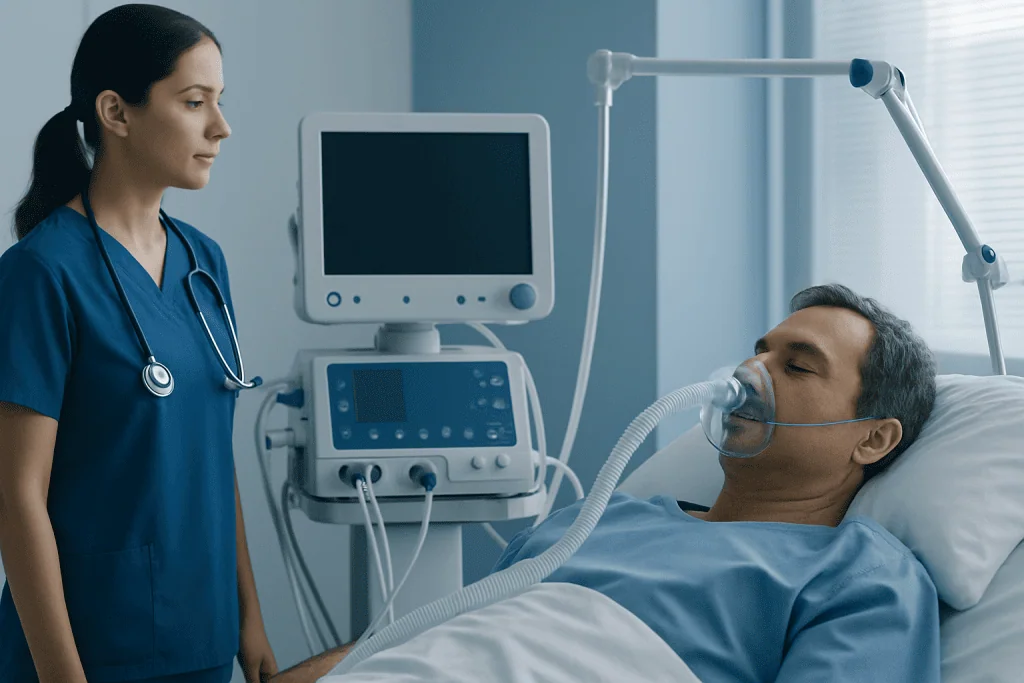
Normally, the lungs are designed to keep inhaled particles out and remove mucus through coughing and tiny moving hairs called cilia. Oils behave differently from water-based materials. Small droplets may travel deep into the lungs without causing an immediate strong cough, especially if they are tasteless, odorless, or used repeatedly in small amounts.
Once lipid material reaches the air sacs, immune cells called macrophages take it up. These “lipid-laden” macrophages can accumulate and release inflammatory signals. Over time, this may lead to irritation, thickening of lung tissue, and areas that appear cloudy on imaging. The extent of inflammation depends on the type and amount of material, how often exposure occurs, and the person’s underlying health.
Aspiration can be silent, meaning the person does not notice choking or coughing at the time. This is one reason a detailed history is so important. Healthcare professionals may ask specifically about laxatives, nasal preparations, lip balms, skin products, home remedies, occupational exposures, and vaping or inhalation practices.
Symptoms and possible effects on the lungs

Lipoid pneumonia may develop gradually and cause few or no symptoms at first. In some people, it is found unexpectedly when a chest X-ray or CT scan is performed for another reason. When symptoms occur, they can overlap with many other respiratory conditions.
- Persistent or recurrent cough, sometimes with sputum
- Shortness of breath, particularly during physical activity
- Chest discomfort or a feeling of chest tightness
- Wheezing, fatigue, or reduced exercise tolerance
- Fever or chills, especially when there is associated inflammation or infection
- Unexplained low oxygen levels in more extensive cases
Symptoms do not always reflect the amount of change seen on a scan. A person may have noticeable imaging abnormalities with mild symptoms, while another person may feel quite unwell after a larger aspiration event. Severe acute illness is uncommon but can occur when a substantial amount of oily material is inhaled, particularly in a vulnerable person.
Without removal of the source, ongoing exposure can lead to persistent inflammation and, in some cases, scarring of affected lung tissue. This is why people should not continue using a suspected oil-based product by mouth, nose, or inhalation until they have discussed it with a qualified clinician.
Causes and risk factors
Common causes of exogenous lipoid pneumonia include repeated aspiration of mineral oil used as a laxative, oil-based nasal drops or sprays, petroleum jelly placed inside the nose, and traditional or home remedies containing oils. Certain cosmetic, industrial, or occupational products may also pose a risk if aerosolized or accidentally inhaled. In some reported cases, inhalation of oil-containing vaping products has been linked with lung injury, although different vaping-related lung conditions may have different causes.
The main risk is not simply using an oil-containing product on the skin. Rather, risk increases when a product can reach the mouth, nose, throat, or airway and then be inhaled or aspirated. People should use products only as directed and avoid putting petroleum jelly, oils, or oil-based preparations inside the nose unless specifically advised by a healthcare professional.
Factors that make aspiration more likely include swallowing problems, gastroesophageal reflux, frequent vomiting, poor cough reflex, advanced age, developmental conditions, neurological disorders, sedation, and reduced consciousness. Children may be at particular risk after accidental ingestion of oily products because aspiration can happen during coughing, gagging, or vomiting.
Endogenous lipoid pneumonia has different triggers. It may be associated with airway blockage, chronic infection, cancer, or damaged lung tissue. In these situations, clinicians focus on identifying and managing the condition affecting the airway as well as the lipid-related inflammation.
Diagnosis: putting the clinical clues together
Diagnosing lipoid pneumonia requires combining a person’s symptoms, medical history, exposure history, examination findings, and imaging results. Because the symptoms and chest X-ray changes can resemble ordinary pneumonia, pulmonary edema, inflammatory lung disease, or occasionally cancer, clinicians consider several possibilities before confirming the diagnosis.
A chest X-ray may show patchy areas of opacity, often in the lower parts of the lungs. A chest CT scan provides more detail and can sometimes identify areas with features suggestive of fat-containing material. CT findings are informative but are not interpreted alone; the history of oil exposure or aspiration remains especially important.
If uncertainty remains, a respiratory specialist may recommend bronchoscopy. During this procedure, a thin flexible camera is passed into the airways to inspect them and collect fluid samples. Laboratory examination may identify lipid-laden macrophages. A tissue sample is only needed in selected cases, such as when another serious lung condition cannot be excluded.
Doctors may also assess oxygen levels, lung function, swallowing safety, and signs of infection. If aspiration is suspected, a swallowing evaluation can help identify the safest texture of foods and fluids and guide practical steps to reduce future episodes.
Treatment options and recovery
The most important treatment for lipoid pneumonia is stopping further exposure to the suspected oil or lipid-containing substance. A clinician can help determine whether a medication, nasal product, supplement, workplace material, or inhaled substance could be involved. People should not restart a suspected product without medical advice, even if symptoms begin to improve.
Supportive treatment depends on severity. It may include monitoring oxygen levels, supplemental oxygen when needed, inhaled medicines for coexisting airway narrowing, and treatment of a confirmed bacterial infection. Antibiotics do not remove oil from the lungs and are not routinely useful unless there is evidence of bacterial infection.
In more extensive or persistent cases, a pulmonologist may consider treatments aimed at reducing inflammation, such as corticosteroids. These medicines are not suitable for every person and require individualized assessment because they can have important side effects. Rarely, procedures such as bronchoalveolar lavage may be considered in specialized circumstances to remove inflammatory material from the lungs.
Recovery varies. Some people improve after exposure ends, while imaging changes can take months to clear and may not resolve completely in every case. Follow-up appointments and repeat imaging help the care team monitor improvement, assess lung function, and make sure another condition is not contributing to persistent changes.
Prevention and practical self-care
Prevention centers on reducing the chance that oils enter the lungs. Oil-based laxatives should only be used under medical guidance, particularly in older adults, children, and people with swallowing difficulties. A doctor or pharmacist can suggest safer alternatives when constipation treatment is needed.
For nasal dryness, people should ask a clinician about water-based saline sprays, gels, or other options rather than applying petroleum jelly or oils inside the nostrils. If petroleum jelly is used on the lips or skin around the nose, it should be applied sparingly and kept outside the nasal passages. Oily products should not be used in steam inhalation devices or nebulizers unless a clinician has specifically prescribed them for that purpose.
People with recurrent choking, coughing during meals, wet-sounding voice after drinking, or repeated chest infections should discuss possible swallowing problems with a doctor. Eating slowly, sitting upright during meals, and remaining upright for a period afterward can be useful general measures, but an individualized swallowing assessment is important when aspiration is a concern.
Avoiding smoking and vaping supports lung health and reduces irritation of already inflamed airways. It is also helpful to bring all medicines, over-the-counter products, supplements, and regular home remedies to medical appointments so that potential exposures can be reviewed carefully.
When to seek medical care
Anyone who develops a persistent cough, breathlessness, chest discomfort, fever, or unusual fatigue after inhaling, choking on, or repeatedly using an oily substance should arrange a medical assessment. It is particularly important to mention the exact product used, how it was used, and whether coughing or choking occurred. Bringing the product container or a photo of its label can be useful.
Urgent medical care is appropriate for severe or worsening shortness of breath, bluish lips or face, confusion, fainting, persistent chest pain, or signs of low oxygen. A child who has swallowed an oily product and then coughs, gags, vomits, or has trouble breathing should be assessed promptly. People should not induce vomiting after an oily product has been swallowed, as this can increase aspiration risk.
Evaluation is also sensible when respiratory symptoms do not improve as expected after treatment for presumed pneumonia. Acibadem International’s multidisciplinary specialists at JCI-accredited hospitals can assess complex respiratory symptoms and aspiration-related lung conditions for international patients.
Frequently asked questions
Is lipoid pneumonia contagious?
No. Lipoid pneumonia is not contagious because it is caused by lipid material entering or accumulating in the lungs, not by a virus or bacterium spreading between people. However, a person may occasionally also have a respiratory infection that needs separate evaluation and treatment.
Can lipoid pneumonia go away on its own?
Some people improve after the source of oil exposure is stopped, especially when the condition is mild and recognized early. Improvement can be gradual, and imaging changes may remain visible for some time. Medical follow-up is important to confirm recovery and identify complications.
Can petroleum jelly cause lipoid pneumonia?
Petroleum jelly can contribute to lipoid pneumonia if it is repeatedly inhaled or aspirated, particularly when placed inside the nose. Using a small amount on external skin or lips is different, but it should still be kept out of the nasal passages and away from situations where it could be inhaled.
How is lipoid pneumonia different from regular pneumonia?
Regular pneumonia is commonly caused by infection with bacteria, viruses, or fungi. Lipoid pneumonia is primarily an inflammatory reaction to oils or fats in the lungs. The symptoms and scan findings can overlap, so testing and exposure history help doctors tell them apart.
Will antibiotics treat lipoid pneumonia?
Antibiotics do not remove oil from the lungs or directly treat the underlying lipid-related inflammation. They may be prescribed if tests or clinical findings suggest a bacterial infection is also present. The central step is identifying and stopping further oil exposure.
Who is at higher risk of lipoid pneumonia?
People with swallowing difficulties, reflux, neurological conditions, a weak cough reflex, or reduced alertness have a higher risk because they may aspirate material more easily. Young children and older adults can also be more vulnerable, especially when oil-based products are used or accidentally swallowed.
This article is for general information only and is not a substitute for professional medical advice. Please consult a qualified doctor about your individual situation.
Pneumonia in Turkey — costs, top hospitals & a free quote
JCI-accredited · board-certified surgeons · reply within 24h
Add us as a Preferred Source to see more of our trusted health content across Google Search, AI Overviews and Discover.

More from the Health Library

Pectus Excavatum: A Complete Medical Overview

Calculated Osmolality Low: What Patients Need to Know

Oatmeal Bath — Explained by Medical Evidence, Not Myths

Heart Labeled: What Patients Need to Know

Hyperopia: An Evidence-Based Guide for Patients

Human Body — Explained by Medical Evidence, Not Myths
Pulmonary Medicine Specialists at Acibadem

Prof. Dr. Bülent Tutluoğlu
Pulmonary Medicine
Dr. Burcu Babaoğlu Karan
Pulmonary Medicine
Busenur Ceylan
Treatment of Respiratory
Prof. Dr. Çağlar Çuhadaroğlu
Pulmonary Medicine