Liver Disease Symptoms: Common Causes, Related Conditions, and When to See a Doctor

Liver disease symptoms can be mild and nonspecific at first, such as fatigue, poor appetite, or nausea. Jaundice, abdominal swelling, confusion, vomiting blood, or black stools need prompt medical attention.
Key Takeaways
- Liver disease symptoms can be mild and nonspecific at first, such as fatigue, poor appetite, or nausea.
- Jaundice, abdominal swelling, confusion, vomiting blood, or black stools need prompt medical attention.
- Common causes include fatty liver disease, viral hepatitis, alcohol-related liver injury, medication effects, and bile duct disorders.
- Diagnosis usually combines a medical history, physical exam, blood tests, and imaging such as ultrasound.
- Treatment depends on the cause and may involve lifestyle changes, medicines, procedures, or close monitoring.
- Early evaluation can help identify reversible causes and reduce the risk of complications.
Liver disease symptoms often include tiredness, yellowing of the skin or eyes, nausea, abdominal discomfort, itching, dark urine, or swelling. These symptoms do not always mean severe disease, but they can signal that the liver is inflamed, injured, or not working as it should and deserve medical evaluation.
Overview: What liver disease symptoms can mean
Liver disease symptoms are the body’s way of signaling that the liver may be inflamed, scarred, blocked, or under strain. The liver performs many essential jobs, including processing nutrients, helping with digestion, filtering toxins, and making proteins that support blood clotting. Because it is involved in so many functions, liver problems can cause a wide range of symptoms rather than one single, specific pattern.
Many people expect liver disease to cause obvious pain, but that is not always the case. Early liver disease may cause no symptoms at all, or only vague complaints such as tiredness, loss of appetite, nausea, or a general feeling of being unwell. This is one reason why persistent or unexplained symptoms should not be ignored, especially if a person has risk factors such as obesity, diabetes, heavy alcohol use, viral hepatitis exposure, or a family history of liver conditions.
Not every symptom linked with the liver means permanent damage. Some causes are temporary or treatable, including viral infections, medication-related liver irritation, gallbladder or bile duct problems, and metabolic conditions. A medical assessment can help determine whether symptoms reflect mild inflammation, a chronic disease such as fatty liver disease, or more advanced liver dysfunction.
Common liver disease symptoms
The most common liver disease symptoms are often nonspecific. A person may notice fatigue, weakness, poor appetite, nausea, or unintended weight loss. Some also report a dull discomfort or feeling of fullness in the upper right side of the abdomen, where the liver sits. These symptoms can overlap with many other health conditions, so they need context and proper evaluation.
More recognizable signs can appear when bile flow is affected or liver function becomes more impaired. Jaundice, which causes yellowing of the skin and the whites of the eyes, is a classic example. Dark urine, pale or clay-colored stools, itchy skin, easy bruising, and swelling in the abdomen or legs may also occur. Some people develop spider-like blood vessels on the skin, redness of the palms, or a tendency to bleed more easily.
In more advanced disease, the liver may not clear toxins effectively. This can lead to confusion, sleepiness, poor concentration, personality changes, or tremor. The abdomen may enlarge because of fluid buildup, known as ascites. In severe cases, vomiting blood or passing black, tarry stools can happen due to bleeding from enlarged veins in the digestive tract.
- Fatigue or weakness
- Nausea or loss of appetite
- Upper right abdominal discomfort
- Jaundice
- Dark urine or pale stools
- Itching
- Leg swelling or abdominal swelling
- Easy bruising or bleeding
- Confusion or drowsiness in advanced disease
Common causes and related conditions

Liver disease symptoms can arise from many different conditions. One of the most common is fatty liver disease, in which excess fat builds up in the liver. This may be associated with obesity, insulin resistance, type 2 diabetes, high cholesterol, and metabolic syndrome. Some people have no symptoms, while others experience fatigue, abnormal blood tests, or discomfort in the upper abdomen. Over time, inflammation can lead to scarring and more serious liver problems.
Viral infections are another important cause. Hepatitis can be caused by viruses such as hepatitis A, B, or C, each with different routes of spread and long-term risks. Alcohol-related liver disease is also common and can range from fatty change to alcoholic hepatitis and cirrhosis. In addition, medications, herbal supplements, and toxins can sometimes injure the liver, especially if several are used together or a person already has liver disease.
Other related conditions involve bile flow, immunity, genetics, or circulation. Gallstones or bile duct blockage can cause jaundice and itching. Autoimmune liver diseases, inherited disorders such as hemochromatosis or Wilson disease, and heart failure that affects liver blood flow may also be involved. In advanced chronic disease, scarring known as cirrhosis may develop, which can impair liver function and raise the risk of complications.
Because symptoms overlap, people should avoid self-diagnosing based on one sign alone. A clinician will consider the full picture, including alcohol intake, body weight, medicines, travel history, family history, viral exposure risk, and other medical conditions.
How doctors diagnose the cause
Diagnosis starts with a detailed history and physical examination. A doctor will ask when symptoms began, whether they are getting worse, what medications or supplements are being taken, and whether there are risk factors such as alcohol use, obesity, diabetes, recent infections, travel, or family history of liver disease. During the exam, the clinician may check for jaundice, abdominal tenderness, liver enlargement, swelling, skin changes, or signs of chronic liver disease.
Blood tests are often the first step. These may include liver enzymes, bilirubin, albumin, clotting tests, and tests for viral hepatitis, autoimmune disease, or iron and copper disorders when appropriate. Abnormal blood results can suggest inflammation, bile duct obstruction, reduced liver function, or chronic scarring, but they do not always show the exact cause on their own.
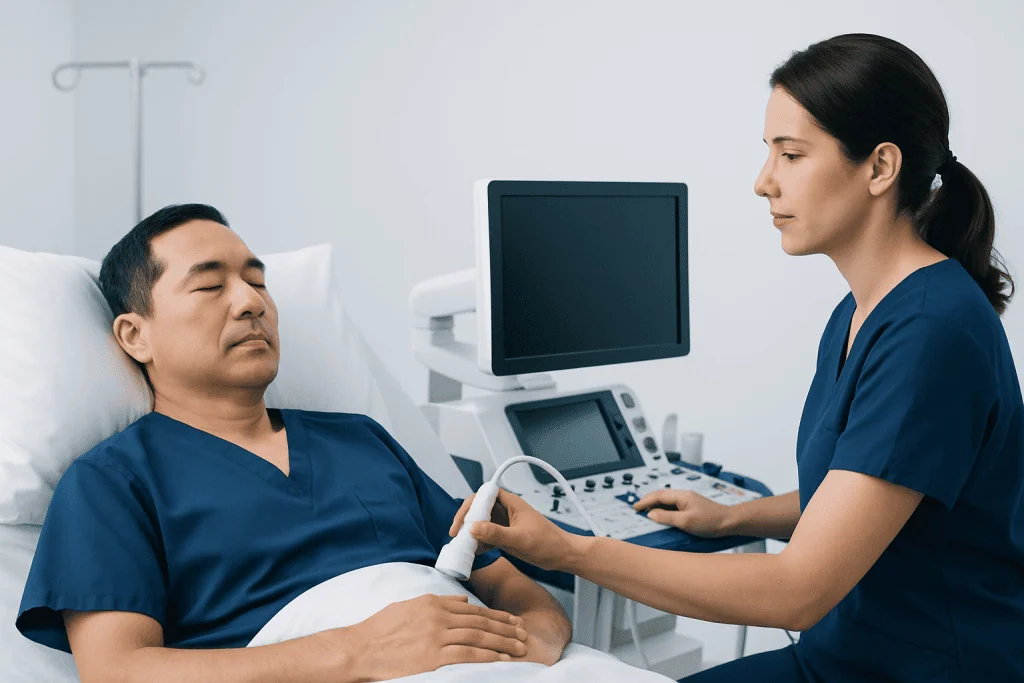
Imaging helps doctors look at the structure of the liver and nearby organs. An ultrasound is commonly used to assess liver size, fatty change, bile duct dilation, gallstones, or fluid in the abdomen. Depending on the situation, a clinician may also recommend more advanced imaging or procedures. In selected cases, liver tissue sampling may be needed to confirm the diagnosis or assess the degree of inflammation and fibrosis. When symptoms suggest more serious disease, evaluation may involve specialists in gastroenterology care and liver disorders.
Treatment options depend on the underlying problem
There is no single treatment for all liver disease symptoms, because the right approach depends on the cause. Some people need treatment for a viral infection, while others benefit most from weight loss, nutrition changes, diabetes control, or stopping alcohol. If a medicine or supplement is contributing to liver injury, the doctor may advise stopping it and monitoring recovery. Management is usually aimed at both relieving symptoms and preventing further damage.
For fatty liver disease, treatment often focuses on gradual weight reduction, regular physical activity, and addressing related conditions such as high blood sugar or high cholesterol. If bile flow is blocked, treatment may involve targeted procedures through digestive system evaluation and treatment or, in some cases, surgery. People with advanced liver scarring may need medicines to manage fluid buildup, itching, or confusion, as well as regular monitoring for complications.
When liver disease progresses significantly, specialized care becomes especially important. Some patients may be evaluated for procedures or advanced support, and in severe end-stage disease, liver transplantation may be considered. If a growth or suspicious lesion is found, care may also involve oncology assessment to clarify whether cancer is present and to guide treatment planning.
The goal of treatment is not only to improve test results but also to protect long-term liver function. Regular follow-up allows clinicians to track response, adjust the care plan, and monitor for complications such as portal hypertension, malnutrition, or liver cancer when relevant.
Prevention and self-care
Many causes of liver disease can be reduced through preventive habits. Limiting or avoiding alcohol, maintaining a healthy weight, eating a balanced diet, being physically active, and controlling diabetes or high cholesterol all support liver health. Safe food and water practices when traveling, avoiding needle sharing, and safer sexual practices can also reduce the risk of certain hepatitis infections.
Medication safety matters as well. People should use over-the-counter pain relievers, prescription medicines, and herbal products only as directed and inform their doctor about everything they take. Combining multiple products without guidance can increase the risk of liver injury. Vaccination against hepatitis A and B may be recommended for some people based on age, health conditions, work, or travel plans.
Self-care should not replace medical assessment when liver disease symptoms are ongoing. Rest, hydration, and avoiding alcohol may help while waiting for evaluation, but yellowing of the eyes, new swelling, confusion, severe vomiting, or signs of bleeding require timely care. For international patients who need further assessment, Acibadem International’s multidisciplinary specialists and JCI-accredited hospitals diagnose and treat liver conditions using coordinated medical and surgical care.
When to seek medical care
A doctor should be consulted if liver disease symptoms last more than a few days, keep returning, or are unexplained. This includes persistent fatigue, nausea, poor appetite, upper abdominal discomfort, itching, dark urine, or pale stools. Even mild symptoms can be important when they occur in someone with known risk factors such as obesity, diabetes, heavy alcohol use, viral hepatitis exposure, or prior abnormal liver tests.
Prompt medical care is especially important for jaundice, marked abdominal swelling, swelling of the legs, severe right upper abdominal pain, fever with jaundice, vomiting that prevents drinking, confusion, fainting, or easy bleeding. Emergency care is needed for vomiting blood, black tarry stools, severe sleepiness, or sudden mental changes, because these may signal significant liver dysfunction or internal bleeding.
Early evaluation gives doctors the best chance to identify a reversible cause, begin treatment, and reduce the risk of complications. A person should not wait for symptoms to become severe before asking for advice, especially if there is a known liver condition or a history of alcohol misuse, hepatitis, or previous liver injury.
Frequently asked questions
What are the first signs of liver disease?
Early liver disease may cause fatigue, nausea, reduced appetite, mild abdominal discomfort, or no symptoms at all. Because these signs are common and nonspecific, a doctor may need blood tests or imaging to determine whether the liver is involved.
Does liver disease always cause pain?
No. Many people with liver disease have little or no pain, especially in the early stages. Some may feel pressure or a dull ache in the upper right abdomen, but serious liver problems can also develop without clear pain.
Is jaundice always caused by liver disease?
No. Jaundice can occur with liver disease, but it can also result from bile duct blockage, gallbladder problems, blood disorders, or certain newborn conditions. Because jaundice signals a problem with bilirubin processing or flow, it should always be medically assessed.
Can liver disease symptoms be reversed?
Sometimes, yes. If the cause is identified early, symptoms may improve with treatment such as stopping alcohol, treating hepatitis, adjusting medications, or addressing fatty liver disease through lifestyle changes. Advanced scarring is harder to reverse, which is why timely evaluation matters.
How is liver disease different from fatty liver?
Fatty liver is one type of liver disease. Liver disease is a broad term that includes fatty liver, hepatitis, cirrhosis, bile duct disorders, autoimmune liver disease, and other conditions that affect liver structure or function.
When should someone go to the emergency room for liver symptoms?
Emergency care is important for vomiting blood, black stools, severe confusion, fainting, marked sleepiness, severe abdominal swelling, or jaundice with fever and strong pain. These symptoms may indicate bleeding, infection, or significant liver failure and should not be delayed.
References
- National Institute of Diabetes and Digestive and Kidney Diseases
- American Liver Foundation
- Centers for Disease Control and Prevention
- National Health Service
- World Health Organization
This article is for general information only and is not a substitute for professional medical advice. Please consult a qualified doctor about your individual situation.
Liver Disease in Turkey — costs, top hospitals & a free quote
JCI-accredited · board-certified surgeons · reply within 24h
Add us as a Preferred Source to see more of our trusted health content across Google Search, AI Overviews and Discover.
Check your numbers in seconds
BMI, calories, due date, blood pressure and 30+ more clinical calculators — free, instant, doctor-reviewed ranges.

Gastroenterology
Diagnosis and treatment of the digestive system and liver, with advanced endoscopy.
46 specialists in this unitMore from the Health Library



Related Specialists

Asst. Prof. Dr. Yiğit Umur Cirdi
Orthopedic Surgery & Traumatology
Assoc. Prof. Dr. Saim Sağ
Cardiology
Assoc. Prof. Dr. Yeşim Çimen
Physical Medicine & Rehabilitation
Prof. Dr. Ümit İnce
Pathology