Living With a Neurological Sleep Disorder

Neurological sleep disorders can affect sleep timing, sleep quality, breathing, movement, and daytime alertness. Common warning signs include excessive daytime sleepiness, unusual movements during sleep, vivid dream enactment, and sudden sleep attacks.
Key Takeaways
- Neurological sleep disorders can affect sleep timing, sleep quality, breathing, movement, and daytime alertness.
- Common warning signs include excessive daytime sleepiness, unusual movements during sleep, vivid dream enactment, and sudden sleep attacks.
- Diagnosis may involve a detailed history, sleep study, brain and nerve assessment, and review of medications and overall health.
- Treatment depends on the cause and may include sleep hygiene, medicines, devices, counseling, and management of related neurological conditions.
- Medical review is important if symptoms affect driving, work, school, mood, memory, or safety.
A neurological sleep disorder affects sleep because of changes in brain, nerve, or body-system regulation. With the right evaluation and treatment plan, many people can improve sleep quality, daytime function, and safety.
Overview
Living with a neurological sleep disorder can affect far more than nighttime rest. These conditions involve changes in the brain, nervous system, or the body systems that regulate sleep and wakefulness. As a result, a person may struggle with staying awake during the day, moving normally during sleep, breathing properly at night, or keeping a regular sleep schedule.
Neurological sleep disorders are not all the same. They include conditions such as narcolepsy, REM sleep behavior disorder, restless legs syndrome, circadian rhythm sleep-wake disorders, central sleep apnea, and sleep problems linked to disorders such as Parkinson’s disease, epilepsy, stroke, multiple sclerosis, or dementia. Some symptoms begin gradually, while others become noticeable more suddenly.
Although these disorders can be frustrating, they are often manageable. A careful diagnosis helps doctors understand whether the main problem involves brain signaling, breathing control, movement regulation, medication effects, or another medical condition. Treatment is then tailored to the person’s symptoms, daily routine, age, and overall health.
Symptoms and daily challenges
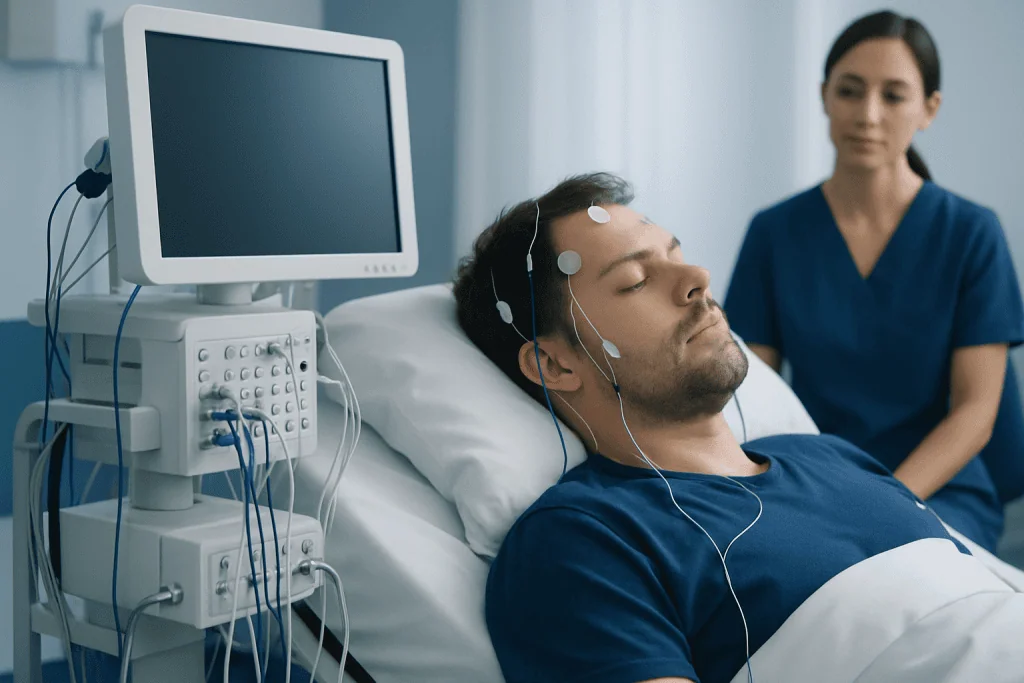
Symptoms vary widely depending on the specific disorder. Some people feel overwhelmingly sleepy during the day even after what seems like a full night’s sleep. Others may have insomnia, frequent awakenings, unusual behaviors during sleep, vivid dreams that seem to be acted out physically, or repeated urges to move the legs, especially in the evening.
Neurological sleep disorders may also cause morning headaches, poor concentration, memory problems, irritability, low mood, slower reaction time, and reduced work or school performance. In children and older adults, symptoms may look different. For example, a child may seem hyperactive rather than sleepy, while an older adult may present with confusion, falls, or nighttime wandering.
Some symptoms can create safety concerns. Falling asleep while driving, sudden muscle weakness with emotion, getting out of bed during dream enactment, or repeated breathing pauses during sleep should not be ignored. Family members often notice these signs before the person affected does.
- Excessive daytime sleepiness or sudden sleep episodes
- Snoring, breathing pauses, or gasping during sleep
- Unusual movements, kicking, jerking, or sleepwalking
- Acting out dreams or shouting during sleep
- Restless legs or uncomfortable sensations before sleep
- Difficulty falling asleep or keeping a regular sleep schedule
Causes and risk factors

The sleep-wake cycle is controlled by a complex network involving the brain, nerves, hormones, breathing signals, and body rhythms. A neurological sleep disorder can develop when one or more parts of this system are disrupted. In some cases, the cause is a primary sleep disorder. In others, sleep symptoms occur as part of a broader neurological condition.
Important causes and contributors include genetic factors, autoimmune processes, neurodegenerative disease, brain injury, stroke, epilepsy, chronic pain, and certain medicines. Alcohol, sedatives, antidepressants, stimulant use, shift work, and irregular sleep habits can also worsen symptoms or make the pattern harder to recognize. Sometimes more than one sleep problem is present at the same time.
Age can influence risk. For example, some disorders are more common in younger people, while others become more frequent later in life. REM sleep behavior disorder may sometimes be linked with conditions in the Parkinson’s disease spectrum, while breathing-related sleep problems may occur in people with neurological disease affecting brainstem control, muscle strength, or airway function. A person with seizures may also need evaluation for sleep disruption related to epilepsy.
How diagnosis is made
Diagnosis starts with a detailed medical history. The doctor asks about sleep timing, snoring, movements during sleep, daytime sleepiness, medications, mood, alcohol and caffeine use, and any neurological symptoms such as tremor, weakness, fainting, or seizures. A sleep diary, wearable data, or reports from a bed partner can be very helpful.
Many people need formal testing. This may include overnight polysomnography, often called a sleep study, which measures brain waves, breathing, oxygen levels, heart rhythm, and limb movements during sleep. Depending on the suspected disorder, daytime nap testing, actigraphy, blood tests, neurological examination, imaging, or cognitive assessment may also be recommended.
The goal is not only to name the sleep disorder, but also to look for underlying causes and related conditions. For example, a person with severe sleepiness may need assessment for narcolepsy, sleep apnea, medication side effects, depression, or insufficient sleep. A person who moves violently during dreams may need evaluation for REM sleep behavior disorder and for associated neurological disease. In some cases, doctors may also recommend neurological rehabilitation if sleep problems are affecting balance, cognition, or daily function after a neurological illness.
Treatment options
Treatment depends on the diagnosis. For some people, the main goals are improving sleep quality and reducing daytime sleepiness. For others, treatment focuses on making sleep safer, controlling abnormal movements, supporting breathing, or managing a related neurological condition. Most plans combine lifestyle measures with medical treatment when needed.
Possible treatments include medicines to promote wakefulness or improve nighttime symptoms, medication adjustments if current drugs are worsening sleep, treatment for restless legs syndrome, and approaches for dream enactment or circadian rhythm problems. If a breathing disorder is present, doctors may discuss positive airway pressure therapy or other targeted care. Certain patients may also benefit from structured follow-up in a sleep disorders treatment program.
When a neurological condition is contributing to sleep disruption, treating the underlying disorder is an important part of care. This might include seizure control, management of movement disorders, or support after stroke or brain injury. In selected cases, doctors may coordinate with specialists in neurology care to address both sleep symptoms and the broader nervous system condition. If muscle stiffness, tremor, or slowness are significant contributors, treatment planning may also overlap with care for movement disorders.
No single treatment works for everyone, and improvement may take time. Regular follow-up helps doctors adjust therapies, monitor side effects, and address new concerns such as mood changes, memory problems, or medication-related drowsiness.
Prevention and self-care
Not every neurological sleep disorder can be prevented, but healthy habits can reduce symptom burden and support treatment. A consistent sleep schedule, a quiet and dark sleep environment, and limiting alcohol close to bedtime are often helpful. Avoiding sleep deprivation is especially important because it can worsen sleepiness, abnormal behaviors during sleep, and seizure risk in some people.
Good self-care also means reviewing medicines and supplements with a doctor, since some can affect sleep stages, breathing, or alertness. Caffeine timing matters too. Small amounts earlier in the day may be fine for some people, but late use can worsen insomnia or fragmented sleep. Regular physical activity, daylight exposure, and stress management can help support the body’s natural circadian rhythm.
Safety measures may be needed at home. For people who act out dreams, doctors may suggest padding sharp furniture edges, placing the mattress lower, or removing dangerous objects from the bedroom. Those with significant daytime sleepiness should ask their doctor about driving, operating machinery, and work safety. If symptoms are linked to a chronic neurological diagnosis, care may involve long-term monitoring and support from rehabilitation, sleep medicine, and mental health professionals.
When to see a doctor
Medical advice is important when sleep symptoms are frequent, disruptive, or affecting daytime function. A doctor should evaluate loud snoring with witnessed breathing pauses, sudden sleep attacks, repeated nighttime injuries, confusion during sleep, severe insomnia, or unexplained excessive sleepiness. Early assessment can help prevent accidents and improve quality of life.
A prompt review is also needed if symptoms appear alongside tremor, memory decline, weakness, fainting, seizures, or changes in mood and thinking. These features may point to an underlying neurological or medical problem that needs attention. Children, pregnant women, and older adults may need a more individualized approach.
For international patients seeking coordinated evaluation, Acibadem International’s multidisciplinary specialists and JCI-accredited hospitals diagnose and treat neurological sleep disorders with care plans tailored to the individual. Whatever the setting, the most helpful next step is a thorough assessment by a qualified clinician rather than self-diagnosis alone.
Frequently asked questions
What is a neurological sleep disorder?
A neurological sleep disorder is a sleep problem linked to the brain, nerves, or the body systems that regulate sleep and wakefulness. It can affect alertness, breathing during sleep, movements at night, dream behavior, or the timing of sleep.
How is a neurological sleep disorder different from ordinary poor sleep?
Ordinary poor sleep is often related to stress, schedule changes, or temporary lifestyle factors. A neurological sleep disorder usually has a more persistent pattern and may involve symptoms such as sudden sleep episodes, unusual movements, dream enactment, or daytime impairment that suggest a medical cause.
Can neurological sleep disorders be treated?
Many can be improved with proper diagnosis and treatment. Care may include sleep habit changes, medication, devices for breathing-related problems, and treatment of related neurological conditions.
Will I need a sleep study?
Not everyone needs one, but many people do benefit from a formal sleep study. It helps doctors measure sleep stages, breathing, oxygen levels, heart rhythm, and movements so they can identify the exact problem.
Are neurological sleep disorders dangerous?
Some can increase the risk of accidents, injuries, mood changes, and problems with concentration or memory if left untreated. The level of risk depends on the type of disorder and the severity of symptoms, which is why medical assessment is important.
Can children and older adults have neurological sleep disorders?
Yes. Sleep disorders can affect all age groups, but the symptoms may look different depending on age. Children may show behavior or attention changes, while older adults may have falls, confusion, or nighttime wandering.
References
- American Academy of Sleep Medicine
- National Institute of Neurological Disorders and Stroke
- National Heart, Lung, and Blood Institute
- Mayo Clinic
- World Health Organization
This article is for general information only and is not a substitute for professional medical advice. Please consult a qualified doctor about your individual situation.
Explore treatments in Turkey — costs, top hospitals & a free quote
JCI-accredited · board-certified surgeons · reply within 24h
Add us as a Preferred Source to see more of our trusted health content across Google Search, AI Overviews and Discover.