

Living With Cancer During Treatment: Fatigue, Work, Diet, and Daily Routines
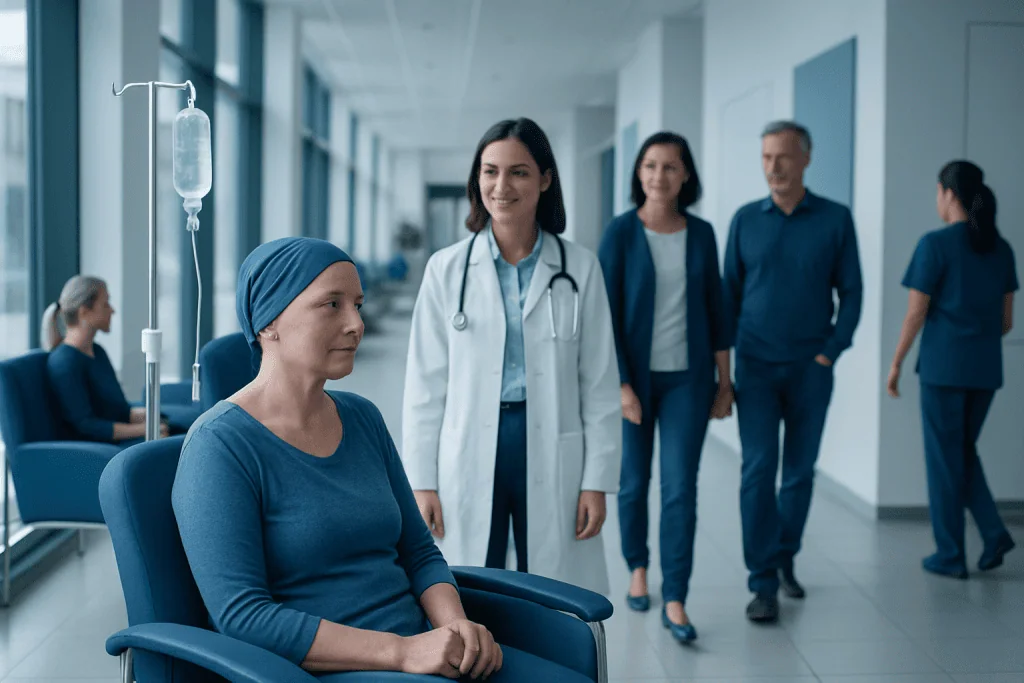
Cancer treatment commonly affects energy, appetite, sleep, mood, and daily function. Fatigue is one of the most frequent concerns and usually improves with pacing, rest, light activity, and treatment of contributing causes.
Key Takeaways
- Cancer treatment commonly affects energy, appetite, sleep, mood, and daily function.
- Fatigue is one of the most frequent concerns and usually improves with pacing, rest, light activity, and treatment of contributing causes.
- Work, exercise, and household routines often need adjustment rather than complete توقف; individualized planning is important.
- Eating enough calories, protein, and fluids can support strength, healing, and recovery during treatment.
- Patients should report new or worsening symptoms promptly, especially fever, breathing problems, dehydration, or uncontrolled pain.
Living with cancer during treatment often requires changes to energy use, eating habits, work plans, and everyday routines. With symptom management, practical support, and open communication with the care team, many people can maintain comfort, safety, and a sense of control.
Overview: adjusting to life during cancer treatment
Living with cancer during treatment is not only about medical appointments and medicines. It also involves day-to-day changes in energy, appetite, sleep, emotions, work, family roles, and usual routines. Each person’s experience is different and depends on the type of cancer, the stage of illness, the treatment plan, and overall health.
Treatments such as chemotherapy, immunotherapy, hormone therapy, radiation therapy, and surgery can affect the body in different ways. Some people continue many normal activities with a few adjustments, while others need more support at home or time away from work. It is common for symptoms to vary from day to day and from one treatment cycle to the next.
A helpful approach is to focus on what can be controlled: symptom tracking, rest, nutrition, movement, hydration, medication schedules, and asking for help early. Practical planning often reduces stress and helps patients feel more confident. The oncology team can also connect patients with nursing support, dietitians, rehabilitation specialists, mental health professionals, and palliative care when needed.
Fatigue and other common day-to-day symptoms
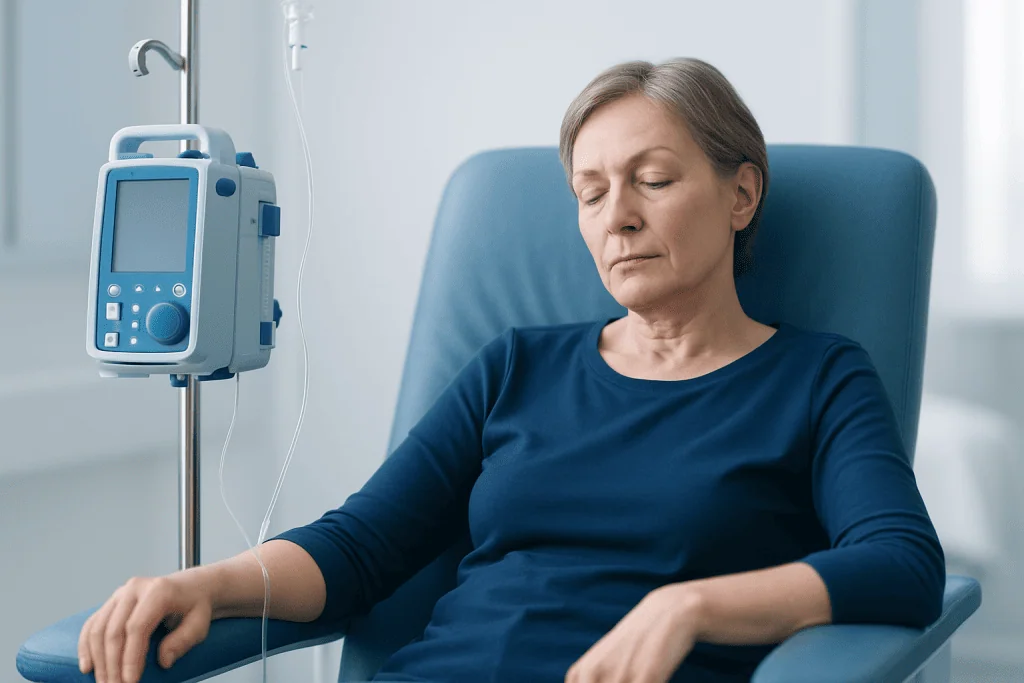
Fatigue is one of the most common challenges during cancer treatment. It is different from ordinary tiredness because rest alone may not fully relieve it. People may describe heavy limbs, low motivation, poor concentration, or feeling drained after simple tasks such as showering, walking, or preparing meals.
Other common symptoms can include nausea, reduced appetite, taste changes, constipation, diarrhea, mouth sores, trouble sleeping, pain, numbness or tingling, and emotional distress. Some treatments may also lead to anemia, which can worsen fatigue and shortness of breath. Because several causes can overlap, it is important to tell the care team exactly when symptoms started, how severe they are, and what makes them better or worse.
Fatigue often improves when contributing problems are identified and treated. These may include pain, dehydration, poor sleep, low food intake, medication side effects, anxiety, depression, thyroid problems, or low blood counts. Light daily movement, balanced meals, scheduled rest breaks, and realistic task planning can also help many patients.
- Keep a simple symptom diary.
- Plan demanding tasks for the time of day when energy is best.
- Break large activities into smaller steps.
- Accept help with shopping, childcare, transport, or housework.
- Report severe weakness, dizziness, chest pain, or breathlessness promptly.
Work, family roles, and daily routines
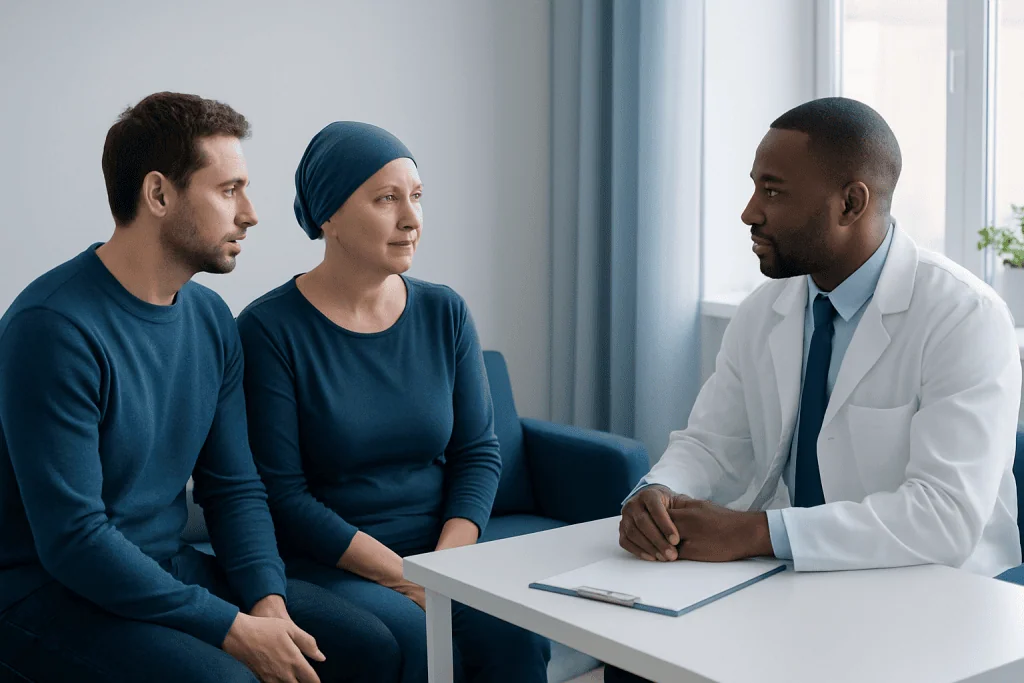
Many people wonder whether they can continue working during treatment. The answer depends on symptoms, treatment type, infection risk, job demands, and personal preference. Some patients continue full-time work, others shift to reduced hours, remote work, lighter duties, or medical leave. A flexible plan is often more realistic than expecting the same routine as before treatment.
Open communication can make this easier. Patients may choose to discuss likely side effects, appointment schedules, and changing energy levels with an employer or human resources team. A doctor can often provide documentation for workplace adjustments. For physically demanding jobs or roles with high exposure to infection, extra precautions or time off may be necessary.
Home life often changes as well. Tasks that once felt simple may require more time or assistance. It can help to prioritize essentials, use calendars or medication reminders, prepare meals in batches on better days, and let family or friends take on practical responsibilities. Creating a steady routine for waking, meals, light activity, rest, and bedtime can improve both energy and mood.
For some people, treatment may involve services such as chemotherapy, radiation therapy, or immunotherapy. Knowing what to expect from each phase of care can help patients plan work, transport, and recovery time more effectively.
Diet, hydration, and maintaining strength
Nutrition during cancer treatment is not about following a perfect diet. The main goals are to maintain strength, support healing, preserve muscle, and prevent dehydration. Many patients do best with small, frequent meals rather than three large ones, especially if nausea, early fullness, or poor appetite is a problem.
Protein is especially important for maintaining muscle and helping the body recover. Useful choices may include eggs, yogurt, cheese, beans, lentils, fish, chicken, tofu, or nut butters, depending on tolerance. If solid food is difficult, soups, smoothies, milk-based drinks, or medically recommended oral nutrition supplements may be easier to manage.
Hydration also matters. Water, soups, milk, oral rehydration drinks, and caffeine-free beverages can help replace fluids, especially if there is vomiting or diarrhea. Some people may need to avoid certain foods temporarily because of mouth sores, swallowing difficulty, diarrhea, or neutropenia-related food safety advice from their care team.
Taste changes are common and can be frustrating. Cold foods may smell less strong than hot meals, tart flavors may improve taste in some people, and using plastic utensils may help if there is a metallic taste. A registered dietitian with oncology experience can suggest practical changes when weight loss, poor appetite, or digestive symptoms become difficult to manage.
Activity, sleep, and emotional well-being
Although rest is important, too much inactivity can sometimes worsen fatigue, muscle weakness, stiffness, constipation, and sleep problems. Gentle movement is often helpful when approved by the medical team. This may include short walks, stretching, breathing exercises, or supervised rehabilitation. The goal is not intense exercise, but regular movement that matches the patient’s current ability.
Sleep can become disrupted by pain, steroids, anxiety, daytime naps, or changes in routine. Good sleep habits may help: keeping a regular bedtime, limiting screen time late at night, reducing caffeine if it affects sleep, and using relaxation exercises. If insomnia persists, it should be discussed with the care team, because treatment-related causes may need attention.
Emotional reactions during treatment are common and do not mean a person is coping poorly. Fear, sadness, irritability, uncertainty, and feeling overwhelmed can all occur. Support may come from family, friends, faith communities, counseling, support groups, psycho-oncology services, or palliative care. When distress affects daily function, speaking with a professional can be an important part of treatment, not a separate issue.
Some symptoms may overlap with the effects of the cancer itself, depending on the diagnosis. Patients living with lung cancer or breast cancer, for example, may face symptom patterns related both to treatment and to the underlying disease. Understanding this can help patients and families respond more calmly and seek timely advice.
How doctors monitor symptoms and provide support
Good symptom control starts with regular assessment. During treatment visits, clinicians may ask about appetite, weight, bowel habits, sleep, mood, pain, fevers, and how well daily activities are being managed. Blood tests may be used to check for anemia, infection risk, electrolyte problems, kidney function, and other treatment effects.
Management depends on the cause of symptoms. Nausea may be addressed with anti-sickness medicines and meal adjustments. Constipation or diarrhea may need medication changes, fluid advice, and diet guidance. Mouth sores may improve with oral care strategies and avoiding irritating foods. Pain is treated according to severity and cause, often with a combination of medicines and supportive therapies.
Some patients benefit from early palliative care. This does not mean treatment is stopping. Palliative care focuses on relief of symptoms, support for emotional stress, help with decision-making, and better quality of life alongside cancer treatment. Rehabilitation and physical therapy can also be useful for weakness, deconditioning, or balance problems.
If surgery is part of care, recovery planning may include guidance after cancer surgery. In complex cases, multidisciplinary teams help coordinate treatment timing, symptom control, and follow-up. Acibadem International’s multidisciplinary specialists in JCI-accredited hospitals also diagnose and treat cancer for international patients who need coordinated care.
Self-care, infection prevention, and safety at home
Simple self-care steps can reduce complications during treatment. Good hand hygiene, safe food handling, staying up to date with clinician-recommended vaccines, and avoiding close contact with people who are ill may help lower infection risk. Some patients, especially those with low white blood cell counts, may need more specific precautions from their oncology team.
Medication safety is also important. Patients should take medicines exactly as prescribed and ask before starting vitamins, herbal products, or over-the-counter remedies, because some can interfere with treatment. Keeping an updated list of medicines, allergies, and emergency contact numbers in one place is often helpful.
At home, conserving energy can make a meaningful difference. Sitting while showering, placing commonly used items within easy reach, preparing clothes and meals in advance, and using support from relatives or community services can reduce physical strain. If dizziness, weakness, or numbness affects balance, removing trip hazards and improving lighting may lower the risk of falls.
It can also help to plan for difficult days. Having easy-to-eat foods at home, arranging backup transport, and knowing whom to call after hours can reduce anxiety. Patients should never feel that they are bothering the team by reporting symptoms; early advice often prevents bigger problems.
When to contact a doctor urgently
Some symptoms need medical advice quickly, even if they seem to happen outside normal clinic hours. Fever, shaking chills, new cough, shortness of breath, chest pain, confusion, uncontrolled vomiting, severe diarrhea, dehydration, or bleeding can be signs of complications that should not wait. Sudden swelling, severe headache, or new weakness also need prompt assessment.
Patients should contact their oncology team urgently if pain becomes difficult to control, if they cannot keep fluids down, if there are signs of infection around a line or wound, or if they are much sleepier or weaker than usual. Rapid changes may be related to treatment side effects, infection, blood clots, low blood counts, or other medical problems.
In general, it is safer to ask early than to wait. Clear communication about symptoms, medications, and the timing of the last treatment can help the medical team guide the next steps. Keeping emergency numbers close by and knowing the hospital’s instructions for out-of-hours concerns can provide reassurance throughout treatment.
Frequently asked questions
Is it normal to feel extremely tired during cancer treatment?
Yes. Cancer-related fatigue is very common and can feel more intense than ordinary tiredness. It may improve with pacing, light activity, sleep support, good nutrition, hydration, and treatment of contributing issues such as anemia, pain, or poor sleep.
Can a person keep working during cancer treatment?
Many people can work during treatment, but they often need adjustments. Flexible hours, remote work, lighter duties, or planned leave may be helpful depending on symptoms, treatment schedule, and the type of job.
What should someone eat during cancer treatment?
There is no single diet that suits everyone during treatment. In general, small frequent meals, enough protein, and good hydration are important, and a dietitian can help if appetite is poor, weight is changing, or side effects make eating difficult.
Should exercise be avoided during treatment?
Not usually. Gentle, regular movement is often encouraged because it can help with fatigue, mood, sleep, and muscle strength. The type and amount of activity should be tailored to the person’s condition and approved by the care team.
When is fatigue serious enough to call the doctor?
A doctor should be contacted if fatigue suddenly becomes much worse, causes dizziness or fainting, is linked with shortness of breath or chest pain, or makes it hard to drink fluids or manage basic self-care. These symptoms may signal anemia, infection, dehydration, or another problem that needs medical attention.
How can family members help someone during treatment?
Practical help is often the most useful. Family and friends can assist with transport, meals, shopping, childcare, medication reminders, and emotional support while respecting the patient’s preferences and need for rest.
References
- World Health Organization
- National Cancer Institute
- American Cancer Society
- European Society for Medical Oncology
- Centers for Disease Control and Prevention
This article is for general information only and is not a substitute for professional medical advice. Please consult a qualified doctor about your individual situation.
Oncology care in Turkey — second opinion and treatment plan
JCI-accredited · board-certified surgeons · reply within 24h
Add us as a Preferred Source to see more of our trusted health content across Google Search, AI Overviews and Discover.

More from the Health Library

Related Specialists

Prof. Dr. Mehmet Özkan
Cardiovascular Surgery
Prof. Dr. Fatih Oğuz Önder
Gastroenterology
Prof. Dr. Nuran Beşe
Radiation Oncology
Dr. Ayhan Ulusoy
Orthopedic Surgery & Traumatology