Lobes of the Brain: What They Control and Symptoms of Damage
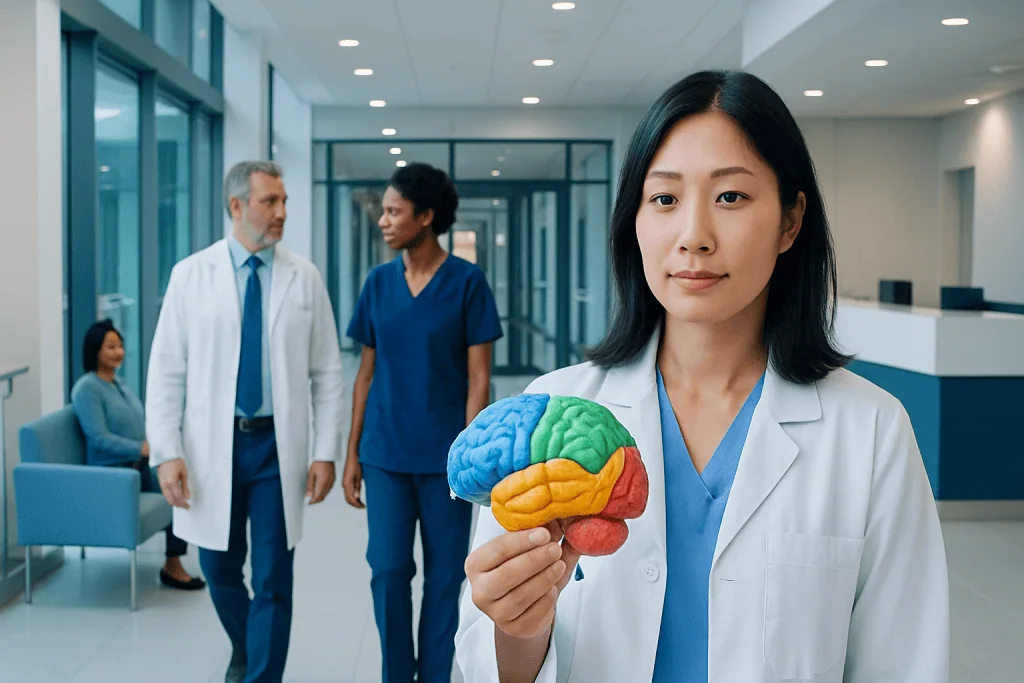
The brain’s four main lobes are the frontal, parietal, temporal, and occipital lobes. Each lobe has specialized roles, but they work together through complex networks.
Key Takeaways
- The brain’s four main lobes are the frontal, parietal, temporal, and occipital lobes.
- Each lobe has specialized roles, but they work together through complex networks.
- Damage to a specific lobe can cause recognizable patterns such as speech changes, weakness, memory problems, or vision loss.
- Causes of lobe damage include stroke, head injury, tumors, infections, and neurodegenerative disease.
- Diagnosis usually combines a neurological exam with imaging such as CT or MRI scans.
- Urgent symptoms like sudden weakness, confusion, seizures, or vision changes need prompt medical attention.
The lobes of the brain each support different but connected functions, including movement, language, memory, vision, sensation, and behavior. When one lobe is injured or affected by disease, the symptoms often reflect the jobs that part of the brain normally performs.
Overview of the Brain Lobes
The cerebrum, the largest part of the brain, is divided into two hemispheres and four main lobes on each side: the frontal, parietal, temporal, and occipital lobes. These lobes help organize brain function, but they are not isolated compartments. Instead, they communicate continuously through nerve pathways, so many everyday activities depend on several regions working together.
Each lobe contributes to a distinct set of tasks. The frontal lobe is closely involved in planning, decision-making, voluntary movement, speech production, and aspects of personality. The parietal lobe helps process touch, body position, and spatial awareness. The temporal lobe supports hearing, language understanding, and memory. The occipital lobe is mainly responsible for visual processing.
Doctors often use lobe-based patterns to understand symptoms. For example, a person with difficulty speaking may have a problem in the frontal lobe, while new visual disturbances may point toward the occipital lobe. This approach helps guide testing and treatment, although symptoms can overlap because the brain functions as an integrated network.
What the Frontal Lobe Controls
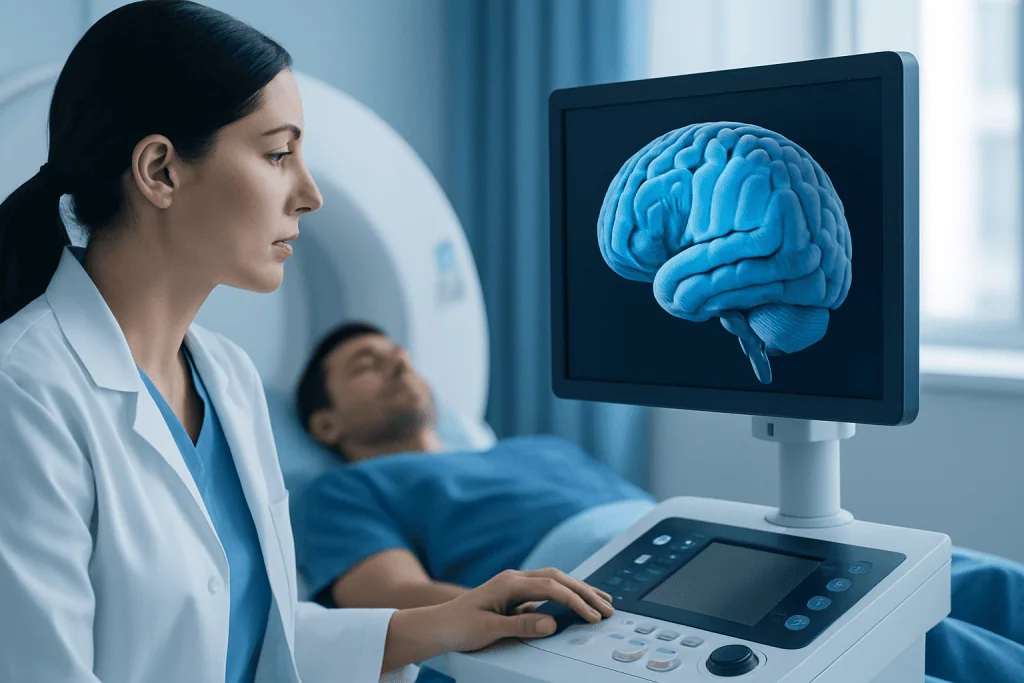
The frontal lobe sits behind the forehead and plays a major role in what are often called executive functions. These include planning, organizing, attention, judgment, impulse control, problem-solving, and adapting behavior to social situations. It is also important for motivation and emotional regulation.
Part of the frontal lobe contains the primary motor cortex, which helps control voluntary movements on the opposite side of the body. Another important area in the dominant hemisphere, often the left side, is involved in speech production. Because of these roles, frontal lobe problems can affect movement, communication, and behavior at the same time.
Symptoms of frontal lobe damage may include weakness, slowed thinking, poor concentration, personality changes, reduced inhibition, difficulty planning tasks, or trouble producing words. Some people become unusually apathetic, while others may appear impulsive or socially inappropriate. Depending on the cause, frontal lobe symptoms can develop suddenly, such as with stroke, or more gradually over time.
What the Parietal Lobe Controls
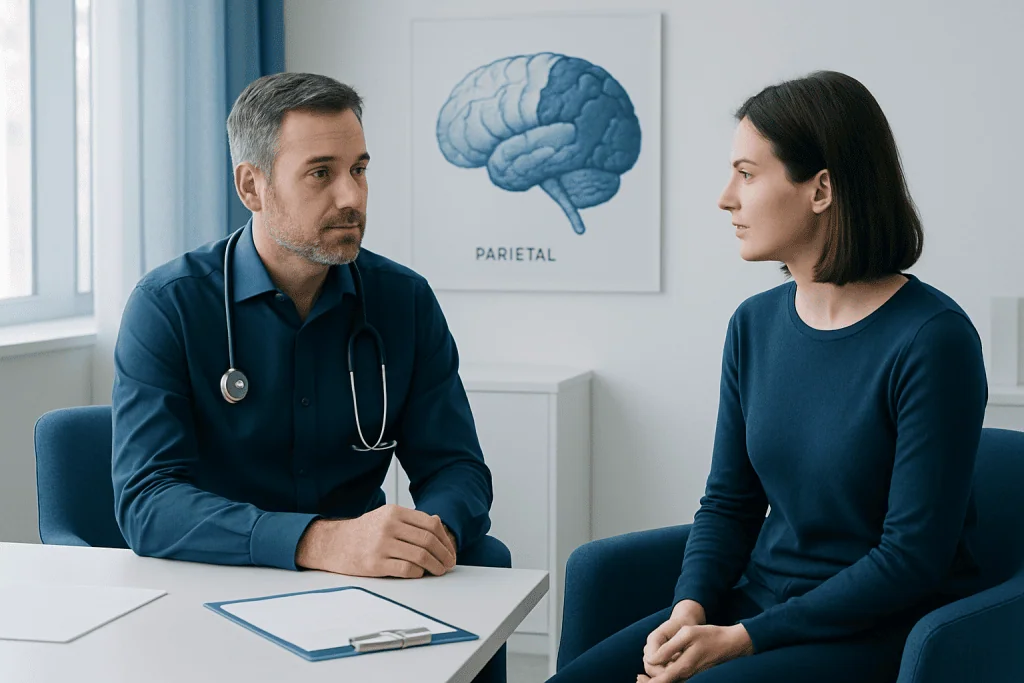
The parietal lobe lies near the upper back part of the brain and helps the body interpret sensory information. It processes touch, pain, temperature, pressure, and awareness of where body parts are in space. This is essential for coordination, balance, and performing purposeful movements.
The parietal lobe also supports spatial skills, reading, writing, and some aspects of mathematics. In the dominant hemisphere, it helps link language with sensory understanding. In the non-dominant hemisphere, it is especially important for attention to the surrounding environment and awareness of one side of the body and space.
Damage to the parietal lobe can lead to numbness, tingling, difficulty recognizing objects by touch, or problems with hand-eye coordination. Some people may struggle to read, write, calculate, or judge distances. Damage to the non-dominant parietal lobe can sometimes cause neglect, in which a person seems unaware of one side of the body or environment.
What the Temporal and Occipital Lobes Control
The temporal lobe is located near the temples and ears. It is central to hearing, understanding spoken language, memory formation, and emotional processing. Structures deep within the temporal region, including the hippocampus, are closely linked to learning and forming new memories. The temporal lobe also helps recognize faces, sounds, and meaningful patterns.
Temporal lobe damage may cause memory problems, trouble understanding language, changes in emotion, or difficulty recognizing familiar people or sounds. In some cases, it can also be linked to seizures, especially when the inner temporal structures are involved, as in epilepsy. People may notice unusual sensations, staring spells, confusion, or brief episodes of altered awareness.
The occipital lobe, located at the back of the brain, mainly processes visual information. It helps interpret shape, color, movement, and parts of the visual field. Damage to this lobe can cause blurred vision, loss of part of the visual field, difficulty recognizing what is being seen, or visual misperceptions. Because vision problems can have many causes, careful testing is important to determine whether the source is in the eyes, optic pathways, or brain.
What Can Cause Damage to a Brain Lobe?
Damage to the lobes of the brain can happen for many reasons. Common causes include stroke, traumatic brain injury, brain tumors, infections affecting the brain, reduced oxygen supply, inflammatory conditions, and neurodegenerative diseases. The pattern of symptoms depends on which lobe is affected, how large the area is, and how quickly the problem develops.
Sudden symptoms often suggest an emergency such as stroke, bleeding, or a severe head injury. Gradual changes may be related to a tumor, chronic inflammation, or conditions that slowly affect brain tissue. Sometimes symptoms are subtle at first, such as increasing forgetfulness, changes in behavior, or difficulty with familiar tasks.
Risk factors vary by cause. For example, high blood pressure, diabetes, smoking, and heart disease can increase the risk of stroke. Falls, sports injuries, and motor vehicle accidents can raise the risk of head trauma. Certain infections, autoimmune disorders, and age-related neurological conditions can also affect one or more brain lobes. In some cases, doctors may investigate for brain tumors when imaging shows a structural lesion.
How Doctors Diagnose Lobe-Related Brain Problems
Diagnosis begins with a medical history and neurological examination. The doctor may ask when symptoms started, whether they appeared suddenly or gradually, and whether there was any injury, seizure, infection, or change in thinking or behavior. The examination may assess strength, sensation, reflexes, balance, coordination, speech, memory, attention, and vision.
Brain imaging is often essential. A CT scan may be used quickly in emergencies, especially to look for bleeding or major stroke. MRI provides more detailed images of brain tissue and can help identify small strokes, inflammation, tumors, and other structural changes. Depending on the symptoms, doctors may also request tests such as EEG for seizure activity, blood tests, or formal neuropsychological assessment.
If treatment planning requires tissue diagnosis, a specialist may discuss brain biopsy in selected cases. For structural problems such as masses or pressure on nearby brain tissue, evaluation by neurology and neurosurgery can be important. Diagnosis is often multidisciplinary because movement, language, memory, and visual symptoms can overlap.
Treatment Options and Recovery
Treatment depends on the underlying cause rather than the lobe alone. For example, stroke care may involve emergency treatment, blood pressure control, rehabilitation, and prevention of future events. Head injuries may need observation, medication, rehabilitation, or surgery. Infections require targeted treatment, while seizures are usually managed with anti-seizure medicines and ongoing follow-up.
When a mass or structural lesion is present, treatment may include brain tumor surgery or other specialist approaches based on the diagnosis. Some patients may also need neurosurgery for bleeding, pressure, or other conditions affecting brain tissue. The goal is to treat the cause while preserving as much brain function as possible.
Recovery can vary widely. Some symptoms improve quickly, especially if treatment is prompt, while others may take weeks or months to recover. Rehabilitation is often an important part of care and may involve physical therapy for movement, occupational therapy for daily activities, speech and language therapy, and cognitive rehabilitation for attention or memory. Emotional support and follow-up are also important, as brain-related symptoms can affect both the patient and family.
Prevention, Self-care, and When to Seek Medical Help
Not all causes of brain lobe damage can be prevented, but healthy habits can reduce risk. Managing blood pressure, cholesterol, and diabetes, staying physically active, not smoking, and limiting alcohol can help protect brain and blood vessel health. Seat belts, helmets, fall prevention, and safe sports practices can lower the chance of head injury.
Self-care after a diagnosis may include taking medicines as prescribed, keeping follow-up appointments, getting enough sleep, and avoiding activities that increase the risk of another injury or seizure if advised by a doctor. Family members can help by watching for changes in speech, memory, mood, or mobility and sharing these observations with the care team.
Urgent medical care is important for sudden weakness, facial droop, trouble speaking, severe confusion, loss of consciousness, a new seizure, sudden severe headache, or sudden vision loss. These symptoms may signal a time-sensitive emergency. For ongoing or complex neurological concerns, multidisciplinary specialists at Acibadem International’s JCI-accredited hospitals diagnose and treat brain conditions for international patients.
Frequently asked questions
What are the four main lobes of the brain?
The four main lobes are the frontal, parietal, temporal, and occipital lobes. Each one has specialized functions, but they work together closely to support thinking, movement, sensation, language, memory, and vision.
Which lobe controls personality and decision-making?
The frontal lobe plays the biggest role in personality, judgment, planning, and impulse control. It also helps regulate behavior and supports voluntary movement and speech production.
Can damage to one brain lobe affect more than one function?
Yes. Even though certain functions are strongly linked to particular lobes, the brain works through connected networks. That means damage in one area can affect movement, language, memory, behavior, or vision in overlapping ways.
What are common signs of temporal lobe damage?
Temporal lobe damage may cause memory difficulties, trouble understanding spoken language, emotional changes, or problems recognizing familiar sounds or faces. In some people, it can also be associated with seizures or episodes of altered awareness.
How do doctors tell which lobe is affected?
Doctors look at the pattern of symptoms and perform a neurological examination. Imaging tests such as CT or MRI scans help show the exact location and possible cause of the problem.
Are symptoms of brain lobe damage always permanent?
Not always. Some symptoms improve significantly with prompt treatment and rehabilitation, while others may last longer depending on the cause and extent of injury. Recovery is often individualized and may continue over time.
When should someone seek emergency care for possible brain damage?
Emergency care is needed for sudden weakness, facial drooping, speech difficulty, confusion, loss of consciousness, a new seizure, sudden severe headache, or sudden vision loss. These symptoms may be caused by stroke, bleeding, or another urgent neurological condition.
References
- National Institute of Neurological Disorders and Stroke
- National Institute on Aging
- Mayo Clinic
- Merck Manual Consumer Version
- World Health Organization
This article is for general information only and is not a substitute for professional medical advice. Please consult a qualified doctor about your individual situation.
Explore treatments in Turkey — costs, top hospitals & a free quote
JCI-accredited · board-certified surgeons · reply within 24h
Add us as a Preferred Source to see more of our trusted health content across Google Search, AI Overviews and Discover.