Lung Abscess: An Evidence-Based Guide for Patients
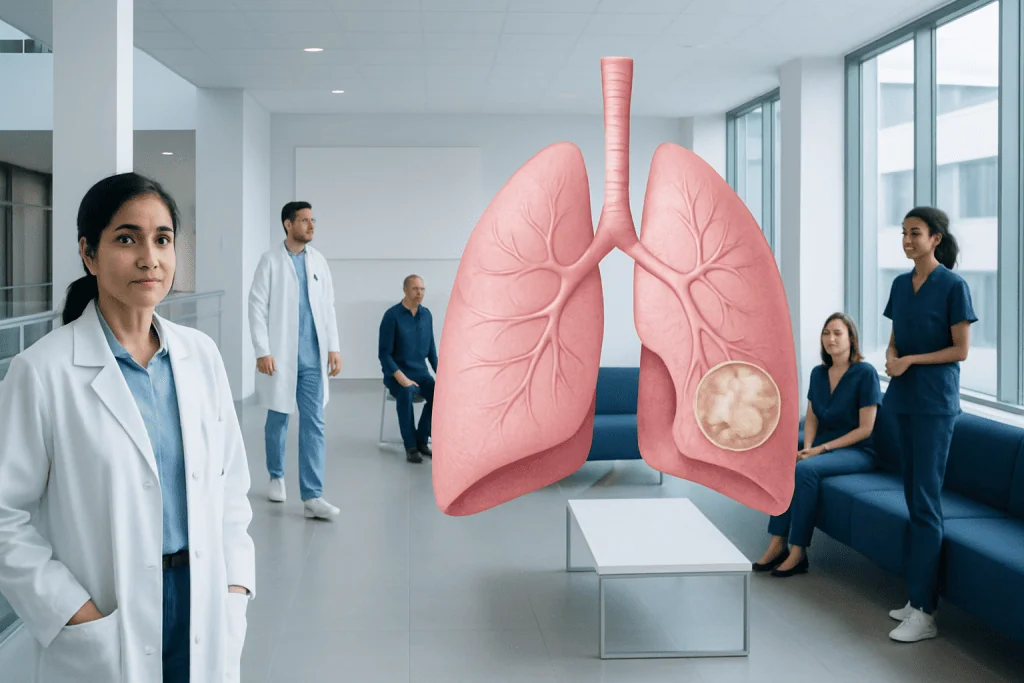
A lung abscess is an infected cavity within the lung that contains pus and damaged tissue. Aspiration of material from the mouth or stomach into the lungs is a common cause, but pneumonia and airway blockage can also lead to an abscess.
Key Takeaways
- A lung abscess is an infected cavity within the lung that contains pus and damaged tissue.
- Aspiration of material from the mouth or stomach into the lungs is a common cause, but pneumonia and airway blockage can also lead to an abscess.
- Symptoms may include fever, cough, chest discomfort, fatigue, weight loss, and foul-smelling sputum.
- Treatment usually involves several weeks of antibiotics, with drainage or surgery needed only in selected cases.
- Urgent assessment is important for breathing difficulty, coughing up blood, confusion, or worsening symptoms.
A lung abscess is a localized, pus-filled cavity that forms in lung tissue, most often after a bacterial infection. It is a serious but usually treatable condition that requires medical evaluation, antibiotics, and follow-up to ensure the infection resolves.
Overview: What Is a Lung Abscess?
A lung abscess is a pocket of infection inside the lung. As bacteria damage a small area of lung tissue, the body’s inflammatory response can create a cavity filled with pus, fluid, and cellular debris. It is sometimes called a pulmonary abscess. Although it can make a person quite unwell, effective treatment is available and many people recover fully with appropriate care.
Most lung abscesses develop when bacteria enter the lower airways and establish an infection. This can occur after inhaling saliva, food, vomit, or stomach contents into the lungs, a process called aspiration. The condition may also develop as a complication of severe pneumonia or when an airway is blocked.
A lung abscess should not be managed with home remedies alone. It generally requires medical assessment, imaging, and prescription antibiotics. Care is tailored to the likely cause, the person’s overall health, and how well the infection responds over time.
How a Lung Abscess May Feel
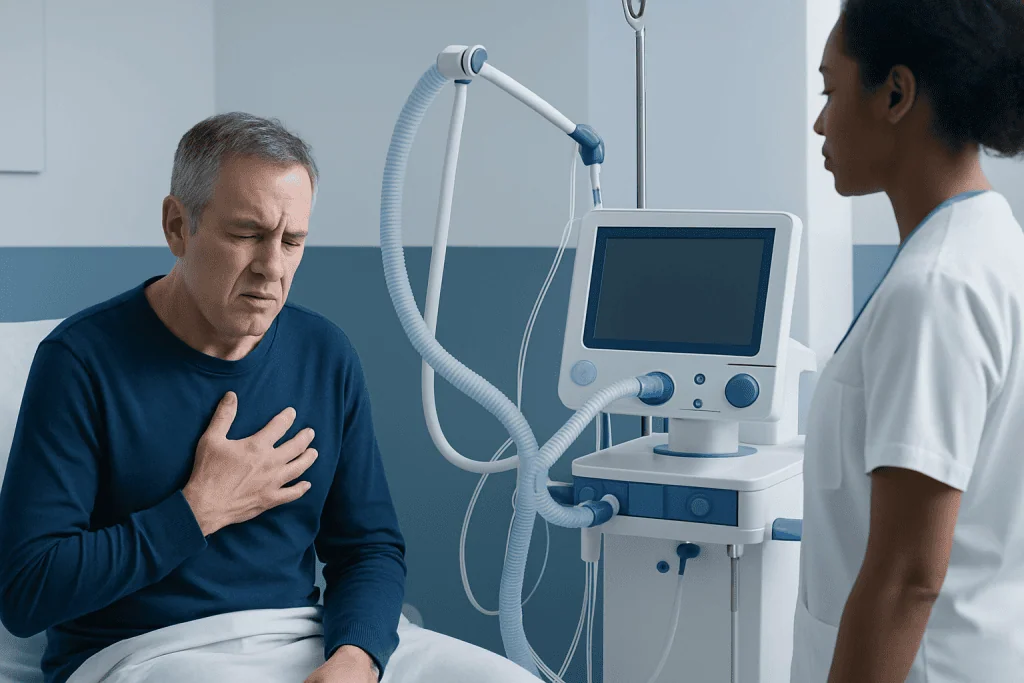
Symptoms can develop gradually over days to weeks, though some people become unwell more quickly. A persistent cough is common and may bring up thick sputum. In some cases, the sputum has an unpleasant or foul odor, particularly when the infection involves bacteria that normally live in the mouth.
Other possible symptoms include fever, chills, night sweats, tiredness, reduced appetite, unintentional weight loss, and chest pain that is worse when taking a deep breath or coughing. Shortness of breath may occur, especially if pneumonia or another lung condition is also present.
Symptoms of a lung abscess overlap with those of pneumonia, tuberculosis, lung cancer, and other respiratory illnesses. This is why persistent respiratory symptoms should be evaluated rather than self-diagnosed. A clinician can identify the likely cause and decide whether imaging or other tests are needed.
- Ongoing cough, with or without sputum
- Fever, sweats, or chills
- Foul-smelling or blood-streaked mucus
- Chest discomfort or pain with breathing
- Fatigue, poor appetite, and weight loss
Causes and Factors That Increase Risk
Aspiration is a major cause of lung abscess. Small amounts of saliva are commonly inhaled without causing harm, but the risk rises when a person has reduced alertness or difficulty swallowing. Alcohol or sedative intoxication, seizures, stroke, anesthesia, neurological disorders, and severe reflux with vomiting can all increase the chance of aspiration.
Poor dental health and gum disease may also contribute because bacteria from the mouth can be carried into the lungs. In other cases, an abscess follows bacterial pneumonia. Less commonly, infection may reach the lung through the bloodstream from another site in the body, such as with bloodstream infection or infection of a heart valve.
An obstruction in a bronchus, the airway leading into the lung, can prevent normal clearance of mucus and allow infection to persist. Obstruction may be caused by an inhaled object, narrowing of an airway, or occasionally a tumor. Smoking, chronic lung disease, weakened immunity, diabetes, and poor nutrition may make severe respiratory infections more likely or more difficult to treat.
Having a risk factor does not mean a person will develop a lung abscess. However, telling the healthcare team about swallowing difficulties, recent dental problems, reduced consciousness, recent hospitalization, or immune-suppressing medicines can help guide testing and treatment.
How Doctors Diagnose a Lung Abscess
Diagnosis begins with a discussion of symptoms, medical history, medicines, recent illness, and aspiration risks. A clinician will listen to the lungs and assess temperature, breathing, oxygen levels, heart rate, hydration, and general wellbeing. They will also consider whether symptoms could be caused by another condition.
A chest X-ray may show an area of infection or a cavity containing both air and fluid. A chest computed tomography scan, often called a CT scan, can provide more detail about the size and position of the abscess, nearby pneumonia, possible airway blockage, and other conditions that can resemble an abscess.
Blood tests may show signs of inflammation or infection and help assess organ function before treatment. A sample of coughed-up sputum may be tested to look for bacteria and guide antibiotic choices. Blood cultures may be taken when fever is significant or bloodstream infection is suspected.
Some people need bronchoscopy, a procedure in which a flexible camera is passed through the airways. Bronchoscopy may help collect samples, look for a blockage, or remove retained material. It is especially useful when recovery is slower than expected or imaging suggests an obstruction.
Treatment and Recovery
Antibiotics are the main treatment for a lung abscess. Doctors choose treatment based on the most likely organisms, the person’s health history, the severity of illness, and microbiology results when available. Treatment may start in hospital through a vein for people who are very unwell, unable to take medicines by mouth, or at higher risk of complications. Others may be treated with oral antibiotics and close follow-up.
Antibiotic treatment is often longer than treatment for uncomplicated pneumonia because the infected cavity needs time to clear. The exact duration varies; clinicians use symptoms, blood tests, and follow-up imaging to decide when treatment can safely stop. It is important to take medicine exactly as prescribed and not stop early simply because symptoms improve.
Most abscesses drain naturally through the airways as the infection improves. If an abscess is large, does not respond adequately to antibiotics, or is associated with complications, drainage through the chest wall may be considered. Surgery is uncommon but may be needed for persistent infection, significant bleeding, tissue destruction, or an underlying blockage that cannot be managed otherwise.
Recovery can take weeks and imaging may remain abnormal after a person starts feeling better. Rest, adequate fluids, nutritious meals, oral hygiene, and avoiding smoking can support recovery. Follow-up appointments and repeat chest imaging are important to confirm that the abscess is resolving and to investigate any possible underlying cause.
Preventing Aspiration and Supporting Lung Health
Not every lung abscess can be prevented, but reducing aspiration risk is helpful for many people. Anyone with coughing or choking during meals, recurrent chest infections, or a known swallowing problem should discuss this with a doctor. A swallowing assessment and individualized advice from a speech and language therapist may be recommended.
Good mouth and dental care can reduce the amount of harmful bacteria in the mouth. Regular tooth brushing, cleaning between teeth where appropriate, dental checkups, and treatment for gum disease are practical preventive measures. People with dentures should ensure they fit properly and are cleaned as advised.
Avoiding heavy alcohol use and using sedative medicines only as prescribed can reduce periods of impaired consciousness that increase aspiration risk. For people with reflux or vomiting, a clinician may recommend strategies to manage symptoms and reduce the chance of stomach contents entering the airway.
Smoking cessation supports lung health and may improve the body’s ability to recover from infection. Vaccines recommended for an individual’s age and health status, including influenza and pneumococcal vaccination when appropriate, can also help lower the risk of some respiratory infections. A healthcare professional can provide personal recommendations.
When to Seek Medical Care
A person should arrange prompt medical assessment for a cough that persists, fever that does not settle, foul-smelling sputum, chest pain, unexplained weight loss, or worsening tiredness. These symptoms do not always mean a lung abscess is present, but they warrant evaluation because lung infections can require treatment.
Emergency medical care is needed for severe or rapidly worsening shortness of breath, blue or gray lips, confusion, fainting, severe chest pain, coughing up more than a small amount of blood, or signs of severe illness such as inability to stay awake. These symptoms can indicate a serious respiratory problem and should not be delayed.
People already being treated for a lung abscess should contact their healthcare team if fever returns, breathing worsens, medication cannot be tolerated, symptoms fail to improve as expected, or new symptoms develop. Follow-up is part of treatment, not an optional extra.
Acibadem International’s multidisciplinary specialists and JCI-accredited hospitals assess and treat respiratory infections, including lung abscesses, for international patients. Care decisions should always be based on an individual clinical evaluation and appropriate follow-up.
Frequently asked questions
Is a lung abscess the same as pneumonia?
No. Pneumonia is an infection that causes inflammation in lung tissue, while a lung abscess is a localized cavity filled with pus. A lung abscess can develop as a complication of pneumonia, but the two conditions are not identical.
Can a lung abscess heal with antibiotics alone?
Yes, many lung abscesses improve with appropriately selected antibiotics and monitoring. Treatment often takes several weeks because the cavity needs time to clear. Drainage or surgery is considered when antibiotics are not enough or complications occur.
How serious is a lung abscess?
A lung abscess is a potentially serious infection because it can damage lung tissue and, if untreated, may lead to complications. However, prompt diagnosis and appropriate treatment are effective for many people. Individual outlook depends on the cause, overall health, and response to treatment.
What causes foul-smelling sputum in a lung abscess?
Foul-smelling sputum can occur when the abscess involves certain bacteria from the mouth, particularly after aspiration. It is not present in every case. A sputum sample may help doctors identify organisms and select treatment.
Will a lung abscess show on a chest X-ray?
A chest X-ray can often identify a suspicious cavity or area of infection in the lung. A CT scan may be used to provide a clearer view of the abscess and to check for other causes, such as airway obstruction. Imaging also helps monitor recovery.
Can poor dental health cause a lung abscess?
Poor dental or gum health can increase the number of bacteria in the mouth. If these bacteria are aspirated into the lungs, they may contribute to a lung infection or abscess in some people. Good oral hygiene is one useful part of prevention.
This article is for general information only and is not a substitute for professional medical advice. Please consult a qualified doctor about your individual situation.
Lung Abscess in Turkey — costs, top hospitals & a free quote
JCI-accredited · board-certified surgeons · reply within 24h
Add us as a Preferred Source to see more of our trusted health content across Google Search, AI Overviews and Discover.
Check your numbers in seconds
BMI, calories, due date, blood pressure and 30+ more clinical calculators — free, instant, doctor-reviewed ranges.

More from the Health Library

Define Antisocial: A Complete Medical Overview

Bengay: A Complete Medical Overview

Hypoechoic: An Evidence-Based Guide for Patients

Elavil — Explained by Medical Evidence, Not Myths

Immunoglobulin M: What Patients Need to Know

Bent Over Rows: What Patients Need to Know
Pulmonary Medicine Specialists at Acibadem

Prof. Dr. Ceyda Erel Kırışoğlu
Pulmonary Medicine
Dr. Dilek Aydın Yıldıran
Pulmonary Medicine
Fzt. Ezgi İrem Eryaşar
Treatment of Respiratory
Dr. F. Çağla Uyanusta Küçük
Pulmonary Medicine