Lung Cancer: Persistent Cough, CT Screening, and Treatment Options

A cough that lasts for several weeks, worsens, or is accompanied by blood, breathlessness, chest pain, or weight loss should be assessed by a doctor. Low-dose CT screening is recommended only for selected people at higher risk, especially those with a significant smoking history.
Key Takeaways
- A cough that lasts for several weeks, worsens, or is accompanied by blood, breathlessness, chest pain, or weight loss should be assessed by a doctor.
- Low-dose CT screening is recommended only for selected people at higher risk, especially those with a significant smoking history.
- Diagnosis usually involves imaging and a biopsy, followed by tests that identify the cancer type, stage, and molecular features.
- Treatment options may include surgery, radiation therapy, chemotherapy, immunotherapy, targeted therapy, or combinations of these.
- Stopping smoking at any age improves health and can support better outcomes before, during, and after treatment.
Lung cancer may cause a persistent cough, chest symptoms, or general changes such as fatigue, but it can also develop silently in the early stages. Screening with low-dose CT may help detect lung cancer earlier in selected high-risk people, and treatment is increasingly personalized.
Overview
Lung cancer is a disease in which abnormal cells in the lung grow in an uncontrolled way. These cells can form a tumor, affect breathing, and sometimes spread to lymph nodes or other organs. The two main groups are non-small cell lung cancer, which is more common, and small cell lung cancer, which tends to grow and spread more quickly.
The lungs are central to breathing, but early lung cancer may not cause obvious symptoms. This is why some people are diagnosed after an imaging test performed for another reason, while others seek care because of a persistent cough, chest discomfort, or shortness of breath. Although the diagnosis can feel overwhelming, modern lung cancer care has advanced significantly, with more precise imaging, minimally invasive procedures, molecular testing, and newer medicines.
Treatment planning depends on the cancer type, its stage, the person’s general health, lung function, and the results of specialized tumor tests. A multidisciplinary team often includes pulmonologists, thoracic surgeons, medical oncologists, radiation oncologists, radiologists, pathologists, nurses, and supportive care specialists.
Symptoms: When a Persistent Cough Matters
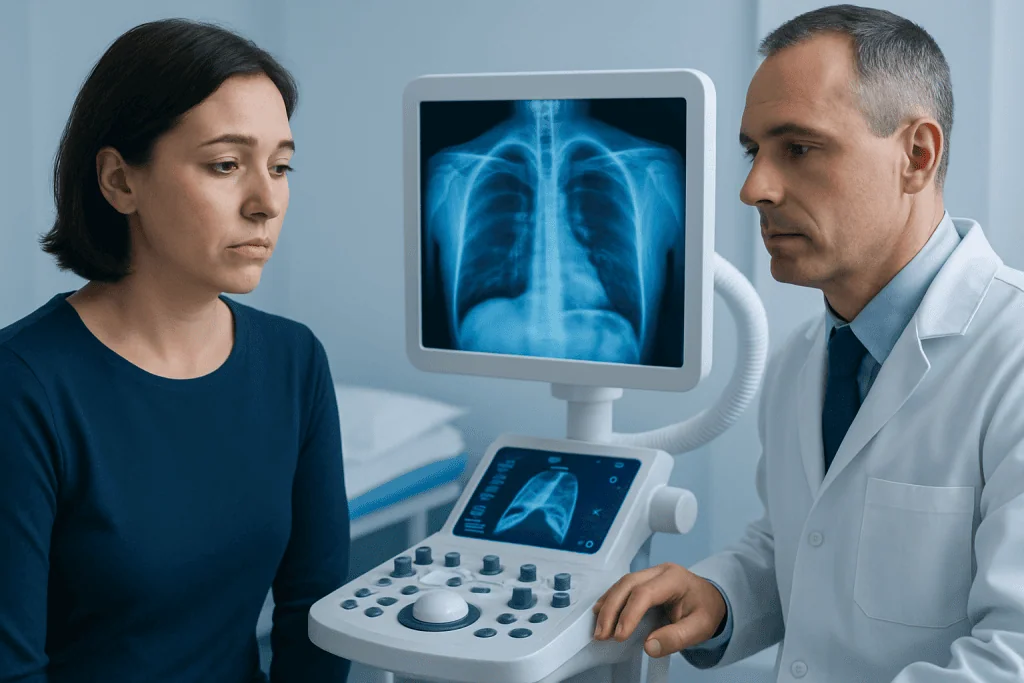
A persistent cough is one of the most common reasons people seek medical advice about lung health. Many coughs are caused by infections, allergies, asthma, reflux, or chronic bronchitis, and most do not mean cancer. However, a cough that lasts several weeks, becomes different from a person’s usual cough, or continues to worsen should be checked, especially in people who smoke or used to smoke.
Lung cancer symptoms can vary depending on the tumor’s location and whether it has spread. Some symptoms come from irritation or blockage in the airways, while others reflect effects on the chest wall, nerves, or general health. Possible symptoms include:
- A cough that does not go away or changes in character
- Coughing up blood or rust-colored phlegm
- Shortness of breath, wheezing, or repeated chest infections
- Chest, shoulder, or back pain that is persistent or unexplained
- Hoarseness or a new change in voice
- Unexplained weight loss, loss of appetite, or unusual fatigue
These symptoms can have many causes, some of them minor and others requiring prompt treatment. The safest approach is not to self-diagnose. A doctor can review risk factors, perform an examination, and decide whether chest imaging or specialist assessment is needed.
Causes and Risk Factors
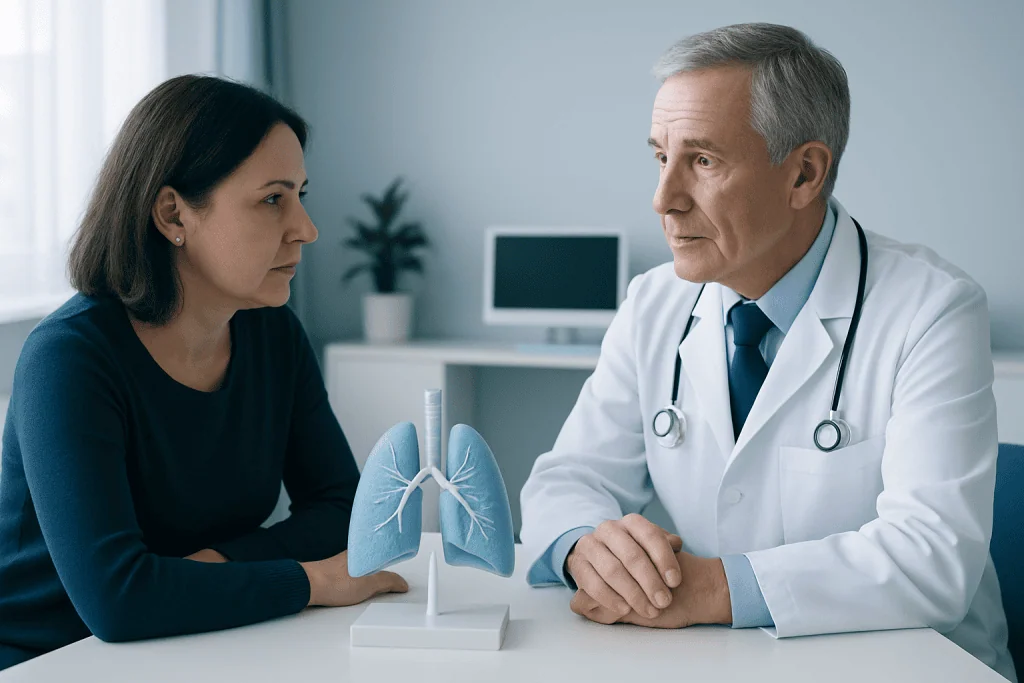
The strongest known risk factor for lung cancer is tobacco smoking, including cigarettes and other smoked tobacco products. Risk increases with the amount and duration of smoking, but lung cancer can also occur in people who have never smoked. Former smokers remain at increased risk compared with people who never smoked, although quitting reduces risk over time and brings many other health benefits.
Other factors can also contribute. Exposure to secondhand smoke, radon gas, asbestos, diesel exhaust, air pollution, and certain workplace chemicals may increase risk. A history of radiation therapy to the chest, chronic lung disease such as chronic obstructive pulmonary disease, and a family history of lung cancer can also be relevant. Risk is usually shaped by a combination of exposures, genetics, and age.
Understanding risk factors is useful because it can guide prevention and screening decisions. People with occupational exposures should follow workplace safety measures and inform their doctor about past exposures. Those with a smoking history can benefit from a structured smoking cessation plan and, if eligible, a discussion about low-dose CT screening.
CT Screening and Early Detection
Low-dose computed tomography, often called low-dose CT or LDCT, is a screening test that uses a lower amount of radiation than a standard diagnostic CT scan. It can detect small lung nodules before symptoms appear. Screening is intended for people at higher risk, particularly older adults with a significant current or past smoking history, according to national or international guidelines.
Screening is not the same as testing for symptoms. A person with symptoms such as coughing blood, persistent chest pain, or worsening breathlessness needs diagnostic evaluation, which may include a chest X-ray, CT scan, and other tests. Screening, by contrast, is offered to selected people who feel well but have a higher chance of developing lung cancer.
LDCT screening can be beneficial, but it is not suitable for everyone. It may find nodules that are not cancer, leading to follow-up scans or procedures. It can also miss some cancers, and repeated imaging involves some radiation exposure. For this reason, screening decisions should be made with a qualified clinician who can explain eligibility, benefits, limitations, and follow-up plans.
Diagnosis and Staging
If lung cancer is suspected, the first steps usually include a medical history, physical examination, and imaging. A chest X-ray may be used initially, but CT scanning provides more detailed information about the lungs, lymph nodes, and nearby structures. Depending on the findings, further tests may be arranged to understand whether a suspicious area is cancer and, if so, how far it has spread.
A biopsy is usually needed to confirm the diagnosis. Tissue samples may be taken through bronchoscopy, CT-guided needle biopsy, endobronchial ultrasound-guided biopsy, or surgery in selected cases. A pathologist examines the tissue to identify the cancer type. In non-small cell lung cancer, molecular and biomarker testing may look for changes such as EGFR, ALK, ROS1, BRAF, MET, RET, NTRK, KRAS, or PD-L1 status, depending on local standards and the clinical situation.
Staging describes the extent of cancer and helps guide treatment. Tests may include PET-CT, brain MRI, bone imaging, or other scans when appropriate. Early-stage lung cancer is confined to the lung or nearby lymph nodes, while advanced disease has spread more widely. Accurate staging is important because treatment can differ greatly between early, locally advanced, and metastatic lung cancer.
Treatment Options
Lung cancer treatment is personalized. The best plan depends on the cancer type, stage, tumor location, molecular test results, lung function, other medical conditions, and patient preferences. Some people receive one main treatment, while others benefit from a sequence or combination of treatments over time.
For early-stage non-small cell lung cancer, surgery may be considered if the tumor can be removed safely and the person is fit for an operation. Procedures may include removal of a small section of lung, a lobe, or, less commonly, an entire lung. Minimally invasive approaches may be possible in selected cases. Radiation therapy, including stereotactic body radiotherapy, may be used when surgery is not suitable or as part of a broader treatment plan.
For locally advanced or metastatic lung cancer, treatment may include chemotherapy, immunotherapy, targeted therapy, radiation therapy, or combinations. Targeted therapies act on specific genetic changes in cancer cells and are used when the tumor has an actionable mutation. Immunotherapy helps the immune system recognize and attack cancer cells and may be used alone or with chemotherapy, depending on tumor features and clinical factors.
Small cell lung cancer is often treated with chemotherapy and immunotherapy, and radiation therapy may also be used depending on the stage and response. Supportive care is important at every stage. This may include help with breathlessness, pain, nutrition, fatigue, emotional wellbeing, rehabilitation, and management of treatment side effects.
Prevention and Self-Care
Not all lung cancers can be prevented, but several steps can reduce risk and support lung health. The most important is avoiding tobacco smoke. People who smoke should know that quitting is beneficial at any age, and support such as counseling, nicotine replacement, and prescription medications can improve the chance of success when guided by a healthcare professional.
Reducing exposure to harmful substances is also important. Homes in some regions may need radon testing. Workplace safety measures should be followed when exposure to asbestos, silica, diesel fumes, or other inhaled hazards is possible. People with chronic lung disease should follow their treatment plan, receive recommended vaccinations, and seek care promptly for infections or worsening symptoms.
During and after lung cancer treatment, self-care should be practical and individualized. Gentle physical activity, good nutrition, adequate rest, and breathing exercises may help some patients maintain strength and function. Patients should tell their care team about side effects early, because symptoms such as nausea, fatigue, skin changes, appetite loss, anxiety, or breathlessness can often be managed more effectively when addressed promptly.
When to See a Doctor
A medical evaluation is recommended for any cough that persists for several weeks, especially if it is new, worsening, or different from a person’s usual cough. People should also seek medical advice for coughing blood, unexplained chest pain, shortness of breath, repeated chest infections, hoarseness, unexplained weight loss, or persistent fatigue. These symptoms do not automatically mean lung cancer, but they deserve careful assessment.
People with a significant smoking history, including former smokers, should ask their doctor whether low-dose CT screening is appropriate for them. Eligibility depends on age, smoking history, general health, and local guideline recommendations. Screening works best when it is part of an organized program with clear follow-up for any findings.
For international patients seeking evaluation or treatment, Acibadem International provides access to multidisciplinary specialists and JCI-accredited hospitals for the diagnosis and management of lung cancer. Any treatment decision should be made after a full medical review, discussion of options, and consideration of the patient’s goals and overall health.
Frequently asked questions
Does a persistent cough always mean lung cancer?
No. Most persistent coughs are caused by conditions such as infection, asthma, allergies, reflux, or chronic bronchitis. However, a cough lasting several weeks, changing over time, or occurring with blood, chest pain, breathlessness, or weight loss should be assessed by a doctor.
Who should have low-dose CT screening for lung cancer?
Low-dose CT screening is generally considered for people at higher risk, especially those within certain age ranges who have a significant current or past smoking history. Exact eligibility criteria vary by country and guideline. A clinician can help weigh the benefits and limitations based on personal risk.
Can lung cancer happen in people who never smoked?
Yes. Smoking is the main risk factor, but lung cancer can occur in people who have never smoked. Other factors may include radon exposure, secondhand smoke, air pollution, occupational exposures, genetic susceptibility, and some previous lung or chest conditions.
How is lung cancer confirmed?
Imaging tests can show a suspicious mass or nodule, but a biopsy is usually needed to confirm lung cancer. The tissue sample is examined by a pathologist to identify the cancer type. Additional molecular or biomarker tests may guide treatment choices, especially in non-small cell lung cancer.
Is lung cancer treatable?
Yes, lung cancer is treatable, and treatment options have improved. Early-stage cancers may be treated with surgery or focused radiation, while more advanced cancers may be managed with chemotherapy, immunotherapy, targeted therapy, radiation, or combinations. The most appropriate plan depends on the cancer type, stage, and the patient’s overall health.
What can patients do to support treatment and recovery?
Patients can support their care by stopping smoking, attending appointments, reporting side effects early, staying as active as medically appropriate, and maintaining nutrition. Emotional support and pulmonary rehabilitation may also be helpful for some people. All lifestyle changes should be discussed with the healthcare team.
References
- World Health Organization
- National Cancer Institute
- American Cancer Society
- European Society for Medical Oncology
- National Comprehensive Cancer Network
This article is for general information only and is not a substitute for professional medical advice. Please consult a qualified doctor about your individual situation.
Lung Cancer in Turkey — costs, top hospitals & a free quote
JCI-accredited · board-certified surgeons · reply within 24h
Add us as a Preferred Source to see more of our trusted health content across Google Search, AI Overviews and Discover.

Medical Oncology Department
Medical treatment of cancer with chemotherapy, immunotherapy and targeted therapies under a multidisciplinary tumor board.
60 specialists in this unit