Lung Cancer Screening: Who Should Consider It?

Lung cancer screening is generally recommended for selected adults with a significant smoking history, not for everyone. Low-dose CT is the standard screening test because it can detect small lung nodules that may not cause symptoms.
Key Takeaways
- Lung cancer screening is generally recommended for selected adults with a significant smoking history, not for everyone.
- Low-dose CT is the standard screening test because it can detect small lung nodules that may not cause symptoms.
- Eligibility often depends on age, pack-year smoking history, current smoking status, and how long ago a person quit.
- Screening has benefits but can also lead to false alarms, follow-up tests, incidental findings, and small radiation exposure.
- People considering screening should discuss their overall health, willingness to have treatment, and smoking cessation support with a doctor.
Lung cancer screening is designed to find lung cancer early in people who have a higher risk, especially because of a significant smoking history. The recommended test is usually a low-dose CT scan, and the decision to screen should be made with a qualified doctor after reviewing benefits, risks, and personal health factors.
Overview
Lung cancer screening means checking for signs of lung cancer before symptoms appear. It is different from testing someone who already has symptoms such as a persistent cough, coughing up blood, unexplained weight loss, or chest pain. Screening is intended for people who feel well but have a higher risk of developing lung cancer.
The main screening test is a low-dose computed tomography scan, often called low-dose CT or LDCT. This scan uses a lower amount of radiation than a standard diagnostic CT scan and creates detailed images of the lungs. It can detect small nodules or changes that may need monitoring or further evaluation.
Screening is most helpful when it is offered to the right group of people and repeated at recommended intervals. It is not a one-time decision; it is usually part of an annual screening plan while a person remains eligible and healthy enough to benefit from early detection and treatment.
Who Should Consider Lung Cancer Screening?
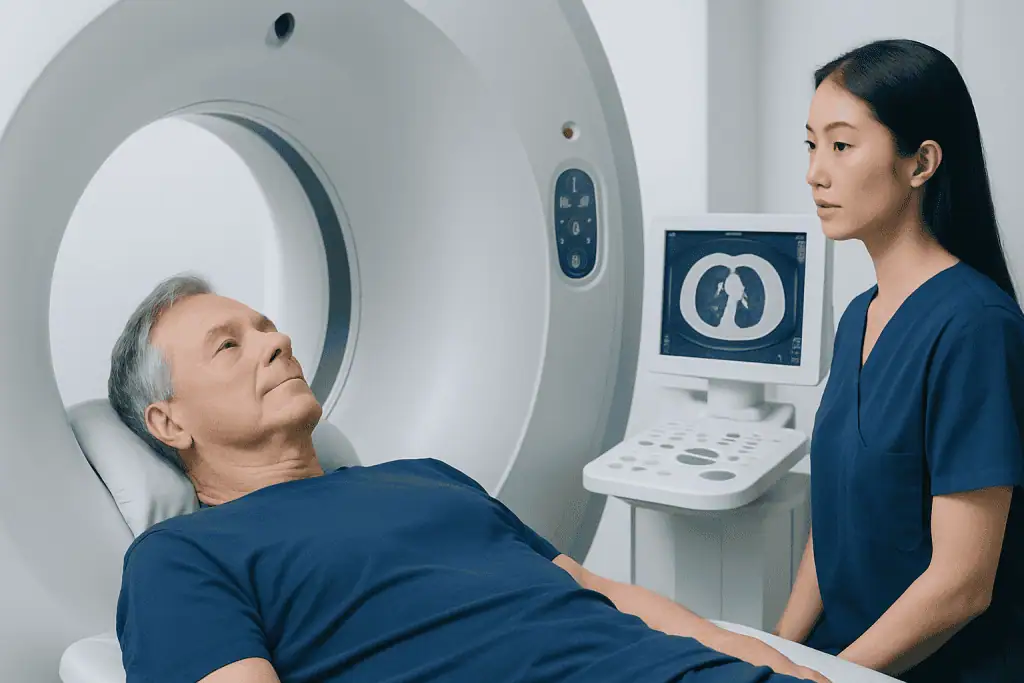
Many international guidelines recommend considering annual low-dose CT screening for adults at high risk because of smoking history. A commonly used approach includes people aged 50 to 80 years who have at least a 20 pack-year smoking history and who currently smoke or quit within the past 15 years. A pack-year is calculated by multiplying the number of packs smoked per day by the number of years a person smoked.
For example, one pack per day for 20 years equals 20 pack-years. Two packs per day for 10 years also equals 20 pack-years. Doctors may ask detailed questions about past and current tobacco use because this information helps determine whether screening is appropriate.
Screening may not be recommended if a person has quit smoking more than 15 years ago, has serious health conditions that would make lung surgery or cancer treatment unsafe, or would not choose treatment if cancer were found. Recommendations can vary by country and by individual circumstances, so a shared discussion with a clinician is important.
Why Screening Matters
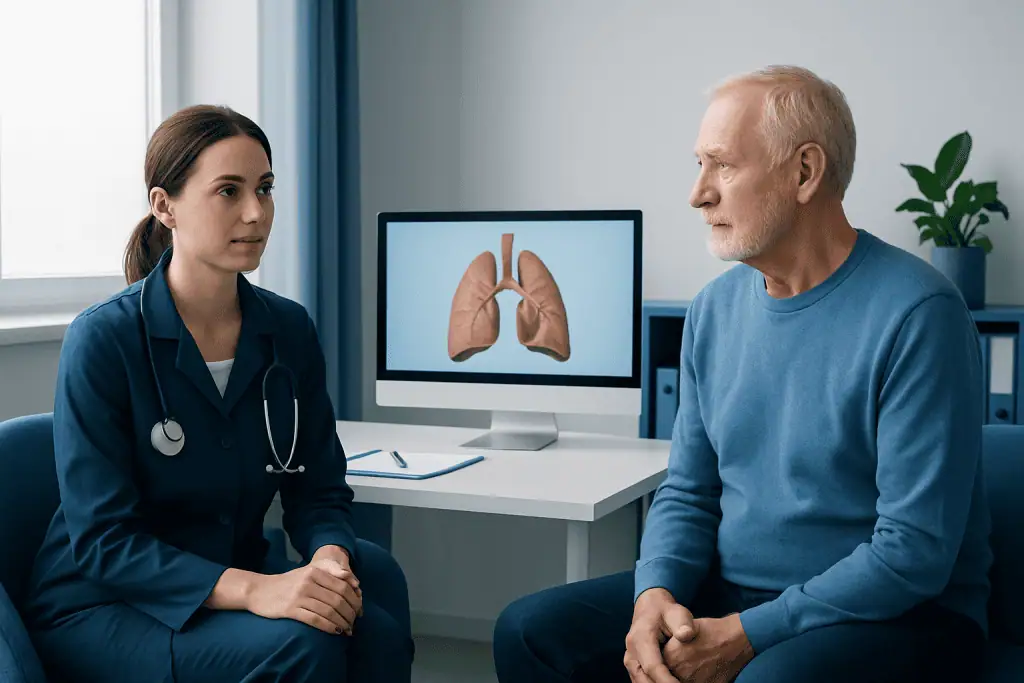
Lung cancer may not cause noticeable symptoms in its early stages. By the time symptoms appear, the disease may be more advanced and more difficult to treat. Screening aims to find lung cancer at an earlier stage, when more treatment options may be available.
Low-dose CT can identify small lung abnormalities that are not visible on a regular chest X-ray. This is why chest X-ray is not recommended as the main screening tool for lung cancer. LDCT has become the preferred method in eligible higher-risk adults because it provides more detailed lung images.
It is also important to understand that screening does not prevent lung cancer. It is a tool for early detection. For people who smoke, stopping smoking remains the most important step to lower future lung cancer risk and improve overall health, even after many years of tobacco use.
Benefits and Possible Risks
The main potential benefit of lung cancer screening is detecting cancer earlier, before it causes symptoms. Early detection may allow treatment with surgery, radiation therapy, targeted therapy, immunotherapy, chemotherapy, or a combination, depending on the type and stage of cancer and the person’s overall health.
Screening also has possible downsides. LDCT may find lung nodules that are not cancer. These findings can lead to repeat scans, additional tests, or sometimes invasive procedures such as biopsy. Waiting for results or follow-up imaging can also cause stress, even when the final result is reassuring.
Other considerations include incidental findings outside the lungs, overdiagnosis of cancers that may never have caused harm, and exposure to a small amount of radiation with each scan. These risks do not mean screening should be avoided when recommended, but they are part of the reason screening should be targeted to people most likely to benefit.
What to Expect During a Low-Dose CT Scan
A low-dose CT scan is usually quick, painless, and does not require a hospital stay. In many cases, no contrast dye is needed for routine lung cancer screening. The person lies on a table that moves through the CT scanner while a series of images is taken.
The scan itself often takes only a few minutes, although the full appointment may take longer for registration and preparation. The person may be asked to hold their breath briefly so the images are clear. There is no recovery time, and most people return to normal activities immediately afterward.
After the scan, a radiologist reviews the images and reports any nodules or other findings. Results may be categorized based on how likely the findings are to be benign or concerning. Depending on the result, the doctor may recommend annual screening, an earlier repeat scan, additional imaging, referral to a specialist, or tissue sampling.
Shared Decision-Making and Preparation
Before starting lung cancer screening, patients should have a shared decision-making visit with a doctor or trained healthcare professional. This conversation reviews whether the person meets screening criteria, the potential benefits and harms, and whether they are healthy enough and willing to undergo further evaluation or treatment if needed.
It is helpful to prepare a complete smoking history, including the age smoking started, average number of packs per day, years smoked, quit date if applicable, and any use of cigars, pipes, or other tobacco products. Patients should also mention previous cancers, lung diseases, occupational exposures, family history, and prior chest imaging.
People who currently smoke should be offered support to stop smoking. This may include counseling, behavioral strategies, nicotine replacement therapy, or prescription medications when appropriate. Screening and smoking cessation work best together: screening looks for early disease, while quitting reduces future risk.
Prevention and Self-Care
The most effective way to reduce lung cancer risk is to avoid tobacco smoke. People who smoke can benefit from quitting at any age, and repeated attempts are common before long-term success. Support from healthcare professionals, family, and structured cessation programs can make quitting more achievable.
Other steps may also help protect lung health. These include avoiding secondhand smoke, following workplace safety guidance for dusts or chemicals, testing homes for radon where this is relevant, staying physically active as tolerated, and keeping routine medical appointments. People with chronic lung disease should follow their treatment plans and vaccinations as recommended by their doctor.
Screening should be viewed as part of a broader prevention and health plan, not as a replacement for healthy choices or medical care. A person who has a normal LDCT result should continue annual screening if still eligible and should report any new or persistent symptoms promptly.
When to See a Doctor
A person should speak with a doctor if they are between 50 and 80 years old and have a significant smoking history, especially if they currently smoke or quit within the past 15 years. The doctor can confirm eligibility and discuss whether LDCT screening is suitable based on overall health and preferences.
Medical evaluation is also important for symptoms such as a cough that does not improve, coughing up blood, unexplained shortness of breath, chest discomfort, hoarseness, repeated chest infections, or unexplained weight loss. These symptoms do not always mean cancer, but they should not be ignored.
Acibadem International’s multidisciplinary specialists and JCI-accredited hospitals diagnose and treat lung conditions, including lung cancer, for international patients. Anyone considering screening or needing evaluation should consult a qualified doctor to choose the safest and most appropriate next step.
Frequently asked questions
Is lung cancer screening recommended for everyone?
No. Lung cancer screening is usually recommended only for people at higher risk, mainly because of age and smoking history. Screening people at low risk may create more harm than benefit through false alarms and unnecessary tests.
What is the best test for lung cancer screening?
The recommended screening test is a low-dose CT scan of the chest. A standard chest X-ray is not considered effective enough for lung cancer screening in high-risk adults.
What does a 20 pack-year smoking history mean?
Pack-years combine how much and how long a person smoked. One pack per day for 20 years equals 20 pack-years, and two packs per day for 10 years also equals 20 pack-years.
If a lung nodule is found, does it mean cancer?
Not always. Many lung nodules are benign and may be related to past infections, inflammation, or scarring. The doctor may recommend follow-up imaging or additional tests depending on the size, appearance, and growth of the nodule.
How often is lung cancer screening done?
For eligible people, screening is commonly performed once a year with low-dose CT. It may be stopped if the person no longer meets criteria, has quit smoking for a long enough period, develops serious health problems, or would not undergo treatment if cancer were found.
Can people who never smoked get lung cancer screening?
Routine screening is generally not recommended for people who never smoked because their overall risk is usually lower. However, anyone with symptoms or specific concerns, such as strong family history or exposure risks, should discuss them with a doctor.
Does quitting smoking still matter after starting screening?
Yes. Quitting smoking is still the most important action to reduce future lung cancer risk and improve heart, lung, and overall health. Screening can help detect early disease, but it does not prevent cancer from developing.
References
- World Health Organization
- U.S. Preventive Services Task Force
- National Cancer Institute
- American Cancer Society
- European Society for Medical Oncology
This article is for general information only and is not a substitute for professional medical advice. Please consult a qualified doctor about your individual situation.
Lung Cancer in Turkey — costs, top hospitals & a free quote
JCI-accredited · board-certified surgeons · reply within 24h
Add us as a Preferred Source to see more of our trusted health content across Google Search, AI Overviews and Discover.

Medical Oncology Department
Medical treatment of cancer with chemotherapy, immunotherapy and targeted therapies under a multidisciplinary tumor board.
60 specialists in this unit