Lung Illnesses — Explained by Medical Evidence, Not Myths

Lung illnesses include infections, chronic airway diseases, scarring disorders, and cancers affecting the lungs. Common symptoms include cough, shortness of breath, wheezing, chest discomfort, and reduced exercise tolerance.
Key Takeaways
- Lung illnesses include infections, chronic airway diseases, scarring disorders, and cancers affecting the lungs.
- Common symptoms include cough, shortness of breath, wheezing, chest discomfort, and reduced exercise tolerance.
- Smoking is a major risk factor, but infections, pollution, allergens, workplace exposures, and genetics can also play a role.
- Diagnosis often combines medical history, physical examination, breathing tests, imaging, and sometimes laboratory tests.
- Treatment depends on the cause and may include medicines, oxygen support, pulmonary rehabilitation, or procedures.
- Persistent breathing symptoms or sudden severe breathlessness should be assessed by a qualified doctor.
Lung illnesses are a broad group of conditions that affect the airways, lung tissue, or blood vessels in the lungs, making breathing less efficient or more uncomfortable. Some are short-term and treatable, while others are chronic and need ongoing medical care, so clear diagnosis matters more than myths or assumptions.
Overview: what lung illnesses are
Lung illnesses are medical conditions that interfere with the way the lungs and airways work. They can affect the bronchial tubes that carry air, the tiny air sacs where oxygen enters the blood, or the tissues and blood vessels that support breathing. Because the lungs are essential for oxygen delivery, even mild disease can affect energy levels, sleep, exercise, and overall well-being.
This is not one single disease but a large category. It includes common infections such as pneumonia, long-term airway diseases such as asthma and chronic obstructive pulmonary disease, interstitial lung diseases that cause inflammation or scarring, sleep-related breathing problems, and cancers that begin in the lungs. A person may also have more than one lung condition at the same time, which can make symptoms harder to interpret.
Many people assume all breathing symptoms are caused by a cold, smoking, or aging, but that is not always true. Medical evidence shows that similar symptoms can come from very different conditions, so careful evaluation is important. Early recognition often improves symptom control and helps prevent complications.
Common types of lung illnesses
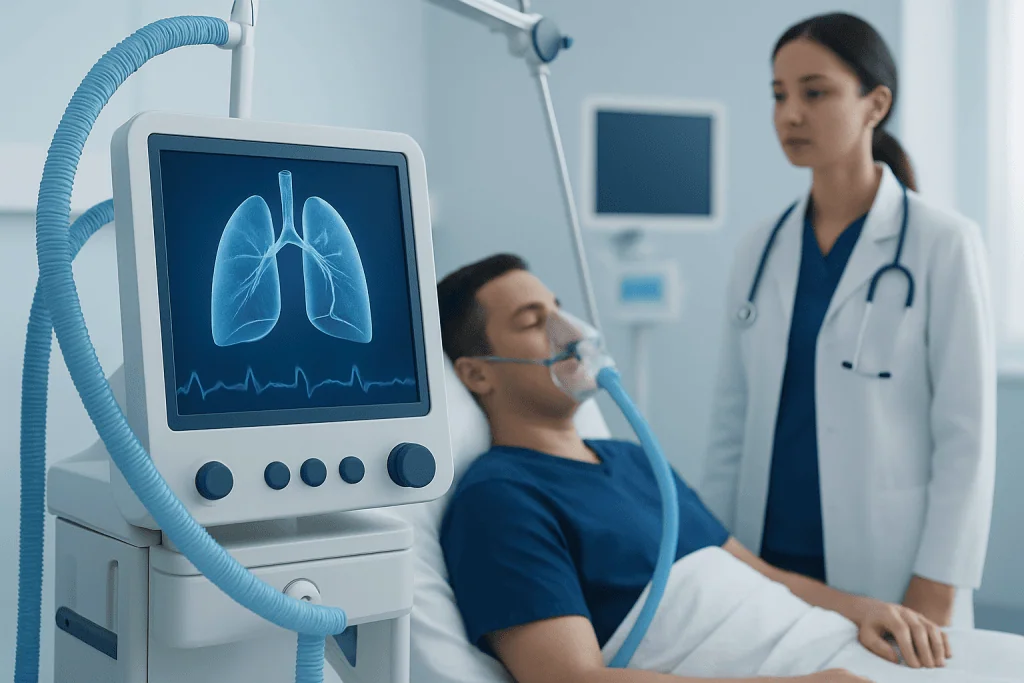
Lung illnesses are often grouped by the part of the respiratory system they affect. Obstructive diseases narrow the airways and make it hard to exhale fully. Examples include asthma and COPD. Restrictive diseases reduce the lungs’ ability to expand, which can happen with interstitial lung disease or chest wall problems. Infectious diseases such as bronchitis, tuberculosis, and pneumonia involve germs that inflame the lungs or airways.
Some conditions mainly affect the lung tissue itself. Pulmonary fibrosis, for example, causes scarring that makes oxygen transfer less efficient. Other disorders involve the blood vessels of the lungs, such as pulmonary hypertension or blood clots traveling to the lungs. Lung cancer is another important category, especially when symptoms are persistent or imaging shows a suspicious mass.
There are also acute illnesses that develop over days and chronic illnesses that evolve over months or years. This distinction matters because sudden infections or blood clots may need urgent treatment, while chronic diseases usually need long-term monitoring, medication adjustment, and lifestyle support.
- Airway diseases: asthma, COPD, bronchiectasis
- Infections: pneumonia, bronchitis, tuberculosis
- Lung tissue diseases: interstitial lung disease, pulmonary fibrosis
- Vascular conditions: pulmonary embolism, pulmonary hypertension
- Malignancy: lung cancer and related tumors
Symptoms and how they may present

The most common symptom of lung illness is shortness of breath, especially during activity, but symptoms vary by cause and severity. Some people notice a long-lasting cough, wheezing, chest tightness, chest pain when breathing deeply, or frequent chest infections. Others mainly feel fatigue, reduced stamina, or trouble sleeping flat because breathing feels uncomfortable.
Cough can be dry or bring up mucus. Blood in sputum is less common but always important to report. Infections may also cause fever, chills, and body aches, while chronic inflammatory conditions may develop more slowly with weight loss, reduced appetite, or gradual decline in exercise tolerance. Some patients describe only a subtle change, such as becoming winded on stairs that used to be easy.
Symptoms do not always reflect severity. A person may have significant disease with only mild discomfort, while another may feel very limited by a condition that is still treatable and controllable. Because symptoms overlap with heart disease, anxiety, anemia, and reflux, medical assessment helps identify the actual cause rather than relying on guesswork.
Causes and risk factors
Smoking remains one of the strongest known risk factors for many lung illnesses, including COPD, chronic bronchitis, emphysema, and lung cancer. However, not all lung disease is smoking-related. Viral, bacterial, or fungal infections can affect anyone, and some chronic conditions develop in people who have never smoked.
Air pollution, secondhand smoke, household biomass fuel exposure, and workplace hazards such as silica, asbestos, metal dust, or chemical fumes can damage the lungs over time. Allergens may trigger asthma symptoms, while autoimmune diseases can cause inflammation and scarring in lung tissue. Family history also matters for some conditions, including genetic causes of emphysema and certain rare lung disorders.
Age, poor immune function, and chronic diseases such as diabetes or heart disease may increase the risk of infection or worsen recovery. Repeated aspiration from swallowing problems, severe reflux, or neurological disease can also lead to recurrent lung inflammation. Because risk factors often overlap, a doctor usually considers lifestyle, environment, medical history, and family history together.
How lung illnesses are diagnosed
Diagnosis begins with a detailed history and physical examination. A clinician will ask about symptom pattern, smoking history, workplace exposure, allergies, infections, medications, travel, and family history. Listening to the chest can provide clues, but it cannot by itself confirm the exact disease.
Tests are chosen according to the suspected cause. Chest X-ray and computed tomography can show infection, fluid, masses, overinflation, or scarring. Pulmonary function tests measure how much air the lungs can hold and how quickly air moves through the airways; these are especially useful for diseases such as asthma and COPD. Blood tests may look for infection, inflammation, oxygen levels, or autoimmune disease.
Some patients need additional evaluation such as sputum testing, bronchoscopy, sleep studies, or biopsy. If cancer is suspected, more specialized imaging and tissue sampling may be required. In centers with advanced respiratory care, imaging and endoscopic evaluation can help guide bronchoscopy and further assessment in a more precise way.
Treatment options and long-term management
Treatment depends entirely on the underlying diagnosis. Infections may require antiviral, antibiotic, or antifungal treatment when appropriate. Asthma and COPD are commonly managed with inhaled medicines that reduce inflammation or open the airways. Oxygen therapy may be helpful when blood oxygen levels are low, and pulmonary rehabilitation can improve endurance, breathing efficiency, and confidence with activity.
More advanced or complex cases may need procedures or specialist-led care. For example, a suspicious growth may require biopsy, surgery, or oncology review, while severe airway or tissue disease may need interventional treatment. Depending on the condition, care may involve thoracic surgery or structured support from a pulmonary rehabilitation program.
Long-term management usually includes regular follow-up, vaccination review, trigger avoidance, and monitoring for flare-ups. Treatment goals are often practical and patient-centered: easier breathing, better exercise tolerance, fewer hospital visits, and preservation of lung function. Near the end of the care pathway, some international patients may also seek multidisciplinary evaluation; Acibadem International’s JCI-accredited hospitals and respiratory specialists diagnose and treat a wide range of lung conditions.
Prevention, self-care, and protecting lung health
Not every lung illness can be prevented, but many risks can be reduced. Avoiding smoking and secondhand smoke is one of the most important steps. Vaccination against influenza and pneumococcal disease may lower the chance of certain respiratory infections, especially in older adults or people with chronic conditions. Reducing exposure to dust, fumes, and polluted air also supports lung health.
For people already living with lung disease, self-care focuses on symptom control and early response to change. Taking prescribed medications correctly, using inhalers with proper technique, staying physically active within safe limits, and attending follow-up visits can make treatment more effective. Good hydration, enough sleep, and attention to nutrition may also support recovery and daily function.
Home pulse oximeters and symptom diaries may help some patients track changes, but they do not replace medical review. Breathing exercises, energy-conservation strategies, and guided rehabilitation may ease daily limitations. It is safest to discuss any new supplements, over-the-counter remedies, or abrupt medication changes with a qualified doctor first.
When to seek medical care
A doctor should evaluate breathing symptoms that persist, return often, or interfere with daily life. Ongoing cough, repeated chest infections, wheezing, chest discomfort, or shortness of breath with ordinary activity can all justify medical review, especially in someone with a smoking history or known lung disease. Early assessment helps identify whether the cause is infection, inflammation, obstruction, or another condition entirely.
Urgent medical care is important for severe shortness of breath, bluish lips or fingertips, confusion, high fever with breathing difficulty, coughing up blood, or sudden chest pain. These symptoms can have several causes, some of which need immediate treatment. People with chronic respiratory conditions should also seek prompt advice if their usual medicines stop working or symptoms worsen quickly.
Anyone who has an abnormal chest scan, unexplained weight loss, or a cough lasting several weeks should arrange a professional evaluation. Timely diagnosis can open the door to more effective care, whether the issue is a treatable infection, an inflammatory disease, or a condition that needs specialist respiratory, thoracic, or oncology input.
Frequently asked questions
What are lung illnesses?
Lung illnesses are conditions that affect the airways, lung tissue, or blood vessels in the lungs. They can be short-term, such as pneumonia, or chronic, such as asthma, COPD, or pulmonary fibrosis.
What symptoms are most common in lung illnesses?
Common symptoms include cough, shortness of breath, wheezing, chest tightness, and reduced exercise tolerance. Some people also develop fever, fatigue, mucus production, or chest pain, depending on the cause.
Are all lung illnesses caused by smoking?
No. Smoking is a major risk factor for several serious lung diseases, but infections, air pollution, allergens, occupational exposures, autoimmune disorders, and genetics can also lead to lung illness. Many people with lung disease have never smoked.
How do doctors test for lung disease?
Doctors usually start with a medical history, physical examination, and basic tests such as chest imaging and pulmonary function tests. Depending on the suspected problem, they may also order blood tests, sputum tests, bronchoscopy, or other specialized studies.
Can lung illnesses be treated successfully?
Many can be treated effectively, and even chronic conditions can often be managed well. The best results usually come from identifying the exact diagnosis early, following a treatment plan, avoiding triggers, and attending regular follow-up visits.
When should someone worry about shortness of breath?
Shortness of breath should be assessed if it is new, worsening, persistent, or limiting normal activities. Immediate care is needed if breathing difficulty is severe, starts suddenly, or comes with chest pain, confusion, bluish skin, or coughing up blood.
This article is for general information only and is not a substitute for professional medical advice. Please consult a qualified doctor about your individual situation.
Explore treatments in Turkey — costs, top hospitals & a free quote
JCI-accredited · board-certified surgeons · reply within 24h
Add us as a Preferred Source to see more of our trusted health content across Google Search, AI Overviews and Discover.

More from the Health Library

Koilonychia — Explained by Medical Evidence, Not Myths

Pilocarpine Drugs — Explained by Medical Evidence, Not Myths

Psychotic Episode: What Patients Need to Know

N.peroneus: What Patients Need to Know

Presyncope: A Complete Medical Overview