Lung Inflammation: An Evidence-Based Guide for Patients

Lung inflammation is a sign of many different conditions, not a single disease. Common symptoms include cough, chest discomfort, wheezing, fatigue, and breathlessness.
Key Takeaways
- Lung inflammation is a sign of many different conditions, not a single disease.
- Common symptoms include cough, chest discomfort, wheezing, fatigue, and breathlessness.
- Doctors diagnose the cause using a medical history, physical exam, imaging, and sometimes breathing tests or lab tests.
- Treatment may include rest, inhaled medicines, antibiotics when bacterial infection is present, or care for an underlying condition.
- Urgent medical care is important for severe shortness of breath, bluish lips, chest pain, or confusion.
Lung inflammation means the lung tissue or airways have become irritated and swollen, often due to infection, asthma, allergies, irritants, or autoimmune disease. Symptoms range from cough and chest tightness to shortness of breath, and treatment depends on the underlying cause rather than inflammation alone.
Overview: what lung inflammation means
Lung inflammation is swelling and irritation in the lungs or the airways that carry air in and out. It is not one single diagnosis. Instead, it is a body response that can happen with infections, asthma, exposure to smoke or chemicals, allergic reactions, or immune-related diseases.
People often use the phrase “inflamed lungs” to describe symptoms such as cough, chest tightness, wheezing, mucus, or shortness of breath. In some cases, the inflammation mainly affects the bronchial tubes. In others, it affects the tiny air sacs deep in the lungs where oxygen enters the blood.
This distinction matters because treatment depends on the cause and the exact part of the lung that is affected. For example, inflammation linked to asthma is managed differently from inflammation caused by pneumonia or by long-term exposure to environmental irritants.
Symptoms of lung inflammation
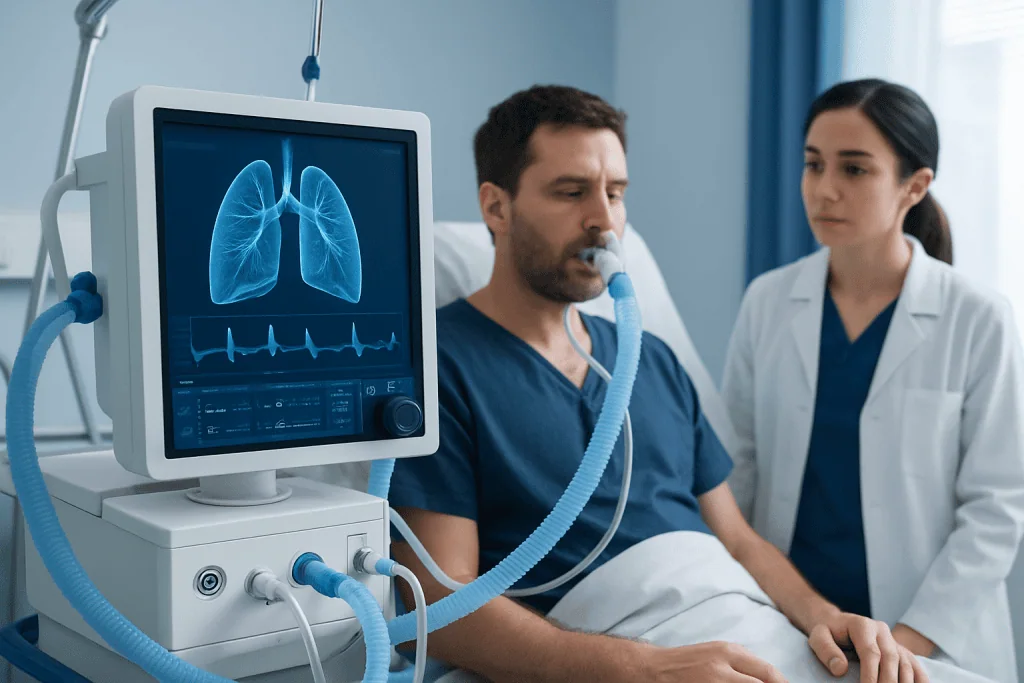
Lung inflammation can feel different from person to person. Some people notice a mild, lingering cough or chest irritation. Others develop more obvious breathing symptoms, especially if the airways narrow or the lung tissue becomes less able to exchange oxygen.
Common symptoms can include:
- Cough, with or without mucus
- Shortness of breath or feeling winded more easily
- Wheezing
- Chest tightness or discomfort
- Pain when taking a deep breath
- Fatigue or reduced exercise tolerance
- Fever or chills when infection is present
The timing of symptoms may offer clues. A sudden onset may suggest infection, allergy, or an inhaled irritant. Symptoms that come and go may point to asthma or allergy-related airway inflammation, while persistent or progressive symptoms may need evaluation for chronic lung disease or another underlying problem.
Causes and risk factors

There are many possible causes of lung inflammation. Viral respiratory infections are a frequent reason, but bacteria, fungi, or less commonly parasites can also inflame the lungs. Airway diseases such as asthma and chronic bronchitis may lead to repeated inflammation over time.
Other causes include cigarette smoke, vaping products, air pollution, occupational dusts, chemical fumes, mold, and severe allergic reactions. Some people develop lung inflammation as part of autoimmune or inflammatory disorders, or as a side effect of certain medications, radiation therapy, or cancer treatments.
Risk factors depend on the cause, but often include smoking, secondhand smoke exposure, chronic lung disease, weakened immunity, advanced age, very young age, and repeated exposure to workplace or environmental irritants. Gastroesophageal reflux, swallowing problems, and reduced mobility can also increase the risk of aspiration, where food or fluid enters the lungs and triggers inflammation.
In some situations, persistent inflammation may overlap with conditions such as chronic obstructive pulmonary disease (COPD), especially in people with a history of smoking or long-term exposure to polluted air. A careful medical assessment helps determine whether the inflammation is temporary or part of a chronic disease process.
How doctors diagnose the cause
Diagnosis starts with understanding the full picture. A doctor will ask about symptoms, when they began, smoking or vaping history, occupational exposures, recent infections, travel, allergies, medical conditions, and current medications. Listening to the lungs with a stethoscope can reveal wheezing, crackles, or reduced airflow.
Tests are chosen based on the likely cause. A chest X-ray may help identify infection, fluid, or structural changes. Blood tests can show signs of infection or inflammation, while pulse oximetry checks oxygen levels. If asthma or chronic airway disease is suspected, lung function testing may be useful, including spirometry to measure how well air moves through the lungs.
Some patients need more detailed imaging or specialist evaluation. Chest imaging may be followed by CT scanning when doctors need a clearer view of the lung tissue. In selected cases, bronchoscopy, sputum testing, allergy testing, or immune workup may be considered to confirm the diagnosis and guide treatment.
Treatment options for lung inflammation
Treatment focuses on the underlying cause, the severity of symptoms, and how much breathing is affected. Mild inflammation from a viral infection may improve with rest, fluids, symptom relief, and time. Bacterial infection may require antibiotics, while asthma-related inflammation is often treated with inhaled medications that relax the airways and reduce swelling.
People with significant wheezing or airway narrowing may benefit from bronchodilator therapy, and some may need inhaled or short-term oral corticosteroids when prescribed by a doctor. If low oxygen levels are present, oxygen support may be needed in a clinic or hospital setting. When doctors need to evaluate deeper airway problems or remove samples, bronchoscopy may be part of the care plan.
If irritants are contributing, avoiding the trigger is an important part of treatment. This may mean stopping smoking, improving air quality at home, wearing protective equipment at work, or reviewing medications with a clinician. For chronic conditions, long-term follow-up helps reduce flare-ups and protect lung function.
Treatment can also include pulmonary rehabilitation, breathing exercises, vaccinations, and management of related conditions such as reflux or heart disease. Near the end of a patient’s evaluation pathway, multidisciplinary specialists at Acibadem International and its JCI-accredited hospitals may help diagnose and treat complex causes of lung inflammation for international patients.
Self-care, prevention, and recovery
Many cases of lung inflammation improve more smoothly when the lungs are given time to recover. Rest, hydration, and avoiding smoke or strong fumes can help reduce irritation. If a doctor has prescribed inhalers or other medicines, using them exactly as directed is important, even if symptoms begin to improve.
Simple preventive steps can lower the risk of future episodes:
- Avoid smoking and secondhand smoke
- Limit exposure to dust, chemical fumes, and polluted air
- Keep vaccinations up to date, including influenza and other recommended vaccines
- Wash hands regularly and avoid close contact with people who are unwell
- Manage asthma, allergies, reflux, and chronic lung conditions consistently
- Use workplace respiratory protection when recommended
Recovery time varies. Mild viral inflammation may settle within days to weeks, while more serious infections or chronic inflammatory conditions can take longer. Lingering cough and fatigue are common after respiratory illness, but symptoms should gradually improve rather than steadily worsen.
When to seek medical care
Medical advice is appropriate if cough, breathlessness, wheezing, fever, or chest discomfort lasts more than a few days, keeps returning, or interferes with normal activity. Evaluation is also important for people with asthma, COPD, heart disease, cancer, weak immunity, or any history of significant lung problems.
Urgent care is needed for severe shortness of breath, rapidly worsening breathing, chest pain, bluish lips or fingertips, confusion, high fever with weakness, or coughing up blood. These symptoms do not always mean a dangerous condition, but they deserve prompt medical attention to protect breathing and oxygen levels.
If symptoms are mild but unexplained, a doctor can help identify whether the problem is an infection, an airway condition, an exposure-related reaction, or another cause. Early assessment often makes treatment more targeted and can reduce the risk of complications.
Frequently asked questions
Is lung inflammation the same as pneumonia?
No. Lung inflammation is a broad term that describes swelling or irritation in the lungs or airways, while pneumonia is one specific cause, usually due to infection in the lung tissue. A doctor may need imaging and an exam to tell the difference.
Can lung inflammation go away on its own?
Sometimes yes, especially when it is caused by a mild viral infection or brief irritant exposure. However, symptoms that are persistent, severe, or recurrent should be assessed because treatment depends on the cause.
What does inflamed lungs feel like?
People often describe it as cough, chest tightness, wheezing, shortness of breath, or discomfort when breathing deeply. Some also feel unusually tired or notice they cannot exercise as easily as usual.
How is lung inflammation treated?
Treatment depends on the cause. It may include rest and fluids, inhalers, antibiotics for bacterial infection, corticosteroids for certain inflammatory conditions, oxygen support, or treatment of an underlying disease such as asthma.
Can smoking or vaping cause lung inflammation?
Yes. Smoking and vaping can irritate the airways and lung tissue, trigger inflammation, and worsen existing respiratory conditions. Stopping exposure is an important step in treatment and prevention.
When should someone worry about lung inflammation symptoms?
They should seek prompt medical care if breathing becomes difficult, lips look blue, chest pain develops, confusion appears, or blood is coughed up. Even milder symptoms deserve medical advice if they do not improve, keep returning, or occur in someone with chronic lung or heart disease.
References
- American Lung Association
- National Heart, Lung, and Blood Institute
- Centers for Disease Control and Prevention
- World Health Organization
- American Thoracic Society
This article is for general information only and is not a substitute for professional medical advice. Please consult a qualified doctor about your individual situation.
Explore treatments in Turkey — costs, top hospitals & a free quote
JCI-accredited · board-certified surgeons · reply within 24h
Add us as a Preferred Source to see more of our trusted health content across Google Search, AI Overviews and Discover.

More from the Health Library

Exercise Using Kettlebell: A Complete Medical Overview

Blisters at the Back of Tongue — Explained by Medical Evidence, Not Myths

Tartar: A Complete Medical Overview

Plague: An Evidence-Based Guide for Patients

Organic Oatmeal — Explained by Medical Evidence, Not Myths

Uncircumcised: An Evidence-Based Guide for Patients
Pulmonary Medicine Specialists at Acibadem

Prof. Dr. Reha Baran
Pulmonary Medicine
Prof. Dr. Salih Serdar Erturan
Pulmonary Medicine
Sena Ezgi Şahin
Treatment of Respiratory
Prof. Dr. Serhat Çelikel
Pulmonary Medicine