Lung Transplant: Conditions Treated and Recovery Expectations

Lung transplant is usually reserved for severe, progressive lung disease that cannot be adequately managed with medicines, oxygen therapy, or other procedures. Conditions treated may include advanced COPD, pulmonary fibrosis, cystic fibrosis, bronchiectasis, pulmonary hypertension, and selected other end-stage lung diseases.
Key Takeaways
- Lung transplant is usually reserved for severe, progressive lung disease that cannot be adequately managed with medicines, oxygen therapy, or other procedures.
- Conditions treated may include advanced COPD, pulmonary fibrosis, cystic fibrosis, bronchiectasis, pulmonary hypertension, and selected other end-stage lung diseases.
- Candidate evaluation is detailed and considers lung disease severity, heart and kidney function, infection risk, cancer history, nutrition, mobility, mental health, and social support.
- Recovery begins in intensive care and continues for months with pulmonary rehabilitation, monitoring for rejection, and careful adjustment of immunosuppressive medicines.
- Lifelong follow-up is essential because infection, rejection, medication side effects, and chronic lung allograft dysfunction can occur even years after surgery.
A lung transplant may be considered for people with advanced, irreversible lung disease when other treatments no longer provide enough relief or oxygen support. Recovery is a gradual process that includes surgery, rehabilitation, lifelong medicines, infection prevention, and close follow-up with a transplant team.
Overview
A lung transplant is a major operation in which one or both diseased lungs are replaced with healthy donor lungs. It is considered for people with advanced lung disease who have a high risk of serious illness or death despite receiving the best available medical care. The goal is to improve breathing, oxygen levels, daily function, and quality of life when the person is likely to benefit from transplantation and can safely undergo the procedure.
Lung transplantation is not a first-line treatment. Before referral, most patients have already tried medicines, inhalers, oxygen therapy, pulmonary rehabilitation, noninvasive ventilation, or disease-specific therapies. A transplant team carefully weighs the potential benefits against the risks of surgery, rejection, infection, and lifelong immunosuppression. For many patients, the process begins with a referral to a specialized transplant center for a structured evaluation.
There are different types of lung transplant procedures. A single-lung transplant replaces one lung, while a double-lung transplant replaces both lungs. In rare situations, a heart-lung transplant may be considered when both the heart and lungs are severely affected. The choice depends on the underlying disease, age, overall health, donor organ availability, and transplant center expertise.
Conditions Treated by Lung Transplant

Lung transplant may be considered for several end-stage lung diseases when the damage is irreversible and symptoms remain severe despite optimized treatment. The most common reasons include chronic obstructive pulmonary disease, especially advanced emphysema; interstitial lung diseases such as idiopathic pulmonary fibrosis; cystic fibrosis; non-cystic fibrosis bronchiectasis; and pulmonary arterial hypertension. Some patients with sarcoidosis, occupational lung disease, or severe post-infectious lung scarring may also be evaluated.
In chronic obstructive pulmonary disease, transplant may be considered when breathlessness, exacerbations, high carbon dioxide levels, or poor exercise capacity persist despite comprehensive care. In pulmonary fibrosis and other interstitial lung diseases, referral may occur earlier because some forms can progress quickly and oxygen needs may rise over time. In cystic fibrosis and bronchiectasis, repeated lung infections, declining lung function, and respiratory failure may lead to transplant evaluation.
Pulmonary arterial hypertension is a condition in which high pressure in the lung arteries strains the right side of the heart. When advanced therapies no longer control symptoms or heart strain, lung transplant, and occasionally heart-lung transplant, may be discussed. Lung cancer is generally not treated with lung transplantation, except in very rare and highly selected circumstances, because of concerns about cancer recurrence and the need for immune-suppressing medicines.
Who May Be a Candidate?
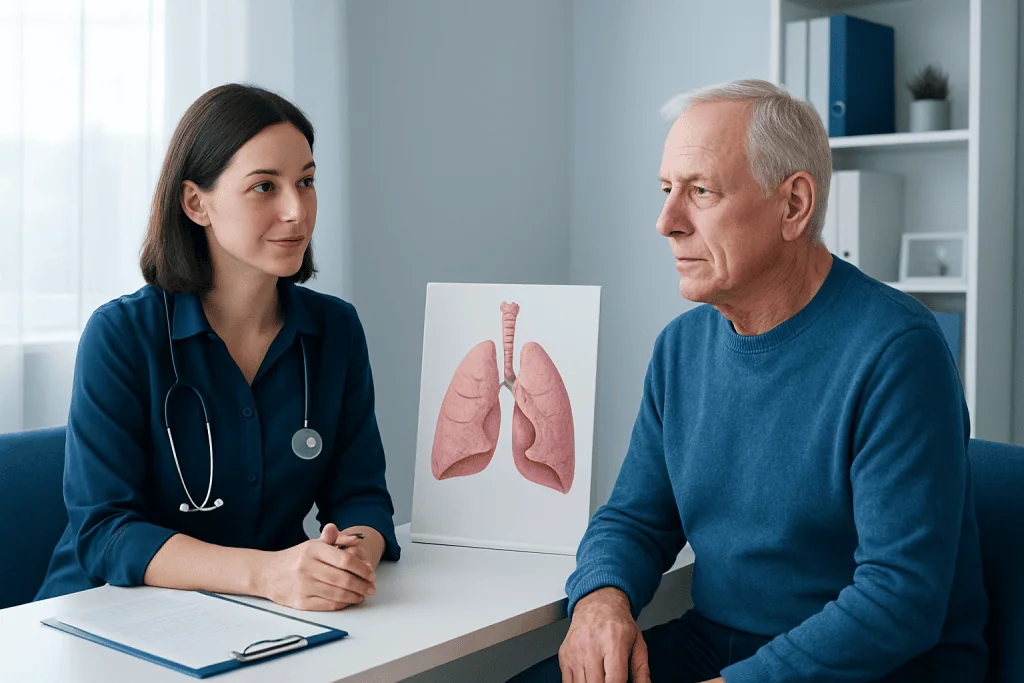
A suitable lung transplant candidate usually has advanced lung disease, significant limitations in daily life, and a reasonable chance of surviving and recovering from major surgery. The transplant team also considers whether the person can take lifelong medicines reliably, attend frequent appointments, participate in rehabilitation, and follow infection-prevention measures. The best timing is important: referral should be early enough for evaluation and preparation, but transplantation is usually reserved for when the expected benefit clearly outweighs the risk.
Evaluation commonly includes lung function tests, chest imaging, blood tests, heart studies, kidney and liver assessment, infection screening, cancer screening, nutritional evaluation, dental assessment, and psychosocial review. The team may also assess exercise capacity with walking tests or cardiopulmonary testing. These evaluations help determine whether transplantation is appropriate and whether additional treatment is needed before listing.
Some issues may make transplantation unsafe or require treatment first. These can include active cancer, uncontrolled infection, severe disease in other organs, ongoing smoking or substance use, inability to follow medical treatment, or severe frailty that would make recovery unlikely. However, each person is assessed individually. Some barriers can be improved through smoking cessation, nutrition support, rehabilitation, infection treatment, or better control of other medical conditions.
Diagnosis and Pre-Transplant Evaluation
The diagnosis leading to transplant evaluation is usually already known, but the transplant center confirms the type and severity of lung disease. Pulmonary function tests measure how much air the lungs can hold and how well oxygen passes into the blood. Imaging, such as chest CT, helps show the pattern and extent of lung damage. Blood gases, oxygen testing, and exercise tests show how the lungs perform during rest and activity.
Because lung transplantation affects the whole body, evaluation is broader than lung testing alone. Heart catheterization or echocardiography may be used to assess pulmonary pressures and heart function. Kidney and liver function are checked because immunosuppressive medicines can affect these organs. Screening for infections, immune system compatibility, blood type, and antibodies helps the team plan donor matching and reduce risk.
The evaluation also includes discussions about goals, expectations, caregiver support, travel logistics, and long-term follow-up. Patients may meet pulmonologists, transplant surgeons, anesthesiologists, infectious disease specialists, physiotherapists, dietitians, pharmacists, psychologists, and transplant coordinators. This multidisciplinary approach helps the patient and family understand the process, including waiting-list placement, possible waiting times, and what to do if a donor lung becomes available.
Surgery and Hospital Recovery
When a suitable donor lung becomes available, the transplant team confirms compatibility and the patient is asked to come to the hospital urgently. The operation is performed under general anesthesia. Depending on the procedure, the surgeon removes one or both diseased lungs and connects the donor lung airways and blood vessels. Some patients may need temporary heart-lung support during surgery, particularly if they have pulmonary hypertension or need a double-lung transplant.
After surgery, recovery begins in the intensive care unit. Patients are initially monitored closely with breathing support, chest tubes, intravenous medicines, and frequent blood tests and imaging. The team watches for bleeding, early graft function, infection, heart rhythm changes, kidney function, and signs that the new lungs are working well. As breathing improves, the ventilator is removed and the patient begins gentle movement and breathing exercises.
Hospital stays vary depending on the person’s condition before surgery, the complexity of the operation, and early recovery. During this period, patients learn how to take immunosuppressive medicines, recognize warning symptoms, monitor temperature and breathing, and protect themselves from infection. Physiotherapists help rebuild strength and endurance. Before discharge, the transplant team ensures that medicines, follow-up visits, home support, and rehabilitation plans are in place.
Lung Transplant Recovery Expectations
Recovery after lung transplant is gradual and often measured in weeks to months rather than days. Many patients notice improved oxygenation, but strength, stamina, and confidence return step by step. Early recovery focuses on wound healing, breathing exercises, walking, nutrition, and learning the new medication routine. Fatigue is common after major surgery, and progress may vary from person to person.
Immunosuppressive medicines are required for life to reduce the risk that the immune system will attack the donor lungs. These medicines must be taken exactly as prescribed. Because they reduce immune defenses, patients have a higher risk of infections and need careful vaccination planning, hand hygiene, food safety, and avoidance of certain exposures. The transplant team also monitors medication side effects, which may involve the kidneys, blood pressure, blood sugar, bones, or cholesterol.
Follow-up is most frequent in the early months and may include clinic visits, lung function tests, blood tests, chest imaging, and sometimes bronchoscopy with biopsy. The team looks for acute rejection, infection, airway complications, and medication-related problems. Over the long term, some patients may develop chronic lung allograft dysfunction, a form of chronic rejection or scarring that can affect breathing. Early detection and ongoing care are important for managing these risks.
Self-Care, Rehabilitation, and Long-Term Health
Successful recovery depends on both medical care and daily habits. Pulmonary rehabilitation helps improve breathing technique, muscle strength, balance, and exercise tolerance. Nutrition support is also important because some patients enter transplant with weight loss or muscle weakness, while others may gain weight after surgery due to improved appetite and medication effects. A dietitian can help tailor a safe plan for healing and long-term health.
Patients are usually advised to avoid smoking completely, including secondhand smoke, and to follow the transplant team’s guidance on alcohol, travel, pets, gardening, swimming, and crowded places. Food safety is important because immunosuppression increases the risk of foodborne infections. Vaccines may be recommended before and after transplant, but live vaccines are generally avoided after transplantation unless a transplant specialist advises otherwise.
Emotional recovery matters as well. It is normal for patients and families to experience relief, anxiety, gratitude, uncertainty, or stress during the transplant journey. Support from caregivers, counseling, patient education, and transplant support groups can help. Returning to work, school, travel, or hobbies should be discussed with the transplant team and planned according to recovery progress, infection risk, and physical readiness.
When to See a Doctor
People with chronic lung disease should speak with their pulmonologist if breathlessness is worsening, oxygen needs are increasing, hospitalizations are becoming more frequent, or daily activities are becoming very limited despite treatment. Early referral to a transplant center does not mean transplant will happen immediately. It allows time to complete evaluation, improve fitness, address modifiable risks, and understand all options.
After a lung transplant, patients should contact their transplant team promptly if they develop fever, chills, increasing cough, shortness of breath, chest discomfort, reduced exercise tolerance, low oxygen levels, new swelling, vomiting that prevents taking medicines, or any missed immunosuppressive doses. These symptoms do not always mean a serious problem, but early assessment is important because infection and rejection can sometimes look similar.
For international patients, coordinated care is especially important because evaluation, surgery, follow-up, rehabilitation, and communication with home physicians must be well organized. Acibadem International’s multidisciplinary specialists and JCI-accredited hospitals diagnose and treat lung transplant candidates and recipients, including patients who travel from abroad. Any decision about transplantation should be made with a qualified transplant team after a full medical assessment.
Frequently asked questions
What diseases can lead to a lung transplant?
Lung transplant may be considered for advanced COPD, pulmonary fibrosis, cystic fibrosis, bronchiectasis, pulmonary arterial hypertension, sarcoidosis, and other severe irreversible lung diseases. The key factor is not the diagnosis alone, but whether the disease is advanced, progressive, and no longer controlled with standard treatments.
Is a single-lung or double-lung transplant better?
The best procedure depends on the underlying disease, overall health, age, infection risk, and donor organ availability. Some conditions may be treated with a single-lung transplant, while others, such as cystic fibrosis or extensive bronchiectasis, often require both lungs to be replaced because infection can remain in the native lung.
How long does recovery take after lung transplant surgery?
Hospital recovery may take several weeks, but full recovery is usually a longer process that continues for months. Patients need rehabilitation, frequent follow-up tests, medication adjustments, and gradual rebuilding of strength and endurance. Recovery time varies based on pre-transplant health and early complications.
Will a person need medicines after a lung transplant?
Yes. Lifelong immunosuppressive medicines are required to reduce the risk of rejection. Patients may also need medicines to prevent infections, protect the stomach or bones, control blood pressure, manage blood sugar, or treat other medication side effects.
What are the main risks after a lung transplant?
Important risks include infection, acute rejection, medication side effects, airway or blood vessel complications, kidney problems, and chronic lung allograft dysfunction. These risks are managed through close monitoring, prompt reporting of symptoms, regular testing, and careful adherence to the treatment plan.
Can someone travel after a lung transplant?
Many patients can travel after recovery, but timing and destination should be discussed with the transplant team. Patients need a stable medical condition, an adequate supply of medicines, infection-prevention planning, and access to medical care if problems occur while away from home.
When should a patient ask about transplant evaluation?
A patient should ask their pulmonologist about transplant evaluation if symptoms are worsening, oxygen needs are rising, hospital admissions are increasing, or everyday activities are becoming difficult despite appropriate treatment. Early discussion is helpful because evaluation can take time and some health issues may need to be addressed before listing.
References
- International Society for Heart and Lung Transplantation
- American Thoracic Society
- European Respiratory Society
- National Heart, Lung, and Blood Institute
- Mayo Clinic
This article is for general information only and is not a substitute for professional medical advice. Please consult a qualified doctor about your individual situation.
Explore treatments in Turkey — costs, top hospitals & a free quote
JCI-accredited · board-certified surgeons · reply within 24h
Add us as a Preferred Source to see more of our trusted health content across Google Search, AI Overviews and Discover.