Lungs From a Smoker: An Evidence-Based Guide for Patients
Smoking irritates and inflames the airways, leading to cough, mucus, and reduced lung function. The lungs can begin to recover after quitting, but the degree of healing depends on how much damage has already occurred.
Key Takeaways
- Smoking irritates and inflames the airways, leading to cough, mucus, and reduced lung function.
- The lungs can begin to recover after quitting, but the degree of healing depends on how much damage has already occurred.
- Not everyone with smoking-related lung disease has obvious symptoms early on, so medical assessment matters.
- Tests such as spirometry and imaging can help identify problems like chronic bronchitis, emphysema, or lung cancer.
- Stopping smoking is the single most effective step to protect lung health at any age.
Lungs from a smoker often develop inflammation, excess mucus, narrowed airways, and damage to the tiny air sacs that support breathing. Some of these changes can improve after smoking stops, but scarring and emphysema may be long-lasting, making early evaluation and smoking cessation important.
Overview: what happens to lungs from a smoker?
Lungs from a smoker are exposed repeatedly to hot smoke, toxic chemicals, and fine particles that irritate the breathing passages and the delicate air sacs where oxygen enters the blood. Over time, this can cause ongoing inflammation, extra mucus production, injury to the cilia that normally help clear the airways, and damage to lung tissue itself.
In practical terms, this means a smoker’s lungs may become less efficient at moving air in and out, less able to clear germs and irritants, and more vulnerable to chronic disease. Some people notice daily cough or shortness of breath, while others have early damage with few symptoms at first. The main concern is not only how the lungs look, but how well they function.
Smoking-related lung changes exist on a spectrum. They may begin with airway irritation and mild inflammation, then progress to chronic bronchitis, emphysema, or the broader diagnosis of chronic obstructive pulmonary disease. Smoking also increases the risk of lung infections and lung cancer, which is why persistent symptoms should be taken seriously.
How smoking changes the lungs over time
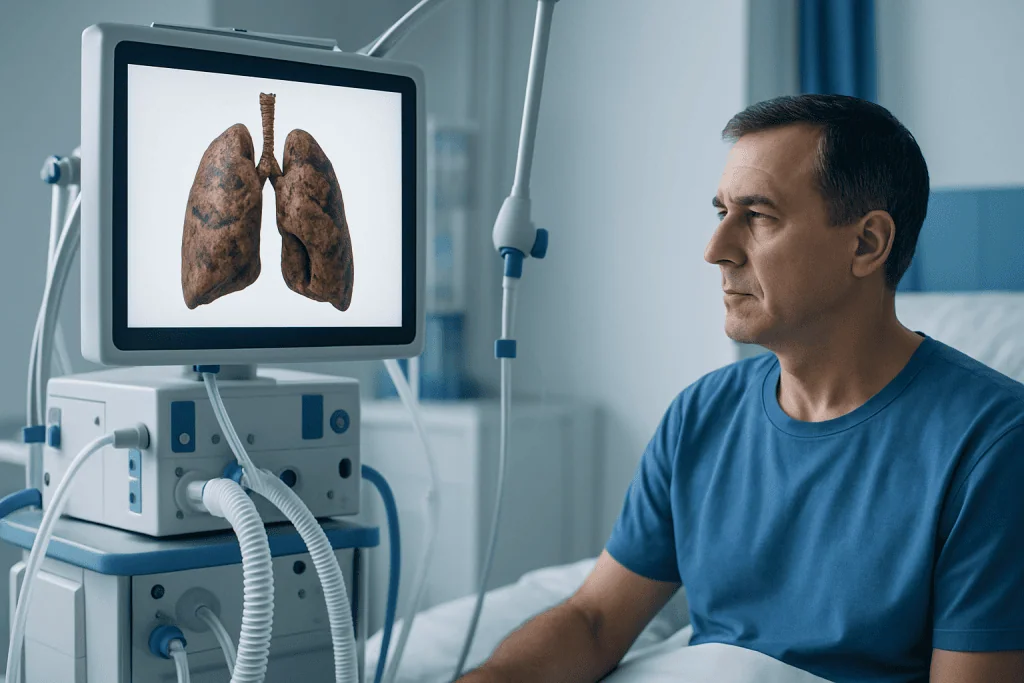
The lungs have built-in cleaning and defense systems. Tiny hair-like structures called cilia help move mucus and trapped particles out of the airways. Smoking slows and damages these cilia, so mucus stays in the lungs longer. This can lead to the familiar “smoker’s cough,” frequent throat clearing, and a greater tendency toward chest infections.
Smoke exposure also inflames the lining of the bronchi, the tubes that carry air into the lungs. Chronic inflammation makes these airways thicker and narrower, while mucus glands enlarge and produce more secretions. This combination can make breathing feel tight or noisy and can reduce exercise tolerance.
Deeper in the lungs, smoking can destroy the walls between air sacs, a process seen in emphysema. When this happens, the lungs lose some of their elastic recoil and gas exchange surface. Air becomes trapped, breathing out gets harder, and oxygen transfer becomes less efficient. These structural changes are often not fully reversible.
Smoking affects more than the airways alone. It can weaken immune defenses, increase oxidative stress, and contribute to changes in blood vessels within the lungs. This helps explain why smokers are at higher risk not only for chronic lung disease, but also for infections, slower healing, and complications from surgery or other illnesses.
Common symptoms and early warning signs
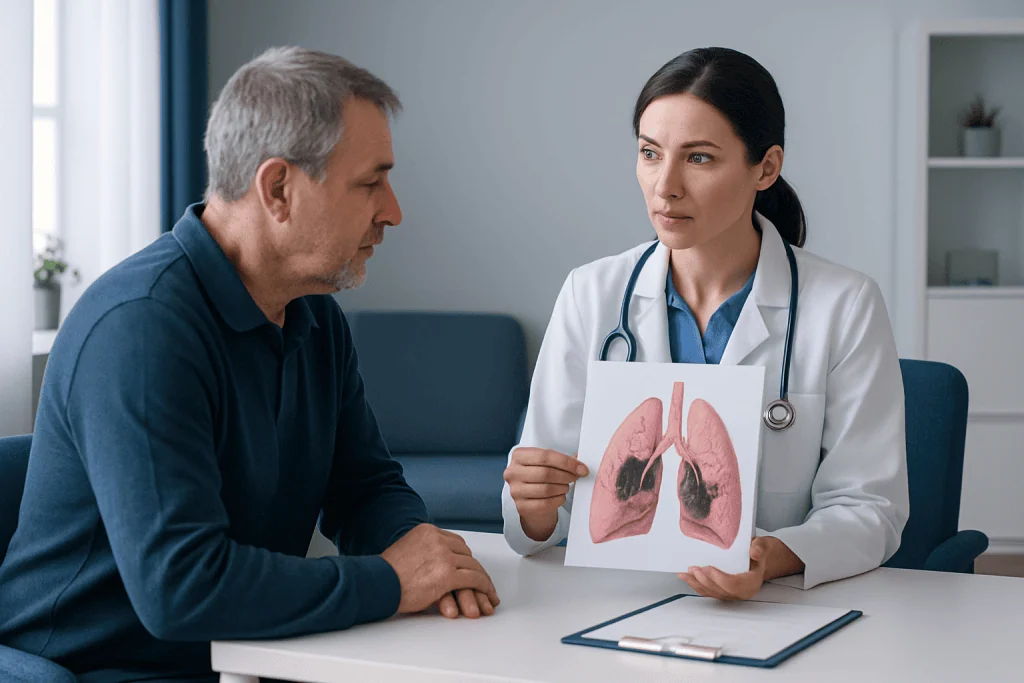
Symptoms from smoking-related lung changes can develop gradually, which is one reason they are sometimes overlooked. A chronic cough, especially one that produces mucus on most days, is a common early sign. People may also notice wheezing, chest tightness, shortness of breath when climbing stairs, or reduced stamina during daily activities.
Some symptoms are subtle. Recurrent “bronchitis,” a lingering cough after colds, or needing more time to recover from respiratory infections can all signal that the lungs are under stress. Others may describe noisy breathing, trouble taking a deep breath, or feeling more breathless than friends of the same age.
It is also possible to have significant lung damage without dramatic symptoms, especially early in the course of disease. For that reason, smoking history matters even if breathing feels mostly normal. Evaluation may help detect problems before they become more advanced.
- Persistent cough lasting weeks
- Regular phlegm or mucus production
- Shortness of breath with activity or at rest
- Wheezing or frequent chest tightness
- Repeated chest infections
- Unexplained weight loss, coughing up blood, or chest pain, which need prompt medical review
Who is at risk and what factors make damage worse?
Any amount of smoking can affect the lungs, but risk rises with the number of years smoked and the average number of cigarettes used. Starting young, inhaling deeply, and continuing to smoke after symptoms begin can all increase the chance of lasting injury. Exposure to secondhand smoke may also contribute to lung irritation and disease.
Other factors can compound the effects of smoking. These include workplace exposure to dust, fumes, or chemicals; air pollution; asthma; repeated lung infections; and family history of certain lung conditions. People with these overlapping risks may develop symptoms earlier or more severely than expected.
Age is another factor. As people get older, lung tissue naturally changes and reserve capacity declines somewhat. Smoking accelerates this process. However, it is important to remember that quitting can still bring benefits at any age, including in older adults and in people who have smoked for many years.
Can smoker’s lungs heal after quitting?
Many patients want a direct answer: yes, lungs from a smoker can recover to a degree after smoking stops, but healing is often partial rather than complete. Inflammation begins to decrease after quitting, and cilia can gradually recover some function, which helps the lungs clear mucus and debris more effectively. Cough may temporarily increase during this adjustment period before improving.
Lung function decline also slows after quitting. This is one of the most important benefits, because it helps preserve breathing capacity over time. People often notice less wheezing, fewer infections, and better exercise tolerance in the months that follow. The body’s overall oxygen use and cardiovascular health may improve as well.
However, not all damage can be reversed. Emphysema, scarring, and some structural changes in the small airways may be permanent. That does not mean quitting is “too late” to help; it means quitting helps prevent further injury and reduces the risk of complications, including cancer and severe flare-ups of chronic lung disease.
Support can make smoking cessation more successful. Depending on individual needs, a clinician may recommend behavioral counseling, nicotine replacement, or a structured smoking cessation treatment plan. For patients who already have breathing symptoms, assessing lung function at the same time can guide next steps.
How doctors evaluate smoking-related lung damage
Assessment usually begins with a medical history and physical examination. A clinician will ask about smoking duration, current or past cigarette use, symptoms, work exposures, prior lung infections, and family history. This conversation helps estimate risk and identify whether the pattern fits chronic bronchitis, emphysema, asthma, infection, or another condition.
A common test is spirometry, which measures how much air a person can breathe in and out and how quickly they can exhale. This can reveal airflow limitation typical of COPD and help determine severity. In some situations, doctors may request chest imaging such as a chest X-ray or CT scan, especially if symptoms are new, unexplained, or concerning.
Additional tests may be used when needed. Oxygen levels can be checked with pulse oximetry, sputum may be evaluated if infection is suspected, and more detailed pulmonary function testing may be arranged. If a suspicious finding is seen, further bronchoscopy or targeted imaging may be part of the diagnostic process.
For people at high risk, clinicians may also discuss screening for lung cancer using low-dose CT according to current guideline criteria. Screening is not the same as diagnosis, but it can help detect disease earlier in selected individuals. A qualified doctor can explain whether screening is appropriate based on age and smoking history.
Treatment and ways to protect lung health
Treatment depends on what is found. If the main problem is irritation and chronic cough related to active smoking, the priority is stopping tobacco exposure and reducing other lung irritants. If a patient has diagnosed COPD, asthma, infection, or another lung condition, treatment may include inhaled medicines, vaccines, pulmonary rehabilitation, or treatment of flare-ups as advised by a clinician.
Self-care measures also matter. Staying physically active within comfortable limits can support conditioning and breathing efficiency. Good hydration may help keep mucus easier to clear, and avoiding secondhand smoke, indoor pollutants, and occupational irritants can reduce further strain on the lungs.
Preventive care is an important part of lung health protection. Vaccinations such as influenza and pneumococcal vaccines may be recommended for some people, especially those with chronic lung disease or older age. Routine checkups can also help track symptoms and identify changes early.
When more complex disease is present, patients may benefit from specialist evaluation in a chest diseases treatment program or coordinated respiratory care. Near the end of the care pathway, some patients also need monitoring for oxygen levels, rehabilitation, or evaluation of suspicious imaging findings. Acibadem International’s multidisciplinary specialists and JCI-accredited hospitals diagnose and treat smoking-related lung conditions for international patients when expert assessment is needed.
When to seek medical care
Medical evaluation is appropriate if a person has a persistent cough, regular mucus production, wheezing, or breathlessness that interferes with daily life. It is also wise to seek care if exercise tolerance is falling, chest infections are happening repeatedly, or breathing symptoms seem to be slowly worsening over time.
Prompt medical attention is especially important for coughing up blood, unexplained weight loss, chest pain, new hoarseness, or shortness of breath at rest. These symptoms do not always mean a serious condition, but they should be assessed without delay. A clinician can help determine whether the cause is infection, airflow limitation, cancer, or another problem.
Emergency care is needed for severe difficulty breathing, blue lips or fingertips, confusion, fainting, or sudden chest pain. These can be signs of a serious respiratory or cardiac event. When in doubt, urgent assessment is the safest choice.
Frequently asked questions
What do lungs from a smoker look like compared with healthy lungs?
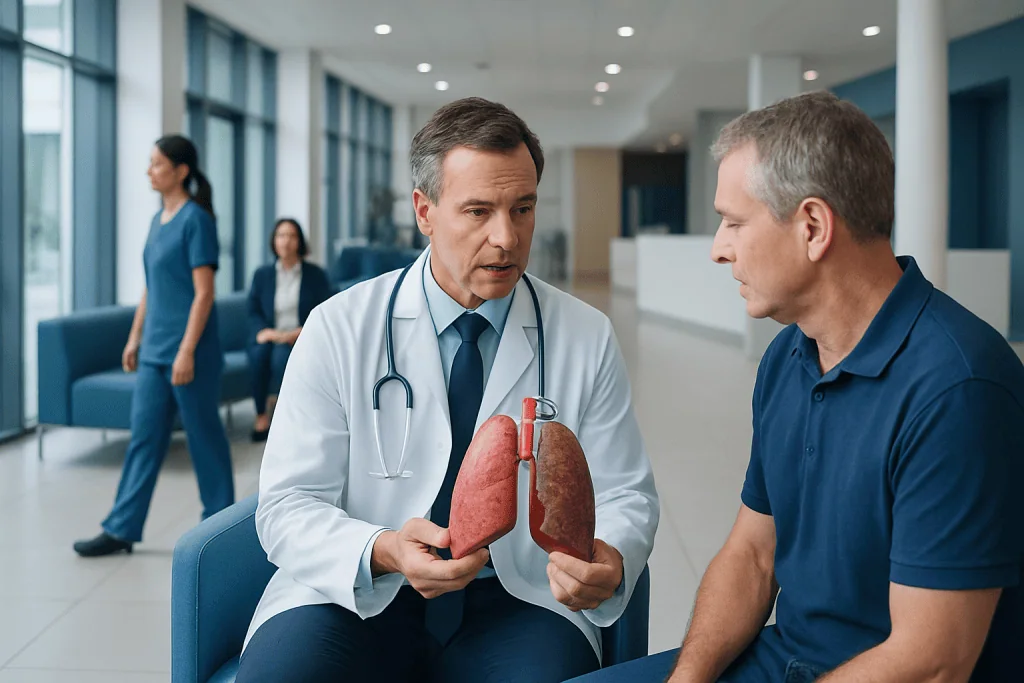
Smoking can make the airways more inflamed and mucus-filled, and over time it may darken tissue with deposited particles and damage the air sacs. However, appearance alone does not tell the whole story. Lung function tests are often more useful than images in showing how well the lungs are working.
Can lungs fully recover after quitting smoking?
Some healing is possible after quitting, especially reduced inflammation and better cilia function. Many people notice fewer symptoms and slower loss of lung function. But emphysema, scarring, and some structural damage may not fully reverse.
How long does it take the lungs to improve after quitting?
Improvement starts early, but the timeline varies from person to person. Cilia can begin recovering over weeks to months, and breathing symptoms may gradually improve after that. The amount of benefit depends on prior damage, other health conditions, and whether smoke exposure stops completely.
Does every smoker develop COPD or lung cancer?
No, not every smoker develops these conditions, but smoking raises the risk substantially. Genetics, total tobacco exposure, environmental factors, and overall health all play a role. Even without a formal diagnosis, smoking can still reduce lung function and increase infection risk.
Is a smoker’s cough always a sign of permanent damage?
Not always. A smoker’s cough often reflects airway irritation and excess mucus, which may improve after quitting. Still, a persistent cough should be assessed, especially if it changes, lasts for weeks, or is associated with breathlessness, blood, or weight loss.
Should former smokers still have their lungs checked?
Yes, in many cases it is reasonable, especially if symptoms are present or the smoking history was significant. Former smokers may still have COPD, emphysema, or other conditions even after quitting. A doctor can advise whether spirometry, imaging, or lung cancer screening is appropriate.
This article is for general information only and is not a substitute for professional medical advice. Please consult a qualified doctor about your individual situation.
Explore treatments in Turkey — costs, top hospitals & a free quote
JCI-accredited · board-certified surgeons · reply within 24h
Add us as a Preferred Source to see more of our trusted health content across Google Search, AI Overviews and Discover.

More from the Health Library
Body Focused Repetitive Behavior: An Evidence-Based Guide for Patients

Melamine: What Patients Need to Know

Early Satiety: What Patients Need to Know
Thyroid: What Patients Need to Know

Exfoliating with Pumice Stone: A Complete Medical Overview