Thyroid: What Patients Need to Know

The thyroid gland regulates metabolism and influences many organs throughout the body. Common thyroid problems include hypothyroidism, hyperthyroidism, thyroid nodules, thyroiditis, and goiter.
Key Takeaways
- The thyroid gland regulates metabolism and influences many organs throughout the body.
- Common thyroid problems include hypothyroidism, hyperthyroidism, thyroid nodules, thyroiditis, and goiter.
- Symptoms can be subtle and may affect energy, weight, mood, bowel habits, heart rate, skin, and menstrual patterns.
- Diagnosis usually includes medical history, physical examination, and blood tests such as TSH and thyroid hormones.
- Many thyroid conditions can be managed effectively with medication, monitoring, or selected procedures.
- New neck swelling, trouble swallowing, rapid heartbeat, or significant unexplained symptoms should be assessed by a doctor.
The thyroid is a small gland in the neck that helps control metabolism, energy use, temperature, heart rate, and many other body functions. When thyroid hormone levels are too high, too low, or the gland develops nodules or inflammation, symptoms can be broad but diagnosis is usually straightforward with an exam, blood tests, and sometimes imaging.
Overview: what the thyroid does
The thyroid is a butterfly-shaped gland located at the front of the neck. It produces hormones that help regulate how the body uses energy, often called metabolism. These hormones influence heart rate, body temperature, digestion, menstrual cycles, mood, muscle function, and how quickly calories are burned.
When people ask about the thyroid, they are usually referring either to the gland itself or to conditions that change hormone production. A thyroid can become underactive, overactive, enlarged, inflamed, or develop one or more nodules. Because thyroid hormones affect many body systems, thyroid problems may cause a wide range of symptoms that are sometimes mistaken for stress, aging, or other health issues.
Most thyroid conditions are treatable. The first step is understanding that symptoms alone cannot confirm a diagnosis. A doctor usually combines a physical examination with blood tests and, when needed, ultrasound or other imaging to determine what type of thyroid problem is present and whether treatment is necessary.
Common thyroid conditions
Several different conditions can affect the thyroid, and each has its own pattern. Hypothyroidism means the thyroid does not make enough hormone. Hyperthyroidism means it makes too much. Thyroiditis refers to inflammation of the gland, which can sometimes cause pain but may also be painless. A goiter is an enlarged thyroid, and thyroid nodules are lumps within the gland that are often benign but may need evaluation.
Autoimmune diseases are a frequent cause of thyroid problems. In Hashimoto disease, the immune system gradually damages the gland and often leads to hypothyroidism. In Graves disease, the immune system stimulates the gland and can cause hyperthyroidism. Patients may also hear about structural thyroid changes such as thyroid nodules, which can be single or multiple and may be found during an exam or incidentally on imaging.
Less commonly, thyroid disease may involve cysts, temporary hormone changes after pregnancy, medication-related effects, or thyroid cancer. Most nodules and enlargements are not cancerous, but persistent lumps, hoarseness, or swallowing difficulty should be assessed carefully so the underlying cause can be identified.
Symptoms patients may notice

Thyroid symptoms often develop gradually. In an underactive thyroid, common symptoms can include fatigue, feeling cold, dry skin, constipation, slowed thinking, low mood, muscle aches, heavier menstrual periods, and unexplained weight gain. Some people also notice hair thinning, puffiness, or a slower heart rate.
In an overactive thyroid, symptoms may include nervousness, tremor, heat intolerance, sweating, palpitations, unintentional weight loss, frequent bowel movements, difficulty sleeping, and increased irritability. Menstrual periods may become lighter or less regular. Older adults may have more subtle symptoms, such as tiredness or an irregular heartbeat rather than feeling obviously overstimulated.
Structural changes in the thyroid can cause local symptoms even when hormone levels are normal. A visible swelling at the base of the neck, a feeling of pressure, trouble swallowing, hoarseness, or discomfort when lying flat may suggest a goiter or nodule. Because these symptoms overlap with many other conditions, testing is important rather than assuming a thyroid cause.
- Possible hypothyroid clues: fatigue, cold sensitivity, constipation, dry skin
- Possible hyperthyroid clues: fast heartbeat, tremor, heat sensitivity, weight loss
- Possible structural clues: neck lump, fullness, pressure, hoarseness
Causes and risk factors
Thyroid conditions can develop for several reasons. Autoimmune disease is one of the most common. Family history also matters, so a person may be more likely to develop thyroid disease if close relatives have hypothyroidism, hyperthyroidism, goiter, or autoimmune disorders. Women are affected more often than men, and risk can change during pregnancy, after childbirth, and with aging.
Iodine intake plays an important role because the thyroid needs iodine to make hormone. In many countries, iodine deficiency is less common than in the past, but it can still contribute to thyroid enlargement or dysfunction. Certain medicines, previous neck radiation, inflammatory illnesses, and pituitary disorders may also influence thyroid function.
Nodules become more common with age and are often discovered during routine imaging done for another reason. Most are benign, but some require follow-up to confirm this. Depending on symptoms and findings, doctors may also evaluate for related conditions such as goiter or hormone overproduction. Risk factors help guide testing, but they do not predict exactly which thyroid condition a person may have.
How thyroid problems are diagnosed
Diagnosis begins with a medical history and physical examination. A clinician may ask about symptoms, family history, medications, pregnancy history, and prior radiation exposure. During the exam, the neck is checked for enlargement, asymmetry, tenderness, or nodules, and the doctor may also look for signs such as tremor, skin changes, reflex changes, or heart rhythm abnormalities.
Blood testing is central to thyroid diagnosis. The most commonly used test is thyroid-stimulating hormone, or TSH, which helps show whether the body is asking the thyroid to make more or less hormone. Doctors may also order free T4, sometimes free T3, and antibody tests when autoimmune thyroid disease is suspected. These tests help distinguish underactive thyroid, overactive thyroid, temporary thyroiditis, and other patterns.
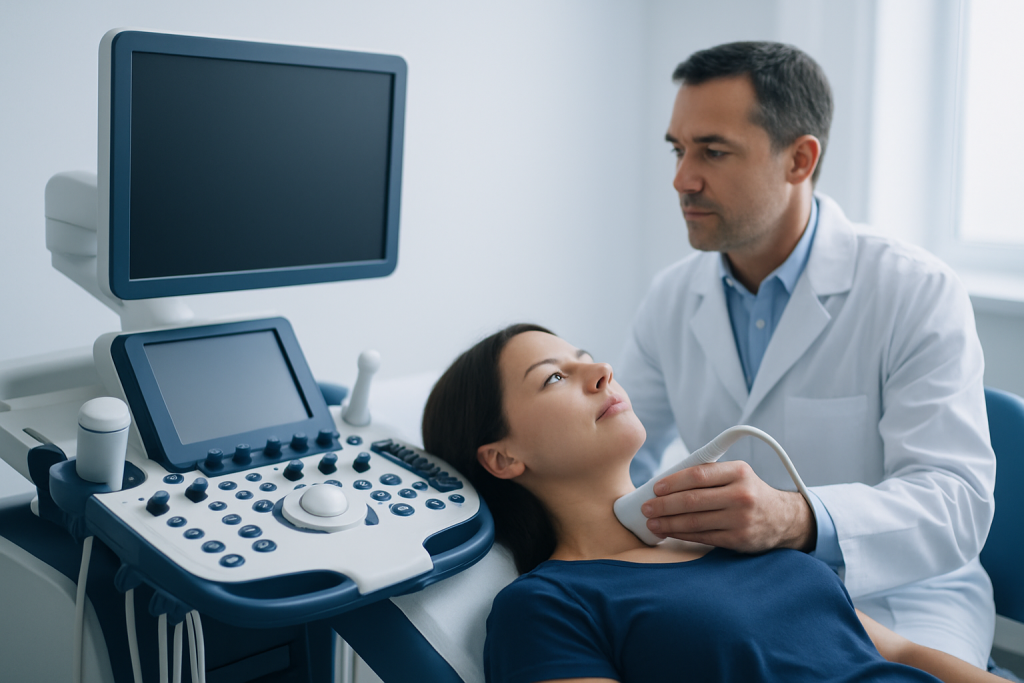
If a lump or enlargement is present, an ultrasound is often used to evaluate the thyroid’s size and structure. Ultrasound can show whether a nodule is solid or cystic and whether it has features that need closer attention. In selected cases, further testing may include a radionuclide scan or a fine-needle aspiration biopsy to examine cells from a suspicious nodule. This evaluation helps determine whether monitoring, medication, or thyroid surgery is the most appropriate next step.
Treatment options and ongoing care
Treatment depends on the specific thyroid condition, symptom severity, age, overall health, and test results. Hypothyroidism is typically managed by replacing the missing hormone with prescribed medication and monitoring blood tests over time. Hyperthyroidism may be treated with medicines that reduce hormone effects or production, and in some cases with radioiodine therapy or surgery. Follow-up is important because the correct plan can change as the condition evolves.
Thyroid nodules or goiter may not always need immediate treatment. If thyroid hormone levels are normal and imaging features are reassuring, a doctor may recommend periodic ultrasound and clinical review. If a nodule is causing pressure symptoms, producing excess hormone, or appears suspicious on testing, procedures or surgery may be advised. Patients with large goiters, persistent compressive symptoms, or concern for cancer may benefit from consultation about endocrine surgery.
Care does not end once treatment begins. Thyroid hormone levels usually need periodic rechecking because dose needs may change with age, pregnancy, weight changes, new medications, or progression of disease. Some patients also need coordinated care with endocrinology, surgery, imaging, and pathology specialists. Near the end of the care pathway, some international patients choose centers such as Acibadem International, where multidisciplinary specialists in JCI-accredited hospitals evaluate and treat thyroid conditions, including thyroid cancer when indicated.
Self-care, monitoring, and daily life
Self-care for thyroid health focuses on good follow-up rather than trying to manage symptoms alone. Taking medication exactly as prescribed, attending scheduled blood tests, and reporting new symptoms promptly can make treatment safer and more effective. Patients should let their doctor know about supplements and other medications because some can affect thyroid test results or interfere with absorption of thyroid medicine.
There is no single diet that cures thyroid disease, but a balanced eating pattern supports overall health. Extreme iodine intake from supplements or seaweed products can sometimes worsen thyroid problems, so it is sensible to discuss these with a clinician before use. During pregnancy or when planning pregnancy, thyroid monitoring becomes especially important because hormone levels influence both maternal and fetal health.
Many people with thyroid conditions live normal, active lives once the diagnosis is clear and treatment is adjusted appropriately. Keeping a record of test results, symptoms, and medications may help during follow-up visits. Patients should also avoid changing or stopping thyroid medication without medical advice, even if symptoms improve.
When to seek medical care
Medical care is appropriate if a person notices ongoing fatigue, unexplained weight change, persistent palpitations, temperature intolerance, neck swelling, or a new lump at the front of the neck. Evaluation is also important for changes in voice, trouble swallowing, or thyroid-related symptoms during or after pregnancy. While these symptoms do not always mean thyroid disease, they are worth discussing with a qualified doctor.
Urgent assessment is recommended if symptoms are severe, such as chest pain, marked shortness of breath, fainting, sudden confusion, or a very fast or irregular heartbeat. Rapidly enlarging neck swelling or difficulty breathing also needs prompt medical attention. These situations are not common, but they should not be ignored.
Patients who already have a thyroid diagnosis should seek review if symptoms return, medications seem less effective, or side effects develop. Early reassessment can help prevent complications and keep treatment aligned with current hormone levels and clinical needs.
Frequently asked questions
What is the thyroid and why is it important?
The thyroid is a small gland in the front of the neck that produces hormones controlling metabolism. These hormones affect energy, heart rate, body temperature, digestion, and many other daily body functions.
What are the most common signs of a thyroid problem?
Common signs include fatigue, weight change, feeling unusually cold or hot, changes in bowel habits, palpitations, mood changes, and neck swelling. Symptoms vary depending on whether the thyroid is underactive, overactive, or structurally enlarged.
How is thyroid disease confirmed?
A doctor usually confirms thyroid disease with a physical exam and blood tests, especially TSH and thyroid hormone levels. If there is a lump or enlarged gland, ultrasound and sometimes biopsy may also be needed.
Are thyroid nodules usually cancer?
Most thyroid nodules are benign, meaning they are not cancer. However, they should still be evaluated because some need monitoring, and a smaller number require biopsy or treatment.
Can thyroid problems be treated successfully?
Yes. Many thyroid conditions can be managed well with medication, regular monitoring, and in some cases procedures or surgery. The best treatment depends on the exact diagnosis and the person's overall health.
Can thyroid disease affect pregnancy?
Yes, thyroid hormone balance is important before and during pregnancy. Proper monitoring and treatment help support maternal health and fetal development, so patients planning pregnancy should discuss thyroid testing with their doctor.
References
- American Thyroid Association
- National Institute of Diabetes and Digestive and Kidney Diseases
- National Health Service
- Mayo Clinic
- Endocrine Society
This article is for general information only and is not a substitute for professional medical advice. Please consult a qualified doctor about your individual situation.
Medical weight-loss options in Turkey — costs & eligibility
JCI-accredited · board-certified surgeons · reply within 24h
Add us as a Preferred Source to see more of our trusted health content across Google Search, AI Overviews and Discover.
Check your numbers in seconds
BMI, calories, due date, blood pressure and 30+ more clinical calculators — free, instant, doctor-reviewed ranges.