Malignant: An Evidence-Based Guide for Patients

Malignant describes cancerous cells that can invade nearby tissue and sometimes spread to distant organs. Not every lump, spot, or abnormal scan finding is malignant; testing is needed to confirm the cause.
Key Takeaways
- Malignant describes cancerous cells that can invade nearby tissue and sometimes spread to distant organs.
- Not every lump, spot, or abnormal scan finding is malignant; testing is needed to confirm the cause.
- Diagnosis often involves imaging, laboratory tests, and a biopsy reviewed by a pathologist.
- Treatment depends on the cancer type, stage, location, and the person’s overall health.
- Early medical evaluation can improve treatment options and help avoid delays in care.
Malignant means cancerous. A malignant growth can invade nearby tissues and may spread to other parts of the body, which is why prompt medical evaluation matters. This guide explains what the term means, how malignant conditions are diagnosed, and the main treatment approaches patients may hear about.
What does malignant mean?
Malignant means cancerous. In medicine, this term is used when cells grow abnormally, have the ability to invade nearby tissues, and may spread through the blood or lymphatic system to other parts of the body. That behavior is different from a benign condition, which is not cancer and does not spread in the same way.
The word malignant can describe a tumor, a group of cells seen under the microscope, or a result on a pathology report. For patients, seeing this term can feel overwhelming, but it is important to remember that malignant is a broad description, not a complete diagnosis by itself. Doctors still need to define the exact cancer type, where it started, how advanced it is, and which treatments are most appropriate.
Some cancers grow quickly, while others progress more slowly. A malignant finding may be discovered after symptoms appear, during routine screening, or incidentally on imaging done for another reason. Because many noncancerous conditions can mimic cancer at first, a careful diagnostic process is essential before treatment decisions are made.
How malignant differs from benign and premalignant
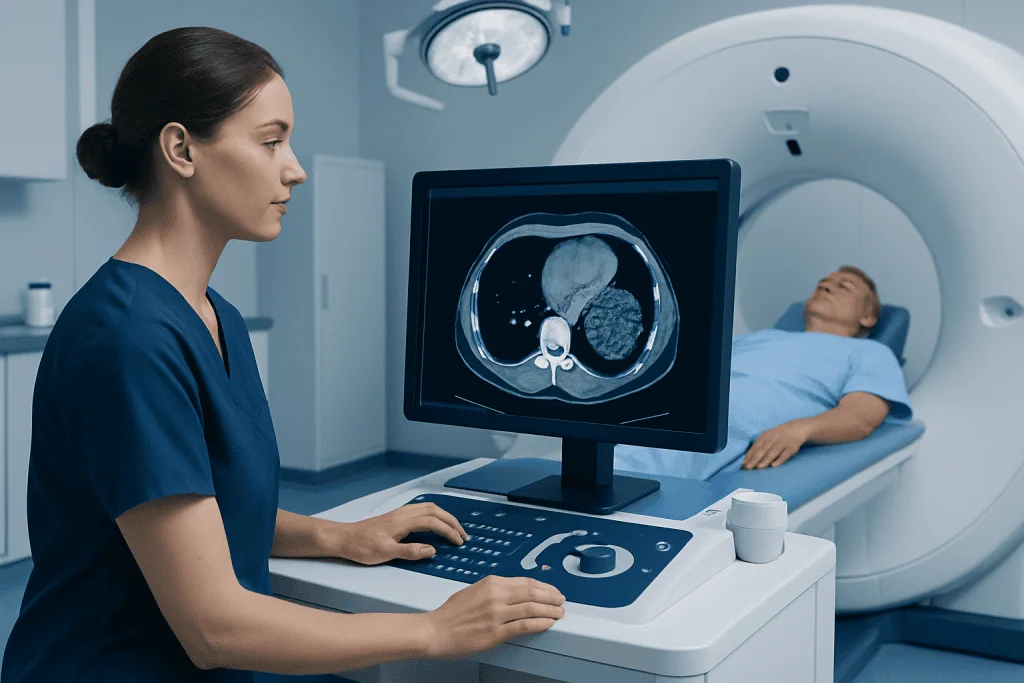
People often hear several similar-sounding terms during testing. Benign means noncancerous. Benign tumors can still cause problems if they press on nearby organs or affect how a body part works, but they do not have the same potential to invade and spread as malignant tumors.
Premalignant or precancerous changes are different again. These are abnormal cells that are not yet cancer but may become cancer over time if left untreated. Examples include certain colon polyps or some cervical cell changes found during screening. This is one reason follow-up testing and surveillance are so important.
Doctors also use words such as localized, invasive, and metastatic. Localized cancer remains in the place where it started. Invasive cancer has grown into nearby tissue. Metastatic cancer has spread to distant sites. Understanding these terms helps patients interpret pathology and imaging results more clearly and ask informed questions about next steps.
Common signs and symptoms of a malignant condition

There is no single symptom that proves something is malignant. Signs depend on where the cancer starts, how large it is, and whether it affects nearby structures. Some people have no symptoms at all in the early stages, which is why screening and medical evaluation of new changes can be important.
Symptoms that may need assessment include:
- A lump or swelling that is new, growing, or persistent
- Unexplained weight loss or loss of appetite
- Ongoing fatigue that does not improve with rest
- Persistent pain or pressure in one area
- Changes in the skin, such as a changing mole or a sore that does not heal
- Abnormal bleeding, including blood in the stool, urine, or coughing up blood
- Changes in bowel or bladder habits
- A lasting cough, hoarseness, or trouble swallowing
These symptoms can also be caused by infections, inflammation, hormonal conditions, or other noncancerous problems. Even so, it is sensible not to ignore persistent or unexplained symptoms. A clinician can decide whether observation, imaging, blood tests, or a referral is needed.
Causes and risk factors
Malignant disease develops when genetic changes allow cells to grow, divide, and survive when they normally would not. These changes can happen over time due to aging, inherited genetic factors, environmental exposures, or a combination of influences. In many cases, no single cause can be identified for one person.
Known risk factors vary by cancer type, but common examples include tobacco use, heavy alcohol use, certain infections, radiation exposure, some workplace chemicals, obesity, physical inactivity, and long-term sun exposure. Family history can also matter, especially when several relatives have had the same or related cancers at younger ages.
Risk factors increase the chance of malignancy, but they do not guarantee that cancer will develop. Likewise, people without obvious risk factors can still be diagnosed with cancer. This is why regular checkups, age-appropriate screening, and attention to new symptoms remain important even in otherwise healthy individuals.
When doctors suspect a specific cancer, they may also consider whether the person could benefit from genetic counseling or more specialized testing. For example, findings related to colon cancer or breast cancer may prompt a more detailed discussion about family history and screening for relatives.
How a malignant diagnosis is confirmed
A malignant condition is usually confirmed in steps. The process often begins with a medical history and physical examination, followed by targeted tests based on the symptoms or the body area involved. Imaging such as ultrasound, mammography, CT, MRI, or PET-CT may help show the size and location of an abnormality and whether there are signs of spread.
Blood tests can provide useful information, but they generally cannot diagnose most cancers on their own. Tumor markers may sometimes support the picture, yet they are not specific enough to replace tissue testing. In many situations, the most important step is a biopsy, in which a small sample of tissue is removed and examined by a pathologist under the microscope.
The pathology report helps identify the exact cancer type, grade, and other features that guide treatment. Doctors may also perform molecular or genetic testing on tumor tissue to look for changes that can influence prognosis or point to targeted therapies. In some cases, a multidisciplinary team may recommend a biopsy procedure first and then additional staging tests before a final treatment plan is made.
Once cancer is confirmed, doctors determine the stage. Staging describes how large the cancer is and whether it has spread to lymph nodes or distant organs. This information is central to choosing treatment and estimating outlook, but each person’s situation is individual.
Treatment options for malignant tumors
Treatment for a malignant tumor depends on the cancer’s type, location, stage, molecular features, and the patient’s overall health and preferences. Many people receive care from a multidisciplinary team that may include medical oncologists, surgeons, radiation oncologists, pathologists, radiologists, and supportive care specialists.
Common treatments include surgery to remove the tumor, chemotherapy to target cancer cells throughout the body, and radiation therapy to treat a specific area. Some patients may also be candidates for targeted therapy, hormone therapy, immunotherapy, or combinations of these approaches. In certain situations, treatment is given before surgery to shrink a tumor or after surgery to reduce the chance of recurrence.
Examples of care pathways may involve chemotherapy for cancers sensitive to drug treatment, radiation therapy to control a localized tumor, or oncology care that combines several methods in a coordinated plan. Supportive treatments are also important and may address pain, nutrition, nausea, fatigue, and emotional wellbeing during recovery.
Not every malignant condition is treated urgently in the same way, but none should be ignored. Some cancers require rapid intervention, while others allow time for second opinions, staging tests, and thoughtful treatment planning. Patients often benefit from asking about goals of treatment, expected side effects, alternatives, and follow-up needs.
Prevention, screening, and self-care
Not all malignant disease can be prevented, but some risk can be lowered through healthy habits and recommended screening. Avoiding tobacco, limiting alcohol, protecting the skin from excess ultraviolet exposure, staying physically active, and maintaining a healthy weight are evidence-based steps that support overall cancer prevention.
Vaccination can also matter. For example, vaccines that help prevent infections linked to cancer, such as human papillomavirus and hepatitis B, are part of prevention strategies in appropriate age groups. Screening tests may detect some cancers early or even find precancerous changes before cancer develops.
Self-care after a diagnosis is also important. This may include keeping medical appointments, taking prescribed treatments as directed, discussing side effects early, eating as well as possible, resting, and accepting practical or emotional support. Patients should avoid relying on supplements or alternative remedies as substitutes for proven treatment unless their doctor confirms they are safe.
Near the end of the care journey, some people seek treatment planning across specialties. Acibadem International’s multidisciplinary specialists and JCI-accredited hospitals diagnose and treat malignant conditions for international patients, with evaluation tailored to the confirmed cancer type and stage.
When to seek medical care
Medical care should be sought if there is a new lump, unexplained bleeding, a changing mole, ongoing difficulty swallowing, unexplained weight loss, a persistent cough, or any symptom that lasts and does not have a clear cause. It is especially important to arrange an appointment if symptoms are worsening or interfering with daily life.
Urgent evaluation is appropriate for severe symptoms such as coughing up blood, significant shortness of breath, sudden weakness, severe pain, or heavy bleeding. These symptoms do not always mean cancer, but they do need prompt medical attention.
People who have already been told they may have a malignant finding should keep follow-up appointments and ask for clarification if any test result is unclear. Early assessment can help distinguish between benign, premalignant, and malignant causes and may widen the range of treatment options if cancer is confirmed.
Frequently asked questions
Does malignant always mean cancer?
Yes. In medical use, malignant means cancerous. It indicates abnormal cells that can invade nearby tissue and may spread to other parts of the body.
Is a malignant tumor always life-threatening?
Not always. Some malignant tumors are found early and can be treated effectively, while others are more advanced at diagnosis. Outlook depends on the cancer type, stage, location, and how it responds to treatment.
Can imaging alone tell whether something is malignant?
Imaging can strongly suggest malignancy, but it often cannot confirm it with certainty. In many cases, a biopsy is needed so a pathologist can examine the tissue and make the diagnosis.
What is the difference between malignant and metastatic?
Malignant means cancerous. Metastatic means the cancer has spread from where it started to another part of the body, so metastatic cancer is one possible stage of a malignant disease.
Can a benign tumor become malignant later?
Some benign conditions remain benign, but certain abnormal growths or precancerous lesions can change over time. Whether this is possible depends on the specific tissue type and diagnosis, which is why follow-up matters.
What questions should a patient ask after a malignant diagnosis?
Helpful questions include what type of cancer it is, whether more tests are needed, what stage it is, and what treatment options are available. Patients may also want to ask about treatment goals, side effects, recovery time, and whether a second opinion would be useful.
This article is for general information only and is not a substitute for professional medical advice. Please consult a qualified doctor about your individual situation.
Explore treatments in Turkey — costs, top hospitals & a free quote
JCI-accredited · board-certified surgeons · reply within 24h
Add us as a Preferred Source to see more of our trusted health content across Google Search, AI Overviews and Discover.

More from the Health Library

Gout in Hands: What Patients Need to Know

Weight Loss Meal Delivery: A Complete Medical Overview

Pears: What Patients Need to Know

Proximal Phalanx — Explained by Medical Evidence, Not Myths

Knee Xray: What Patients Need to Know